Porter hiking represents a transformative approach to mountain trekking that combines adventure with practical support, allowing hikers to experience challenging trails without carrying heavy loads. This traditional practice, deeply rooted in mountaineering culture, has evolved into a professional service that enhances safety, comfort, and overall trekking success. Understanding how porter hiking works and its benefits can significantly improve your next mountain adventure, particularly on demanding routes like Mount Rinjani where the terrain challenges even experienced hikers.
Understanding the Porter Hiking System
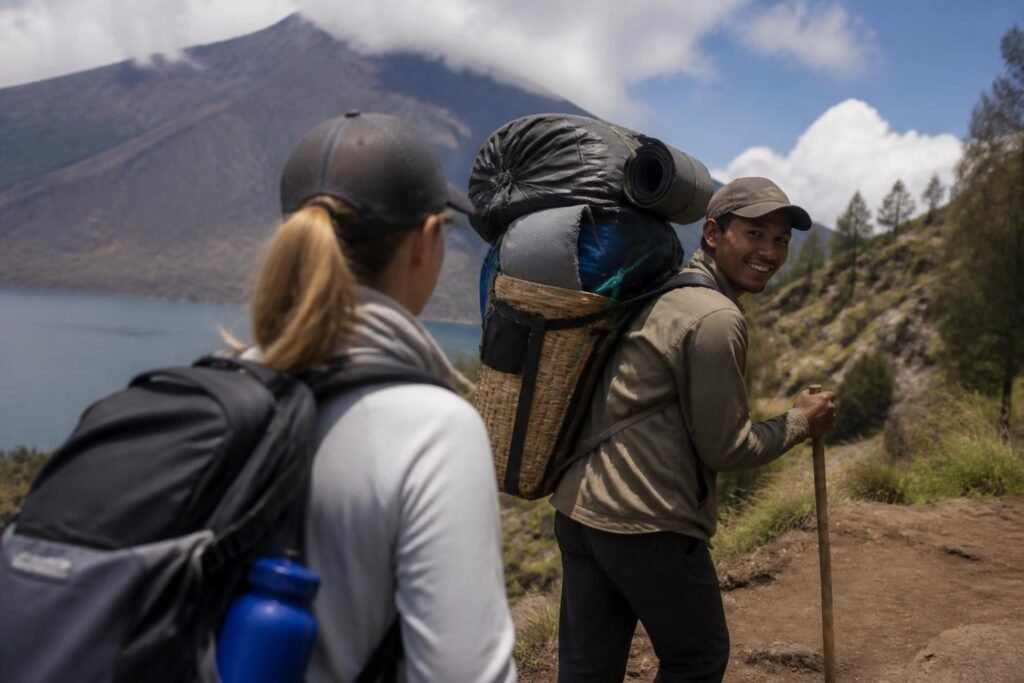
Porter hiking involves hiring trained individuals who carry equipment, supplies, and camping gear while trekkers focus on the journey with lighter day packs. This system has been fundamental to mountaineering for centuries, enabling explorers to reach remote peaks and traverse difficult terrain.
The role of porters extends beyond simply carrying loads. Professional porters possess intimate knowledge of mountain trails, weather patterns, and potential hazards. Their expertise contributes to expedition safety and success rates, particularly on technical routes requiring multiple days of camping at altitude.
Historical Context and Modern Evolution
Mountain porters have shaped trekking history across continents. From the Himalayan porters who support expeditions to those working in Southeast Asian volcanic regions, these professionals form the backbone of the adventure tourism industry. The profession has evolved significantly, with modern porter services emphasizing ethical treatment, proper equipment, and fair compensation.
In Indonesia, porter hiking services have become increasingly sophisticated, especially around major trekking destinations. Companies now provide comprehensive support systems that include experienced guides, porters, cooking staff, and emergency protocols. This professionalization has raised safety standards while improving working conditions for mountain professionals.
Benefits of Porter Hiking for Trekkers
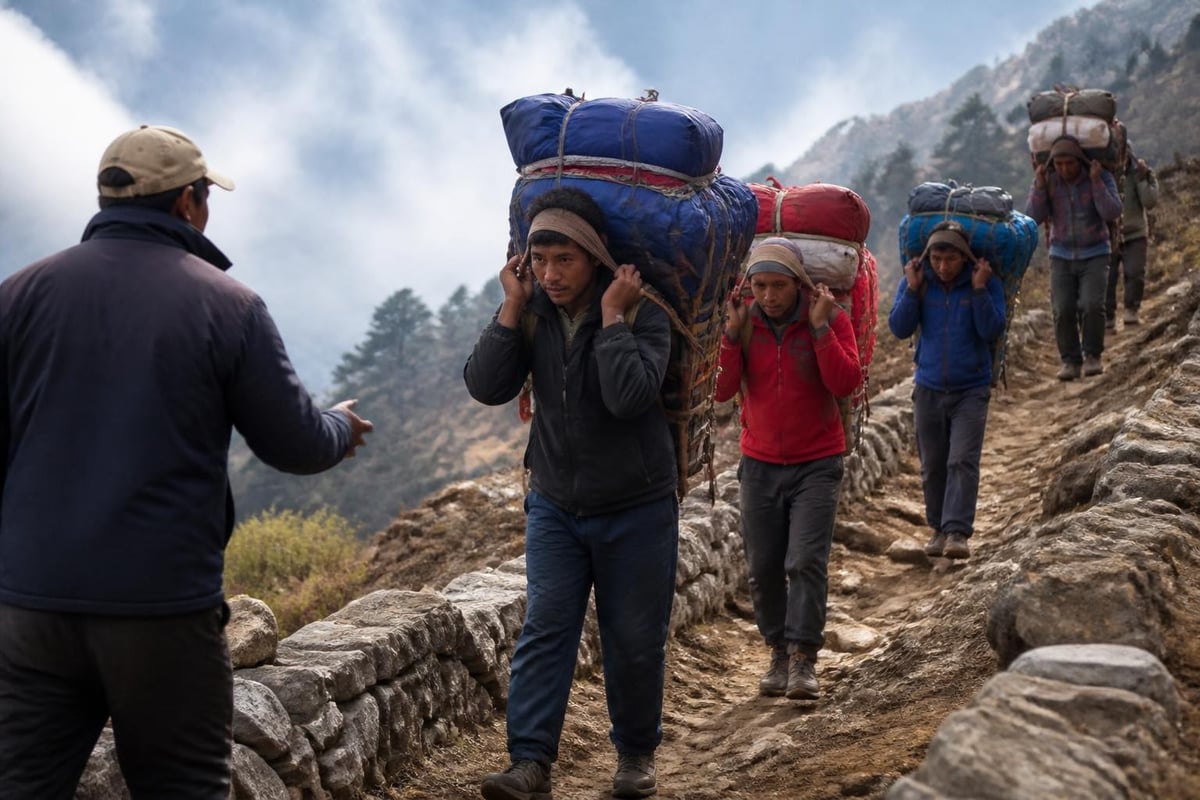
Choosing porter hiking services transforms the trekking experience in multiple ways. The most immediate benefit involves physical comfort and energy conservation. By carrying only essential day items like water, snacks, and cameras, hikers maintain better stamina throughout demanding climbs.
Key advantages include:
- Enhanced safety through reduced physical strain and lower injury risk
- Increased summit success rates due to better energy management
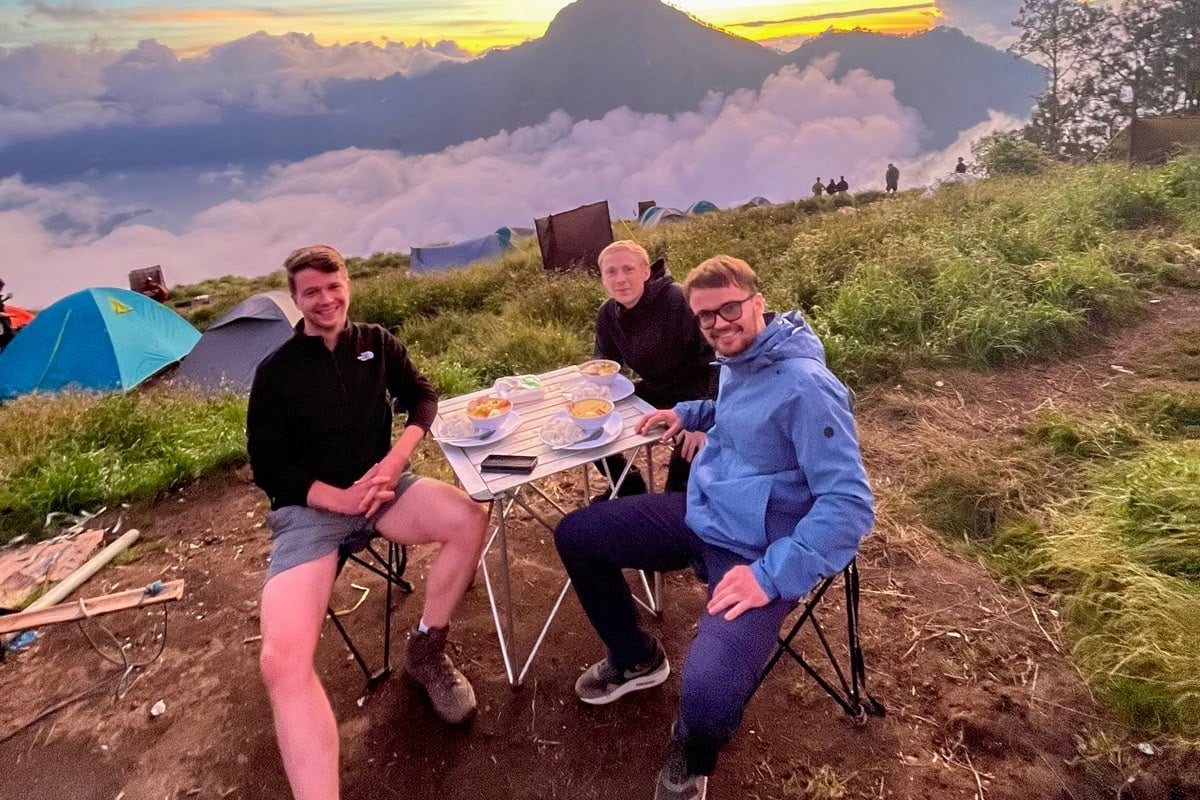
- Access to fresh meals and comfortable camping setups
- More enjoyment of scenery rather than focusing on heavy pack weight
- Professional guidance from experienced mountain teams
The mental benefits prove equally significant. Trekkers worry less about navigation, campsite selection, and meal preparation, allowing greater focus on the natural environment and personal achievement. This reduced stress particularly benefits first-time mountain hikers who may feel overwhelmed by the logistics of multi-day expeditions.
Physical Impact Comparison
| Aspect | Independent Hiking | Porter Hiking |
|---|---|---|
| Pack weight | 15-20 kg | 3-5 kg |
| Energy expenditure | High | Moderate |
| Summit success rate | 60-70% | 85-95% |
| Injury risk | Higher | Lower |
| Recovery time | 3-5 days | 1-2 days |
For those planning Mount Rinjani trekking packages, the difference becomes particularly noticeable on steep sections where every kilogram matters. The volcanic terrain presents unique challenges including loose scree, exposed ridges, and significant elevation gain that test even fit hikers.
Ethical Considerations in Porter Hiking
Responsible porter hiking requires awareness of ethical practices and fair treatment standards. The International Porter Protection Group has established guidelines covering essential aspects including appropriate clothing, shelter, medical care, and compensation. These standards protect porter welfare while ensuring sustainable tourism practices.
Trekkers should verify that their chosen operator follows ethical protocols. Key indicators include:
- Fair wages that exceed regional minimum standards
- Weight limits capped at 20-25 kg per porter
- Proper equipment including suitable footwear and weather protection
- Insurance coverage for medical emergencies and accidents
- Rest days and reasonable working hours
Evaluating Tour Operators
Responsible companies demonstrate their commitment through transparent policies and porter testimonials. When researching trekking companies, ask specific questions about porter treatment, equipment provision, and emergency procedures. Ethical operators welcome these inquiries and provide detailed answers.
Understanding porter welfare policies helps trekkers make informed decisions that support both personal adventure goals and broader social responsibility. This awareness contributes to positive industry changes that benefit local communities economically while preserving their dignity and safety.
Planning Your Porter Hiking Experience
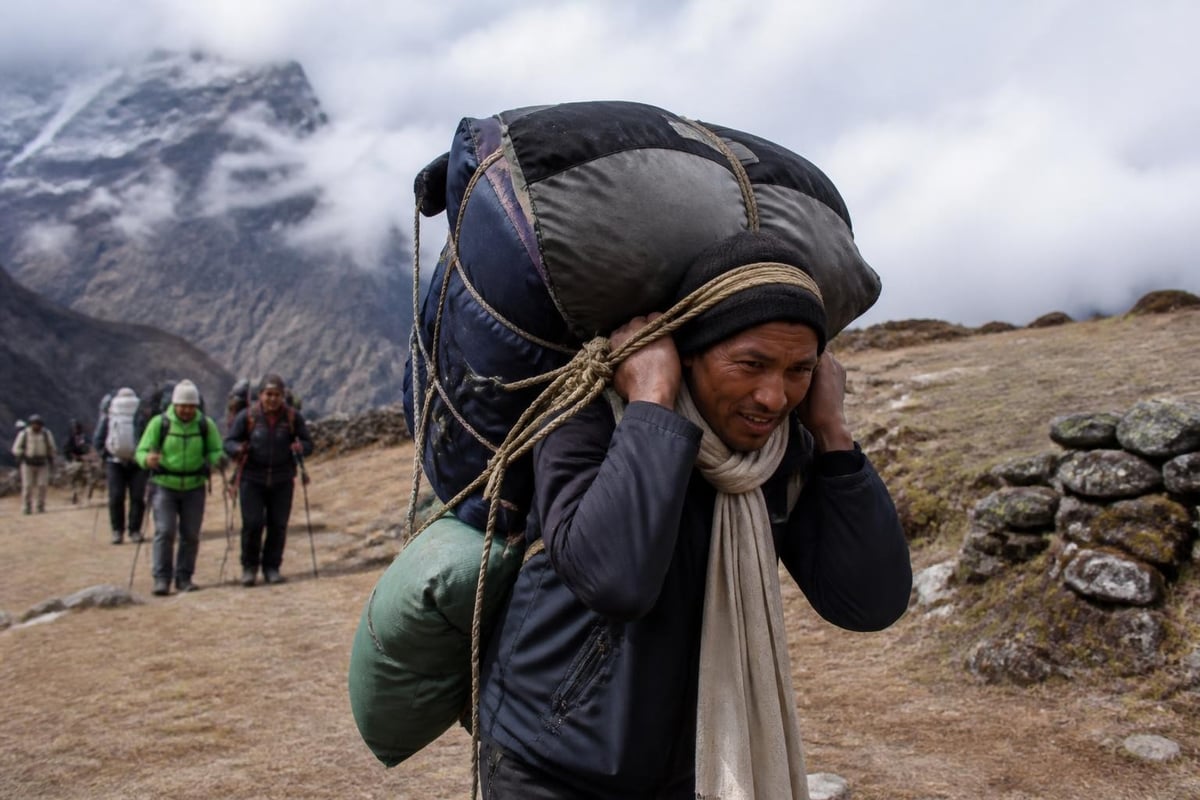
Successful porter hiking begins with thorough preparation and clear communication. Start by assessing your fitness level, time availability, and trekking objectives. Different routes require varying levels of support, and understanding your needs helps match you with appropriate services.
Selecting the Right Package
Mount Rinjani offers multiple trekking options accommodating different schedules and experience levels. The 3-day, 2-night summit trek via the Torean trail provides comprehensive porter support while showcasing spectacular volcanic landscapes. This package includes all necessary camping equipment, meals, and professional guidance, allowing trekkers to focus entirely on the climb and summit achievement.
Package selection depends on several factors:
- Available time for the expedition
- Physical fitness and altitude experience
- Desired destinations (crater rim, summit, lake, hot springs)
- Group size and composition
- Budget considerations for comprehensive support
Most porter hiking services operate on pre-planned itineraries with established campsites and meal schedules. This structure ensures efficient logistics while maintaining flexibility for weather conditions or group pace variations.
What to Expect During Porter Hiking
Understanding daily routines helps set realistic expectations for porter-supported treks. Typical days begin early, often before sunrise, to maximize favorable weather conditions and reach destinations before afternoon clouds or rain.
Morning routine:
- Wake-up call around 4:00-5:00 AM
- Hot beverage and light breakfast
- Pack personal day items
- Brief team meeting for day overview
- Begin hiking while porters break camp
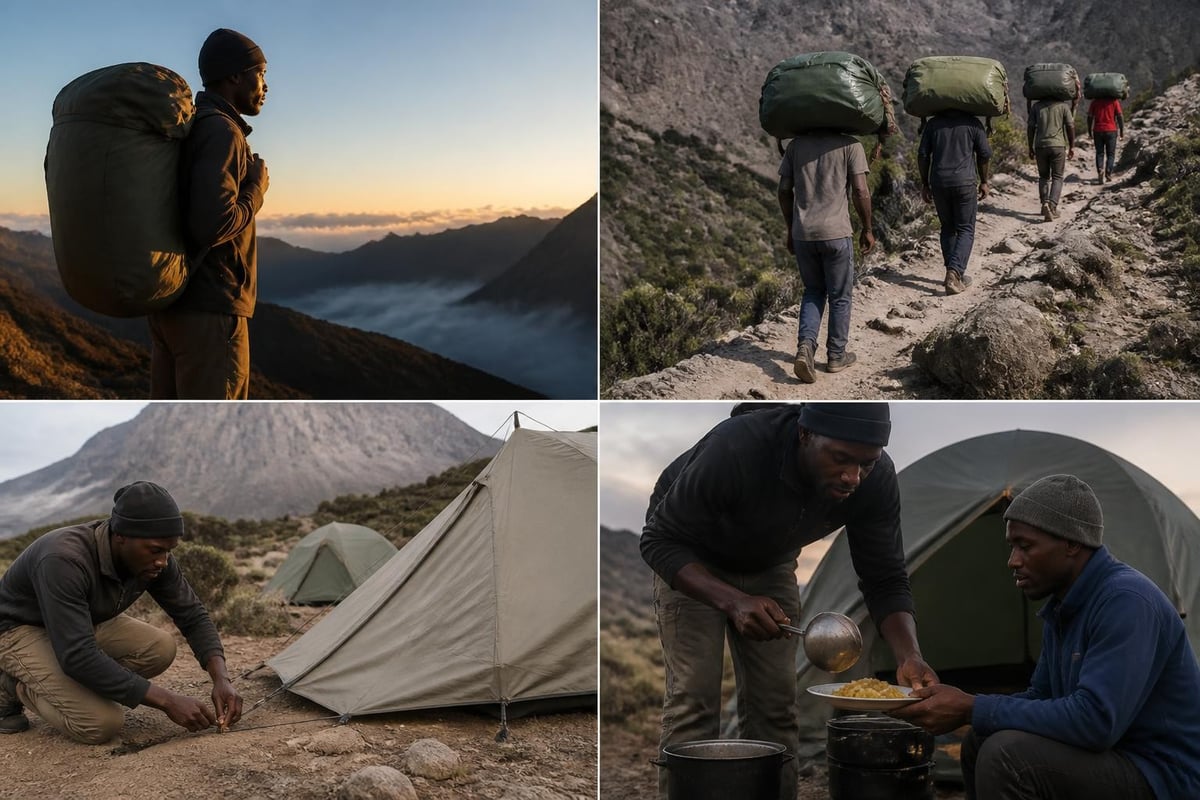
Porters typically depart after trekkers, yet arrive at the next campsite first due to their knowledge of shortcuts and optimal pace. Upon arrival, hikers find tents erected, water boiled, and meal preparation underway. This service allows immediate rest and recovery rather than setting up camp after exhausting climbs.
Interaction with Porter Teams
Building positive relationships with porter teams enhances the overall experience. Simple gestures like learning basic Indonesian phrases, showing appreciation for their work, and respecting their expertise create mutual goodwill. Many porters possess fascinating stories about the mountain and local culture that enrich the trekking experience beyond physical achievement.
| Time | Activity | Porter Role | Trekker Focus |
|---|---|---|---|
| 5:00 AM | Departure | Breaking camp, packing gear | Hiking with day pack |
| 12:00 PM | Lunch stop | Preparing hot meal | Resting, eating, hydrating |
| 3:00 PM | Camp arrival | Setting up tents, cooking | Relaxing, photography |
| 6:00 PM | Dinner | Serving meal, cleaning | Socializing, planning |
Understanding these dynamics helps trekkers appreciate the coordination required for successful expeditions and the professional expertise porter teams bring to mountain environments.
Training and Preparation for Porter Hiking
While porter hiking reduces physical demands, adequate preparation remains essential for enjoyment and safety. Focus training on cardiovascular endurance, leg strength, and hiking-specific movements. Even with lighter packs, multi-day treks at altitude require fitness beyond normal daily activity.
Recommended preparation timeline:
- 3 months before: Begin cardiovascular training (running, cycling, swimming)
- 2 months before: Add weighted pack walks, gradually increasing distance
- 1 month before: Practice hiking on varied terrain including hills
- 2 weeks before: Reduce intensity, focus on rest and recovery
Mental preparation proves equally important. Research your destination through photos, videos, and trip reports. Understanding trail characteristics, weather patterns, and potential challenges builds confidence and reduces anxiety about the unknown.
Essential Gear for Trekkers
Despite porter support, trekkers must carry certain personal items. Your day pack should include:
- Water supply (2-3 liters depending on section)
- High-energy snacks and electrolyte supplements
- Rain jacket and insulating layer
- Sun protection (hat, sunglasses, sunscreen)
- First aid kit with personal medications
- Camera and phone with backup batteries
- Headlamp with extra batteries
- Toiletries and hand sanitizer
Porters carry sleeping bags, tents, clothing changes, and other heavy equipment. Confirm exactly what your porter service includes and pack accordingly. Weight limits for day packs typically range from 5-7 kg, ensuring comfortable hiking while maintaining necessary safety items.
Porter Hiking Across Different Regions
Porter hiking practices vary significantly across global trekking destinations. Each region has developed unique systems based on terrain, cultural traditions, and tourism infrastructure. Understanding these differences helps trekkers appreciate local customs and adjust expectations appropriately.
In Indonesia's volcanic regions, porter teams typically consist of local community members who possess generational knowledge of mountain conditions. This intimate familiarity with terrain, weather patterns, and safe routes contributes significantly to expedition success. The system supports local economies directly, providing income to rural communities near popular trekking destinations.
Regional Comparison
| Region | Porter Load Limit | Typical Team Size | Cultural Significance |
|---|---|---|---|
| Indonesia (Rinjani) | 20-25 kg | 2-3 per trekker | Community employment |
| Nepal (Himalaya) | 25-30 kg | 1-2 per trekker | Traditional profession |
| Tanzania (Kilimanjaro) | 15-20 kg | 3-4 per trekker | Regulated industry |
| Peru (Inca Trail) | 20 kg | 1-2 per trekker | Cultural heritage |
These variations reflect local regulations, terrain difficulty, and cultural practices. Researching destination-specific porter systems helps trekkers understand what to expect and how their participation supports local communities. For those planning to explore Mount Rinjani, Indonesian porter services offer excellent value with professional standards and genuine hospitality.
Environmental Impact and Sustainability
Responsible porter hiking includes environmental stewardship that preserves mountain ecosystems for future generations. Professional porter services follow leave-no-trace principles, ensuring campsites remain pristine and waste management protocols protect water sources and wildlife habitats.
Key environmental practices include:
- Packing out all non-biodegradable waste
- Using designated toilet areas away from water sources
- Minimizing campfire impact through portable stoves
- Staying on established trails to prevent erosion
- Respecting wildlife and maintaining safe distances
Porter teams play crucial roles in environmental protection by educating trekkers about proper practices and ensuring compliance throughout expeditions. Their knowledge of sensitive areas helps groups avoid damage to fragile alpine vegetation and protected zones.
Supporting Conservation Efforts
Many trekking companies contribute directly to conservation through park fees, trail maintenance programs, and community education initiatives. When selecting porter hiking services, consider operators who demonstrate environmental commitment beyond minimum requirements. These investments ensure trail systems remain accessible while protecting the natural beauty that attracts visitors.
The broader destinations available throughout Lombok showcase how sustainable tourism can benefit both visitors and local ecosystems. Proper porter support systems enable access to remote areas while maintaining the environmental integrity that makes these locations special.
Health and Safety Considerations
Porter hiking enhances safety through professional support, yet trekkers must still understand potential health risks and appropriate responses. Altitude sickness remains the primary concern on high-elevation treks, affecting individuals regardless of fitness level. Symptoms include headache, nausea, dizziness, and fatigue.
Prevention strategies:
- Ascend gradually with proper acclimatization days
- Maintain hydration at 3-4 liters daily
- Avoid alcohol and sleeping medications
- Recognize early symptoms and communicate with guides
- Descend immediately if severe symptoms develop
Professional porter teams receive training in altitude illness recognition and emergency response procedures. Their experience helps identify concerning symptoms early, potentially preventing serious complications. This expertise represents another significant benefit of choosing established porter hiking services over independent trekking.
Emergency Protocols
Understanding evacuation procedures provides peace of mind during remote expeditions. Reputable companies maintain communication equipment, evacuation plans, and relationships with medical facilities. Porter teams can assist injured or ill trekkers down difficult terrain, often making the difference in emergency situations.
Insurance coverage should include mountain rescue and emergency evacuation expenses. Verify policy details before departure, ensuring adequate protection for your planned elevation and activity level. This preparation, combined with professional porter support, creates comprehensive safety systems for challenging mountain environments.
Maximizing Your Porter Hiking Experience
Getting the most from porter hiking involves active participation, cultural awareness, and appreciation for the complete experience. Rather than viewing porters as mere service providers, recognize them as integral team members whose expertise enables your mountain adventure.
Communication proves essential despite potential language barriers. Learn basic greetings and courtesy phrases in the local language. Express gratitude for meals, acknowledge physical effort, and show interest in porter perspectives about the mountain. These small gestures build rapport and often lead to enriched cultural exchanges that become trip highlights.
Photography etiquette deserves consideration. Always request permission before photographing porters or their activities. Many professionals appreciate recognition of their work, yet respect for privacy and dignity should guide all interactions. Consider exploring photography opportunities that capture landscape beauty while honoring the people who make these adventures possible.
Creating Lasting Memories
Porter hiking removes logistical burdens that often dominate independent trekking experiences. This freedom allows greater presence in spectacular mountain environments. Take time to observe sunrise from high camps, identify unique flora and fauna, and simply absorb the profound silence of alpine wilderness.
Journaling during rest periods helps preserve memories and reflections that fade quickly after returning to normal routines. Note specific moments, interesting conversations, physical sensations, and emotional responses to the journey. These records become treasured reminders of personal achievement and natural beauty witnessed during your expedition.
The combination of professional support, physical challenge, and spectacular scenery creates transformative experiences that extend beyond simple recreation. Porter hiking enables deeper engagement with both mountain environments and local cultures, fostering appreciation that lasts long after summit celebrations end.
Porter hiking offers an accessible, safe, and culturally rich approach to mountain trekking that benefits both visitors and local communities. By understanding ethical practices, preparing adequately, and choosing responsible operators, trekkers can enjoy challenging expeditions while supporting sustainable tourism development. Hiking Mount Rinjani provides professional porter services, experienced guides, and comprehensive support systems that ensure successful, memorable treks across Indonesia's spectacular volcanic landscapes. Contact them today to begin planning your next mountain adventure with confidence.