
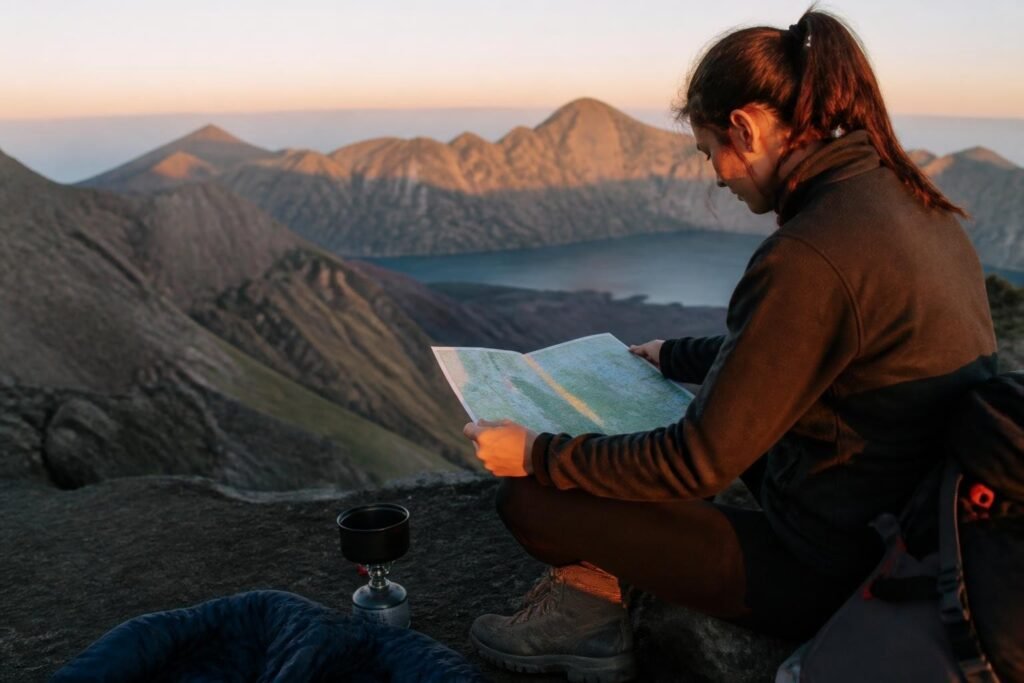
Mountain trekking offers unparalleled opportunities to connect with nature, challenge personal limits, and experience breathtaking landscapes. However, the rewards of high-altitude adventures come with inherent risks that demand careful preparation and adherence to safety protocols. Whether you're planning to summit Mount Rinjani in Indonesia or explore other mountainous terrain, understanding and implementing safe trekking practices is essential for transforming potential hazards into manageable challenges. This comprehensive guide explores the fundamental principles, equipment requirements, and strategic approaches that enable trekkers to enjoy mountain environments while minimizing risk and maximizing the adventure experience.
Understanding the Foundations of Safe Trekking
Safe trekking begins long before you set foot on the trail. The foundation of any successful mountain adventure rests on thorough preparation, realistic self-assessment, and commitment to proven safety principles.
Physical Preparation and Fitness Assessment
Physical conditioning represents one of the most critical yet frequently overlooked aspects of trek safety. Your body needs adequate cardiovascular endurance, muscular strength, and flexibility to handle steep ascents, uneven terrain, and extended periods of physical exertion at varying altitudes.
Key fitness components for mountain trekking include:
- Cardiovascular endurance for sustained climbing over multiple hours
- Leg strength to support body weight plus pack load on steep terrain
- Core stability for balance on uneven surfaces
- Ankle flexibility and strength to prevent common injuries
- Respiratory capacity for high-altitude environments
Begin conditioning at least 8-12 weeks before your planned trek. Focus on activities that simulate mountain conditions, such as stair climbing with a weighted pack, hill running, and extended hiking sessions. Gradually increase both distance and elevation gain to build endurance progressively.
Route Research and Planning
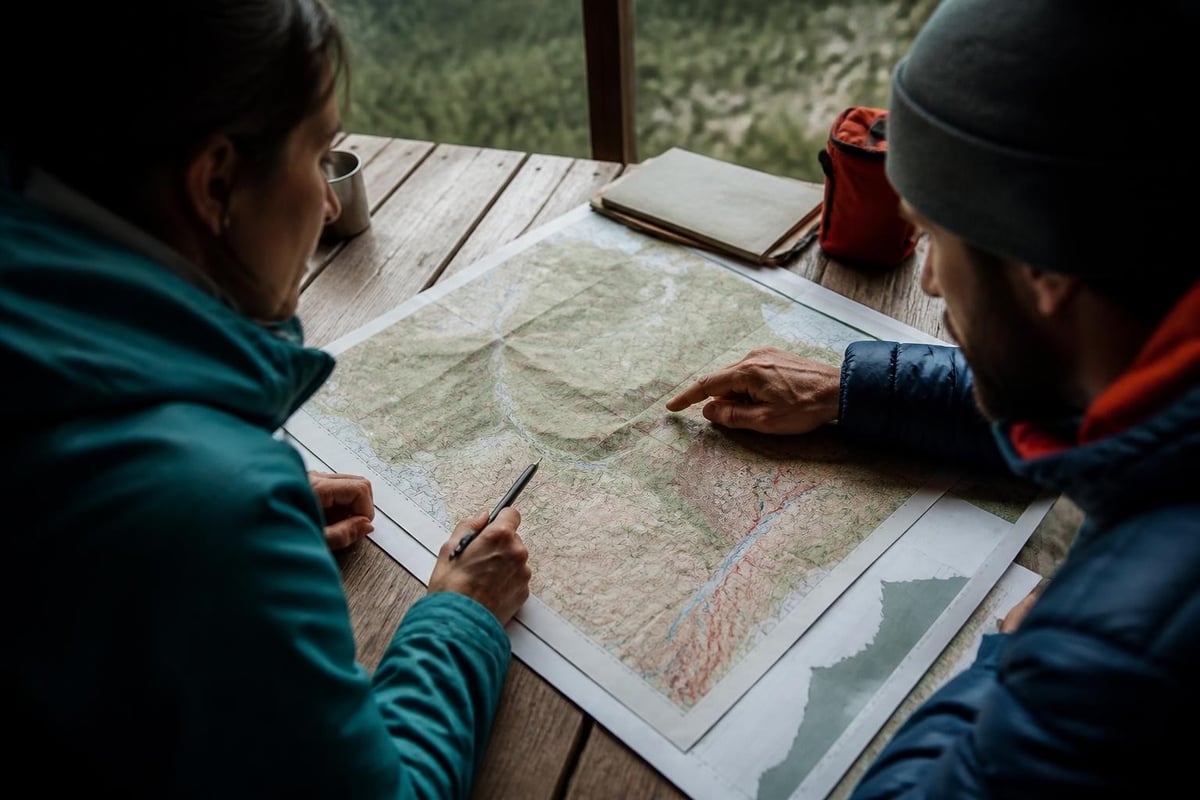
Comprehensive route research forms the cornerstone of safe trekking. Understanding your chosen trail's specific challenges, technical requirements, and environmental conditions enables informed decision-making and appropriate preparation. The U.S. National Park Service emphasizes the importance of thorough planning as a fundamental safety measure for all hiking activities.
| Planning Element | Information Required | Resources Needed |
|---|---|---|
| Trail Difficulty | Technical rating, elevation gain, distance | Trail guides, topographic maps |
| Weather Patterns | Seasonal conditions, temperature ranges | Local meteorological data |
| Water Sources | Location, reliability, treatment needs | Trail reports, guide services |
| Emergency Access | Evacuation routes, communication zones | Park authorities, rescue services |
| Permit Requirements | Regulations, quotas, fees | Official park websites |
When planning treks on Mount Rinjani through Hiking Mount Rinjani, experienced guides provide detailed trail information and assess route conditions based on current weather patterns and group capabilities.
Essential Gear and Equipment Selection
Proper equipment selection can mean the difference between a successful adventure and a dangerous situation. Safe trekking demands careful attention to gear quality, functionality, and suitability for specific environmental conditions.
The Critical Gear Checklist
Your equipment list should address the fundamental needs of protection, navigation, and survival. Each item serves a specific purpose in maintaining safety throughout your trek.
Navigation and communication tools:
- Detailed topographic maps of the entire route
- Reliable compass with declination adjustment
- GPS device with fully charged batteries
- Emergency communication device or satellite phone
- Whistle for emergency signaling
Clothing and protection systems:
- Moisture-wicking base layers for temperature regulation
- Insulating mid-layers appropriate for expected temperatures
- Waterproof and windproof outer shell
- Quality hiking boots with ankle support and proven fit
- Sun protection including hat, sunglasses, and sunscreen
The layering system enables quick adaptation to changing mountain weather. Temperatures can fluctuate dramatically with altitude changes, and conditions may shift rapidly from sunny to stormy.
Food, Water, and Hydration Strategy
Proper nutrition and hydration directly impact both performance and safety during mountain treks. Dehydration and inadequate caloric intake lead to fatigue, impaired judgment, and increased injury risk.
Hydration guidelines for safe trekking:
- Carry minimum 2-3 liters of water capacity
- Drink regularly before feeling thirsty (approximately 0.5 liters per hour)
- Increase intake at higher altitudes
- Use water purification tablets or filtration systems
- Monitor urine color as hydration indicator
Pack high-energy, nutrient-dense foods that provide sustained energy release. Trail mix, energy bars, dried fruits, nuts, and complex carbohydrates offer optimal fuel for extended physical exertion. Plan for 2,500-4,000 calories per day depending on trek intensity and individual metabolism.
Navigation Skills and Trail Awareness
Even with modern GPS technology, traditional navigation skills remain essential for safe trekking. Technology can fail due to battery depletion, water damage, or satellite signal loss in steep terrain.
Map Reading and Terrain Interpretation
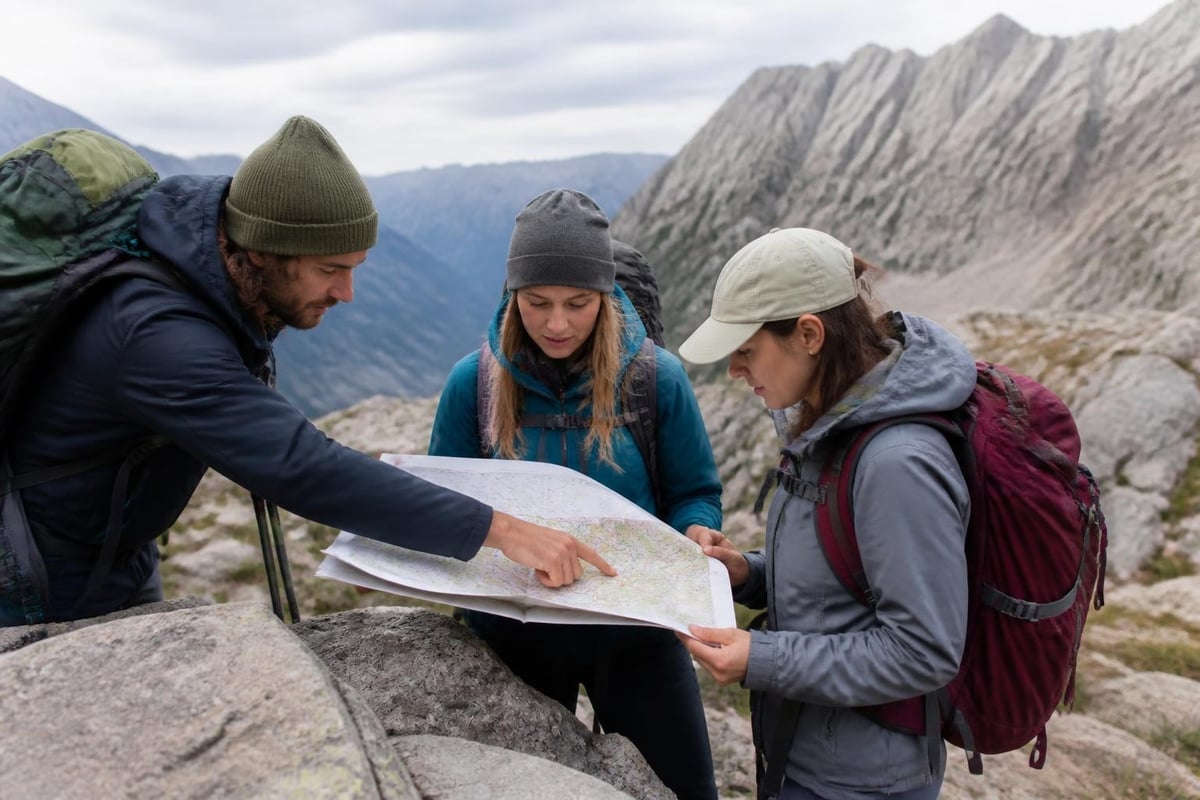
Understanding topographic maps enables you to anticipate trail conditions, identify landmarks, and maintain situational awareness. Contour lines reveal elevation changes, helping you estimate time requirements and physical demands for different trail sections.
Practice identifying these map features:
- Saddles and passes indicating route through mountain ranges
- Ridgelines offering potential emergency descent routes
- Water sources marked along the trail corridor
- Potential hazard zones including cliff bands and avalanche terrain
- Vegetation changes indicating altitude zones
Weather Monitoring and Response
Mountain weather presents one of the most dynamic and potentially dangerous elements of any trek. Mount Rainier National Park provides detailed guidance on understanding weather considerations specific to mountain environments.
Monitor these weather indicators throughout your trek:
- Cloud formation patterns and movement direction
- Wind speed and temperature changes
- Barometric pressure trends (if carrying an altimeter)
- Visibility conditions and fog development
- Lightning activity and storm approach
Establish clear turnaround criteria before beginning each day's trek. These predetermined decision points help prevent summit fever from overriding sound judgment. If weather deteriorates beyond acceptable parameters, descending to safer elevations takes priority over reaching any destination.
Health and Medical Preparedness
Medical emergencies in remote mountain environments require self-sufficiency and immediate response capability. The nearest medical facility may be hours or days away, making prevention and first-response skills critical components of safe trekking.
Altitude Sickness Prevention and Recognition
Acute Mountain Sickness (AMS) affects many trekkers ascending above 2,500 meters. Understanding symptoms and implementing proper acclimatization protocols significantly reduces risk. Healthline’s medically reviewed guidance provides comprehensive information on altitude-related health concerns.
| Altitude Sickness Stage | Symptoms | Required Action |
|---|---|---|
| Mild AMS | Headache, nausea, fatigue, dizziness | Rest, hydrate, avoid further ascent |
| Moderate AMS | Severe headache, vomiting, weakness | Descend 300-500 meters immediately |
| Severe AMS (HACE/HAPE) | Confusion, difficulty breathing, cough | Emergency descent and evacuation |
Acclimatization best practices:
- Ascend gradually (maximum 300-500 meters elevation gain per day above 3,000 meters)
- "Climb high, sleep low" when possible
- Stay well-hydrated (minimum 3-4 liters daily at altitude)
- Avoid alcohol and sleeping medications
- Recognize early symptoms and respond immediately
Comprehensive First Aid Kit
Your medical kit should address common trekking injuries while remaining lightweight and organized. Include medications for altitude sickness, pain management, gastrointestinal issues, and wound care.
Essential first aid supplies include blister treatment materials, elastic bandages for sprains, antiseptic wipes, adhesive bandages in various sizes, pain relievers, antihistamines, and any personal prescription medications with extras beyond trip duration.
Group Dynamics and Communication Protocols
Safe trekking extends beyond individual preparation to encompass group coordination and clear communication systems. Whether trekking with friends, family, or through an organized service, establishing protocols enhances safety for all participants.
The Buddy System and Group Management
Never trek alone in remote mountain environments. The Georgia Department of Natural Resources emphasizes the buddy system as a fundamental safety practice. Partners provide assistance during injuries, share navigation responsibilities, and offer critical support in emergency situations.
For larger groups, establish these organizational elements:
- Designated leader with route-finding responsibility
- Sweep person ensuring no one falls behind
- Regular headcount and group reassembly points
- Communication system for maintaining contact
- Emergency protocol understanding by all members
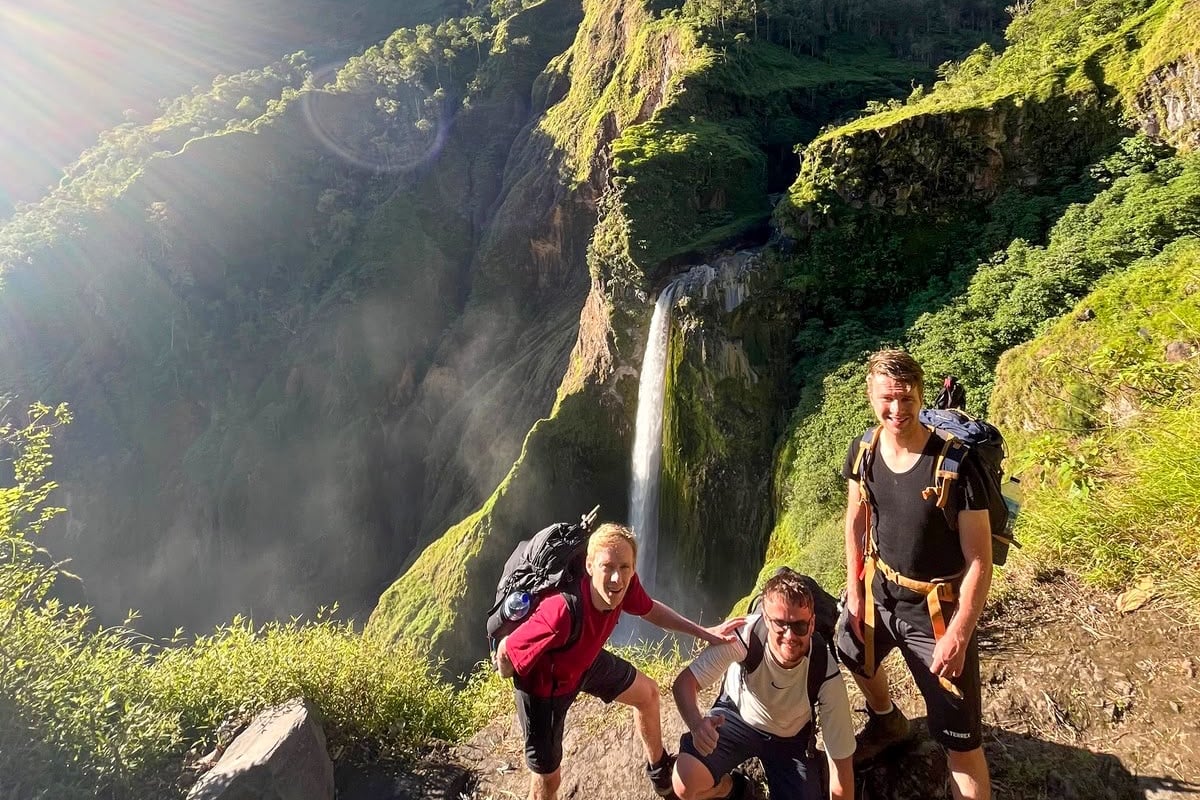
When trekking Mount Rinjani, choosing experienced guide services ensures professional group management and safety oversight. The 3-day, 2-night summit package provides comprehensive support with skilled guides who understand the mountain's unique challenges and maintain group safety throughout the journey.
Emergency Communication Plans
Establish comprehensive communication plans before beginning your trek. Share detailed itineraries with reliable contacts who can initiate rescue operations if you fail to check in at specified times.
Your emergency communication plan should include:
- Complete route description with daily waypoints
- Expected timeline with checkpoint dates and times
- Emergency contact numbers for local rescue services
- Description of your group including number of participants
- Equipment inventory including emergency gear
Carry emergency communication devices appropriate for your destination. Satellite messengers enable two-way communication even without cellular coverage, providing both peace of mind and critical emergency access.
Environmental Awareness and Wildlife Safety
Mountain environments present diverse hazards beyond weather and altitude. Understanding local wildlife, vegetation hazards, and environmental risks contributes significantly to safe trekking outcomes.
Wildlife Encounter Prevention
Different mountain regions host various wildlife species requiring specific awareness and response protocols. Research animals common to your trekking area and understand appropriate encounter responses.
General wildlife safety principles include making noise while hiking to avoid surprising animals, storing food properly to prevent attracting wildlife to campsites, maintaining safe observation distances, and never feeding wild animals under any circumstances.
Trail Etiquette and Environmental Protection
Safe trekking includes environmental responsibility. Staying on established trails prevents erosion, protects fragile alpine vegetation, and reduces the risk of getting lost. The principle of Leave No Trace ensures mountain environments remain pristine for future generations.
Core Leave No Trace principles:
- Pack out all waste including organic materials
- Use designated campsites when available
- Minimize campfire impacts or use stoves only
- Respect wildlife and observe from distance
- Be considerate of other trail users
Learn more about responsible trekking practices specific to Mount Rinjani and surrounding areas through experienced local operators who prioritize environmental conservation.
Risk Assessment and Decision-Making
Perhaps the most critical skill in safe trekking involves ongoing risk assessment and willingness to make difficult decisions. Summit fever, group pressure, and schedule commitments can cloud judgment, leading to dangerous choices.
Continuous Risk Evaluation
Evaluate conditions continuously throughout your trek. Circumstances that seemed acceptable during planning may change dramatically due to weather shifts, injury, equipment failure, or unexpected trail conditions.
Ask these questions regularly:
- Do current conditions match our initial planning assumptions?
- Is everyone in our group maintaining adequate energy and health?
- Are we on schedule, or has the route proven more challenging than expected?
- Do weather forecasts support continuing our planned route?
- Can we safely reach our destination before nightfall?
The Decision to Turn Back
Turning around represents success, not failure. Many serious mountain accidents occur when parties push forward despite deteriorating conditions or inadequate time. Great Smoky Mountains National Park emphasizes planning ahead and being prepared to modify plans based on actual conditions.
Establish objective turnaround times before beginning each day. Regardless of how close you are to your goal, if you reach the predetermined time, descend immediately. Mountains remain, and safe trekking prioritizes survival over summits.
Training and Skill Development
Investing in formal training significantly enhances safe trekking capabilities. Wilderness first aid certification, navigation courses, and technical skills instruction provide knowledge and confidence for handling challenging situations.
Wilderness First Aid Certification
Wilderness First Aid (WFA) or Wilderness First Responder (WFR) courses teach medical response specific to remote environments where evacuation takes hours or days. These certifications cover injury assessment, treatment improvisation, patient monitoring, and evacuation decision-making.
Navigation and Route-Finding Courses
Formal instruction in map reading, compass use, and GPS operation builds navigation confidence. Practice these skills in controlled environments before depending on them in challenging mountain terrain. Many outdoor recreation organizations offer weekend courses covering fundamental wilderness navigation.
Skills to develop through formal training:
- Topographic map interpretation and route planning
- Compass bearing calculation and following
- GPS waypoint programming and track recording
- Dead reckoning in poor visibility conditions
- Terrain association for location confirmation
Regular practice maintains these perishable skills. Plan training hikes specifically to practice navigation, even on familiar trails.
Seasonal Considerations and Timing
Safe trekking requires understanding how seasons affect mountain conditions. The same trail presents vastly different challenges in summer versus winter, and shoulder seasons often combine the worst aspects of both.
Optimal Trekking Windows
Research the ideal trekking season for your chosen destination. Most mountains have specific windows when weather patterns are most stable and trail conditions are optimal. For information about the best time to hike Mount Rinjani, local experts provide detailed seasonal guidance.
| Season | Conditions | Considerations |
|---|---|---|
| Dry Season | Stable weather, clear trails | Higher temperatures, limited water |
| Wet Season | Abundant water, cooler temperatures | Muddy trails, increased storm risk |
| Shoulder Season | Variable conditions | Unpredictable weather, mixed trail conditions |
Daily Timing and Pace Management
Start early to maximize daylight hours and complete challenging sections during cooler morning temperatures. Alpine starts (beginning before sunrise) provide more time for unexpected delays while ensuring afternoon return to camp or trailhead.
Maintain sustainable pacing throughout the trek. The "conversation pace" principle suggests you should be able to speak in complete sentences while hiking. If breathing becomes too labored for normal conversation, reduce your pace to prevent exhaustion.
Safe trekking transforms mountain adventures from risky endeavors into calculated, manageable experiences that provide profound rewards while respecting natural hazards. By prioritizing preparation, maintaining appropriate equipment, developing essential skills, and committing to sound decision-making, trekkers can explore remarkable mountain environments with confidence and security. Hiking Mount Rinjani combines these safety principles with expert local knowledge, providing experienced guides, quality equipment, and comprehensive support to ensure your Mount Rinjani adventure is both safe and unforgettable. Contact our team today to plan your next mountain expedition with professionals who prioritize your safety while delivering extraordinary trekking experiences.