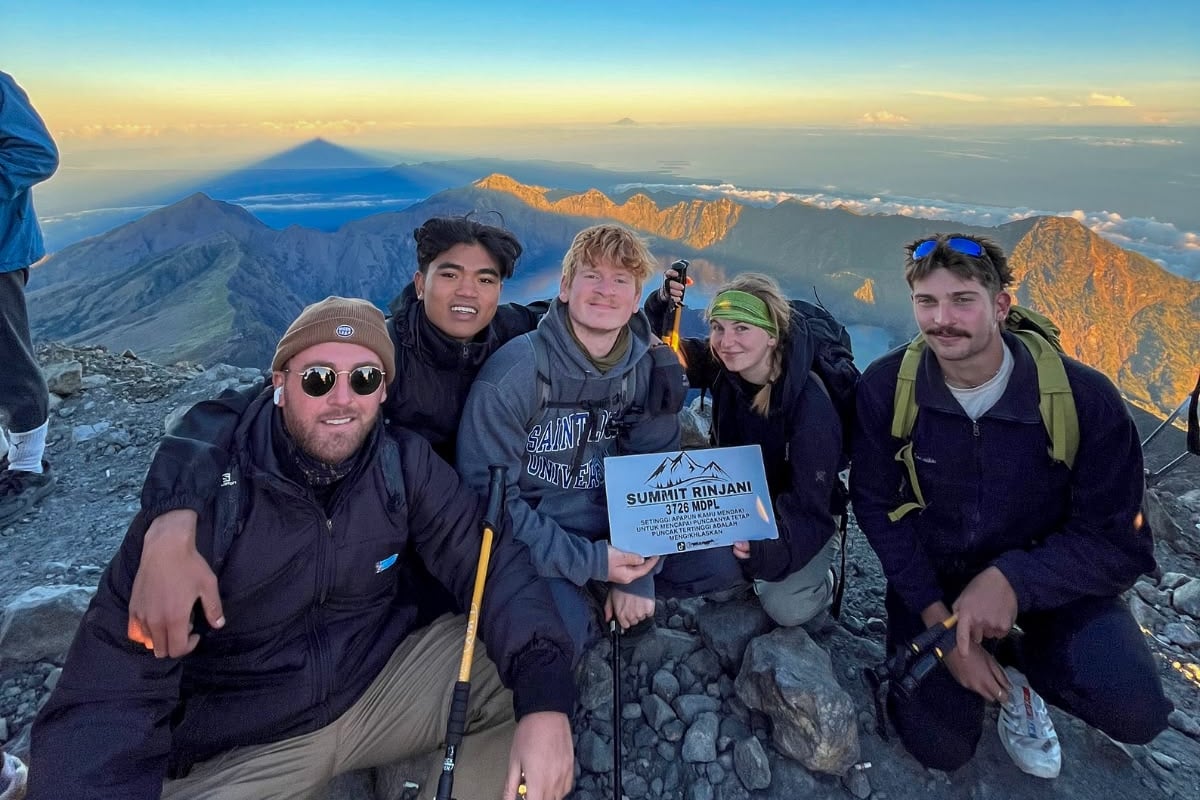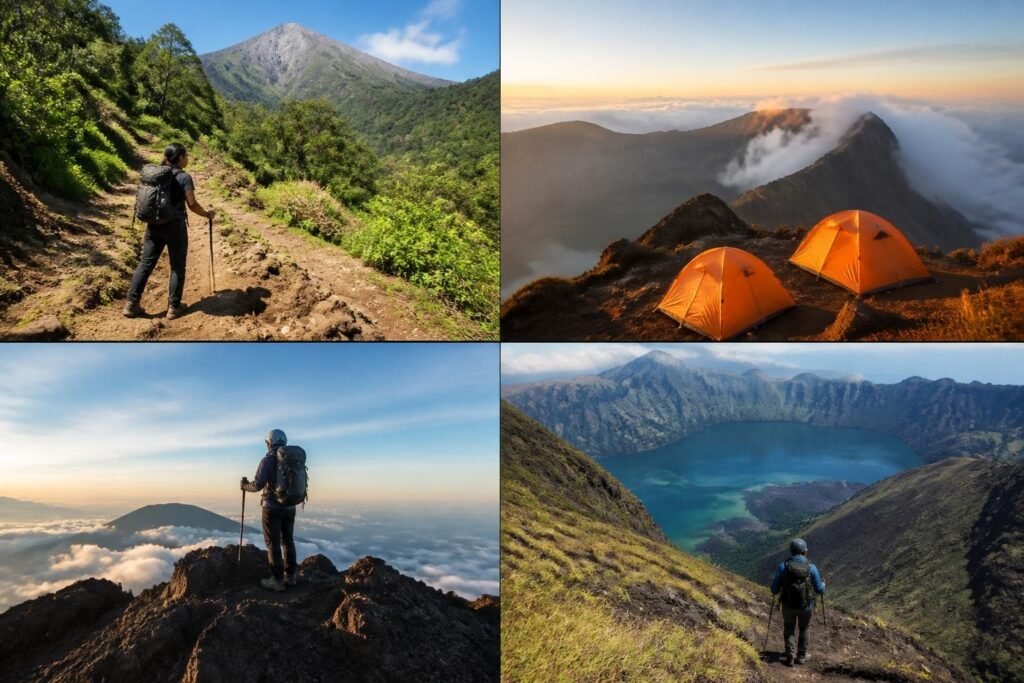
Mount Rinjani stands as Indonesia’s second-highest volcano at 3,726 meters, attracting thousands of adventurous trekkers each year to Lombok Island. The rinjani trek offers one of Southeast Asia’s most challenging yet rewarding mountain experiences, combining volcanic landscapes, pristine crater lakes, and panoramic views that stretch across the Indonesian archipelago. Whether you’re seeking a quick summit push or a multi-day expedition exploring hot springs and waterfalls, understanding the intricacies of this trek ensures you’re properly prepared for the physical demands and environmental conditions ahead.
Understanding the Rinjani Trek Routes
The Mount Rinjani trekking experience varies significantly depending on which route and duration you select. Each trail presents distinct advantages, challenges, and scenic highlights that cater to different fitness levels and time constraints.
Senaru Route Overview
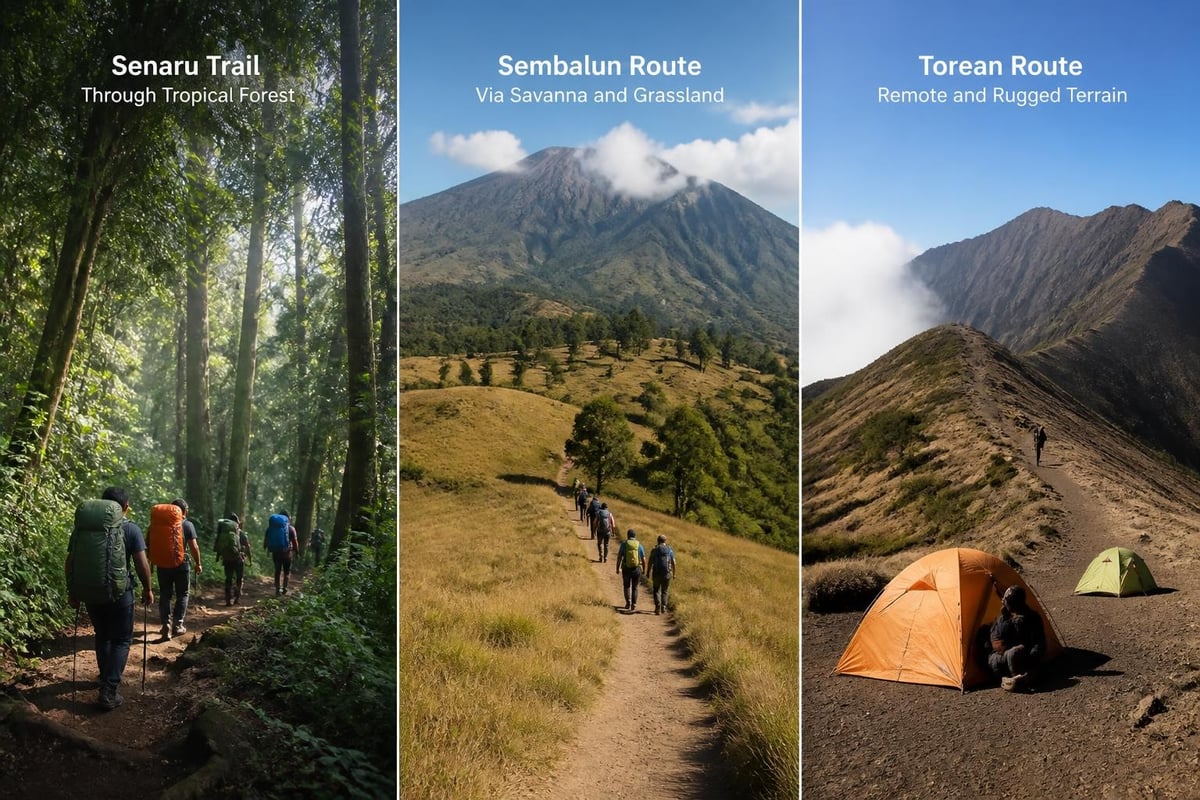
The Senaru trail begins from the northern village of Senaru and represents the traditional approach to Mount Rinjani. This route typically takes trekkers through dense tropical forests before emerging onto volcanic ridges with stunning views of the crater rim.
-
Starting elevation: 601 meters above sea level
-
Distance to crater rim: Approximately 9 kilometers
-
Average ascent time: 7-8 hours to Senaru Crater Rim
-
Difficulty level: Moderate to challenging
The Senaru approach offers gradual elevation gain during the initial forest section, allowing trekkers to acclimate before tackling steeper volcanic terrain. Many trekkers appreciate this route’s well-established campsites and water sources along the trail.
Sembalun Route Characteristics
Starting from the eastern village of Sembalun, this route begins at a higher elevation and traverses open savannah grasslands before ascending the volcanic cone. The Sembalun trail provides less shade but offers expansive views throughout the journey.
|
Route Feature |
Senaru |
Sembalun |
|---|---|---|
|
Starting Elevation |
601m |
1,150m |
|
Vegetation Type |
Dense Forest |
Open Grassland |
|
Summit Access |
Via Crater Rim |
Direct Approach |
|
Water Availability |
Multiple Sources |
Limited Sources |
The Sembalun route reduces overall elevation gain but presents more exposed conditions during sunny days. Trekkers should prepare for intense sun exposure and carry adequate water supplies.
Torean Trail Innovation
The newest addition to rinjani trek options, the Torean route opened in 2021 and quickly gained popularity among both domestic and international hikers. This trail showcases unique geological formations reminiscent of prehistoric landscapes.
The Torean approach combines elements of both traditional routes while introducing fresh perspectives of Mount Rinjani’s diverse ecosystems. Those seeking comprehensive Mount Rinjani tours often select multi-day packages incorporating this trail for its distinctive scenery and relatively uncrowded conditions.
Essential Permits and Regulations
Mount Rinjani National Park enforces strict regulations to protect the fragile volcanic ecosystem and ensure trekker safety. Understanding these requirements prevents complications during your journey.
Mandatory E-Ticket System
Since 2024, all trekkers must obtain electronic permits through the official Mount Rinjani National Park booking system. The trekking regulations specify that independent trekking is prohibited-all visitors must hire licensed guides and porters.
Permit requirements include:
-
Valid passport or Indonesian ID card
-
Completed health declaration form
-
Proof of trek insurance coverage
-
Confirmed booking with licensed operator
The permit system tracks daily visitor numbers to prevent overcrowding and minimize environmental impact. During peak seasons (July-August), permits sell out weeks in advance, making early booking essential.
Licensed Guide Requirements
Every rinjani trek must include at least one certified guide who has completed official training programs. These professionals possess crucial knowledge about weather patterns, emergency protocols, and altitude sickness management.
Licensed guides ensure compliance with Leave No Trace principles, including proper waste management and campfire regulations. They also coordinate with porter teams to distribute gear efficiently and maintain appropriate trekking pace.
Physical Preparation and Fitness Level
The rinjani trek demands significant physical endurance and mental resilience. Adequate preparation distinguishes successful summit attempts from disappointing turnarounds.
Cardiovascular Training
Begin cardiovascular conditioning at least 8-12 weeks before your scheduled trek. Focus on activities that simulate sustained uphill movement and elevated heart rates.
-
Week 1-4: Build base endurance with 30-45 minute sessions, three times weekly
-
Week 5-8: Increase intensity with interval training and longer sessions (60-90 minutes)
-
Week 9-12: Add weighted pack training with 8-10 kg loads during hikes
According to comprehensive trekking guides, hikers who maintain regular cardiovascular exercise report significantly lower difficulty ratings and higher enjoyment levels.
Strength and Stability Training
Core strength and leg stability prevent injuries during steep descents and volcanic scree crossings. Target major muscle groups used during extended hiking.
|
Exercise Type |
Weekly Frequency |
Target Benefit |
|---|---|---|
|
Squats/Lunges |
3-4 sessions |
Quadricep strength |
|
Step-ups |
2-3 sessions |
Climbing power |
|
Planks |
Daily |
Core stability |
|
Single-leg balance |
Daily |
Ankle strength |
Incorporating yoga or Pilates improves flexibility and balance, particularly valuable when navigating uneven volcanic terrain. Many experienced trekkers recommend practicing on stairs with a loaded backpack to simulate actual trekking conditions.

Packing Essentials and Gear Selection
Proper equipment makes the difference between comfortable trekking and miserable suffering. The rinjani trek’s varying elevations create diverse weather conditions requiring strategic packing.
Clothing Layers System
Temperature fluctuations between base camp and summit exceed 20 degrees Celsius. Smart layering accommodates these extreme variations.
Base layers should include moisture-wicking materials that dry quickly during strenuous ascents. Avoid cotton fabrics that retain sweat and cause chilling during rest periods.
Insulation layers provide warmth at high-altitude camps where nighttime temperatures drop near freezing. Synthetic or down jackets offer efficient warmth-to-weight ratios essential for backpacking.
Shell layers protect against wind and occasional rain. Waterproof-breathable jackets prevent both external moisture and internal condensation buildup.
Technical Equipment Needs
Beyond clothing, specific technical gear enhances safety and comfort throughout your rinjani trek journey. Quality equipment justifies its cost through reliability during challenging conditions.
-
Headlamp with extra batteries: Summit attempts begin at 2:00 AM in complete darkness
-
Trekking poles: Reduce knee strain by 25-30% during descents
-
Sleeping bag rated to -5°C: Crater rim temperatures regularly drop below freezing
-
Water purification tablets: Backup for treating natural water sources
-
Sunscreen SPF 50+: High-altitude UV exposure intensifies dramatically
When booking with established operators, verify what equipment comes included versus what you must provide. The porter services typically handle tents, cooking gear, and food supplies, allowing trekkers to carry only personal items.
Safety Considerations and Risk Management
Understanding potential hazards and implementing appropriate precautions protects against serious incidents during your rinjani trek. The safety aspects of this challenging mountain require continuous awareness.
Altitude Sickness Prevention
Acute mountain sickness (AMS) affects approximately 30-40% of trekkers ascending above 3,000 meters. Recognizing early symptoms prevents progression to dangerous conditions.
Common AMS symptoms include:
-
Persistent headache unrelieved by standard pain medication
-
Nausea or vomiting despite adequate hydration
-
Unusual fatigue disproportionate to exertion level
-
Dizziness or loss of coordination
The most effective prevention strategy involves gradual ascent with adequate acclimatization time. Multi-day packages allowing overnight stays at intermediate elevations significantly reduce AMS incidence compared to aggressive 2-day summit pushes.
Weather Pattern Awareness
Mount Rinjani’s weather changes rapidly, particularly during transition periods between dry and wet seasons. Morning conditions rarely predict afternoon developments.
|
Season |
Months |
Conditions |
Trek Suitability |
|---|---|---|---|
|
Dry |
May-October |
Clear skies, minimal rain |
Excellent |
|
Wet |
November-April |
Heavy rain, lightning |
Dangerous/Closed |
|
Transition |
April-May |
Unpredictable storms |
Moderate risk |
Recent incidents, including a tragic accident involving a Brazilian hiker, underscore the importance of following guide instructions and avoiding unnecessary risks during adverse weather.
Emergency Protocol Knowledge
Knowing evacuation procedures and emergency contact information provides crucial backup during critical situations. Licensed guides carry satellite communication devices and first aid certification.
Comprehensive trek insurance covering emergency helicopter evacuation costs $50,000-$100,000 represents a wise investment. Standard travel insurance typically excludes high-altitude trekking activities, requiring specialized adventure coverage.
Optimal Timing and Seasonal Considerations
Selecting the right season dramatically impacts your rinjani trek experience. Weather patterns, trail conditions, and visitor volumes fluctuate significantly throughout the year.
Dry Season Advantages
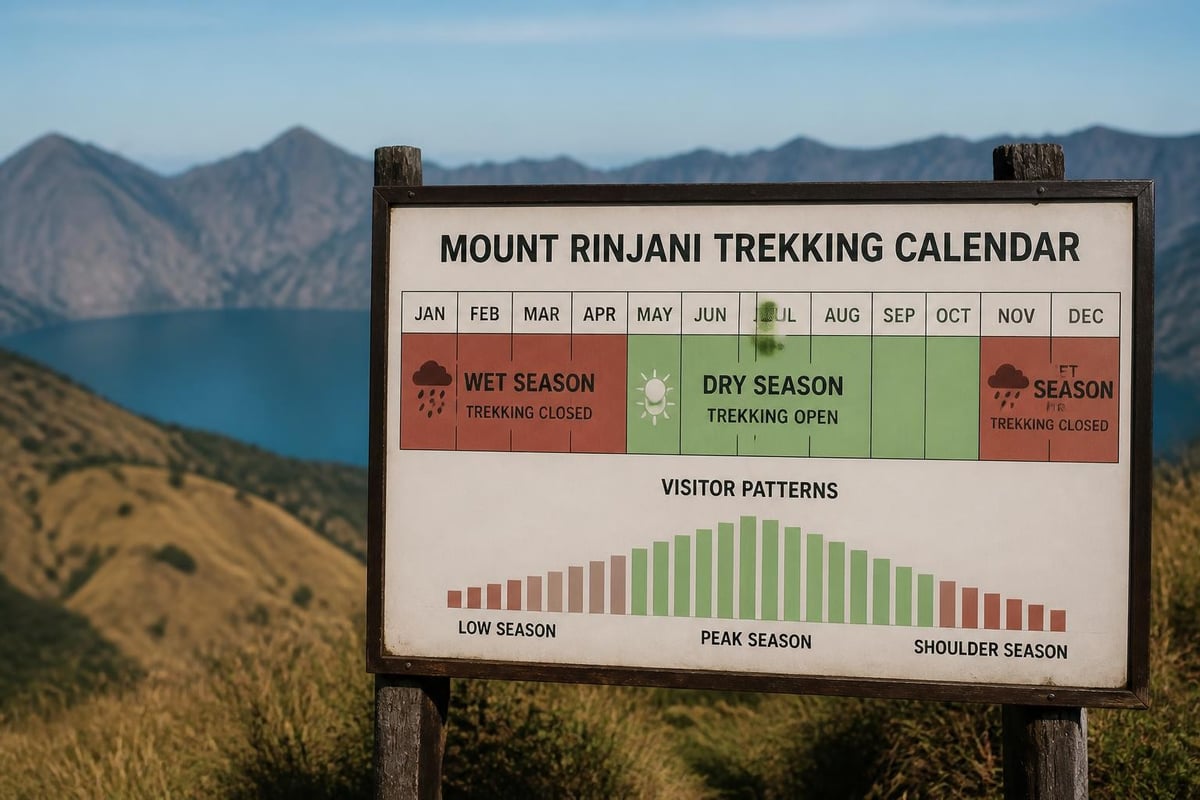
The period from May through October offers the most reliable conditions for summit attempts. Clear skies provide unobstructed sunrise views, while dry trails reduce slipping hazards.
July and August represent peak season when Pelawangan crater rim camps reach maximum capacity. Despite crowding, these months guarantee the highest success rates for reaching the 3,726-meter summit.
May, June, September, and October provide excellent shoulder-season alternatives with fewer crowds and similar weather reliability. Temperatures remain comfortable, and permits book less competitively.
Wet Season Closure
From December through March, Mount Rinjani National Park officially closes to trekkers due to dangerous conditions. Heavy monsoon rains create mudslides, obscure trails, and increase lightning strike risks.
Even during November and April transition months, experienced guides carefully monitor weather forecasts before confirming departures. Flexibility with travel dates during these periods prevents disappointment from last-minute cancellations.
Multi-Day Package Options
The duration you select for your rinjani trek fundamentally shapes the overall experience, physical demands, and scenic highlights encountered. For time-constrained adventurers seeking summit glory, the 2D1N CRATER RIM – SUMMIT package delivers spectacular mountaintop views within a compressed timeframe, though it demands excellent fitness and skips the crater lake exploration.
Two-Day Express Options
Short-duration treks prioritize efficiency over comprehensive exploration. These packages suit trekkers with limited vacation time or those testing their high-altitude capabilities before committing to longer expeditions.
The aggressive ascent schedule requires strong cardiovascular fitness and rapid altitude adaptation. Many participants experience moderate altitude sickness symptoms due to insufficient acclimatization time.
Three-Day Classic Route
The most popular rinjani trek configuration balances accomplishment with manageable daily distances. Three-day packages typically include crater rim camping, summit attempts, and Segara Anak lake visits.
Day 1 involves 7-8 hours hiking to crater rim camps at 2,639 meters elevation. Afternoon arrival allows rest before summit preparations.
Day 2 begins with 2:00 AM wake-up calls for summit attempts, followed by descent to lakeside hot springs. This demanding day spans 10-12 hours total trekking.
Day 3 features leisurely morning soaks in hot springs before 6-7 hour descent to the opposite trailhead, completing the traverse.
Extended Four-Day Expeditions
Additional time transforms the rinjani trek from athletic challenge into immersive nature experience. Four-day packages incorporate rest periods, waterfall visits, and thorough ecosystem exploration.
The extra night at Segara Anak Lake allows complete recovery from summit exertion while enjoying therapeutic hot spring benefits. Trekkers report significantly reduced muscle soreness and higher overall satisfaction with extended itineraries.
Cultural and Environmental Responsibility
Respecting local communities and protecting Mount Rinjani’s fragile ecosystem ensures this remarkable rinjani trek remains available for future generations. Sustainable tourism practices benefit both visitors and residents.
Leave No Trace Principles
Every trekker must commit to minimizing environmental impact through conscious decisions. The volcanic ecosystem recovers slowly from damage, making prevention essential.
-
Pack out all waste, including organic materials like fruit peels
-
Use designated toilet facilities or proper burial techniques
-
Avoid creating new campsites or trails
-
Respect wildlife by maintaining distance and silence
-
Leave natural objects undisturbed for others to enjoy
Licensed operators provide proper waste management systems, including portable toilets and segregated trash collection. Verify your chosen company demonstrates genuine environmental commitment through certified trekking organizations.
Supporting Local Communities
The villages surrounding Mount Rinjani depend heavily on trekking tourism for economic sustainability. Conscious spending decisions directly benefit local families.
Ethical considerations include:
-
Hiring locally-based guide services rather than external companies
-
Purchasing supplies from village shops instead of bringing everything from distant cities
-
Paying fair wages to porters who carry heavy loads under difficult conditions
-
Respecting sacred sites and local customs during village interactions
Understanding the elevation challenges that porters face while carrying 25-30 kg loads inspires appreciation for their essential contributions. Generous tipping acknowledges their hard work and professionalism.
Accommodation and Camping Logistics
Unlike hotel-based vacations, the rinjani trek requires adaptation to basic camping conditions at high-altitude sites. Understanding what to expect prevents unpleasant surprises.
Crater Rim Camping Facilities
The primary camps at Senaru Crater Rim and Sembalun Crater Rim offer spectacular views but minimal amenities. Flat tent platforms accommodate 2-3 person tents provided by tour operators.
Toilet facilities consist of basic pit latrines positioned away from camping areas. Water sources require purification before drinking, though most guides provide boiled water for meal preparation and hot beverages.
Temperature drops dramatically after sunset, with crater rim camps experiencing freezing conditions year-round. Quality sleeping bags rated for sub-zero temperatures become essential rather than optional.
Lake Segara Anak Basecamp
The lakeside camping area at approximately 2,000 meters elevation offers warmer nighttime temperatures and access to natural hot springs. This lower elevation allows better sleep quality and faster physical recovery.
Morning mist often blankets the lake surface, creating ethereal landscapes perfect for photography. The nearby hot springs maintain constant 40°C temperatures, providing therapeutic relief for tired muscles.
Nutritional Requirements and Meal Planning
Sustaining energy throughout demanding rinjani trek days requires strategic nutrition and hydration. Understanding proper fueling prevents bonking during critical summit pushes.
Hydration Strategy
High-altitude exertion combined with low humidity creates severe dehydration risks. Most trekkers require 3-4 liters of water daily, with summit day demands exceeding 5 liters.
Hydration guidelines include:
-
Drinking small amounts frequently rather than large quantities infrequently
-
Monitoring urine color as dehydration indicator
-
Adding electrolyte supplements to replace minerals lost through sweating
-
Beginning hydration the day before starting your trek
Tour operators typically provide boiled water at camps, but carrying personal filtration systems offers independence and backup capacity.
High-Energy Food Selection
Complex carbohydrates provide sustained energy release during extended physical exertion. Most guide services prepare hearty meals featuring rice, vegetables, and protein sources.
|
Meal Time |
Typical Foods |
Energy Purpose |
|---|---|---|
|
Breakfast |
Porridge, eggs, toast |
Sustained morning fuel |
|
Lunch |
Fried rice, noodles |
Midday energy replenishment |
|
Dinner |
Rice, vegetables, chicken |
Recovery and preparation |
|
Snacks |
Trail mix, chocolate, fruit |
Quick energy between meals |
Personal snack supplements should emphasize calorie density over weight. Nuts, energy bars, and dried fruits provide efficient nutrition without excessive pack burden.
Photography and Documentation Opportunities
The rinjani trek offers countless spectacular photography opportunities across diverse landscapes and lighting conditions. Capturing these moments requires equipment planning and technical knowledge.
Sunrise Summit Photography
The predawn summit push provides the trek’s most dramatic photographic opportunity. The eastern horizon glows with pastel colors before sunrise, while western views showcase the Milky Way galaxy.
Camera settings for summit photography:
-
ISO 1600-3200 for predawn star photography
-
Wide aperture (f/2.8 or wider) to gather maximum light
-
Tripod or stable surface for long exposures
-
Extra batteries-cold temperatures drain power rapidly
Many trekkers rely exclusively on smartphones for documentation. Modern phone cameras capture impressive images, though dedicated cameras offer superior low-light performance and zoom capabilities.
Landscape Composition Tips
Mount Rinjani’s volcanic terrain creates natural leading lines and dramatic foreground elements. The crater lake, sulfur vents, and volcanic peaks provide endless compositional opportunities.
Optimal lighting occurs during golden hours-the first hour after sunrise and final hour before sunset. Midday harsh light washes out colors and creates unflattering shadows.
Transportation and Logistics Planning
Reaching Mount Rinjani’s trailheads requires coordination between international flights, inter-island transfers, and ground transportation across Lombok. Understanding transportation options streamlines the logistical challenges.
Getting to Lombok
International travelers typically fly into Ngurah Rai Airport in Bali before taking connecting flights to Lombok International Airport. Direct international flights to Lombok remain limited despite growing tourism infrastructure.
The fast boat alternative from Bali to Lombok requires approximately 2.5 hours but depends on sea conditions. During monsoon season, rough waters frequently cancel boat services, making flights more reliable.
Trailhead Transfers
From Lombok’s international airport, reaching Senaru or Sembalun villages requires 2-3 hours of ground transportation through winding mountain roads. Most tour operators include these transfers in package pricing.
Private vehicle hire offers flexibility for combining your rinjani trek with additional Lombok exploration. The island features stunning beaches, waterfalls, and cultural sites worth visiting during rest days before or after trekking.
Planning and completing a rinjani trek represents a significant achievement that combines physical challenge with natural beauty and cultural immersion. Success requires careful preparation across fitness training, gear selection, permit acquisition, and safety awareness.
Hiking Mount Rinjani specializes in providing comprehensive trekking packages with experienced guides, quality equipment, and commitment to environmental stewardship. Their local expertise ensures you experience Mount Rinjani’s majesty safely while supporting Lombok’s trekking communities. Start planning your Mount Rinjani adventure today by exploring their range of customizable trek options designed for various fitness levels and time constraints.