
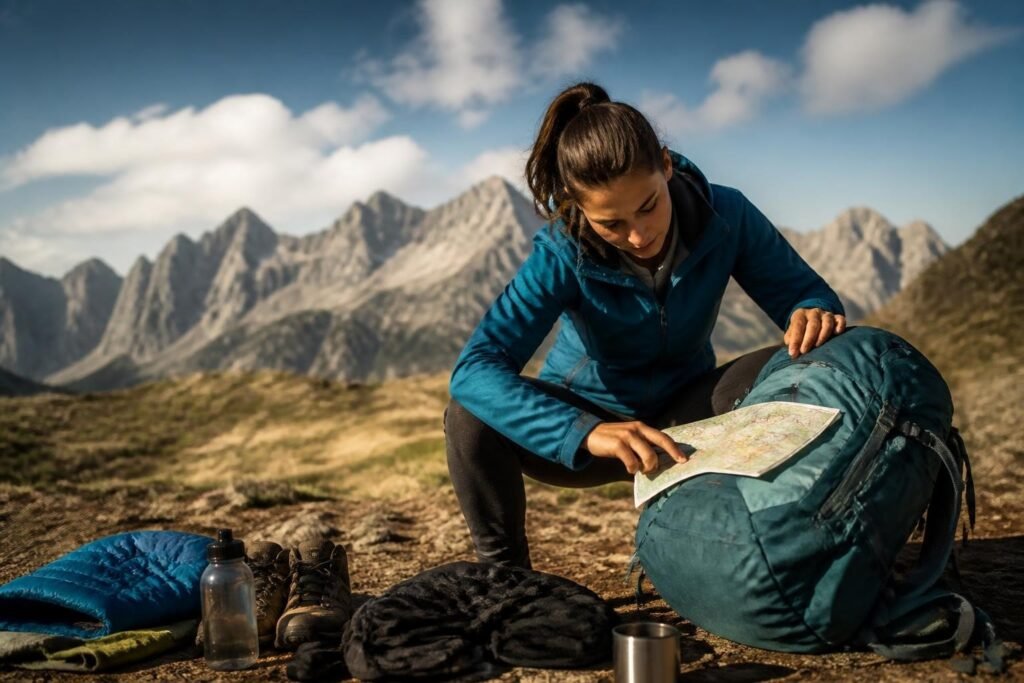
Hike trekking represents one of the most rewarding outdoor activities, combining physical challenge with immersive natural experiences. Whether you're planning a multi-day expedition through volcanic terrain or a shorter summit attempt, understanding the fundamentals of proper trekking preparation, technique, and safety protocols ensures both success and enjoyment. This comprehensive guide explores everything from physical conditioning and equipment selection to navigation skills and environmental stewardship, providing the knowledge needed to tackle challenging mountain environments confidently.
Understanding Hike Trekking Fundamentals
Hike trekking differs significantly from casual day hiking in both scope and intensity. While day hikes typically involve well-marked trails and limited elevation gain, trekking encompasses multi-day journeys through varied terrain, often requiring overnight camping and self-sufficiency in remote environments.
Defining the Trekking Experience
The distinction between hiking and trekking lies primarily in duration and complexity. Trekking involves extended expeditions lasting several days, requiring comprehensive planning for food, shelter, and navigation. These journeys often cross diverse ecosystems, from lowland forests to alpine zones, demanding adaptability and resilience.
Key characteristics of hike trekking include:
- Multi-day duration requiring overnight accommodations
- Significant elevation changes and technical terrain
- Self-sufficiency in remote areas with limited facilities
- Extended physical exertion over consecutive days
- Navigation through unmarked or minimally maintained trails
Understanding these differences helps trekkers prepare appropriately for the challenges ahead. The National Park Service provides comprehensive guidance on distinguishing between various trail types and preparing accordingly.
Physical Preparation and Training Protocols
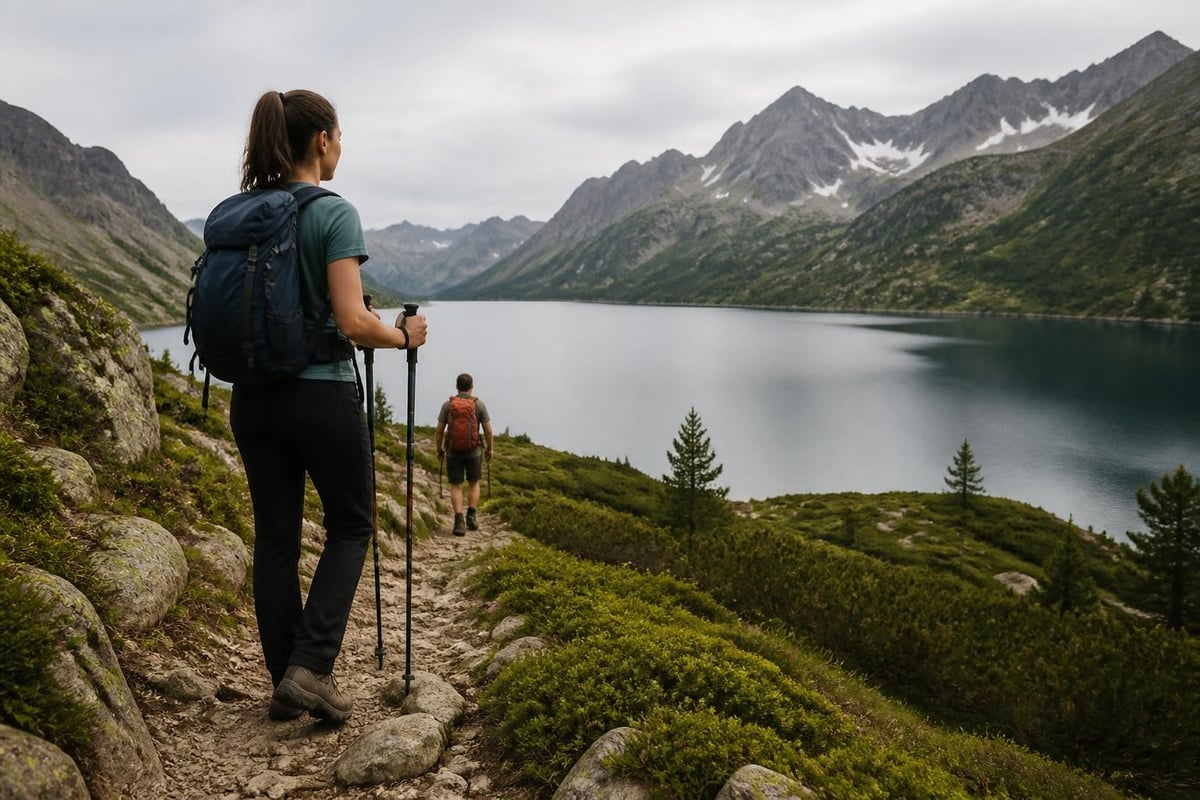
Success in hike trekking depends heavily on physical conditioning tailored to the specific demands of mountain environments. Proper training reduces injury risk while enhancing endurance and enjoyment throughout the journey.
Building Cardiovascular Endurance
Cardiovascular fitness forms the foundation of trekking capability. Sustained aerobic activity at altitude requires efficient oxygen utilization and strong heart-lung capacity. Research from Harvard Health emphasizes how varied terrain naturally enhances cardiovascular conditioning beyond standard gym workouts.
Begin training at least eight weeks before your trek. Start with 30-minute sessions three times weekly, gradually increasing duration and intensity. Incorporate elevation gain by using stairs, stadium steps, or inclined treadmills to simulate mountain conditions.
| Training Phase | Duration | Weekly Sessions | Focus Areas |
|---|---|---|---|
| Foundation | Weeks 1-3 | 3-4 sessions | Base cardio, core strength |
| Building | Weeks 4-6 | 4-5 sessions | Endurance, weighted pack training |
| Peak | Weeks 7-8 | 5-6 sessions | Long sessions, altitude simulation |
| Taper | Week 9 | 2-3 sessions | Recovery, light maintenance |
Strength and Stability Training
Lower body strength and core stability prevent fatigue-related injuries during extended descents and technical sections. Focus on exercises that replicate trekking movements: lunges, step-ups, squats, and single-leg deadlifts. Core exercises improve balance on uneven terrain and reduce lower back strain from pack weight.
Add weighted pack training during the final four weeks of preparation. Start with 20 percent of your anticipated pack weight and gradually increase to full load. This acclimates your body to the biomechanical demands of carrying gear over distance.
Essential Gear Selection and Packing Strategies
Proper equipment selection balances functionality, weight, and durability. Every item in your pack should serve a specific purpose without adding unnecessary burden.
Footwear and Clothing Systems
Quality trekking boots represent the single most critical equipment investment. Choose boots with ankle support, waterproof membranes, and aggressive tread patterns suited to volcanic rock and loose terrain. Break in new boots through progressive training hikes to prevent blisters during your trek.
Layering system essentials:
- Base layer: Moisture-wicking synthetic or merino wool
- Insulation layer: Fleece or lightweight down jacket
- Shell layer: Waterproof, breathable rain jacket and pants
- Sun protection: Wide-brimmed hat, UV-protective sleeves
- Extra socks: Prevent blisters through regular changes
Temperature variations in mountain environments require adaptable clothing systems. Morning starts may be frigid while midday sun creates heat stress, necessitating quick layer adjustments.
Navigation and Safety Equipment
Modern hike trekking combines traditional navigation tools with digital technology for redundancy. Carry both physical maps and GPS devices, ensuring backup power sources for electronic equipment. The U.S. Forest Service recommends comprehensive preparation including multiple navigation methods.
Critical safety items include first aid kits customized for multi-day expeditions, emergency shelter systems, water purification methods, and communication devices. Pack a headlamp with extra batteries, as early morning summit attempts require pre-dawn navigation.
| Item Category | Essential Gear | Weight Consideration |
|---|---|---|
| Navigation | Map, compass, GPS, whistle | Minimal (under 1 lb) |
| Hydration | Water bottles, purification | 2-3 liters capacity |
| Nutrition | High-calorie meals, snacks | 1.5 lbs per day |
| Shelter | Tent, sleeping bag, pad | 4-6 lbs total |
| First Aid | Comprehensive kit, medications | 1-2 lbs |
Route Planning and Altitude Considerations
Successful hike trekking begins with thorough route research and realistic daily mileage targets. Understanding terrain features, water sources, and elevation profiles prevents overambitious itineraries that lead to exhaustion or altitude sickness.
Evaluating Trail Difficulty and Conditions
Assess route difficulty through multiple factors beyond simple distance. Elevation gain, trail surface quality, exposure to weather, and technical sections all impact physical demands and time requirements. A 10-mile trek with 4,000 feet of elevation gain requires significantly more effort than flat terrain of equal distance.
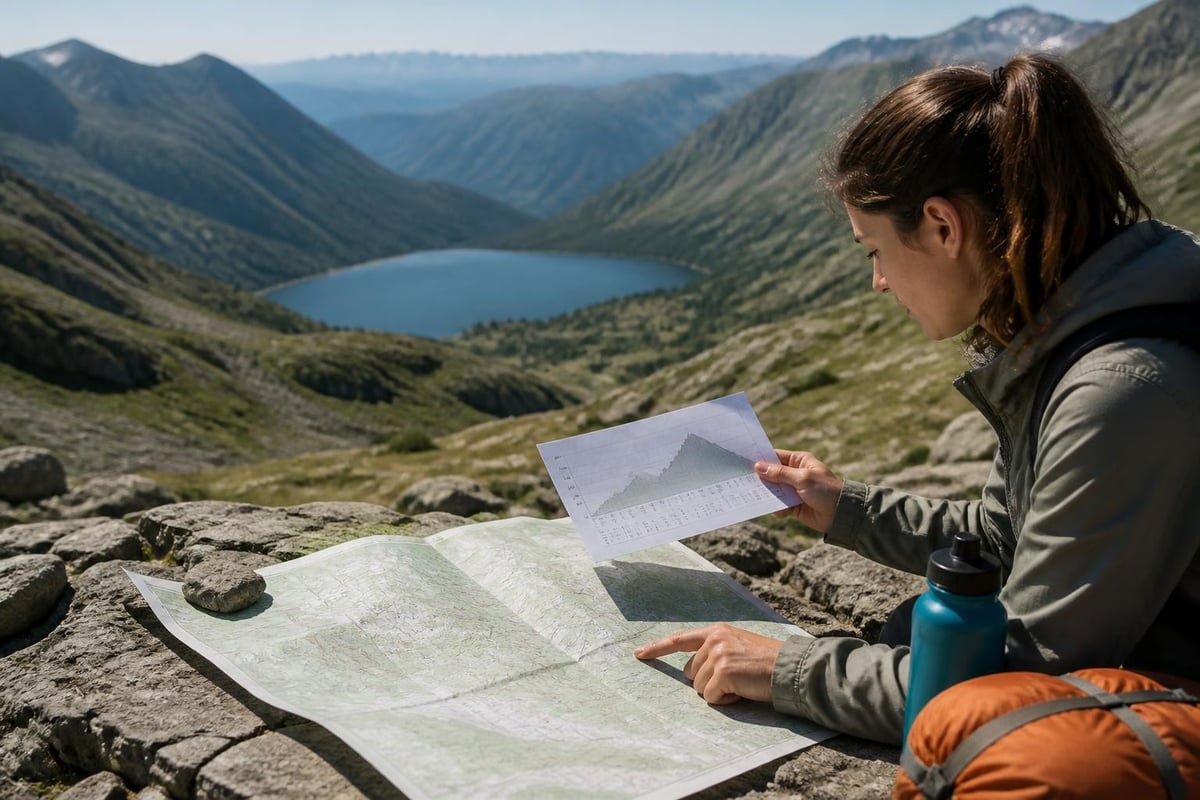
Seasonal timing dramatically affects trail conditions. Volcanic terrain like Mount Rinjani experiences distinct wet and dry seasons, with optimal trekking windows offering stable weather and clear summit views. Research historical weather patterns and current conditions before finalizing dates.
Altitude Acclimatization Strategies
Gradual altitude gain prevents acute mountain sickness and enhances summit success rates. The standard recommendation suggests ascending no more than 1,500 feet per day above 8,000 feet elevation. Multi-day treks naturally facilitate this gradual approach when properly planned.
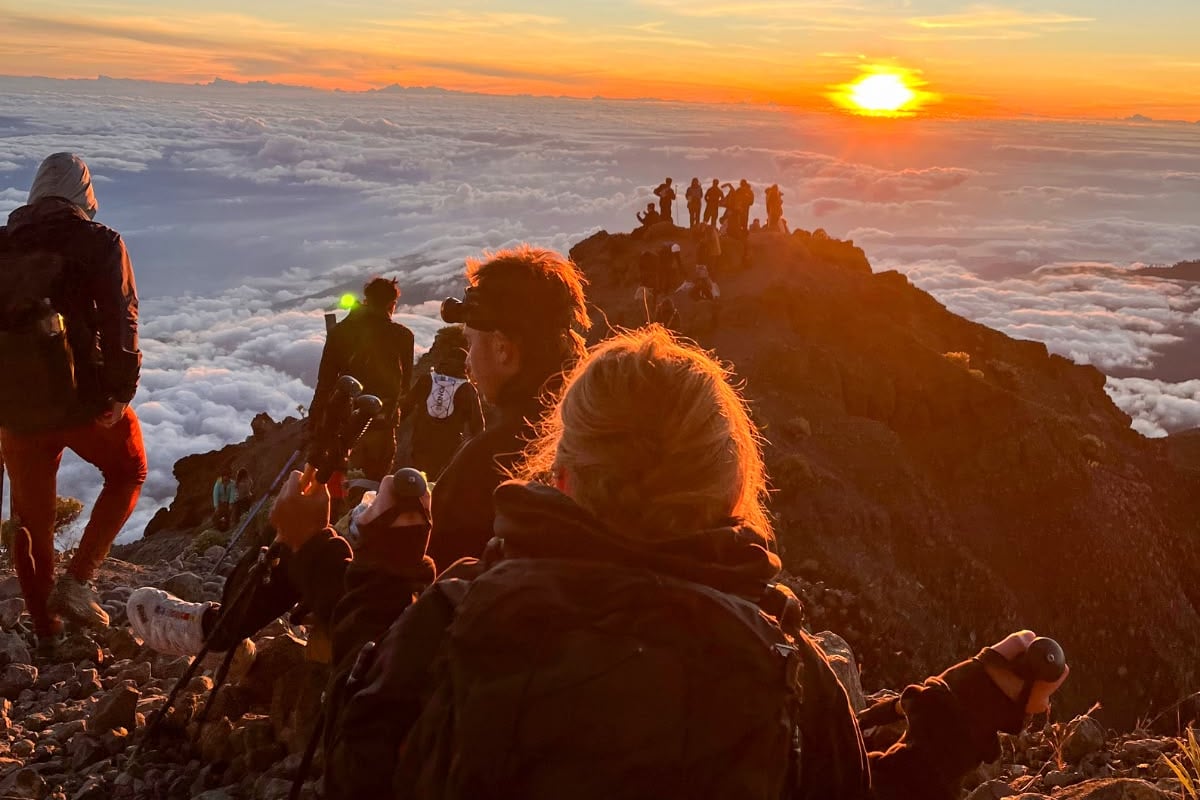
For trekkers seeking efficient summit experiences without extended itineraries, the 2D1N CRATER RIM – SUMMIT package offers a compressed timeline that maximizes spectacular mountaintop views while minimizing time commitment. This route requires strong physical conditioning but rewards trekkers with unforgettable sunrise vistas from Mount Rinjani's peak.
Recognize altitude sickness symptoms: headache, nausea, dizziness, and fatigue. Immediate descent remains the only reliable treatment for severe cases. Hydration, gradual ascent, and rest days at intermediate elevations significantly reduce risk.
Trail Navigation and Wayfinding Techniques
Confident navigation transforms potentially stressful situations into manageable challenges. While many popular trekking routes feature guides and marked paths, understanding independent wayfinding builds self-reliance and safety awareness.
Map Reading and Terrain Association
Topographic map literacy enables precise location identification through terrain feature recognition. Learn to identify ridgelines, valleys, saddles, and peaks on maps, then correlate these features with your surroundings. Contour line spacing indicates slope steepness, with tightly packed lines signaling steep gradients.
Before departing each morning, study the day's route section. Identify key waypoints, potential hazards, and alternative paths in case conditions necessitate route changes. This proactive approach prevents confusion when fatigue impacts decision-making later in the day.
Using Technology Responsibly
GPS devices and smartphone applications provide real-time location data and route tracking. However, reliance solely on electronics creates vulnerability to battery failure, signal loss, or device damage. Experienced trekkers maintain traditional skills while leveraging technology as a supplementary tool.
Download offline maps before entering remote areas. Many mountainous regions lack cellular coverage, rendering online mapping services useless. Carry backup power banks specifically for navigation devices, ensuring sufficient capacity for the entire trek duration.
Nutrition and Hydration Management
Sustained energy output during hike trekking demands strategic nutrition planning that balances caloric density, weight, and palatability. Proper fueling prevents the debilitating fatigue known as "bonking" while maintaining mental clarity for safe decision-making.
Caloric Requirements and Meal Planning
Mountain trekking burns 3,500 to 5,000 calories daily depending on pack weight, elevation gain, and individual metabolism. Plan meals providing 125-150 calories per ounce, emphasizing carbohydrates for immediate energy and fats for sustained fuel.
Optimal trekking foods include:
- Breakfast: Instant oatmeal, granola, dried fruit, coffee or tea
- Lunch: Tortillas with nut butter, hard cheese, dried meats
- Dinner: Dehydrated meals, pasta, rice with protein additions
- Snacks: Trail mix, energy bars, chocolate, dried fruit
Prepare portion sizes in advance, separating each day's food into labeled bags. This organization prevents overconsumption early in the trek while ensuring adequate nutrition throughout.
Hydration Strategies and Water Treatment
Dehydration accelerates altitude sickness and impairs physical performance. Consume 3-4 liters of water daily, increasing intake during hot conditions or strenuous sections. Monitor urine color, aiming for pale yellow as an indicator of proper hydration.
Treat all water sources through filtration, chemical purification, or boiling. Even pristine-appearing streams may contain harmful pathogens. The National Park Service emphasizes the importance of water treatment as a fundamental safety practice.
| Purification Method | Effectiveness | Time Required | Weight |
|---|---|---|---|
| Pump filter | Excellent | Immediate | 12-16 oz |
| Chemical tablets | Good | 30-60 minutes | 2 oz |
| UV sterilizer | Excellent | 60-90 seconds | 4 oz |
| Boiling | Complete | 1-3 minutes | 0 oz (fuel only) |
Environmental Stewardship and Leave No Trace
Responsible hike trekking preserves natural environments for future generations while protecting fragile ecosystems from human impact. Adhering to Leave No Trace principles demonstrates respect for wilderness areas and the communities surrounding them.
Waste Management and Trail Ethics
Pack out everything you pack in, including food wrappers, toilet paper, and other biodegradable items. What decomposes quickly at sea level persists for years in cold, dry mountain environments. Carry a dedicated trash bag, separating waste for proper disposal at trailheads.
Human waste requires proper disposal at least 200 feet from water sources and trails. Dig catholes 6-8 inches deep in organic soil, covering thoroughly after use. In high-alpine zones where soil is minimal or frozen, pack out solid waste using specialized disposal bags.
Respecting Local Communities and Ecosystems
Many trekking routes pass through inhabited areas where local communities maintain traditional lifestyles. Respectful interaction includes seeking permission before photographing people, purchasing supplies at fair prices, and observing cultural customs regarding dress and behavior.
Stick to established trails to prevent erosion and vegetation damage. Shortcutting switchbacks accelerates soil loss and creates unsightly scars across mountainsides. When camping, choose durable surfaces like rock, gravel, or established sites rather than pristine meadows.
The Hiking Mount Rinjani team emphasizes environmental cleanliness as a core operational principle, ensuring trekking activities enhance rather than degrade the natural landscape.
Safety Protocols and Emergency Preparedness
Comprehensive safety planning transforms potential emergencies into manageable situations. While most treks conclude without incident, preparation for worst-case scenarios proves essential when problems do arise.
Risk Assessment and Decision-Making
Evaluate hazards continuously throughout your trek. Weather changes, trail conditions, and physical status all influence safety margins. Establish turnaround times for summit attempts, prioritizing safe descent over peak achievement when conditions deteriorate.
Critical decision points include:
- Weather forecasts showing approaching storms
- Physical symptoms indicating altitude sickness
- Trail conditions exceeding skill or equipment capabilities
- Group member injury or illness
- Navigation uncertainty in poor visibility
Communicate decision criteria with trekking partners before departure. Consensus on risk tolerance prevents dangerous conflicts when stress levels rise.
Emergency Response Procedures
Despite careful planning, emergencies occasionally occur. Carry comprehensive first aid training and equipment suited to multi-day wilderness scenarios. Common trekking injuries include blisters, sprains, altitude sickness, and hypothermia, each requiring specific treatment protocols.
Establish emergency communication plans before entering remote areas. Satellite communicators provide two-way messaging and SOS capabilities when cellular service is unavailable. Share your itinerary with reliable contacts who can initiate rescue operations if you fail to check in as scheduled.
Advanced Techniques for Technical Terrain
Some hike trekking routes incorporate technical sections requiring specialized skills beyond basic trail walking. Understanding when and how to employ these techniques enhances safety and confidence in challenging environments.
Scrambling and Route-Finding
Scrambling involves using hands for balance and upward progress on steep, rocky terrain. Choose stable hand and footholds carefully, testing each before committing weight. Maintain three points of contact with the rock, moving one limb at a time.
In areas without defined trails, route-finding skills become essential. Scan ahead for the most efficient line through obstacles, considering both immediate passage and subsequent sections. Cairns (stacked rocks) sometimes mark routes, though these vary in reliability depending on location and maintenance.
Stream Crossings and Hazard Navigation
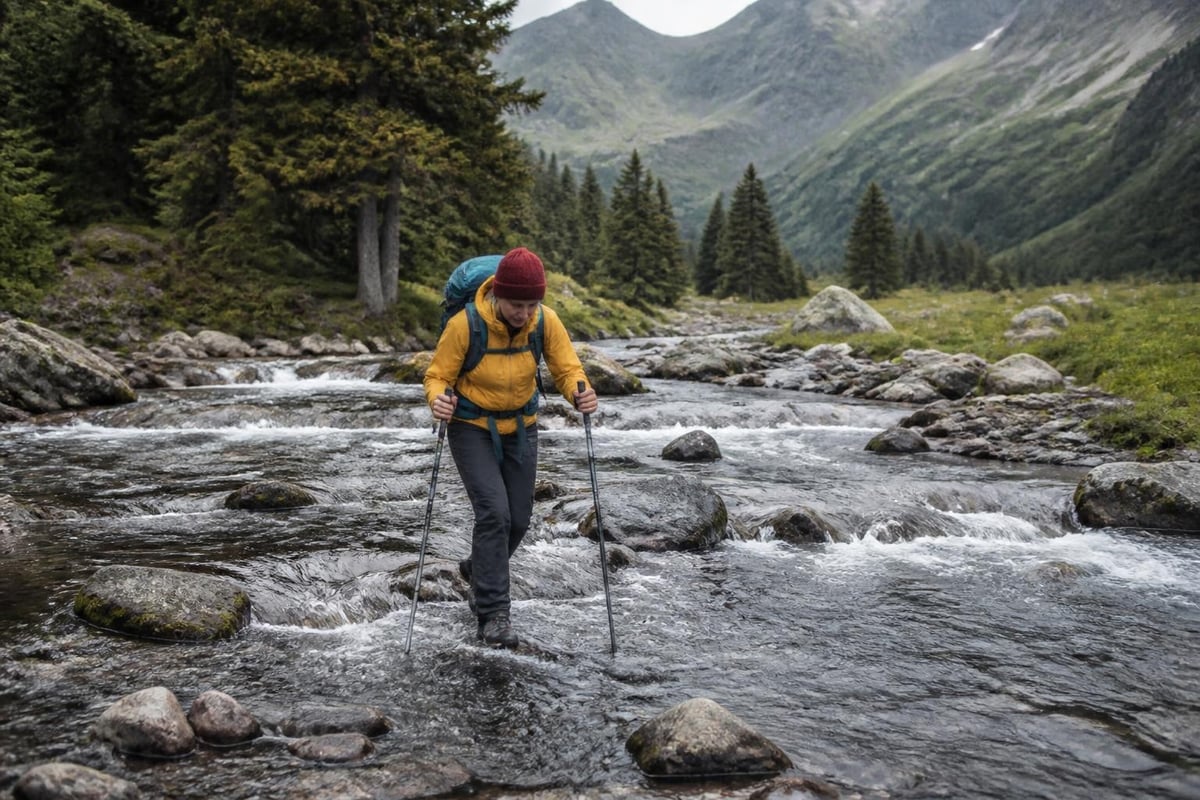
Glacial-fed streams fluctuate dramatically throughout the day, running lowest in early morning before meltwater increases flow. Time crossings accordingly when possible. Unbuckle pack hip belts before crossing, allowing quick pack removal if you lose footing.
Use trekking poles or sturdy sticks for stability during crossings. Face upstream, moving diagonally downstream with careful foot placement. Research suggests proper trekking pole technique significantly enhances stability on varied terrain.
Post-Trek Recovery and Reflection
Proper recovery after hike trekking prevents injury while preparing your body for future adventures. The physical demands of multi-day mountain travel require dedicated rest and rehabilitation.
Physical Recovery Protocols
Grant yourself at least one rest day for each day of strenuous trekking. Gentle activity like walking or swimming promotes circulation without adding stress. Stretching and foam rolling address muscle tightness from repetitive motion and pack weight.
Maintain elevated caloric intake for 48-72 hours post-trek, replenishing depleted glycogen stores and supporting muscle repair. Prioritize protein consumption to facilitate tissue recovery, combining this with complex carbohydrates and healthy fats.
Experience Documentation and Learning
Record your trek through journals, photographs, and route notes. These records serve multiple purposes: preserving memories, identifying equipment improvements, and informing future trip planning. Note what worked well and what presented challenges, creating a personal knowledge base that enhances subsequent adventures.
Share experiences with the broader trekking community through trip reports and online forums. This contribution helps others plan their journeys while reinforcing your own learning through reflection and articulation.
Many trekkers find that exploring comprehensive trekking package options provides structured experiences that balance challenge with support, particularly when venturing into unfamiliar mountain environments. Professional guide services offer local expertise, logistical support, and safety backup that enhance both enjoyment and success rates.
Weather Patterns and Seasonal Considerations
Understanding mountain weather patterns represents a crucial component of hike trekking preparation. Conditions change rapidly with elevation, requiring constant monitoring and adaptive responses.
Reading Weather Signs in Mountain Environments
Cloud formation patterns indicate approaching weather systems. Lenticular clouds signal high winds aloft, while rapidly building cumulus towers suggest afternoon thunderstorms. Morning fog often burns off by midday in stable conditions, while persistent cloud cover may indicate extended poor weather.
Barometric pressure trends predict weather changes 12-24 hours in advance. Falling pressure suggests deteriorating conditions, while rising pressure indicates improvement. Modern smartwatches incorporate barometric altimeters that double as weather forecasting tools.
Temperature inversions create unique conditions where valleys remain cold while ridges experience warmer temperatures. This phenomenon complicates layering decisions and affects snow conditions in transitional seasons. Plan for temperature ranges spanning 40-50 degrees Fahrenheit across elevation zones.
Group Dynamics and Leadership Principles
Multi-day treks with companions introduce social dynamics that significantly impact experience quality. Effective group management prevents conflicts while ensuring safety through coordinated decision-making.
Pace Management and Group Cohesion
Establish a sustainable hiking pace that accommodates the slowest group member without creating unsafe separation. The "hike your own hike" philosophy works for independent trekkers but requires modification for group expeditions where collective safety depends on staying together.
Implement regular break schedules that balance rest needs with progress requirements. Brief stops every 50-60 minutes allow quick hydration and snack consumption without extended delays. Longer breaks at scenic viewpoints or mealtimes provide mental refreshment and social connection.
Communication and Conflict Resolution
Establish clear communication protocols before departure. Designate a trail leader and sweep position, ensuring someone monitors both front and rear of the group. Use agreed-upon signals for stops, hazards, and route changes when verbal communication proves difficult.
Address conflicts promptly and respectfully. The stress of physical exertion, altitude, and limited comfort creates conditions where minor irritations escalate quickly. Proactive discussion of expectations regarding pace, rest frequency, and decision-making authority prevents many common disputes.
Mastering hike trekking requires integration of physical preparation, technical skills, and environmental awareness into a comprehensive approach that ensures both safety and enjoyment. Whether you're attempting your first multi-day expedition or seeking to refine advanced techniques, these principles provide the foundation for successful mountain adventures. Hiking Mount Rinjani combines experienced local guides, quality equipment, and proven safety protocols to deliver exceptional trekking experiences across Mount Rinjani's diverse terrain, ensuring your journey balances challenge with support for an unforgettable adventure.