
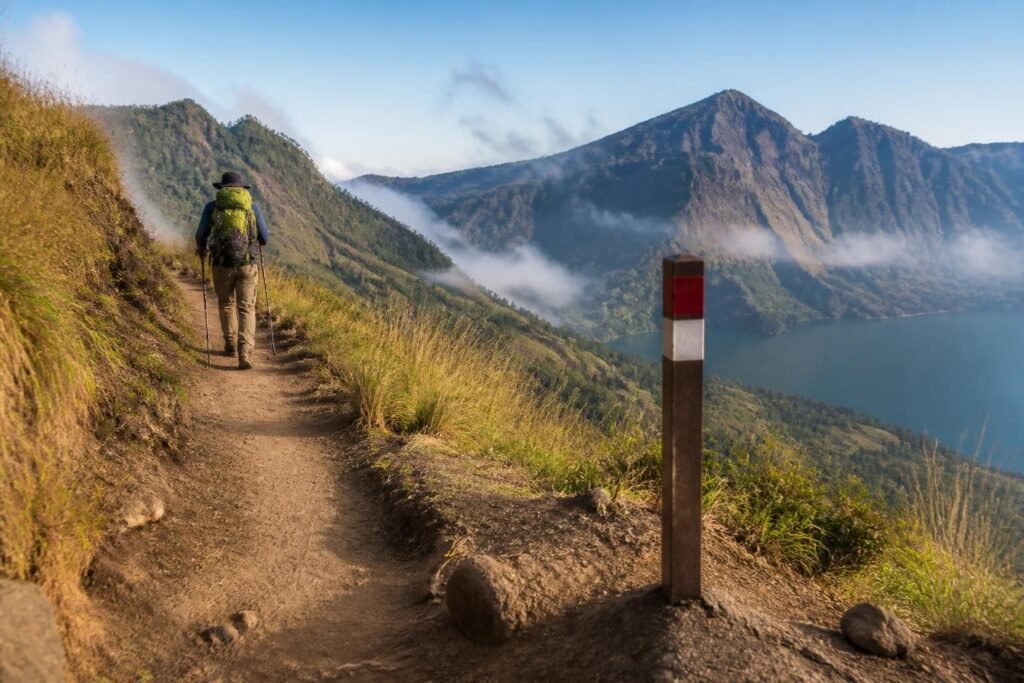
Finding and hiking a good trail transforms an ordinary walk into an extraordinary adventure. Whether you're a seasoned trekker or beginning your hiking journey, understanding what separates exceptional trails from mediocre paths helps you choose experiences that match your capabilities and expectations. A good trail balances accessibility with challenge, safety with adventure, and environmental protection with user experience. On volcanic peaks like Mount Rinjani in Lombok, Indonesia, these qualities become even more critical as terrain complexity and altitude add unique demands to the trekking experience.
Essential Characteristics of Well-Designed Trails
The foundation of any good trail starts with thoughtful design and construction. Trail width, grade, and surface material all contribute to user safety and environmental sustainability. According to established trail design standards, proper construction techniques prevent erosion, minimize environmental impact, and ensure long-term durability.
A properly constructed trail maintains consistent width appropriate to its difficulty level. Beginner routes typically measure 3-4 feet wide, allowing comfortable passage and emergency evacuations if needed. More challenging paths may narrow to 2 feet, requiring greater attention and foot placement precision.
Grade and Elevation Management
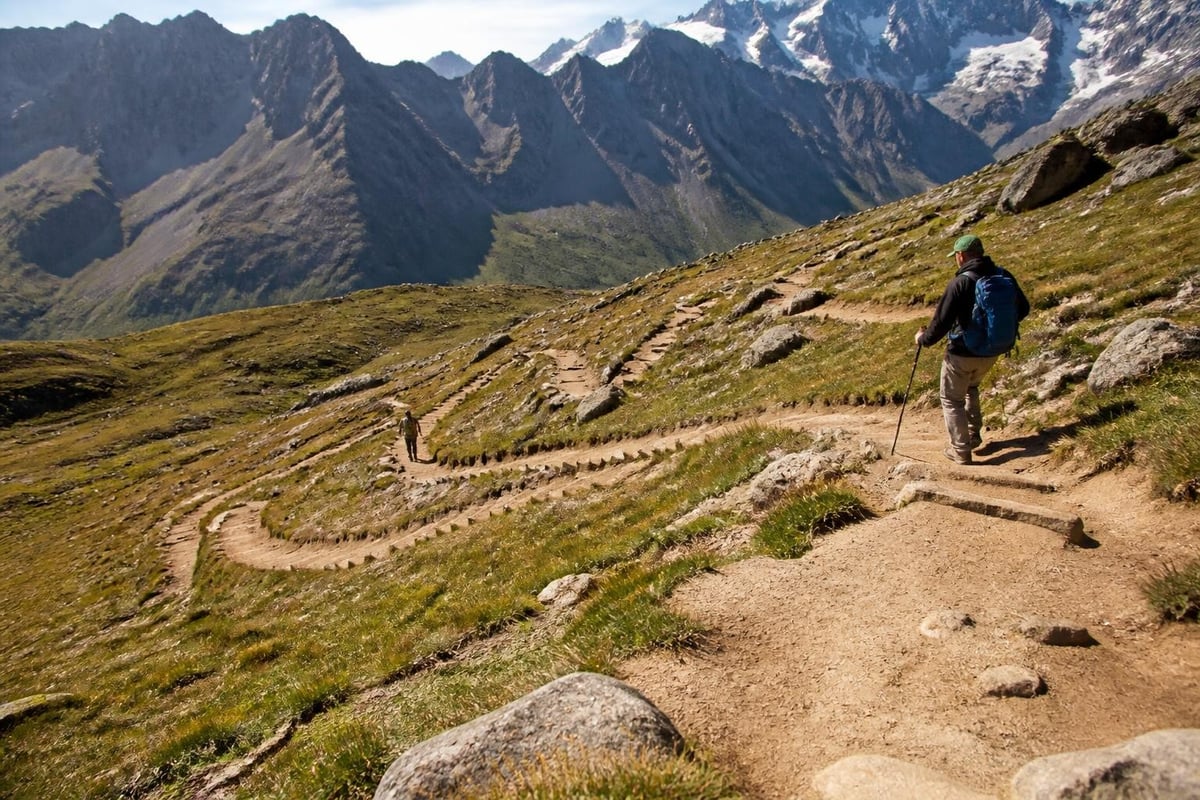
Trail gradient significantly impacts difficulty and sustainability. A good trail manages elevation changes through:
- Switchbacks that reduce direct ascent steepness
- Grade reversals that facilitate natural water drainage
- Rest platforms positioned at strategic intervals
- Consistent climbing angles that prevent user exhaustion
Sustainable grades typically remain below 10% for extended sections, though short segments may reach 15-20% on technical mountain trails. These design elements become particularly important when planning Mount Rinjani trekking packages that accommodate various fitness levels.
Trail Marking and Navigation Systems
Clear wayfinding separates a good trail from one that causes frustration and potential danger. Professional trail systems employ multiple marking methods to guide users confidently through varied terrain and weather conditions.
Visual Marking Standards
| Marking Type | Purpose | Visibility Range |
|---|---|---|
| Painted blazes | Primary direction indicators | 50-100 feet |
| Cairns (stone piles) | Route marking above treeline | 30-50 feet |
| Sign posts | Junction identification | 100+ feet |
| Reflective markers | Night hiking safety | Variable with light |
Consistency in marking placement creates predictable navigation patterns. On a good trail, hikers should sight the next marker before losing sight of the previous one, typically achieving visual confirmation every 50-100 feet depending on terrain complexity.
The most challenging environments demand redundant marking systems. Understanding trail features and formats helps trekkers recognize different marking approaches used across various trail classifications.
Trail Signage and Information
Beyond directional markers, a good trail provides critical information at strategic locations:
- Trailhead kiosks displaying maps, regulations, and hazard warnings
- Distance markers showing progress and remaining mileage
- Junction signs clearly indicating all available routes
- Emergency contact information posted at access points
Maintenance and Surface Sustainability
Regular maintenance distinguishes excellent trails from those that deteriorate into hazardous conditions. Professional trail design and maintenance practices address common problems before they compromise user safety or environmental integrity.
Drainage systems represent perhaps the most critical maintenance element. Water flowing along trail surfaces causes erosion, widens paths unnecessarily, and creates muddy conditions that push hikers off-trail, expanding environmental damage. A good trail incorporates:
- Grade dips that direct water off the trail surface
- Water bars constructed from rock or timber
- French drains in chronically wet areas
- Outsloped tread that sheds water naturally
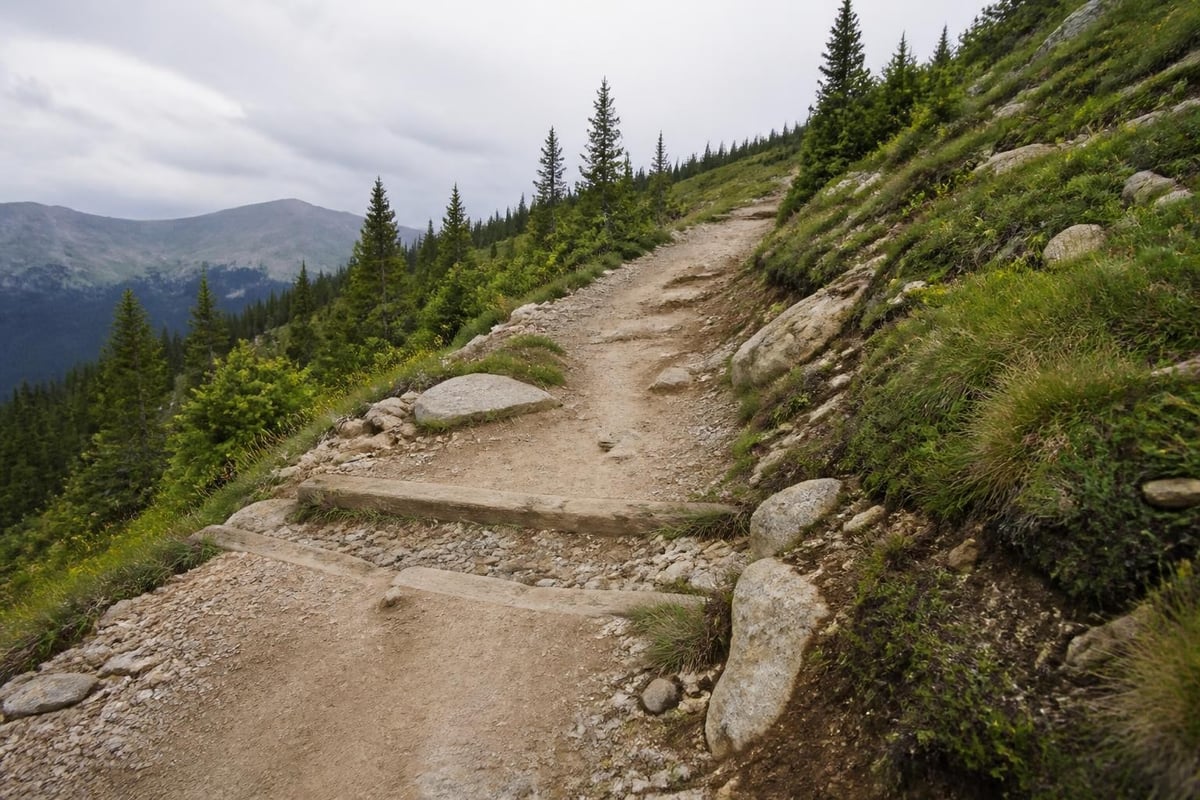
Surface materials vary based on usage intensity, soil composition, and climate conditions. High-traffic routes benefit from crushed stone or gravel that prevents mud formation while remaining permeable. Technical sections may incorporate rock steps or timber structures where natural surfaces cannot withstand use pressure.
Vegetation Management
Corridor clearing maintains safe passage while minimizing ecosystem disruption. A good trail balances these competing demands through selective vegetation management rather than wholesale clearing. Branches should be trimmed to at least 8 feet overhead, with lateral clearance extending 2-3 feet from trail centerline.
Root systems stabilize trail edges and prevent erosion, making thoughtful vegetation decisions essential. Where possible, trail designers route paths to preserve existing trees while maintaining adequate sight lines around corners and blind approaches.
Safety Features and Risk Management
A good trail anticipates and mitigates hazards without eliminating the adventure elements that attract experienced trekkers. Safety features should be proportionate to actual risks rather than perceived dangers.
Exposure management becomes critical on mountain routes where falls could result in serious injury or death. Professional trail systems employ various protective measures based on specific conditions:
| Hazard Type | Mitigation Strategy | Application Example |
|---|---|---|
| Cliff edges | Cable railings or fencing | Ridge walks with drop-offs |
| Stream crossings | Bridges or stepping stones | Water routes without safe fords |
| Loose rock sections | Stabilization or route changes | Scree slopes and talus fields |
| Avalanche zones | Seasonal closures | Winter high-altitude areas |
The 4-day, 3-night extended Mount Rinjani package demonstrates how extra time allows safer pacing through challenging terrain, reducing accident risks from fatigue and rushing.
Emergency Access and Communication
Remote trails require special consideration for emergency response. A good trail maintains adequate width for stretcher evacuation at minimum, with helicopter landing zones identified at strategic intervals on extended routes. Clear mileage markers and GPS coordinates facilitate precise location reporting during emergencies.
Weather monitoring becomes essential on exposed mountain routes where conditions change rapidly. Professional trekking operations maintain radio communication with base camps and monitor forecast data continuously throughout expeditions.
Environmental Impact and Sustainability
The best trails minimize ecological disruption while providing access to natural areas. Sustainable trail design follows natural contours, avoids sensitive habitats, and concentrates use on durable surfaces that withstand foot traffic without degradation.
Tread width management prevents unnecessary environmental impact. When trails widen beyond design specifications, hikers walking side-by-side or avoiding mud create expanded damage zones. A good trail maintains defined edges through:
- Rock or timber edging in high-use areas
- Strategic vegetation placement that guides traffic
- Regular maintenance addressing emerging social trails
- User education about staying on designated paths
Waste Management Systems
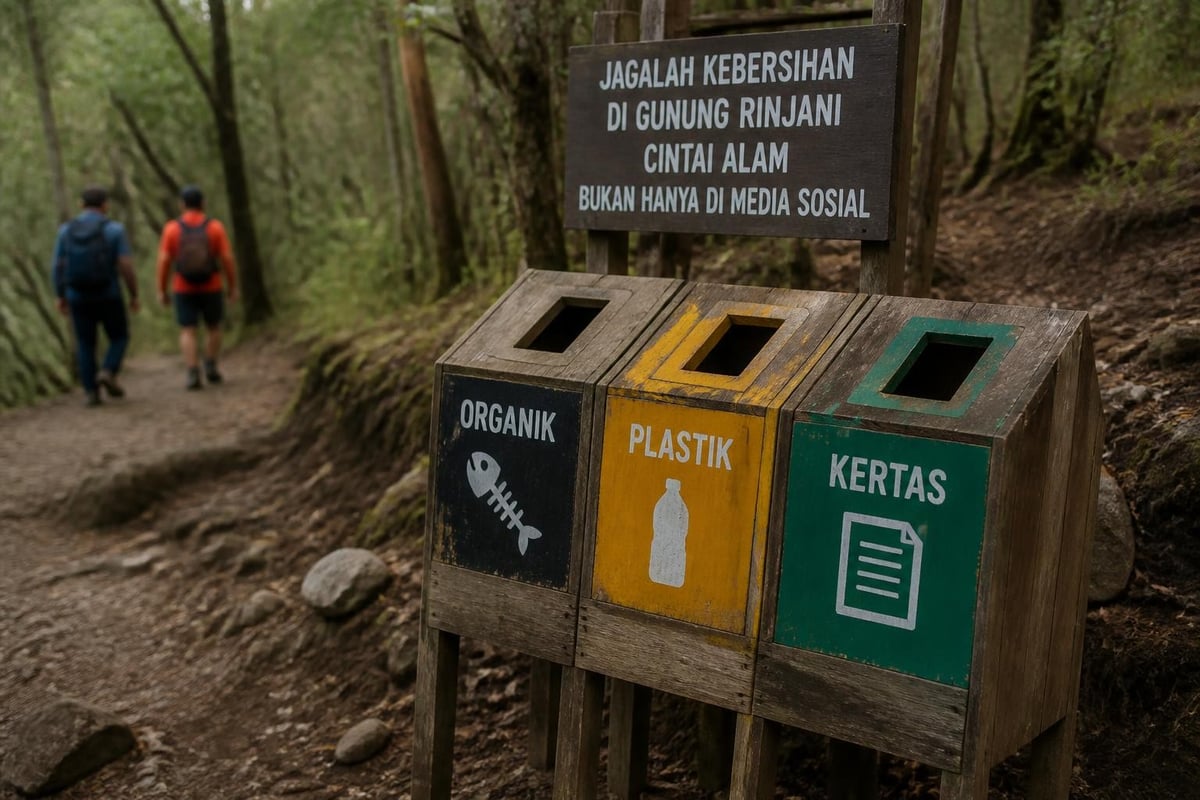
High-traffic trekking routes require comprehensive waste management infrastructure. Professional operations implement pack-in, pack-out policies supported by:
- Adequate trailhead facilities for pre-trek sorting
- Portable toilet systems at campsites above treeline
- Designated waste disposal areas at base camps
- Regular porter-based trash removal operations
- User education about Leave No Trace principles
Many experienced trekking companies in Lombok have pioneered comprehensive waste management programs that maintain pristine conditions on heavily used routes while supporting local porter employment.
User Experience and Accessibility
A good trail considers diverse user capabilities and expectations. While not every path needs universal accessibility, thoughtful design expands access beyond elite athletes to include families, older adults, and those with moderate fitness levels.
Difficulty rating transparency helps users make informed decisions. Professional trail systems employ consistent classification standards:
- Easy: Less than 5% grade, smooth surfaces, minimal obstacles
- Moderate: 5-10% grade, some uneven surfaces, basic navigation required
- Difficult: 10-15% grade, technical sections, navigation skills essential
- Very Difficult: 15%+ grade, extensive technical challenges, advanced skills required
Accurate difficulty assessments prevent dangerous situations where unprepared hikers attempt routes beyond their capabilities. The distance, elevation gain, and estimated completion time should be clearly communicated at trailheads and in promotional materials.
Rest Facilities and Scenic Viewpoints
Strategic rest areas enhance user experience while managing environmental impact by concentrating use at designated sites. A good trail incorporates natural stopping points that offer:
- Scenic viewpoints with stable, erosion-resistant surfaces
- Shade structures at appropriate intervals in exposed terrain
- Water sources clearly marked with treatment advisories
- Emergency shelter locations on extended routes
Viewpoint placement should reward effort appropriately, with dramatic vistas positioned after challenging climbs to provide psychological motivation and rest opportunities.
Cultural and Historical Integration
Exceptional trails incorporate cultural context and historical significance into the trekking experience. On Mount Rinjani, this includes recognition of the mountain's sacred status in local Hindu and Sasak traditions, as well as understanding the historical use of traditional routes for ceremonial purposes.
A good trail respects these cultural dimensions through:
- Interpretive signage explaining cultural significance
- Sacred site protection with appropriate access restrictions
- Local guide employment preserving traditional knowledge
- Community benefit sharing from trekking revenue
The integration of local communities into trail management and operation ensures cultural sensitivity while providing economic benefits that incentivize conservation. Professional operations employ experienced guides who understand both technical mountain skills and cultural protocols.
Weather Adaptability and Seasonal Considerations
Trail quality varies significantly with seasonal changes, particularly in tropical mountain environments. A good trail remains functional across diverse weather conditions through appropriate design and seasonal management strategies.
The Mount Rinjani trekking season typically runs from April through December, with optimal conditions between May and September. During monsoon months, even well-designed trails face challenges from:
- Heavy rainfall creating flash flood risks in stream crossings
- Lightning hazards on exposed ridgelines
- Reduced visibility from cloud cover
- Slippery surfaces on volcanic rock and soil
Professional trail systems implement seasonal closure policies when conditions create unacceptable risks, even when user demand remains high. This prioritizes safety over short-term revenue, distinguishing quality operations from those willing to compromise standards.
Trail Condition Monitoring
Real-time condition reporting helps users make informed decisions about current trail status. A good trail system maintains:
- Regular condition assessments by professional staff
- Public reporting platforms updated frequently
- Hazard notifications distributed through multiple channels
- Alternative route recommendations when primary paths close
- Clear reopening criteria after seasonal closures
When exploring destinations throughout Lombok, understanding seasonal variations helps optimize timing for the best possible experience.
Equipment and Technical Requirements
A good trail clearly communicates equipment requirements appropriate to its difficulty and environmental conditions. Mismatches between trail demands and hiker preparation account for numerous preventable accidents and rescue situations.
Essential Gear Standards
| Trail Type | Required Equipment | Recommended Additions |
|---|---|---|
| Day hikes (easy) | Sturdy footwear, water, snacks | Trekking poles, first aid kit |
| Day hikes (difficult) | Hiking boots, navigation tools, emergency kit | GPS device, communication equipment |
| Multi-day treks | Camping gear, cooking equipment, adequate food | Water purification, repair supplies |
| Technical climbs | Specialized climbing gear, rope systems | Altitude medication, expanded first aid |
Professional operations provide comprehensive equipment lists during booking, with rental options for specialized gear many travelers cannot transport internationally. Quality equipment significantly impacts safety and enjoyment, making this transparency essential for positive experiences.
Physical Preparation Guidance
Beyond equipment, a good trail system provides realistic fitness preparation guidance. Mount Rinjani's summit attempt, for example, requires cardiovascular conditioning equivalent to regular running or cycling, leg strength for sustained climbing, and ankle stability for volcanic terrain descent.
Training recommendations should specify:
- Minimum weekly exercise hours in the months preceding the trek
- Specific conditioning activities that translate to trail demands
- Practice hikes with loaded packs for multi-day routes
- Altitude acclimatization strategies when applicable
Guide Services and Support Infrastructure
While some trails support independent hiking, complex mountain environments like Mount Rinjani benefit enormously from professional guide services. A good trail system integrates these services seamlessly, maintaining safety standards while respecting trekker autonomy preferences.
Quality guide services provide more than navigation assistance. Experienced guides offer:
- Local knowledge about weather patterns, route conditions, and seasonal variations
- Emergency response capabilities including wilderness first aid certification
- Cultural interpretation connecting trekkers to regional traditions and history
- Environmental education promoting conservation awareness and responsible practices
- Logistical coordination managing permits, equipment, and campsite arrangements
The best trekking experiences combine well-designed trails with knowledgeable guides who enhance rather than restrict the adventure. This partnership model ensures safety while preserving the self-reliance and challenge that attract serious trekkers to remote destinations.
International Recognition and Trail Rankings
Understanding what makes trails earn international recognition helps identify quality standards worth emulating. When examining top trekking routes worldwide, consistent themes emerge around the characteristics discussed throughout this article.
World-class trails combine natural beauty with thoughtful infrastructure, cultural significance with environmental protection, and accessibility with preserved wilderness character. These elements create experiences that justify travel across continents and remain memorable for lifetimes.
Mount Rinjani's increasing international recognition reflects ongoing investments in trail infrastructure, guide training, environmental protection, and community engagement. As more trekkers discover this spectacular destination, maintaining these quality standards becomes increasingly important for long-term sustainability.
Understanding what constitutes a good trail helps trekkers choose experiences matching their capabilities and expectations while promoting environmental stewardship. Whether you're planning your first mountain adventure or adding another peak to your collection, prioritizing well-designed, professionally maintained trails ensures safety, enjoyment, and meaningful connection with natural environments. Hiking Mount Rinjani combines expertly maintained trails with experienced guides, quality equipment, and comprehensive safety protocols to deliver exceptional trekking experiences on one of Indonesia's most spectacular volcanic peaks, helping you discover why proper trail design and professional support transform challenging climbs into unforgettable adventures.