
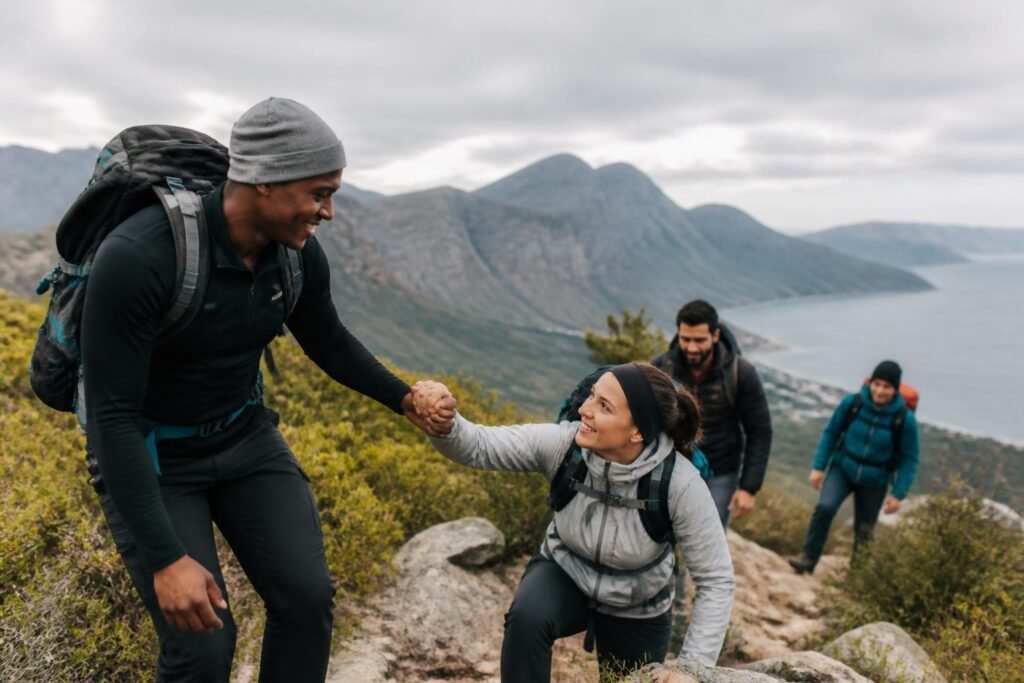
Team trekking represents more than just a group of people walking together on a mountain path. It embodies a transformative experience where colleagues, friends, or organizational members unite through shared physical challenges, natural beauty, and collaborative problem-solving. As businesses and organizations increasingly recognize the value of experiential learning, team trekking has emerged as one of the most effective methods for building cohesion, developing leadership skills, and fostering authentic relationships that translate directly into improved workplace performance and personal growth.
Understanding the Power of Team Trekking
Team trekking differs fundamentally from individual hiking experiences. While solo trekking offers personal reflection and independence, group expeditions create dynamic interpersonal environments where participants must communicate, coordinate, and support one another through varying terrain and weather conditions.
The psychological benefits of team building through outdoor activities extend far beyond the trail itself. Participants develop stronger communication patterns, establish trust through shared vulnerability, and create lasting memories that reinforce group identity long after the trek concludes.
Physical and Mental Challenges Unite Groups
When teams face challenging ascents together, they naturally develop mutual dependence. One member's struggle becomes everyone's concern, while individual strengths contribute to collective success. This interdependence creates powerful bonding experiences that artificial team-building exercises struggle to replicate.
Key benefits of team trekking include:
- Enhanced communication under pressure
- Development of collective problem-solving skills
- Increased trust through shared vulnerability
- Natural emergence of leadership qualities
- Improved conflict resolution abilities
- Stronger organizational culture
Planning Effective Team Trekking Expeditions
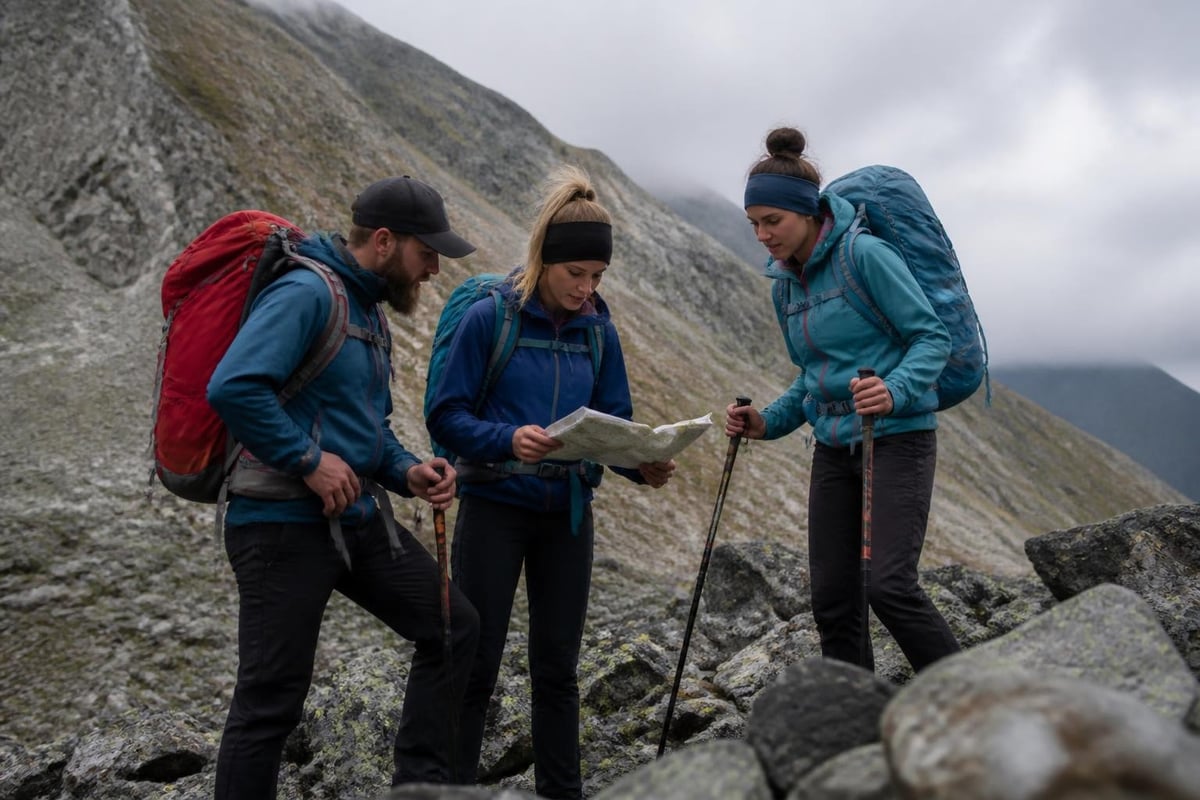
Successful team trekking requires meticulous planning that balances challenge with safety, individual needs with group objectives, and adventure with accessibility. Organizations investing in Mount Rinjani trekking packages must consider multiple factors to ensure positive outcomes for all participants.
Assessing Team Capabilities and Objectives
Before selecting a specific route or duration, expedition organizers must evaluate their team's physical fitness levels, experience with outdoor activities, and desired outcomes. A team of experienced hikers will require different challenges than first-time trekkers, while corporate groups may prioritize different goals than recreational clubs.
| Assessment Category | Beginner Groups | Intermediate Groups | Advanced Groups |
|---|---|---|---|
| Daily Distance | 3-5 kilometers | 8-12 kilometers | 15+ kilometers |
| Elevation Gain | Under 500 meters | 500-1000 meters | 1000+ meters |
| Technical Difficulty | Well-maintained trails | Moderate terrain | Challenging conditions |
| Duration | 1-2 days | 2-3 days | 3+ days |
Understanding these parameters helps match teams with appropriate challenges. The 3D2N summit package offers an excellent balance for teams seeking meaningful challenge without overwhelming inexperienced members, providing time for acclimatization while delivering spectacular views and genuine accomplishment.
Risk Assessment and Safety Protocols
Professional team trekking demands comprehensive risk assessment and safety planning. Leaders must identify potential hazards, establish communication protocols, and prepare contingency plans for various scenarios including weather changes, injuries, or equipment failures.
Essential safety considerations:
- Weather monitoring and forecast analysis
- Emergency evacuation routes and procedures
- First aid capabilities and medical supplies
- Communication equipment and backup systems
- Participant health screening and fitness requirements
- Guide-to-participant ratios appropriate for terrain
Environmental factors play crucial roles in team trekking safety. Understanding best practices for outdoor activities helps leaders maintain high safety standards while preserving the adventurous spirit that makes these expeditions valuable.
Leadership Dynamics in Team Trekking
Team trekking naturally reveals leadership qualities and creates opportunities for distributed leadership where different members excel in various situations. Unlike hierarchical workplace environments, mountain trails reward adaptive leadership that responds to changing conditions and individual needs.
Formal and Informal Leadership Roles
Designated trip leaders carry responsibility for overall safety and decision-making, yet successful team trekking encourages shared leadership where participants contribute expertise, support struggling members, and make collaborative decisions about pace, rest breaks, and route selection.
Research on team composition and performance demonstrates that diverse skill sets and perspectives strengthen group outcomes. Experienced navigators, first aid trained members, motivational communicators, and logistical planners each add value to the collective experience.
Communication Patterns on the Trail
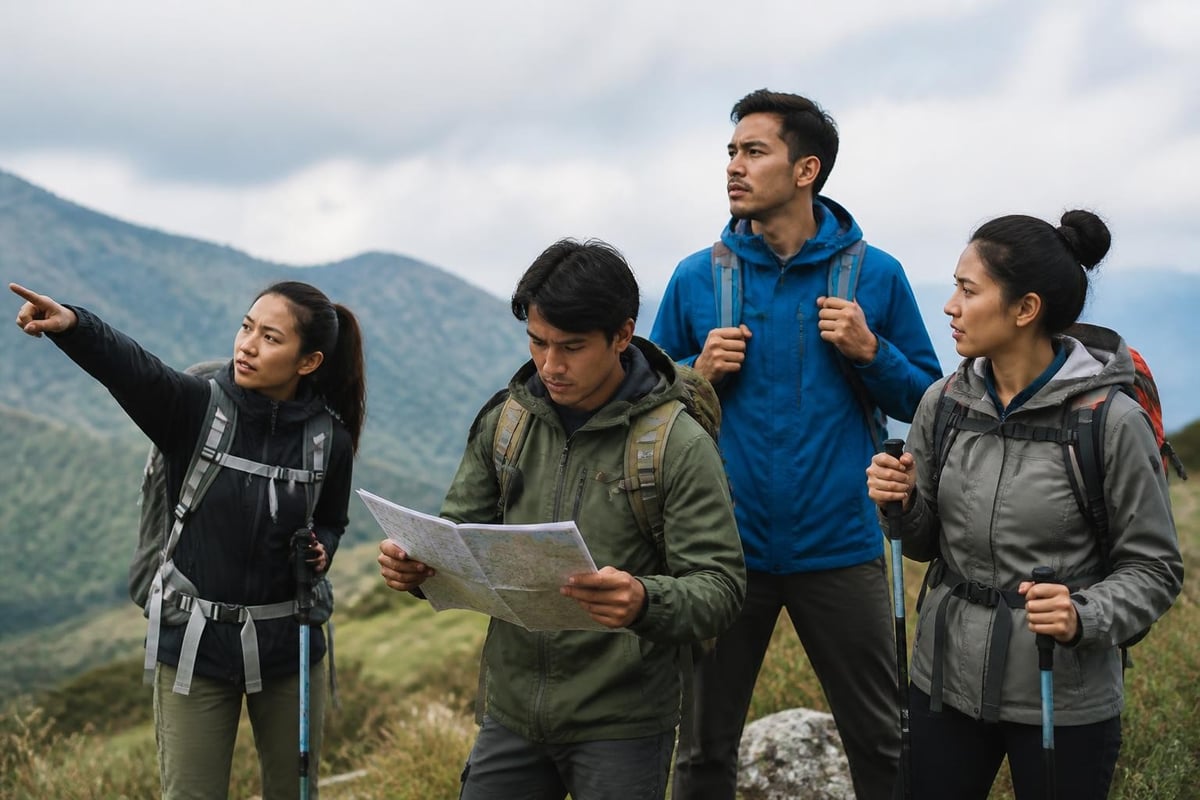
Effective communication becomes critical during team trekking when physical exertion, environmental noise, and challenging conditions complicate information exchange. Groups must establish clear signals, regular check-ins, and inclusive decision-making processes that ensure all voices contribute to the collective experience.
Communication best practices include:
- Regular headcounts at trail junctions
- Clear hand signals for common messages
- Scheduled rest stops for group discussions
- Buddy systems for mutual monitoring
- Transparent sharing of concerns or difficulties
- Celebration of milestones and achievements
Building Trust Through Shared Experience
Trust forms the foundation of effective teams, yet traditional workplace environments rarely create conditions for deep trust development. Team trekking accelerates trust-building through shared vulnerability, mutual dependence, and collective achievement under challenging conditions.
Vulnerability and Authentic Connection
When participants struggle with steep inclines, face physical exhaustion, or experience uncertainty about their capabilities, they reveal authentic selves that workplace personas typically conceal. This vulnerability, when met with support and encouragement, creates powerful interpersonal bonds.
The advantages of group trekking extend beyond safety benefits to encompass profound social connections that transform working relationships. Colleagues who have supported each other through physical challenges communicate more openly and collaborate more effectively in professional contexts.
Celebrating Collective Achievement
Summit moments or trek completions provide tangible evidence of what teams can accomplish together. These shared victories create reference points for future challenges, reminding teams of their collective capability during difficult projects or organizational changes.
| Trust-Building Element | Team Trekking Application | Workplace Transfer |
|---|---|---|
| Shared Challenge | Difficult ascents, weather conditions | Complex projects, tight deadlines |
| Mutual Support | Carrying supplies, pacing assistance | Knowledge sharing, workload distribution |
| Vulnerability | Physical struggles, uncertainty | Admitting mistakes, asking for help |
| Celebration | Summit achievement, completion | Project milestones, team successes |
Environmental Stewardship and Team Values
Responsible team trekking emphasizes environmental protection and sustainable practices, teaching participants to balance personal goals with ecological preservation. These lessons parallel organizational challenges of balancing profit with social responsibility, making environmental stewardship particularly valuable for corporate teams.
Leave No Trace Principles
Professional trekking organizations like Hiking Mount Rinjani prioritize environmental cleanliness, demonstrating how groups can enjoy natural spaces while preserving them for future generations. Teams that internalize these values often transfer environmental consciousness to workplace sustainability initiatives.
Core environmental practices:
- Pack out all waste and litter
- Stay on designated trails to prevent erosion
- Minimize campfire impacts or use established sites
- Respect wildlife and maintain safe distances
- Leave natural objects and cultural artifacts undisturbed
- Consider other visitors and local communities
Cultural Sensitivity and Local Engagement
Team trekking in regions like Lombok, Indonesia, offers opportunities for cultural learning and respectful engagement with local communities. Understanding local customs, supporting local economies through guide services and supplies, and appreciating indigenous knowledge enriches the experience while contributing positively to destination communities.
Teams exploring Lombok’s diverse attractions gain perspectives on cultural diversity and global citizenship that enhance organizational cultural competence and international collaboration capabilities.
Logistics and Practical Considerations
Successful team trekking requires attention to numerous logistical details that, when handled professionally, allow participants to focus on the experience rather than operational concerns. Organizations benefit from partnering with experienced providers who manage equipment, permits, food, and guide services.
Equipment and Supply Management
Quality equipment significantly impacts team trekking safety and enjoyment. Professional outfitters provide appropriate gear for various conditions, ensuring all participants have necessary items regardless of individual experience or preparation levels.
Essential equipment categories:
- Navigation: Maps, compasses, GPS devices, trail guides
- Safety: First aid kits, emergency shelters, communication devices
- Personal Gear: Proper footwear, layered clothing, rain protection
- Group Equipment: Tents, cooking supplies, water filtration
- Nutrition: Adequate food supplies, hydration systems, energy snacks
Timing and Seasonal Considerations
Understanding the best time to hike Mount Rinjani ensures teams experience optimal conditions for their chosen route. Seasonal variations affect trail conditions, weather patterns, and overall experience quality.
| Season | Advantages | Considerations |
|---|---|---|
| Dry Season (May-September) | Stable weather, clear views, easier trails | Higher traffic, warmer temperatures |
| Shoulder Season (April, October) | Moderate crowds, pleasant temperatures | Variable weather patterns |
| Wet Season (November-March) | Fewer trekkers, lush landscapes | Trail closures, safety concerns |
Training and Preparation Protocols
Adequate preparation distinguishes successful team trekking expeditions from challenging ordeals. Organizations should implement structured training programs that build physical fitness, develop outdoor skills, and prepare participants mentally for the demands of multi-day trekking.
Physical Conditioning Programs
Team members benefit from progressive fitness training that builds cardiovascular endurance, leg strength, and core stability. Training together enhances group cohesion while ensuring all participants meet minimum fitness requirements for their chosen trek.
Recommended training timeline:
- 8-12 weeks before: Begin cardiovascular base building
- 6-8 weeks before: Add weighted pack training
- 4-6 weeks before: Increase elevation gain in training hikes
- 2-4 weeks before: Practice with full expedition gear
- Final week: Taper activity, focus on rest and nutrition
Skills Development and Education
Beyond physical fitness, team trekking requires practical outdoor skills including navigation, first aid, weather interpretation, and Leave No Trace practices. Pre-trek workshops build confidence and ensure all participants understand expectations and protocols.
Measuring Team Trekking Outcomes
Organizations investing in team trekking experiences should establish metrics for evaluating impact on team dynamics, individual development, and organizational performance. Both quantitative and qualitative assessment methods provide insights into return on investment.
Immediate Post-Trek Assessment
Structured debriefing sessions immediately following team trekking expeditions capture fresh insights about group dynamics, leadership emergence, communication patterns, and individual growth. These discussions help translate trail experiences into workplace applications.
Assessment questions include:
- What moments required the most teamwork or collaboration?
- How did communication patterns differ from typical workplace interactions?
- Which team members demonstrated unexpected strengths or leadership?
- What challenges paralleled current organizational obstacles?
- How can we apply lessons learned to upcoming projects?
Long-Term Impact Evaluation
Sustained benefits of team trekking often emerge over weeks or months as participants apply insights to professional challenges. Follow-up assessments track changes in communication effectiveness, conflict resolution, innovation, and overall team performance.
Organizations can measure improvements in employee engagement scores, project completion rates, cross-functional collaboration, and retention of key personnel as indicators of successful team development through trekking experiences.
Customizing Experiences for Different Team Types
Team trekking adapts effectively to various organizational contexts, from corporate leadership development to nonprofit team building, educational programs, and recreational clubs. Understanding group-specific needs ensures optimal experience design.
Corporate Leadership Development
Executive teams benefit from challenging expeditions that simulate high-stakes decision-making, resource allocation under constraints, and adaptive leadership in uncertain environments. Multi-day treks with significant physical demands create pressure that reveals authentic leadership styles and collaboration patterns.
Cross-Functional Team Building
Departments that typically work independently gain valuable perspective through team trekking that requires integration of diverse skills and perspectives. Marketing professionals, engineers, finance teams, and operations staff discover mutual appreciation and improved communication through shared outdoor challenges.
New Team Formation
Newly assembled project teams or reorganized departments accelerate relationship development through team trekking experiences that bypass typical workplace formality. Shared adventure creates foundation of trust and communication that would otherwise require months of conventional collaboration to develop.
Team trekking offers unparalleled opportunities for building cohesive, high-performing groups through authentic shared experiences in challenging natural environments. The lessons learned on mountain trails-mutual support, clear communication, adaptive leadership, and collective achievement-translate directly into improved organizational performance and stronger workplace relationships. Hiking Mount Rinjani specializes in creating transformative team trekking experiences with professional guides, quality equipment, and carefully designed itineraries that balance challenge with safety while preserving Indonesia's stunning natural environment.