

What to Pack for Hiking – Mount Rinjani is not just another hiking destination. Standing at 3,726 meters above sea level, it is Indonesia’s second-highest volcano and one of Southeast Asia’s most demanding yet rewarding trekking experiences. For international hikers, Rinjani often represents a once-in-a-lifetime adventure: dramatic volcanic landscapes, sweeping savanna trails, a massive crater lake, and a summit that tests both physical and mental endurance.
Because of these conditions, preparation matters more than ambition. Many hiking problems on Rinjani do not come from lack of strength, but from poor packing decisions. Wrong backpack size, unsuitable clothing layers, or missing essential survival gear. That is why understanding what to pack for hiking, especially for Mount Rinjani, is critical before you book your flight or trekking permit.
This guide is written for international hikers who want a clear, practical, and experience-based packing reference. We will first cover a general hiking packing list that applies to most mountain treks, then focus specifically on what to pack for hiking Mount Rinjani, considering its unique routes, weather patterns, and regulations.
What to Pack for Hiking? From Clothing to Survival Gear
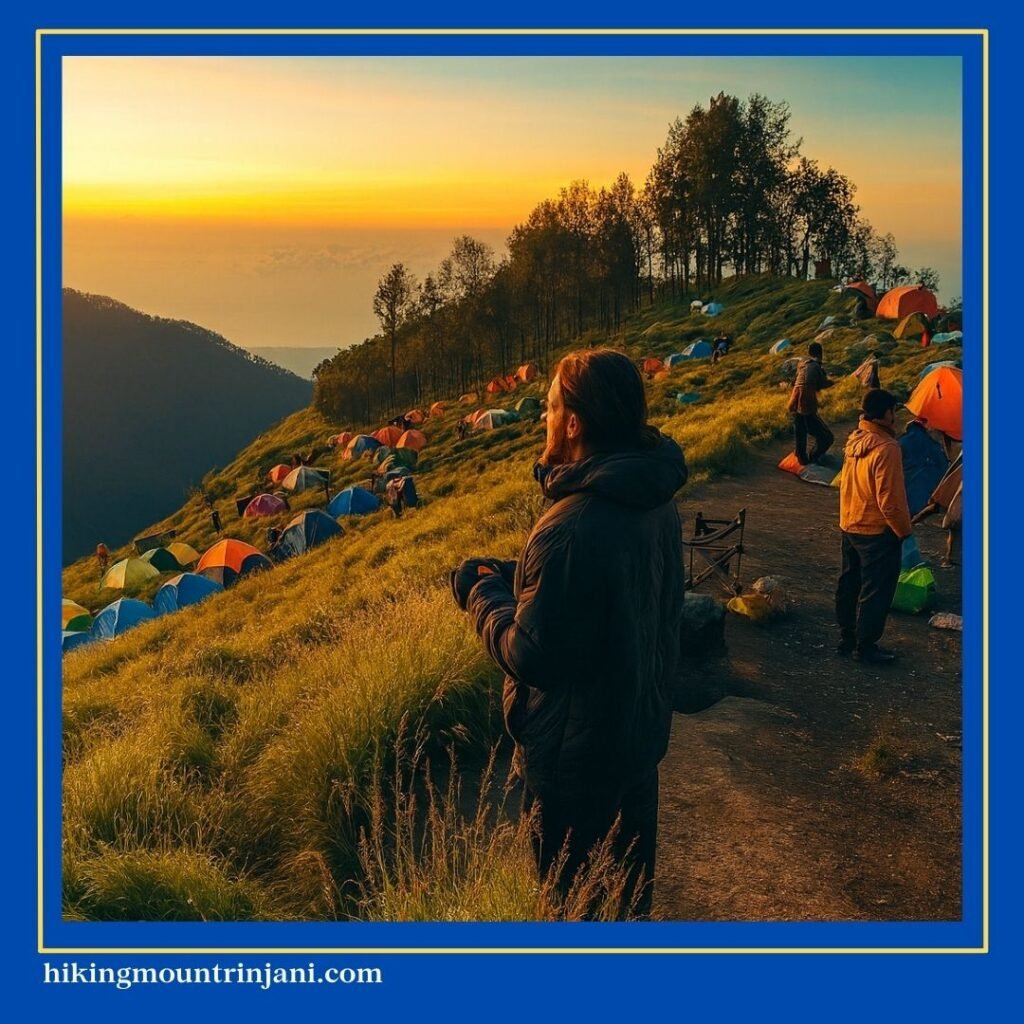
Before narrowing things down to Mount Rinjani, it is important to understand the core hiking essentials. These are the items that form the foundation of a safe and comfortable mountain trek, regardless of destination.
1. Backpack (Carrier)
Your backpack is the most critical piece of gear. The wrong size will affect balance, endurance, and even safety.
- Under 40 liters: Ideal for day hikes with minimal gear, no overnight stay, and light food supplies.
- 50 liters: Suitable for 2–3 day hikes, where you carry extra clothing, food, and basic sleeping gear.
- 60–70 liters: Recommended for treks longer than 3 days, especially when you need to carry tents, cooking equipment, and colder-weather sleeping systems.
For Mount Rinjani, most hikers choose 50–70 liters, depending on whether porters are used.
2. Clothing System (Layering Matters)
Hiking clothing is not about fashion—it is about temperature control and moisture management.
- Base Layer: Choose materials that wick sweat away from your skin, such as synthetic fabrics or merino wool. Keeps your body dry, reduces heat loss caused by sweat evaporation, and helps prevent chills at higher altitudes
- Mid Layer: The mid layer functions as insulation. Fleece or lightweight insulated jackets work best. Traps and reflects body heat. Essential for early mornings and cold campsites
- Outer Layer
Your outer layer serves as your main protection against harsh mountain conditions. A windproof and water-resistant or fully waterproof jacket helps block strong winds and sudden rain, especially on exposed ridges and near the summit. With the right outer layer, you can stay comfortable and quickly adapt as temperatures shift throughout the day.
Layering allows you to adjust quickly as temperatures change throughout the day.
3. What to Pack for Hiking? Quick-Dry Hiking Pants
Avoid cotton pants. Instead, choose quick-dry trekking pants.
- Dry faster after rain or sweat
- Lightweight and flexible for steep climbs
- More comfortable during long hiking hours
Convertible pants (zip-off) can be useful in warmer lower sections.
4. Trekking Shoes with Strong Grip
Your shoes must handle:
- Loose volcanic gravel
- Rocky ascents
- Slippery descents
Look for: Strong outsole grip, ankle support, and breathable but durable materials. Well-broken-in shoes are essential. Never start a major hike with brand-new footwear.
5. Rain Jacket or Poncho
Weather in the mountains can change suddenly.
- Lightweight rain jacket or poncho
- Waterproof and windproof
- Easy to access without unpacking everything
Even in dry season, rain protection is non-negotiable.
6. What to Pack for Hiking? Sleeping Equipment
If your hike includes overnight camping, proper sleep gear directly affects recovery and safety.
- Tent: Suitable for mountain winds and cold nights
- Sleeping mat: Insulates your body from cold ground
- Sleeping bag: Choose temperature ratings based on altitude and expected night temperatures
For Mount Rinjani, temperatures at night can drop significantly, especially near the crater rim and summit camps.
7. Survival and Emergency Gear
These items may not be used often, but when needed, they are invaluable.
- Portable stove
- Cooking pot (nesting set)
- Gas canister
- Headlamp or flashlight
- Trekking poles
- Knife or multi-tool
- Small repair items and emergency accessories
This gear supports cooking, navigation, balance, and emergency preparedness.
.
Read Also: 4 Must-Follow Tips for Women Hiking Mount Rinjani
What to Pack for Hiking Mount Rinjani?
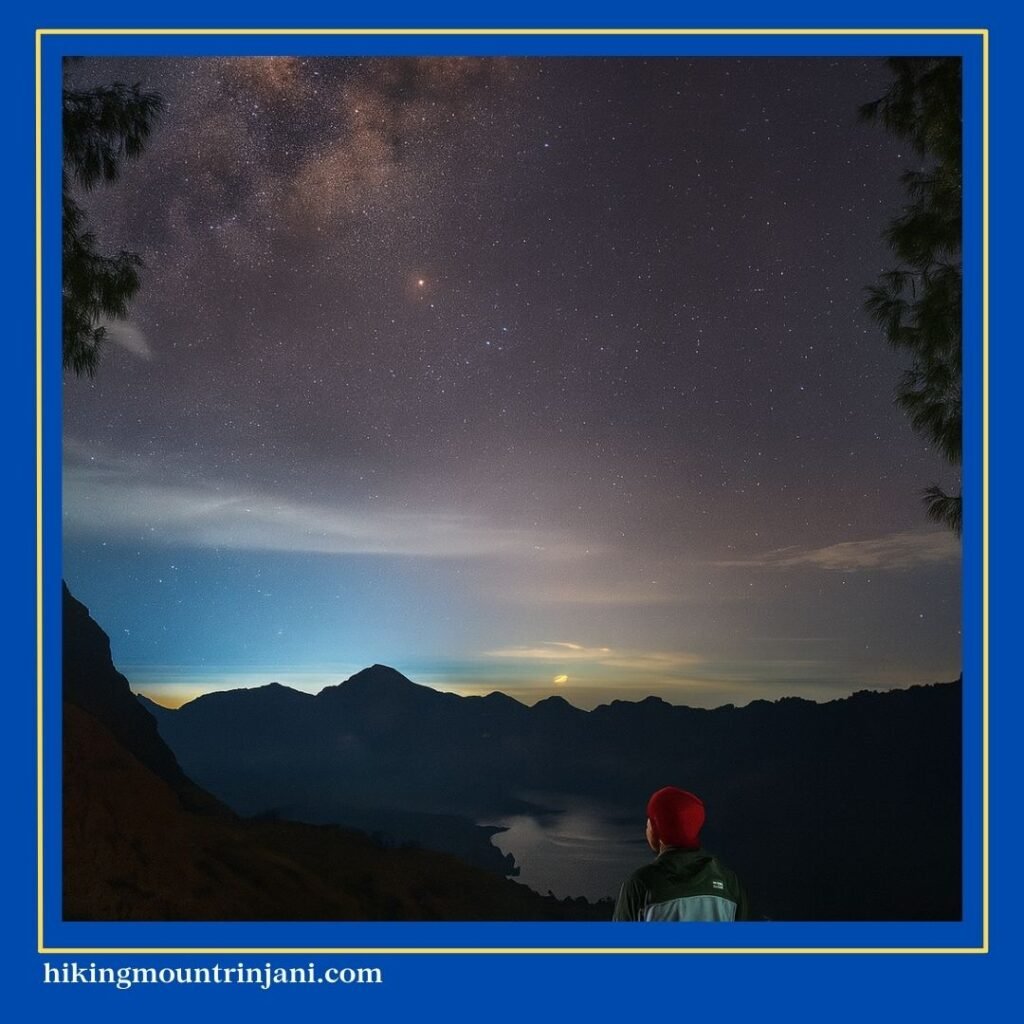
Mount Rinjani has several official routes, including Sembalun, Senaru, and newer trekking lines. Each route has different terrain and weather exposure, but all share one thing: rapid environmental changes.
Weather and trail conditions on Mount Rinjani vary significantly depending on the route and elevation. The lower sections of the trail are often hot and dry, with long stretches of open savanna and very limited shade, making sun exposure a constant challenge. As you gain altitude and approach the crater rim, temperatures drop noticeably and strong winds become more common, especially in the late afternoon and evening.
The summit route presents the most extreme conditions, with very cold temperatures before sunrise, loose volcanic sand and gravel underfoot, and the possibility of strong winds and reduced visibility. Because of these rapid changes, packing for Mount Rinjani requires extra protection against intense sun, cold winds, and dehydration.
Additional Gear Highly Recommended for Mount Rinjani
1. Sun Protection
- Wide-brim hat or cap
- UV-protection sunglasses
- Sunscreen
The Sembalun route, in particular, can feel extremely hot during the day.
2. Summit Attack Essentials
- Small daypack (15–20 liters)
- Headlamp (mandatory for night ascent)
- Warm jacket and gloves
- Energy snacks
Most summit attempts start before dawn, when temperatures are lowest.
3. Hydration Equipment
- Refillable water bottles or hydration bladder
- Minimum capacity adjusted to daily trekking distance
- Dehydration is one of the most common issues on Rinjani.
4. Personal Items
- Lightweight gloves
- Buff or neck gaiter
- Basic first-aid kit
.
Read Also: Where Is Mount Rinjani? Location & Main Hiking Routes
Planning to Hike Mount Rinjani? Important Notes Before Your Trip
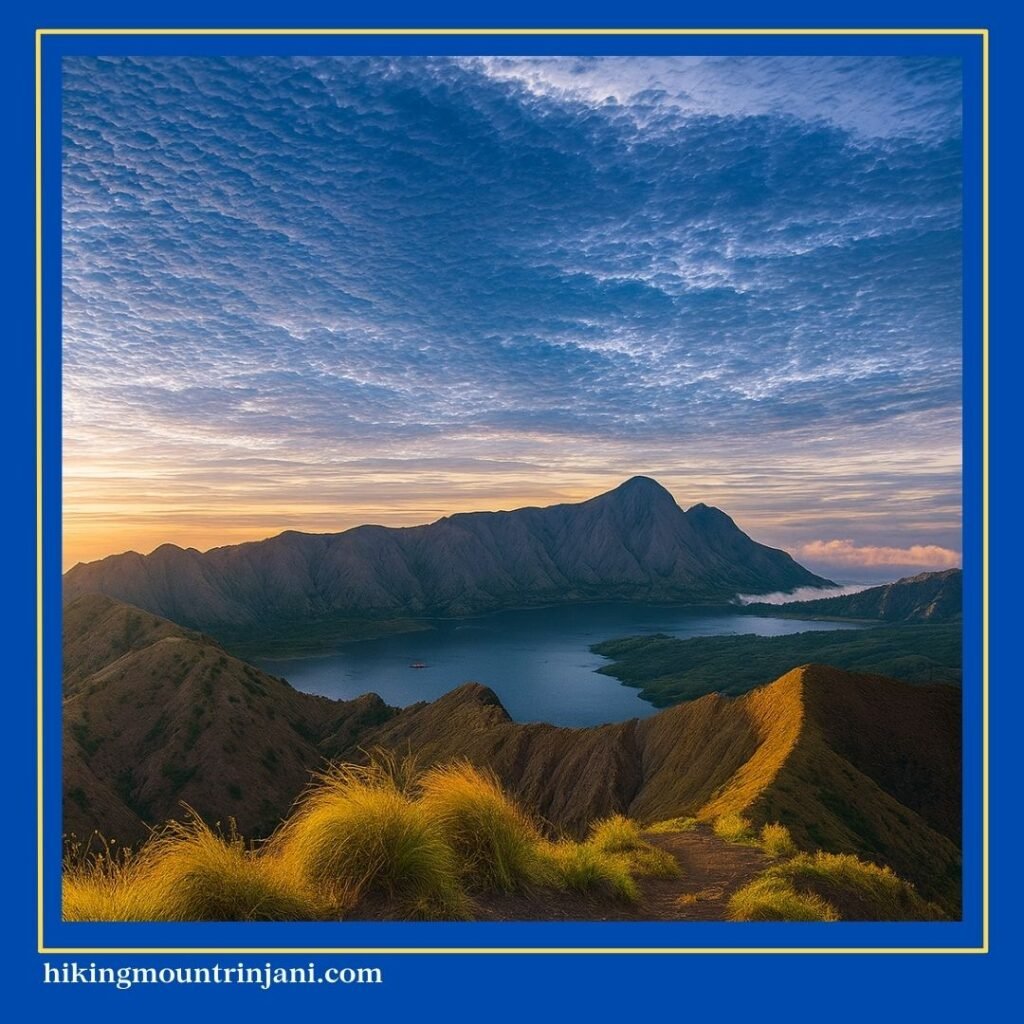
Mount Rinjani is managed by BTN Gunung Rinjani (Rinjani National Park Authority), and regulations for international hikers continue to evolve. For 2026, several important rules apply to foreign visitors.
1. Mandatory Use of Tour Operators (TO)
International hikers are required to use a registered Tour Operator. Starting January 1, 2026:
- One certified guide may accompany a maximum of four hikers
- The guide’s carrying load is limited to 15 kg
This regulation is designed to improve safety, environmental protection, and hiking quality.
2. Online Registration System
- Registration can be completed by the Tour Operator or the hiker
- Approval must come from the Tour Operator used
- Valid identification is required during registration
- If quota is still available, the system will issue a payment request, which must be processed by the Tour Operator.
If you want to hike Mount Rinjani but feel unsure where to start—permits, packing, routes, or regulations, you do not need to plan alone. Hiking Mount Rinjani can assist you with:
- Registration and permit arrangements
- Packing guidance based on your route and season
- Practical advice before booking your departure ticket
With the right preparation and support, Mount Rinjani becomes not only challenging, but deeply rewarding. Whatsapp below!
.
Read Also: Is Mount Rinjani Harder Than Kilimanjaro? Here’s the Real Truth
Final Thoughts: Why Packing Right Matters
Understanding what to pack for hiking is not about carrying more—it is about carrying smarter. On Mount Rinjani, the right backpack size, proper clothing layers, and essential survival gear can determine whether your hike feels exhausting or empowering.
Rinjani rewards those who respect the mountain. Preparation, knowledge, and thoughtful packing allow you to fully experience its beauty, safely and responsibly.
.