

Peak trekking represents one of the most rewarding challenges in outdoor adventure, combining physical endurance, mental determination, and the pursuit of breathtaking summit views. Unlike standard hiking trails that wind through valleys or forests, peak trekking focuses specifically on reaching mountain summits, requiring specialized preparation, equipment, and understanding of high-altitude environments. Whether you're planning your first crater rim experience or aiming for a volcanic summit, understanding the fundamentals of peak trekking will enhance both your safety and enjoyment on the mountain.
Understanding Peak Trekking Fundamentals
Peak trekking differs significantly from traditional hiking in both objectives and execution. While regular hiking emphasizes the journey through varied landscapes, peak trekking prioritizes reaching a specific summit destination. This goal-oriented approach demands different physical conditioning, mental preparation, and logistical planning.
The classification of trekking peaks originated in the Himalayas, where mountaineering authorities distinguish between expedition peaks requiring technical climbing skills and trekking peaks accessible through hiking. This distinction helps adventurers select appropriate challenges matching their skill levels and experience.
Physical Demands and Altitude Considerations
Peak trekking places unique demands on your cardiovascular system as altitude increases. Every 1,000 feet of elevation gain reduces oxygen availability, forcing your body to work harder with each step. Successful summit attempts require progressive acclimatization, allowing your body to adapt to thinner air gradually.
Key physical requirements include:
- Cardiovascular endurance for sustained uphill hiking
- Leg strength for steep ascents and descents
- Core stability for balance on uneven terrain
- Mental resilience for early morning summit pushes

Training should begin 8-12 weeks before your trek. Focus on building aerobic capacity through activities like stair climbing, uphill running, and long-distance hiking with weighted backpacks. Incorporate strength training twice weekly, emphasizing squats, lunges, and step-ups to condition leg muscles for prolonged climbing.
Essential Gear for Peak Trekking Success
Equipment selection can determine whether your peak trekking experience becomes triumphant or challenging. Quality gear protects against mountain weather while supporting your performance throughout the ascent.
Layering System Breakdown
| Layer Type | Purpose | Example Items |
|---|---|---|
| Base Layer | Moisture management | Merino wool or synthetic shirts |
| Mid Layer | Insulation | Fleece jacket, down vest |
| Outer Layer | Weather protection | Waterproof jacket, windproof pants |
| Summit Layer | Extreme cold protection | Insulated parka, thermal gloves |
Temperature variations on mountain peaks can exceed 40 degrees between base camp and summit. Your clothing system must accommodate these dramatic shifts while remaining packable and lightweight.
Critical Equipment Checklist
Beyond clothing, several items prove indispensable for peak trekking:
- Headlamp with extra batteries for pre-dawn summit attempts
- Trekking poles to reduce knee strain and improve balance
- High-energy snacks providing quick calories at altitude
- Insulated water bottles preventing freezing in cold conditions
- Sun protection including high-SPF sunscreen and glacier glasses
- First aid supplies addressing blisters, altitude sickness, and minor injuries
Quality trekking boots represent your most important investment. Break them in thoroughly before your trek, ensuring proper ankle support and waterproof protection. Many peak trekking failures result from preventable foot problems rather than inadequate fitness.
Route Planning and Timing Strategies
Strategic route selection and timing significantly impact your peak trekking success rate. Understanding trail characteristics, seasonal weather patterns, and optimal departure times creates advantages that separate successful summits from turned-back attempts.
Choosing Your Peak Trekking Objective
For those exploring Rinjani trekking options, Indonesia's volcanic peaks offer exceptional opportunities matching various experience levels. Mount Rinjani stands at 3,726 meters, providing challenging yet accessible peak trekking without requiring technical mountaineering skills.
When selecting your objective, consider these factors:
- Current fitness level and hiking experience
- Available time for proper acclimatization
- Seasonal conditions affecting trail accessibility
- Support infrastructure including guides and porters
- Summit elevation and associated altitude risks
Beginners should target peaks below 4,000 meters for initial attempts, allowing bodies to adjust while building confidence in mountain environments. Experienced trekkers can pursue higher objectives, but should still respect acclimatization protocols regardless of previous achievements.
Optimal Summit Timing
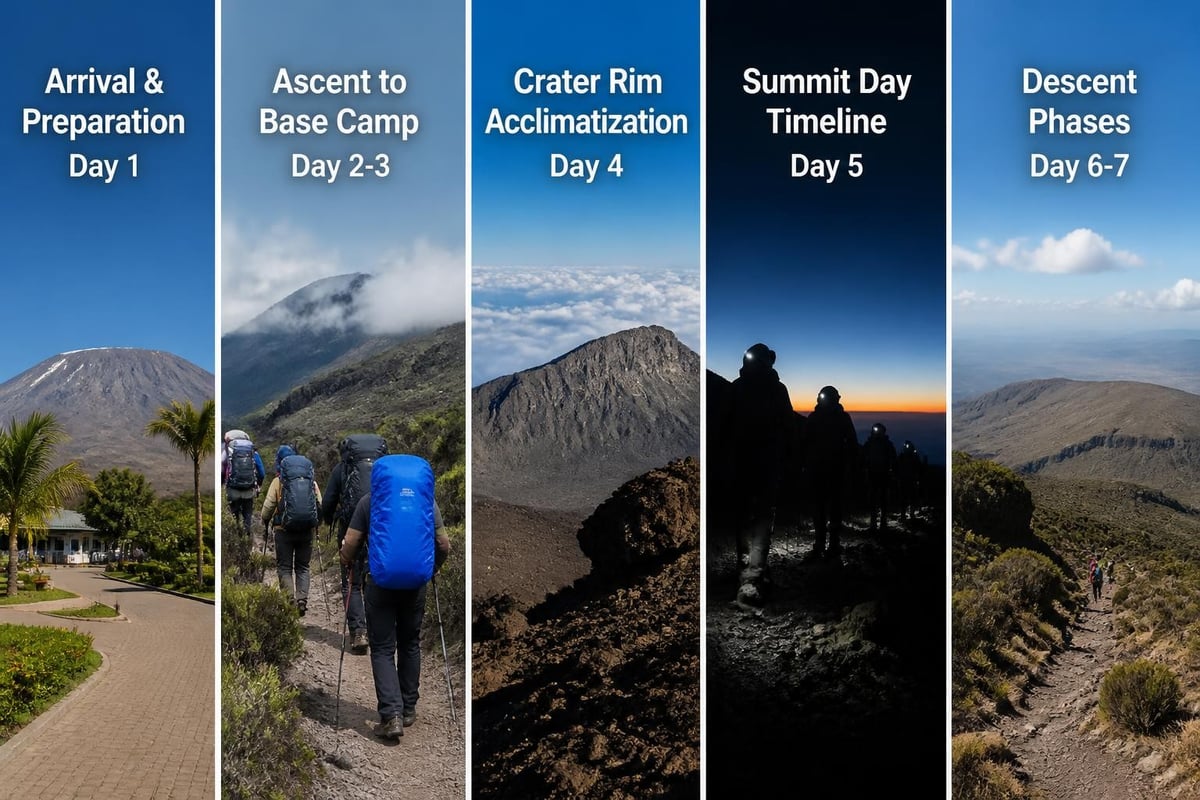
Peak trekking typically involves predawn departures to reach summits during favorable weather windows. Most successful ascents begin between 2:00 AM and 4:00 AM, targeting summit arrival near sunrise when conditions remain stable and views prove spectacular.
Advantages of early summit attempts:
- Calmer winds before afternoon thermal activity
- Firmer snow or volcanic soil before sun softening
- Clearer skies with better visibility
- Adequate daylight for safe descent
- Reduced afternoon thunderstorm exposure
Plan your multi-day trek itinerary to position yourself at high camps the night before summit day. This minimizes vertical gain during the final push while maximizing acclimatization benefits.
Training and Preparation Protocols
Physical conditioning separates enjoyable peak trekking experiences from grueling sufferfests. While natural fitness helps, structured training programs yield superior results by addressing specific demands of high-altitude ascents.
Cardiovascular Conditioning
Your aerobic base determines summit success more than any other fitness component. Peak trekking demands sustained effort over hours, requiring efficient oxygen utilization even as availability decreases.
Effective cardiovascular training includes:
- Long, slow distance hikes (3-6 hours) building endurance
- Interval training on stairs or hills developing power
- Progressive elevation gain increases preparing for altitude
- Back-to-back training days simulating multi-day treks
Schedule at least one long training hike weekly, gradually increasing both distance and elevation gain. Aim to complete several hikes exceeding your expected summit day vertical gain, creating reserves for altitude-induced performance decreases.
Strength and Mobility Work
While cardiovascular fitness gets attention, strength training prevents injuries and improves hiking efficiency. Focus on functional movements mimicking trekking demands rather than isolated muscle exercises.
| Exercise Type | Frequency | Key Movements |
|---|---|---|
| Lower body strength | 2x weekly | Squats, lunges, step-ups, deadlifts |
| Core stability | 3x weekly | Planks, rotations, loaded carries |
| Balance training | 2x weekly | Single-leg stands, stability exercises |
| Flexibility | Daily | Hip flexors, hamstrings, calves |
Weighted pack training proves particularly valuable. Practice hiking with loads matching your expected gear weight, conditioning your body to the specific stress of loaded climbing. Gradually increase pack weight from 15% to 25% of body weight over your training period.
Altitude Acclimatization Techniques
Understanding and implementing proper acclimatization strategies represents the difference between summit success and altitude-related failures. Even fit trekkers struggle when rushing elevation gain without allowing physiological adaptation.
Acclimatization Principles
Your body requires time to adjust to reduced oxygen pressure at altitude. This adaptation involves increased red blood cell production, enhanced breathing efficiency, and improved oxygen delivery to muscles. These changes cannot be rushed without risking altitude sickness.
The golden rule of altitude acclimatization: climb high, sleep low. While you may trek to higher elevations during the day, sleeping at lower camps allows better recovery and continued adaptation. Many successful peak climbing strategies incorporate rest days at intermediate camps, allowing bodies to adjust before pushing higher.
Recognizing Altitude Sickness
Peak trekking elevations frequently trigger altitude-related symptoms. Recognizing early warning signs enables appropriate responses before conditions worsen.
Common altitude sickness symptoms:
- Persistent headache unrelieved by standard pain medication
- Nausea, vomiting, or loss of appetite
- Unusual fatigue or weakness
- Dizziness or lightheadedness
- Difficulty sleeping despite exhaustion
Mild symptoms often resolve with rest and hydration at current elevation. Moderate to severe symptoms require descent to lower altitudes immediately. No summit justifies ignoring serious altitude sickness, which can progress to life-threatening conditions.
Navigation and Safety Protocols
Peak trekking environments present unique navigation challenges compared to valley trails. Summit routes often cross exposed terrain with limited landmarks, while weather can obscure visibility within minutes.
Essential Navigation Skills
Modern GPS devices and smartphone apps provide valuable tools, but should supplement rather than replace traditional navigation skills. Batteries fail, electronics malfunction, and dense clouds render digital maps meaningless without position awareness.
Core navigation competencies include:
- Map reading and terrain association
- Compass use for bearing maintenance
- Altimeter tracking for elevation confirmation
- Route-finding on unmarked terrain
- Weather pattern recognition
Practice these skills during training hikes rather than learning during your actual peak trek. Many mountains offer well-traveled routes, but conditions can obscure trails quickly. Understanding how to navigate independently provides security even when following guides.
Emergency Preparedness
Peak trekking inherently involves calculated risks. Proper emergency preparation minimizes consequences when situations deteriorate unexpectedly.
Carry communication devices appropriate for your location. Satellite messengers enable emergency contact beyond cellular coverage, while personal locator beacons summon rescue services when needed. Share detailed itineraries with reliable contacts, including expected return times and emergency protocols.
Understanding basic wilderness first aid proves invaluable when medical help remains hours or days away. Focus particularly on managing blisters, treating hypothermia, addressing altitude sickness, and stabilizing orthopedic injuries until evacuation becomes possible.

Weather Patterns and Seasonal Considerations
Mountain weather significantly impacts peak trekking success rates and safety margins. Understanding seasonal patterns and daily weather cycles helps optimize timing while avoiding hazardous conditions.
Seasonal Weather Windows
Most peak trekking destinations offer distinct favorable seasons when weather patterns stabilize and precipitation decreases. Research your specific mountain's climate thoroughly, as optimal seasons vary dramatically by location and hemisphere.
For volcanic peaks in tropical regions like Indonesia, dry season windows provide the most reliable conditions. These periods typically feature clearer skies, reduced rainfall, and more stable temperatures, creating ideal summit opportunities.
Daily Weather Cycles
Mountain weather follows predictable daily patterns during stable periods. Clear mornings typically give way to afternoon cloud buildup and potential precipitation. These cycles reinforce why early summit attempts succeed more reliably than afternoon ascents.
Typical mountain weather progression:
- Pre-dawn (2-6 AM): Coldest temperatures, clearest skies, calmest winds
- Morning (6-10 AM): Warming temperatures, excellent visibility, increasing winds
- Midday (10 AM-2 PM): Peak temperatures, cloud formation begins, stronger winds
- Afternoon (2-6 PM): Maximum clouds, highest precipitation risk, variable winds
- Evening (6 PM-midnight): Cooling temperatures, clearing skies, decreasing winds
Plan your summit timeline to capitalize on favorable morning conditions while descending before afternoon weather deterioration. This strategy maximizes safety margins and summit success probability.
Nutrition and Hydration at Altitude
Maintaining proper nutrition and hydration becomes increasingly challenging yet critically important as elevation increases. Altitude suppresses appetite while accelerating dehydration, creating a dangerous combination for trekkers unprepared for these effects.
Caloric Requirements
Peak trekking burns substantially more calories than lowland hiking due to increased effort, altitude stress, and thermoregulation demands. Budget 4,000-6,000 calories daily during active trekking, with summit days requiring even higher intake.
| Meal Timing | Calorie Target | Food Examples |
|---|---|---|
| Pre-summit (midnight) | 500-700 calories | Oatmeal, energy bars, hot chocolate |
| Summit climb | 200-300 calories/hour | Trail mix, gels, chocolate |
| Post-summit | 800-1000 calories | Hot meal, soup, carbohydrates |
| Evening meals | 1500-2000 calories | Protein, complex carbs, fats |
Focus on easily digestible carbohydrates during active climbing, as your body struggles to process fats and proteins at altitude. Save higher-fat foods for base camps where digestion occurs more normally.
Hydration Strategies
Altitude accelerates fluid loss through increased respiration and reduced humidity. Dehydration impairs performance while increasing altitude sickness susceptibility, making consistent fluid intake essential despite reduced thirst sensation.
Target 4-6 liters daily during active trekking, adjusting for temperature and exertion level. Warm liquids prove easier to consume in cold environments while providing comforting warmth. Many experienced trekkers prefer hot tea or flavored water over plain cold water at altitude.
Monitor urine color as a hydration indicator. Pale yellow indicates adequate hydration, while dark yellow or amber signals insufficient fluid intake requiring immediate correction.
Multi-Day Trek Logistics
Successful peak trekking often requires multi-day expeditions with overnight camps at progressively higher elevations. Understanding logistical considerations helps maintain comfort and performance throughout extended mountain journeys.
Camping Equipment and Shelter
Quality shelter systems protect against mountain weather while enabling recovery between climbing days. Four-season tents designed for alpine conditions withstand high winds and heavy precipitation that overwhelm summer camping gear.
Essential camping equipment includes:
- Four-season tent with sturdy pole structure
- Sleeping bag rated 10-15°F below expected temperatures
- Insulated sleeping pad preventing ground heat loss
- Camp stove and fuel for hot meals and drinks
- Headlamp with extended battery life
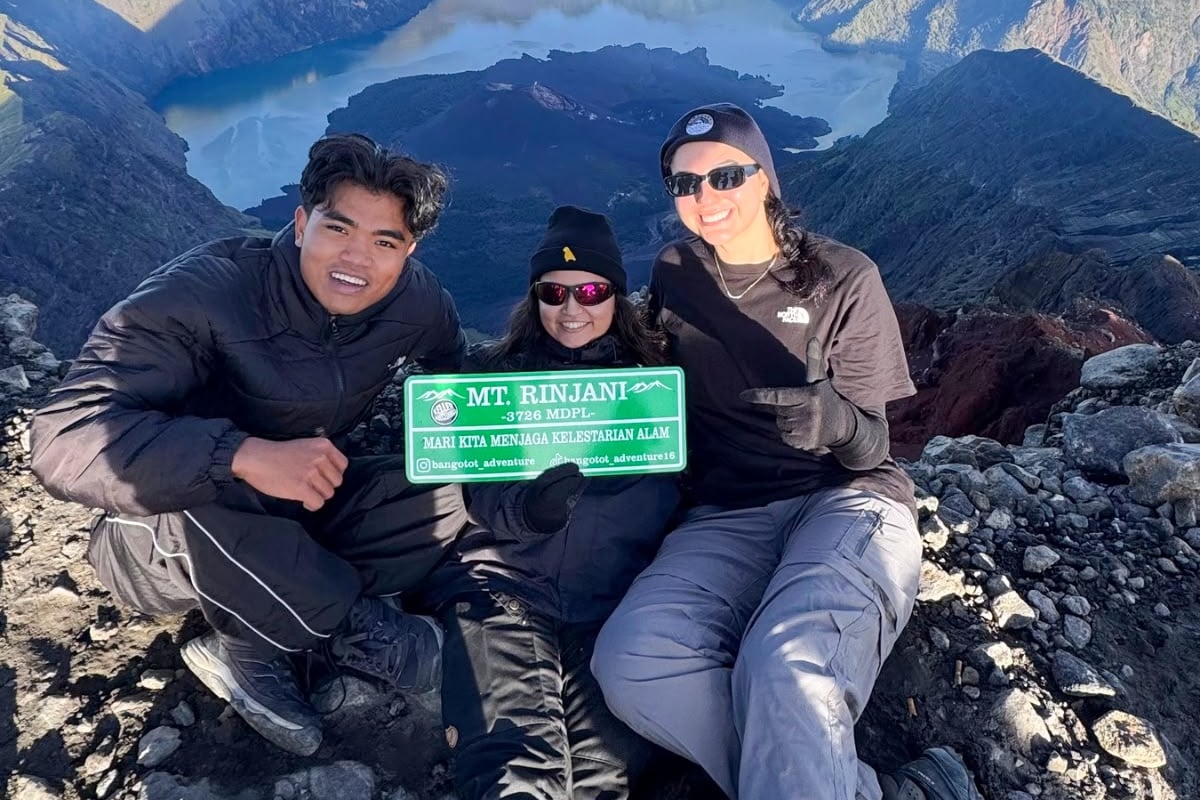
For those considering extended Mount Rinjani expeditions, reputable operators provide quality camping equipment suited to volcanic mountain conditions. This 4-day, 3-night package allows extra acclimatization time through an additional night at Segara Anak Lake, improving summit success rates while reducing altitude stress.
Porter and Guide Considerations
Many peak trekking destinations offer porter and guide services, significantly enhancing both safety and enjoyment. Guides provide invaluable local knowledge about route conditions, weather patterns, and emergency procedures. Porters carry heavy gear, allowing trekkers to focus energy on climbing rather than load hauling.
When selecting guide services, prioritize experience, safety records, and environmental practices. Research companies thoroughly, reading reviews from previous clients. Quality operators invest in guide training, maintain proper equipment, and follow sustainable mountain practices.
Environmental Stewardship on Mountains
Peak trekking grants access to pristine mountain environments requiring careful stewardship. Every trekker bears responsibility for minimizing impact while preserving these landscapes for future adventurers.
Leave No Trace Principles
Mountain environments prove particularly fragile, with vegetation struggling to recover from disturbance and waste decomposing slowly in cold temperatures. Strict adherence to Leave No Trace principles protects these vulnerable ecosystems.
Critical mountain stewardship practices:
- Pack out all waste including food scraps and toilet paper
- Use established campsites rather than creating new ones
- Stay on marked trails preventing erosion and vegetation damage
- Minimize campfire impact or avoid fires entirely
- Respect wildlife by observing from distance
Participate in trail maintenance and cleanup efforts when opportunities arise. Many mountain regions organize volunteer days addressing erosion, removing accumulated trash, and rehabilitating damaged areas. These initiatives directly preserve the peak trekking experiences you value.
Sustainable Tourism Practices
Support local economies through responsible spending while choosing operators committed to environmental protection and fair labor practices. Ethical guide services pay porters fairly, provide proper equipment, and limit group sizes to reduce trail impact.
Consider the broader environmental impact of your trekking choices. Select companies demonstrating genuine environmental commitment rather than those merely claiming eco-friendly status without supporting actions. Quality operators actively work to minimize their footprint while contributing to local conservation efforts.
Mental Preparation and Summit Psychology
Physical fitness and technical skills receive significant attention in peak trekking preparation, yet mental resilience often determines who reaches summits and who turns back. Understanding psychological challenges helps develop coping strategies for difficult moments.
Developing Mental Toughness
Summit attempts test mental fortitude through discomfort, exhaustion, and self-doubt. Success requires pushing through challenging moments while maintaining sound judgment about genuine risks versus temporary difficulty.
Mental preparation techniques include:
- Visualization of successful summit progression
- Breaking climbs into manageable segments
- Positive self-talk during difficult stretches
- Mindfulness practices managing discomfort
- Clear decision criteria for turnaround situations
Practice mental skills during training hikes, particularly during uncomfortable conditions. Deliberately continue when cold, tired, or questioning motivation, building confidence in your ability to persevere through adversity.
Knowing When to Turn Around
Summit fever clouds judgment, tempting trekkers to ignore warning signs in pursuit of peak achievement. Establishing clear turnaround criteria before beginning prevents emotional decisions during climbs.
Non-negotiable turnaround conditions:
- Reaching predetermined turnaround time regardless of position
- Developing moderate to severe altitude sickness symptoms
- Encountering dangerous weather beyond skill level
- Equipment failure compromising safety
- Exhaustion preventing safe descent
Remember that mountains remain permanent while summit windows cycle regularly. Turning back demonstrates wisdom rather than weakness, preserving opportunity for future successful attempts.
Peak Trekking as Gateway to Greater Adventures
Successful peak trekking experiences often ignite passion for progressively challenging mountain objectives. Each summit reached builds skills, confidence, and appetite for more ambitious adventures.
Many trekkers begin with moderate volcanic peaks before pursuing higher Himalayan objectives requiring extended expeditions and advanced mountaineering skills. This natural progression allows steady skill development while minimizing risk through graduated challenges.
View each trek as educational opportunity rather than merely destination achievement. Analyze what worked well, identify areas needing improvement, and apply lessons to subsequent adventures. This reflective practice accelerates learning while enhancing safety margins.
Building Your Peak Trekking Resume
Strategic objective selection creates satisfying progression through increasingly challenging peaks. Start with mountains offering comprehensive learning experiences without excessive objective hazards.
Consider keeping a detailed trekking journal documenting conditions, performances, and lessons learned. Review entries before subsequent treks, applying accumulated wisdom to new challenges. Many successful mountaineers credit systematic learning from each expedition as critical to their long-term achievement.
Connect with broader trekking communities through clubs, online forums, and social media groups. These networks provide trip planning advice, partner opportunities, and collective knowledge exceeding what any individual accumulates alone. Share your experiences generously, contributing to community wisdom while building relationships with like-minded adventurers.
Peak trekking combines physical challenge, mental determination, and profound connection with mountain landscapes. Success requires thorough preparation across fitness, equipment, navigation, and psychological readiness dimensions.
Whether you're planning your first crater rim adventure or pursuing ambitious volcanic summits, Hiking Mount Rinjani provides experienced guidance, quality equipment, and comprehensive support ensuring safe, successful peak trekking experiences. Their professional guides understand mountain conditions intimately while maintaining commitment to environmental stewardship and trekker satisfaction throughout your summit journey.