
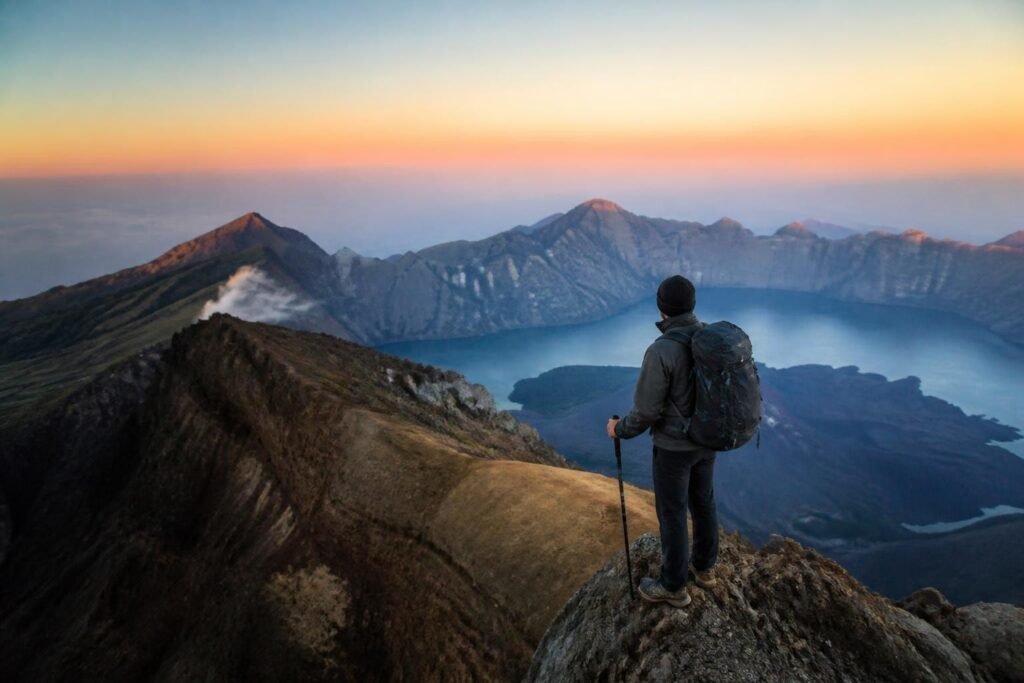
Mt rinjani trekking represents one of Southeast Asia's most rewarding mountaineering experiences, combining challenging terrain with breathtaking natural beauty. Standing at 3,726 meters above sea level, Mount Rinjani dominates Lombok's landscape and draws thousands of adventurers annually. The journey to its summit or crater rim tests physical endurance while offering unparalleled views of the volcanic crater lake, Segara Anak, and the surrounding Indonesian archipelago. Whether you're an experienced mountaineer or a first-time trekker, understanding the demands and rewards of this expedition ensures a safe and memorable experience.
Understanding Mt Rinjani Trekking Routes
The mountain offers multiple ascent paths, each providing distinct experiences and difficulty levels. Choosing the right route depends on your fitness level, available time, and trekking objectives.
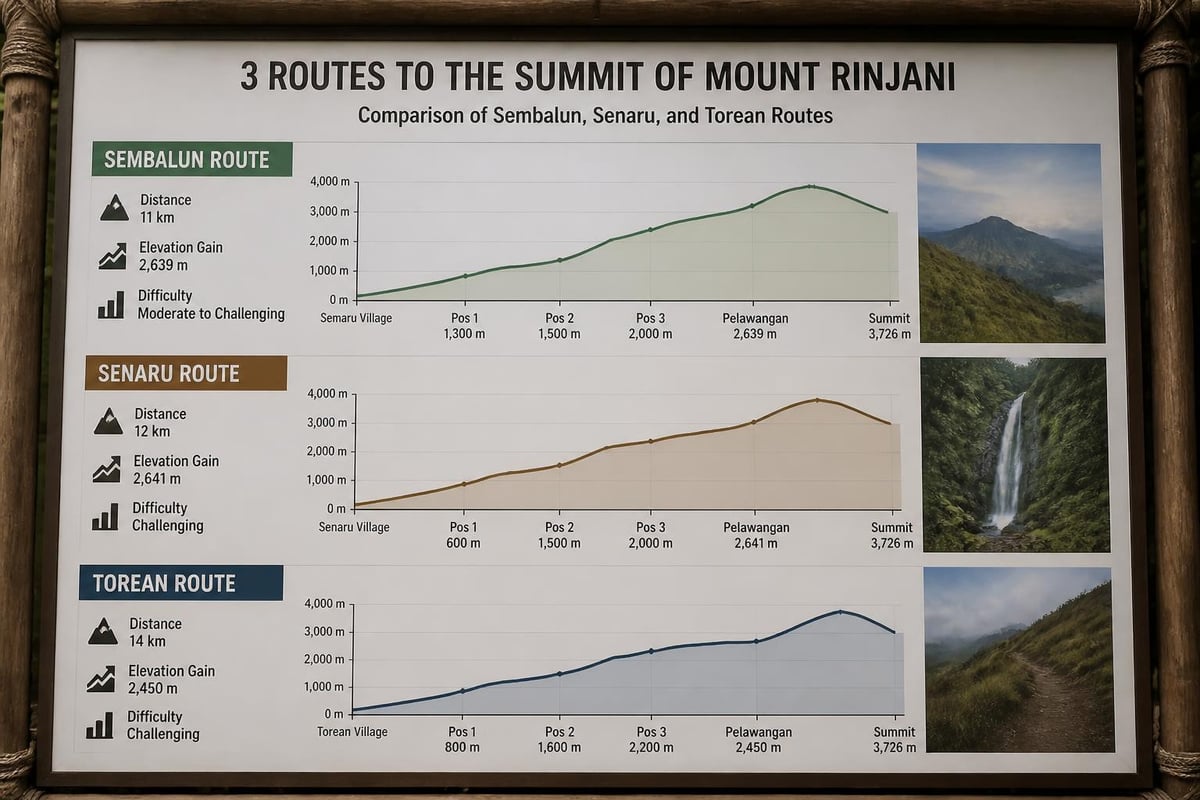
Sembalun Route
The Sembalun route begins on the mountain's eastern side and is considered the most direct path to the summit. This trail starts at higher elevation, reducing the overall vertical climb but offering less shade during daytime hours.
Key characteristics include:
- Starting elevation of approximately 1,150 meters
- More gradual initial ascent through open savannah
- Limited tree cover, requiring sun protection
- Preferred route for summit attempts
The exposed terrain means trekkers face direct sunlight for extended periods, making early morning starts essential. This route connects with the Senaru trail at the crater rim, creating popular multi-day circuit options.
Senaru Route
Starting from the northern village of Senaru at lower elevation, this traditional path offers a different perspective on mt rinjani trekking. The trail winds through dense tropical forest before emerging onto more exposed terrain.
| Feature | Sembalun | Senaru |
|---|---|---|
| Starting Elevation | 1,150m | 601m |
| Forest Coverage | Minimal | Extensive |
| Summit Distance | Shorter | Longer |
| Shade Availability | Low | High (initially) |
| Technical Difficulty | Moderate | Moderate-High |
The Senaru approach provides natural cooling during the initial climb, though the lower starting point means greater total elevation gain. Many trekkers appreciate the gradual acclimatization this route provides.
Torean Route
The newest addition to official trekking paths, the Torean route has gained significant popularity since opening in 2021. This trail showcases unique geological formations and diverse ecosystems that remind many visitors of prehistoric landscapes. Those seeking an extended experience might consider the 4-day-3-night package, which allows extra time at Segara Anak Lake and includes the stunning Penimbungan Waterfall along the Torean trail.
The route features distinctive vegetation zones and exceptional photographic opportunities. Its relative newness means fewer crowds compared to traditional paths, though infrastructure continues developing.
Preparation Essentials for Mt Rinjani Trekking
Successful summit attempts require thorough preparation across multiple dimensions. Physical conditioning, proper equipment, and mental readiness all contribute to achieving your trekking goals.
Physical Training Requirements
Building appropriate fitness levels should begin at least six to eight weeks before your planned trek. The demanding terrain and high altitude require cardiovascular endurance and muscular strength.
Recommended training activities:
- Stair climbing with weighted backpack (8-10 kg)
- Long-distance hiking on varied terrain
- Cardiovascular exercises (running, cycling, swimming)
- Leg strengthening exercises (squats, lunges, step-ups)
- Core stability work for balance on uneven surfaces
Progressive training intensity helps your body adapt to sustained physical exertion. Focus on building stamina for 6-8 hours of continuous activity, matching typical trekking days.
Equipment and Gear Selection
Quality equipment significantly impacts comfort and safety during mt rinjani trekking. While reputable operators provide essential camping gear, personal items require careful selection.
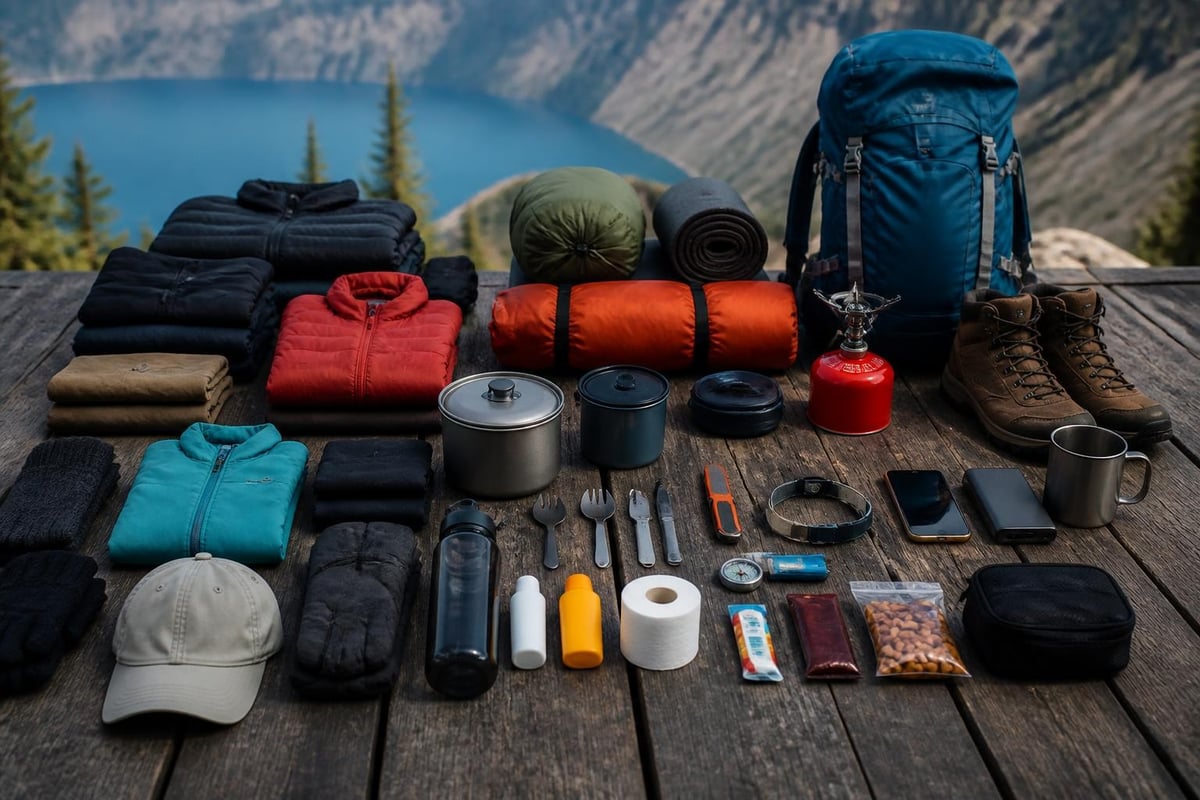
Personal equipment checklist:
- Broken-in hiking boots with ankle support
- Moisture-wicking base layers (synthetic or merino wool)
- Insulating mid-layers for cold temperatures
- Waterproof outer shell jacket and pants
- Warm sleeping bag liner (temperatures drop near freezing)
- Trekking poles for knee protection on descents
- Headlamp with extra batteries
- Sun protection (hat, sunglasses, SPF 50+ sunscreen)
Temperature variations range from tropical heat at base camps to near-freezing conditions at higher elevations. Layering systems allow you to adjust as conditions change throughout each day.
Best Seasons and Timing for Your Trek
Weather patterns dramatically affect trekking conditions and success rates. Understanding seasonal variations helps you choose optimal timing for your adventure.
Dry Season Advantages
The official trekking season runs from April through December, with July through September offering the most stable conditions. During these months, rainfall decreases significantly, and trail conditions remain manageable. To plan your journey effectively, review detailed information about the best time to hike Mount Rinjani.
Clear skies during dry season provide exceptional visibility from the summit and crater rim. Sunrise views extend across Lombok, Bali, and Sumbawa on optimal days.
Weather Considerations by Month
| Month | Conditions | Crowd Level | Recommendation |
|---|---|---|---|
| April-May | Transitional, occasional rain | Moderate | Good for budget-conscious trekkers |
| June-August | Dry, clear skies | High | Peak season, book early |
| September-November | Excellent conditions | Moderate-High | Ideal weather, manageable crowds |
| December-March | Wet season, CLOSED | N/A | Park closure for safety |
The mountain closes completely during the wettest months due to dangerous trail conditions and increased landslide risk. All operators suspend activities during this period, making advance planning essential.
What to Expect During Your Mt Rinjani Trekking Experience
Daily routines on the mountain follow established patterns designed to maximize safety and enjoyment while managing the physical demands of high-altitude trekking.
Typical Daily Schedule
Most mt rinjani trekking itineraries begin with early morning departures to avoid midday heat and afternoon weather systems. Understanding the rhythm helps you prepare mentally and physically.
Standard daily timeline:
- 5:00-6:00 AM: Wake-up and breakfast
- 6:30-7:00 AM: Begin trekking
- 10:00-10:30 AM: Mid-morning snack break
- 12:00-1:00 PM: Lunch stop
- 1:30 PM: Resume trekking
- 4:00-5:00 PM: Arrive at camp
- 6:00-7:00 PM: Dinner
- 7:30 PM: Rest and sleep
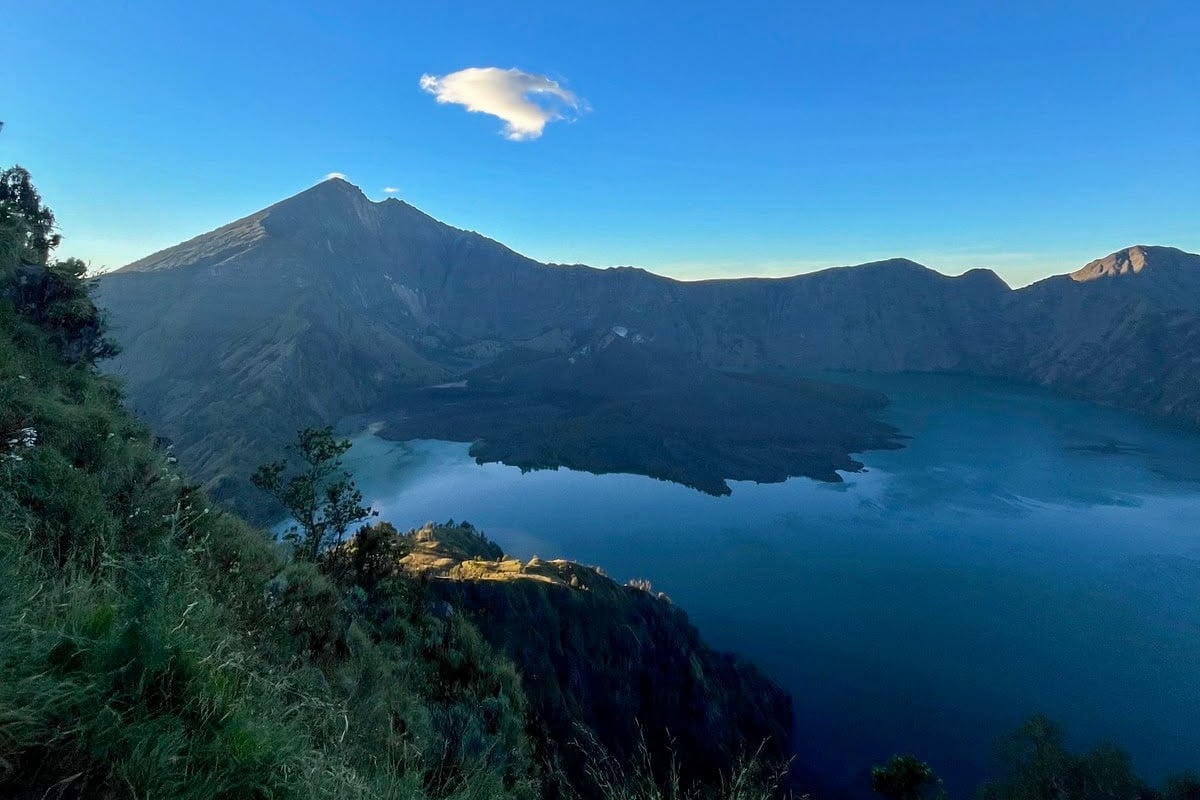
For summit attempts, wake-up times shift to 1:00-2:00 AM, allowing you to reach the peak for sunrise. The pre-dawn climb challenges your endurance but rewards you with spectacular dawn views.
Accommodation and Facilities
Camping forms the standard accommodation method throughout multi-day treks. Designated campsites feature basic facilities while minimizing environmental impact.
Crater rim campsites offer stunning sunset and sunrise views across the caldera. Lake-level camps provide access to natural hot springs, where trekkers can soak tired muscles in therapeutic mineral waters.
Porter teams establish camps before trekkers arrive, preparing meals and setting up sleeping tents. This support system allows you to focus on the physical challenge without logistical burdens.
Safety Considerations and Altitude Management
High-altitude trekking introduces specific risks that require awareness and proactive management. Understanding these factors protects your health and increases summit success rates.
Altitude Sickness Prevention
Acute mountain sickness (AMS) can affect anyone regardless of fitness level. The rapid elevation gain during mt rinjani trekking increases susceptibility, particularly for those ascending directly to crater rim or summit.
Common AMS symptoms include:
- Persistent headache
- Nausea or loss of appetite
- Dizziness or lightheadedness
- Fatigue beyond normal exertion
- Sleep disturbances
Proper acclimatization through gradual ascent helps prevent serious complications. Stay well-hydrated, maintain steady pacing, and communicate any symptoms to your guide immediately.
Emergency Protocols
Experienced guides carry communication devices and first-aid equipment for emergency situations. Evacuation procedures exist for serious medical issues, though descending quickly remains the primary treatment for severe altitude sickness.
Travel insurance covering high-altitude trekking (above 3,000 meters) provides essential financial protection. Verify policy details include emergency evacuation and medical treatment costs.
Environmental Responsibility and Cultural Respect
Sustainable trekking practices preserve Mt Rinjani's natural beauty for future generations while respecting local communities and customs. Every trekker shares responsibility for minimizing environmental impact. For comprehensive guidance on routes and responsible trekking practices, explore resources about different trekking routes available on the mountain.
Leave No Trace Principles
The mountain ecosystem remains fragile despite its imposing appearance. Human activity affects vegetation, wildlife, and water quality without careful management.
Essential practices include:
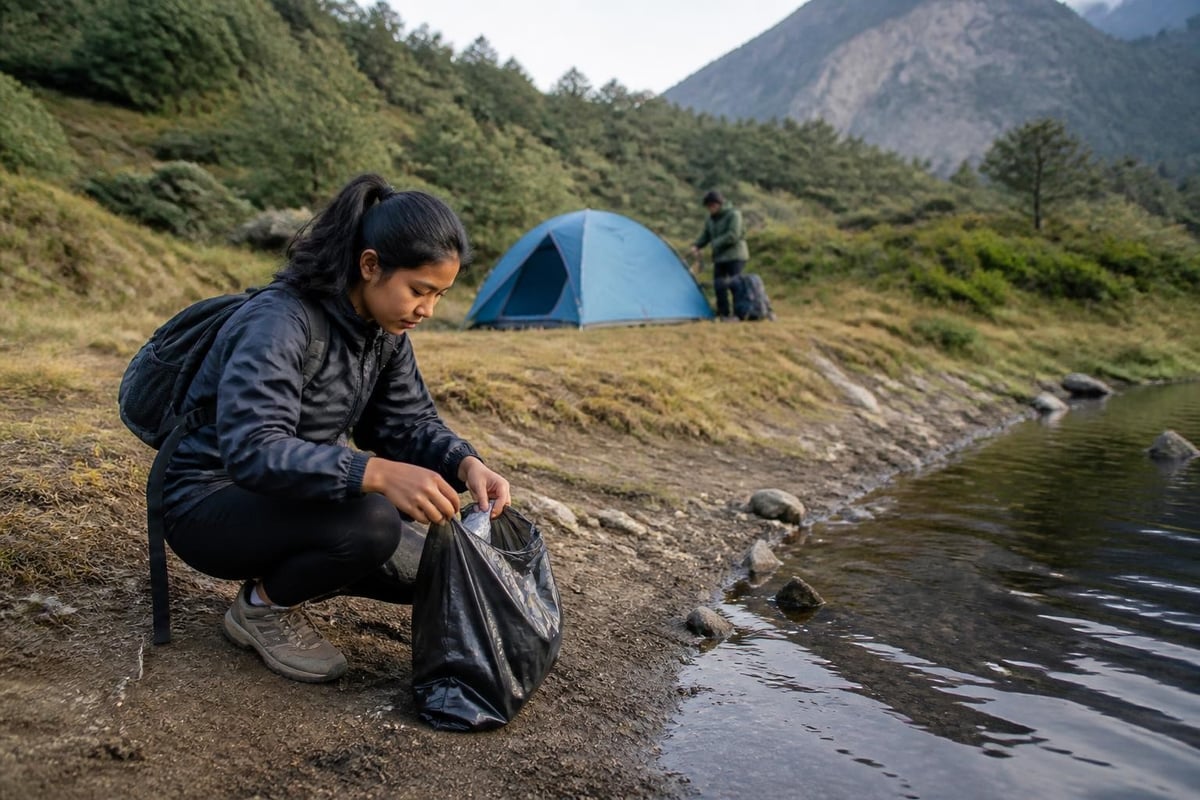
- Pack out all trash, including organic waste
- Use designated toilet facilities or proper waste disposal methods
- Stay on marked trails to prevent erosion
- Avoid disturbing wildlife or removing natural materials
- Use biodegradable soap away from water sources
- Minimize campfire impact (most operators use portable stoves)
Reputable operators enforce strict environmental standards, providing waste bags and ensuring complete campsite cleanup. This commitment to cleanliness protects the mountain's pristine condition.
Cultural Sensitivity
Mt Rinjani holds sacred significance for local Sasak and Balinese Hindu communities. Annual pilgrimage ceremonies occur at the crater lake, where offerings are made to honor spiritual beliefs.
Showing respect during encounters with pilgrims or near ceremonial sites demonstrates cultural awareness. Modest clothing, quiet behavior, and permission before photographing ceremonies maintain positive relationships between trekkers and local communities.
Food and Nutrition During the Trek
Maintaining proper nutrition and hydration directly impacts your energy levels and altitude tolerance throughout mt rinjani trekking adventures.
Meal Planning and Dietary Needs
Professional trekking operators provide substantial meals designed to fuel extended physical activity. Menus typically feature Indonesian dishes with adequate carbohydrates, proteins, and vegetables.
| Meal | Typical Contents | Nutritional Focus |
|---|---|---|
| Breakfast | Rice/noodles, eggs, vegetables, fruit, tea/coffee | Energy for morning trekking |
| Lunch | Fried rice/noodles, chicken/fish, vegetables | Sustained energy, protein |
| Dinner | Rice, protein, vegetables, soup, fruit | Recovery, warmth |
| Snacks | Crackers, chocolate, nuts, fruit | Quick energy between meals |
Vegetarian and dietary restriction accommodations require advance notice when booking. Clear communication ensures appropriate provisions are prepared and packed.
Hydration Strategies
Water requirements increase significantly at altitude and during physical exertion. Aim for 3-4 liters daily, adjusting based on temperature and activity level.
Water sources exist at certain points, though purification remains essential. Carry water purification tablets or filters as backup to bottled supplies. Dehydration exacerbates altitude sickness symptoms and reduces physical performance.
Photography Opportunities and Memorable Moments
The diverse landscapes encountered during mt rinjani trekking create exceptional photographic opportunities from base to summit.
Iconic Viewpoints
Crater rim positions offer panoramic vistas across Segara Anak Lake, with the active Gunung Baru cone rising from turquoise waters. Summit views extend 360 degrees, encompassing neighboring islands and volcanic peaks.
Prime photography locations:
- Sunrise from the summit (weather permitting)
- Crater lake from multiple rim perspectives
- Star trails during clear nights at high camps
- Forest canopy along lower elevation trails
- Hot springs with steam rising against mountain backdrop
Dawn and dusk provide optimal lighting conditions, though these times coincide with active trekking or rest periods. Balance photography ambitions with physical recovery needs.
Equipment Recommendations
Camera gear adds weight to your pack, requiring selective choices based on priorities. Smartphone cameras now offer impressive quality while minimizing bulk.
For serious photographers, lightweight mirrorless systems with versatile zoom lenses capture most situations without excessive weight. Protect equipment from dust, moisture, and temperature extremes using sealed bags or cases.
Extra batteries lose charge faster in cold temperatures, so keep spares warm inside clothing layers. Memory cards with ample capacity prevent missing shots during multi-day expeditions.
Booking Your Mt Rinjani Trekking Adventure
Selecting a reputable operator ensures safety, quality equipment, and environmentally responsible practices throughout your journey. For those planning their Indonesian adventure, consider extending your experience with Lombok tour options that showcase the island's diverse attractions.
Operator Selection Criteria
Research potential companies thoroughly before committing to any package. Experienced guides, proper equipment, and safety protocols separate professional operations from budget alternatives.
Key evaluation factors:
- Licensed and certified guides
- Positive reviews from recent clients
- Transparent pricing without hidden fees
- Quality camping and cooking equipment
- Environmental policies and practices
- Emergency communication capabilities
- Insurance coverage for guides and porters
Price variations reflect service quality, group sizes, and included amenities. Extremely low-cost packages often compromise safety equipment or fair wages for support staff.
Package Options and Duration
Mt rinjani trekking itineraries range from two-day crater rim expeditions to four-day comprehensive circuits including summit, lake, and hot springs.
Shorter packages suit time-constrained travelers or those testing their altitude tolerance. Extended itineraries provide more thorough experiences with reduced daily trekking hours, allowing better acclimatization and enjoyment.
Group versus private treks offer different advantages. Shared expeditions reduce costs and provide social interaction, while private arrangements allow customized pacing and scheduling flexibility.
Health and Medical Preparation
Pre-trek health optimization and appropriate medical supplies contribute significantly to successful outcomes and enjoyable experiences.
Pre-Departure Medical Checks
Consult your physician before undertaking high-altitude trekking, particularly if you have pre-existing conditions. Cardiovascular health, respiratory function, and joint condition all affect your ability to complete demanding multi-day treks.
Dental work should be completed well before departure, as problems at altitude become considerably more painful and difficult to address. Ensure routine medications are packed with adequate quantities for the full trek duration plus extra days.
Medical Kit Essentials
While guides carry comprehensive first-aid supplies, personal medical kits address individual needs and minor issues quickly.
Recommended personal medical items:
- Blister treatment (moleskin, tape, antiseptic)
- Pain relievers (ibuprofen for inflammation, acetaminophen)
- Antihistamines for allergic reactions
- Anti-diarrheal medication
- Altitude sickness medication (consult doctor)
- Personal prescription medications
- Antibacterial ointment
- Bandages and gauze
Store medications in waterproof containers or bags to prevent moisture damage. Carry prescriptions in original packaging to avoid customs complications.
Post-Trek Recovery and Reflection
Completing mt rinjani trekking represents a significant physical achievement that requires appropriate recovery strategies.
Physical Recovery
Muscles and joints need time to heal after multi-day exertion at altitude. The descent particularly stresses knees and quadriceps, often causing delayed soreness.
Rest days following your trek allow your body to repair and adapt. Light activity like swimming or gentle walks aids recovery better than complete immobility. Proper nutrition, hydration, and sleep support healing processes.
Stretching and foam rolling address muscle tightness and prevent long-term stiffness. Focus on legs, hips, and lower back areas that sustained the greatest stress.
Extending Your Lombok Experience
Many trekkers combine their mountain adventure with exploration of Lombok's other attractions. The island offers pristine beaches, traditional villages, stunning waterfalls, and vibrant marine environments.
Northern regions near Senaru feature magnificent waterfalls accessible through short hikes. Southern coastlines showcase world-class surf breaks and secluded beaches. The Gili Islands off Lombok's northwest coast provide excellent snorkeling and diving opportunities in crystal-clear waters.
Mt rinjani trekking delivers an unforgettable adventure that combines physical challenge with natural beauty and cultural immersion. From selecting the right route and season to preparing physically and respecting environmental standards, each element contributes to a successful and rewarding experience. Whether you're aiming for the summit or planning a more relaxed crater rim journey, proper preparation and choosing experienced operators ensures both safety and enjoyment. Hiking Mount Rinjani provides professional guiding services, quality equipment, and environmentally responsible practices to help you achieve your trekking goals while preserving this magnificent mountain for future adventurers.