
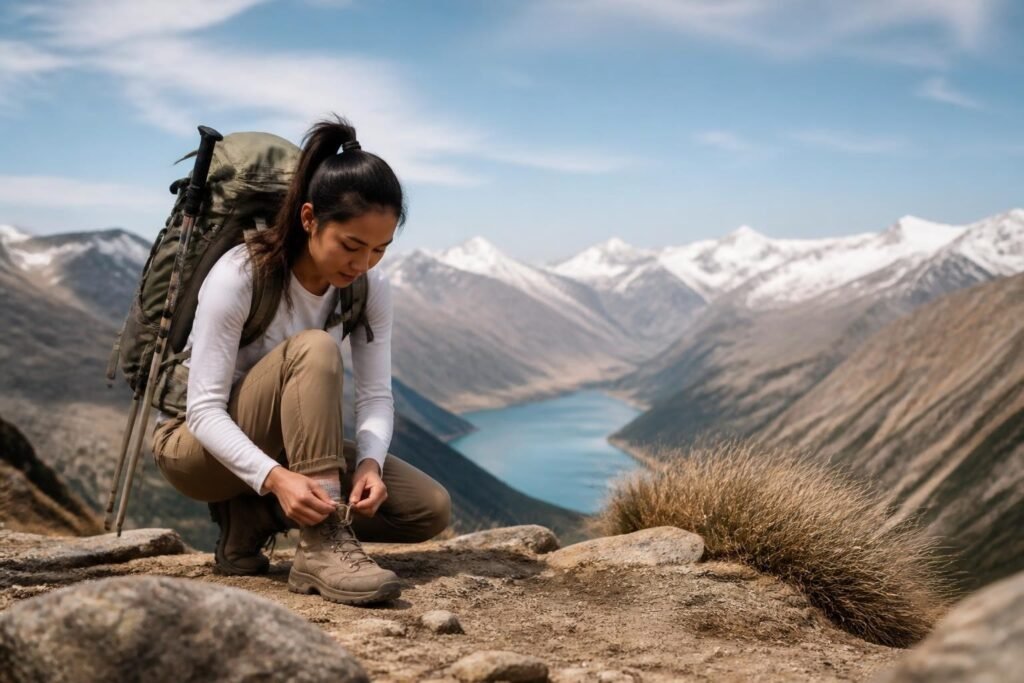
Hiking activity has evolved from a simple outdoor pastime into a comprehensive recreational pursuit that combines physical fitness, mental wellness, and environmental appreciation. Whether you're planning your first trail walk or preparing for a challenging mountain summit, understanding the fundamentals of hiking activity ensures a safer, more rewarding experience. This guide explores everything from basic preparation to advanced trekking considerations, helping you make informed decisions about your outdoor adventures.
Understanding the Foundations of Hiking Activity
Hiking activity encompasses a broad spectrum of outdoor experiences, from leisurely nature walks to demanding multi-day expeditions. According to Britannica’s comprehensive overview, hiking involves walking in natural environments, typically on trails or paths, with varying levels of difficulty and duration. The beauty of this pursuit lies in its accessibility-nearly anyone can participate at their own comfort level.
The scope of hiking activity extends beyond simple exercise. It represents an opportunity to disconnect from urban environments, challenge personal limits, and witness landscapes that remain inaccessible by vehicle. Modern hiking has become increasingly structured, with designated trails, difficulty ratings, and established safety protocols that make the activity more approachable for beginners while still offering challenges for experienced trekkers.
Physical and Mental Benefits
Engaging in regular hiking activity delivers measurable health improvements that extend beyond typical gym workouts. Harvard Health research highlights how varied terrain and elevation changes provide superior cardiovascular benefits compared to flat-surface walking. The uneven ground engages stabilizer muscles, improves balance, and burns more calories than traditional walking exercises.
Key health benefits include:
- Enhanced cardiovascular endurance and heart health
- Strengthened lower body muscles and core stability
- Improved bone density through weight-bearing exercise
- Reduced stress levels and anxiety symptoms
- Better sleep quality and mental clarity
- Increased vitamin D absorption from sun exposure
The mental health advantages prove equally significant. Natural environments reduce cortisol levels, while the rhythmic nature of walking promotes meditative states. Many hikers report improved problem-solving abilities and creative thinking during and after their hiking activity sessions.
Essential Preparation for Your Hiking Activity
Proper preparation transforms hiking activity from a potentially risky endeavor into a controlled, enjoyable experience. The National Park Service’s Hiking 101 guidelines emphasize that preparation begins long before you step onto the trail. Physical conditioning, equipment selection, and route planning form the foundation of successful hiking activity.
Training and Physical Readiness
Building appropriate fitness levels prevents injury and ensures you can complete your intended route comfortably. Start with shorter, easier trails and progressively increase distance and elevation gain. Cardiovascular training through activities like cycling or swimming complements trail-specific preparation. For mountain treks, stair climbing with a weighted backpack simulates actual hiking conditions.
Your training timeline should align with your goals. Weekend day hikes require minimal preparation for moderately active individuals, while multi-day mountain expeditions demand weeks or months of conditioning. Focus on building endurance rather than speed-hiking activity rewards sustainable pacing over brief bursts of effort.
Gear Selection and Equipment
| Equipment Category | Essential Items | Advanced Additions |
|---|---|---|
| Footwear | Broken-in hiking boots, moisture-wicking socks | Gaiters, extra laces, blister kit |
| Clothing | Layered system, rain jacket, sun hat | Insulated jacket, glove liners, neck gaiter |
| Navigation | Trail map, compass | GPS device, satellite communicator |
| Safety | First aid kit, whistle, headlamp | Emergency shelter, fire starter |
| Hydration | Water bottles (2L minimum) | Water filter, electrolyte tablets |
| Nutrition | Energy bars, trail mix, lunch | Dehydrated meals, portable stove |
Quality footwear represents your most critical investment. Properly fitted boots provide ankle support, traction on varied terrain, and protection from rocks and roots. Break in new boots over several shorter hikes before attempting longer routes to prevent painful blisters during your hiking activity.
Planning Your Mountain Trekking Experience
Strategic planning elevates hiking activity from a simple walk to a well-orchestrated adventure. Route selection should match your fitness level, time availability, and experience. The Bureau of Land Management’s hiking resources provide valuable information about trail difficulty ratings, seasonal considerations, and land use regulations.
Choosing the Right Trail
Trail difficulty depends on multiple factors beyond simple distance. Elevation gain, terrain roughness, exposure to weather, and remoteness all influence the challenge level. A five-mile trail with 2,000 feet of elevation gain demands significantly more effort than a ten-mile flat path. Research trail reports, read recent hiker reviews, and consult detailed topographic maps before committing to a route.
Consider seasonal variations when planning your hiking activity. Spring brings swollen rivers and muddy trails, summer offers long daylight hours but intense heat, autumn provides comfortable temperatures and spectacular foliage, while winter introduces snow and ice challenges. Each season transforms the same trail into a different experience.
For those seeking structured mountain experiences, working with established trekking companies provides significant advantages. Professional Rinjani trekking operators supply experienced guides who know routes intimately, provide quality equipment, and handle logistics that complicate independent hiking activity.
Safety Protocols and Risk Management
Safety consciousness separates enjoyable hiking activity from potential emergencies. The National Park Service’s hiking safety guidelines stress that most hiking accidents result from preventable mistakes-inadequate preparation, poor judgment, or ignoring weather warnings.
Critical safety practices include:
- Inform someone of your hiking plans, including expected return time
- Check weather forecasts and trail conditions before departure
- Start early to avoid afternoon thunderstorms in mountain regions
- Turn back if conditions deteriorate or you're behind schedule
- Stay on marked trails to prevent getting lost
- Carry sufficient water and purification methods
- Pack emergency supplies even for short day hikes
Wildlife encounters require specific protocols. Make noise while hiking to avoid surprising animals, store food properly, and maintain safe distances from all wildlife. In volcanic mountain regions like those around Mount Rinjani, additional considerations include volcanic activity monitoring and understanding evacuation routes.
Multi-Day Trekking Considerations
Extended hiking activity introduces complexities that day hikers never encounter. Multi-day expeditions require careful food planning, shelter arrangements, waste management, and physical pacing strategies. The rewards-remote wilderness access, stunning sunrise views from mountain camps, and deep immersion in natural environments-justify the additional preparation effort.
Camping and Overnight Logistics
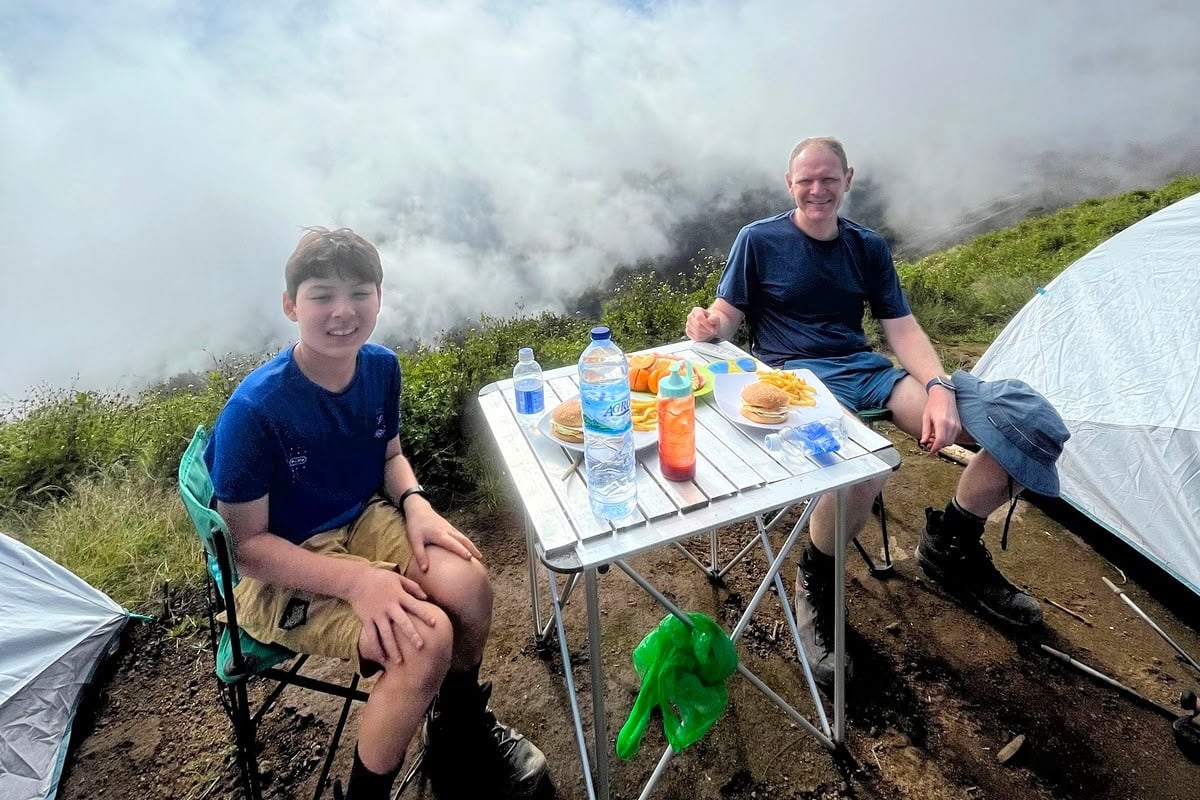
Backcountry camping transforms hiking activity into a comprehensive outdoor living experience. Site selection balances convenience, safety, and environmental impact. Established campsites minimize ecological damage, while proper food storage prevents wildlife conflicts. Water sources dictate camp locations, though purification remains essential regardless of how pristine a stream appears.
Sleep quality directly affects next-day performance on multi-day treks. Quality sleeping bags rated for expected temperatures, insulated sleeping pads, and properly pitched shelters ensure adequate rest. Many trekkers underestimate nighttime temperature drops at altitude-what feels warm during the day can become uncomfortably cold after sunset.
The 4-day, 3-night Rinjani trekking package demonstrates how additional time enhances the hiking activity experience. An extra night allows for proper acclimatization, reduces daily hiking distances, and provides opportunities to explore side destinations like waterfalls and hot springs that rushed itineraries must skip.
Nutrition and Hydration Strategies
| Meal Type | Caloric Target | Recommended Foods |
|---|---|---|
| Breakfast | 500-700 calories | Oatmeal, granola, dried fruit, instant coffee |
| Trail snacks | 200-300 calories/hour | Energy bars, nuts, jerky, chocolate |
| Lunch | 600-800 calories | Tortillas, cheese, salami, crackers |
| Dinner | 800-1000 calories | Dehydrated meals, pasta, rice dishes |
| Evening snack | 200-300 calories | Hot chocolate, cookies, tea |
Multi-day hiking activity burns 3,000-5,000 calories daily depending on terrain and pack weight. Insufficient caloric intake leads to fatigue, poor decision-making, and increased injury risk. Pack energy-dense foods that require minimal preparation and withstand temperature variations without spoiling.
Hydration demands increase with altitude, physical exertion, and temperature. Monitor urine color-pale yellow indicates adequate hydration while dark yellow signals dehydration. Electrolyte replacement becomes critical during extended hiking activity, as water alone doesn't replace minerals lost through perspiration.
Environmental Stewardship and Trail Etiquette
Responsible hiking activity preserves natural environments for future generations. Leave No Trace principles provide a framework for minimizing human impact on wilderness areas. These seven core concepts-plan ahead, travel on durable surfaces, dispose of waste properly, leave what you find, minimize campfire impacts, respect wildlife, and be considerate of others-should guide every outdoor excursion.
Waste Management and Conservation
Pack out everything you pack in, including organic waste like fruit peels and nut shells that disrupt local ecosystems. Human waste disposal follows specific protocols depending on location. In heavily used areas, use established facilities. In remote backcountry, dig catholes 6-8 inches deep at least 200 feet from water sources, trails, and campsites.
Mount Rinjani trekking services emphasize environmental cleanliness as a core operational value. Professional operators implement comprehensive waste management systems, including porter-carried trash removal and designated toilet facilities at established camps, ensuring that increased hiking activity doesn't degrade the mountain environment.
Trail Courtesy and Social Responsibility
Hiking activity often involves sharing trails with others. Uphill hikers traditionally have right-of-way, though courteous uphill hikers often step aside since pausing while climbing is easier than restarting on a descent. Faster hikers should announce their approach and wait for a safe, convenient passing location rather than forcing slower groups off-trail.
Trail etiquette essentials:
- Keep noise levels moderate to preserve natural soundscapes
- Control pets and keep them leashed where required
- Yield to horses and pack animals by stepping downhill
- Avoid trail shortcuts that cause erosion
- Leave gates as you found them (open or closed)
- Share trail condition information with other hikers
Group size matters in wilderness settings. Large groups create noise, trail congestion, and campsite impact. Many protected areas limit group sizes to 6-12 people, recognizing that smaller parties better preserve the wilderness experience for everyone.
Specialized Hiking Activity Environments
Different environments demand adapted approaches to hiking activity. Coastal trails, desert routes, alpine zones, and volcanic mountains each present unique challenges and rewards. Understanding environment-specific considerations improves safety and enjoyment while expanding your hiking repertoire.
Mountain and Volcanic Terrain
Mountain hiking activity introduces altitude-related challenges absent from lowland trails. Reduced oxygen levels at elevation cause fatigue, headaches, and potentially dangerous altitude sickness. Acclimatization-gradual elevation gain that allows physiological adaptation-prevents most altitude problems. Ascending no more than 1,000-1,500 feet per day above 8,000 feet provides a safe acclimatization rate.
Volcanic mountains combine standard mountain challenges with unique geological features. Active volcanic regions require monitoring of volcanic activity levels and understanding potential hazards like toxic gas emissions near crater areas. Volcanic terrain often features loose scoria, sharp lava rocks, and unstable slopes that demand careful foot placement and sturdy boots.
The comprehensive trekking resources available for Mount Rinjani illustrate how specialized knowledge enhances volcanic mountain hiking activity. Understanding local weather patterns, optimal trekking seasons, and trail-specific challenges ensures trekkers can safely enjoy Indonesia's second-highest volcano.
Weather Pattern Recognition
Mountain weather changes rapidly and dramatically. Afternoon thunderstorms develop with little warning in many mountain regions, bringing lightning, heavy rain, and temperature drops. Morning starts avoid afternoon storm risks while providing cooler temperatures and clearer visibility. Cloud formation patterns, wind direction changes, and barometric pressure shifts provide early warning of approaching weather systems.
| Weather Sign | Indication | Recommended Action |
|---|---|---|
| Towering cumulus clouds | Thunderstorm development | Begin descent or seek shelter |
| Rapidly falling barometer | Storm approaching | Accelerate return or make camp |
| Lenticular clouds | High winds aloft | Avoid exposed ridges |
| Increasing wind speed | Front approaching | Monitor conditions closely |
| Temperature drop | Cold front arrival | Add clothing layers |
Winter hiking activity requires specialized skills and equipment. Snow and ice demand traction devices, avalanche awareness, and navigation skills when trails disappear under snow cover. Harvard Health’s hiking preparation advice emphasizes matching your skill level to conditions-winter mountains demand significantly more experience than summer trails.
Technology and Navigation Skills
Modern technology enhances hiking activity safety and navigation, though traditional skills remain essential backup capabilities. GPS devices, smartphone apps, and satellite communicators provide real-time location tracking, weather updates, and emergency communication. However, electronic devices fail, batteries die, and satellites require clear sky views that dense forest canopies block.
Traditional Navigation Methods
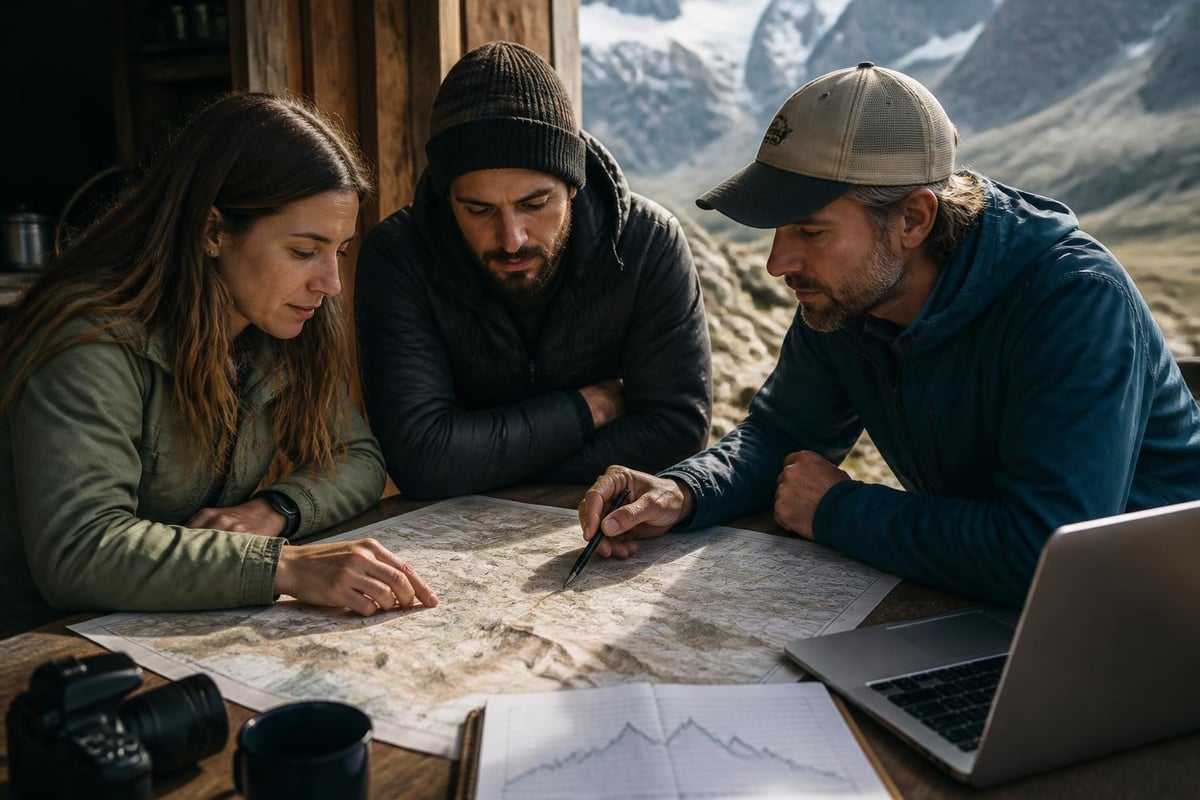
Map and compass skills represent fundamental outdoor competencies every hiker should develop. Topographic maps reveal terrain features, elevation changes, water sources, and trail networks. Compass bearings combined with map reading enable precise navigation even without trail markers. Practice these skills in familiar, safe environments before relying on them in remote wilderness.
Natural navigation using sun position, star patterns, and landscape features provides additional orientation methods. In the Northern Hemisphere, the sun moves from east to west through the southern sky, shadows point north at noon, and Polaris marks true north. Flowing water generally moves downhill toward larger drainages, though following streams can lead through difficult terrain.
Digital Tools and Applications
Smartphone applications now offer detailed trail maps, GPS tracking, and offline functionality that doesn't require cellular coverage. Download maps before departure for areas with limited connectivity. Track your route to facilitate backtracking if needed and share your location with family or friends for safety monitoring.
Battery conservation becomes critical on multi-day hiking activity. Airplane mode disables power-hungry cellular searching while maintaining GPS functionality. External battery packs extend device runtime, though their weight and bulk factor into pack planning. Many experienced hikers carry small solar chargers for extended expeditions.
Building Your Hiking Activity Progression
Systematic skill and fitness development creates a sustainable hiking practice that grows with your capabilities. Starting with easily achievable goals builds confidence and establishes proper techniques before attempting more demanding routes. This progressive approach reduces injury risk while maximizing enjoyment and long-term participation in hiking activity.
Beginner to Intermediate Advancement
New hikers should begin with well-maintained trails featuring minimal elevation gain and clear markings. Two to three hour hikes covering 3-5 miles establish basic fitness and equipment familiarity. As comfort increases, gradually introduce steeper grades, rougher terrain, and longer distances. Track your hiking activity in a journal, noting routes completed, conditions encountered, and lessons learned.
Intermediate hikers tackle more challenging terrain, longer distances, and basic navigation requirements. All-day hikes covering 8-12 miles with significant elevation gain test endurance and gear choices. Consider overnight trips to develop camping skills and experience sunset/sunrise mountain views. The detailed trekking planner resources help intermediate hikers assess readiness for more demanding expeditions.
Advanced Expedition Planning
Advanced hiking activity encompasses multi-day wilderness expeditions, technical terrain navigation, and challenging environmental conditions. These adventures require comprehensive preparation, advanced skills, and often specialized equipment like ice axes, crampons, or climbing gear. Physical fitness must support consecutive high-mileage days while carrying substantial pack weight.
Peak season planning involves permit systems, crowd management, and booking logistics. Popular destinations fill months in advance, requiring early planning and flexibility. Shoulder season hiking activity offers solitude and unique conditions but demands greater self-sufficiency and weather adaptability.
Advanced progression checklist:
- Complete multiple 15+ mile day hikes comfortably
- Successfully execute several overnight trips
- Demonstrate proficient map and compass navigation
- Practice emergency scenarios and first aid
- Gain experience in varied weather conditions
- Build knowledge of regional flora, fauna, and geology
- Develop leadership skills for group hiking activity
Cultural and Historical Perspectives
Hiking activity connects participants to both natural landscapes and human history. Ancient trade routes, indigenous pathways, and historical sites dot many popular trails. EBSCO’s historical overview traces how recreational hiking evolved from practical transportation into a valued leisure pursuit during the 19th century.
Local Communities and Tourism Impact
Mountain regions often host communities whose livelihoods connect directly to hiking activity. Porter networks, guide services, and hospitality businesses depend on trekker traffic. Responsible tourism supports local economies while respecting cultural traditions and community needs. Choose operators who employ local guides, pay fair wages, and contribute to community development.
Cultural sensitivity enhances hiking experiences in international destinations. Understanding local customs, appropriate dress codes, and photography etiquette demonstrates respect. Some sacred sites or religious locations have access restrictions or behavior expectations that visitors must honor.
Trail History and Conservation
Many iconic trails carry rich histories predating modern recreational use. Indigenous peoples, early explorers, and settlers established routes that contemporary hikers now enjoy. Understanding this heritage deepens appreciation for the landscapes we traverse. Trail maintenance represents ongoing conservation work, often performed by volunteers who ensure hiking activity remains accessible.
Supporting trail organizations through memberships, donations, or volunteer work sustains the infrastructure enabling hiking activity. Trail crews combat erosion, maintain bridges, clear fallen trees, and update signage. Many hiking communities organize regular trail work days where participants contribute to preserving the resources they enjoy.
Hiking activity offers unparalleled opportunities for physical fitness, mental renewal, and natural world connection, with proper preparation ensuring safe and rewarding experiences across all skill levels. Whether you're planning your first trail walk or preparing for a challenging mountain expedition, Hiking Mount Rinjani provides the expertise, equipment, and experienced guides necessary to transform your trekking goals into reality while maintaining the highest environmental and safety standards.