
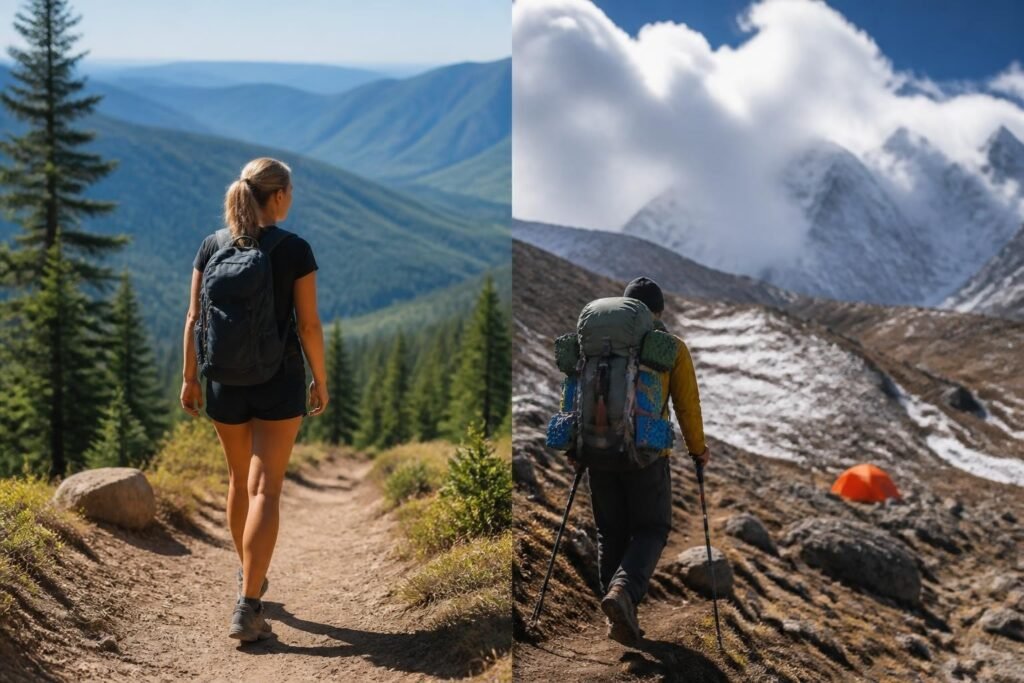
Many outdoor enthusiasts use the terms interchangeably, but understanding the difference between trekking and hiking can help you choose the right adventure and prepare appropriately. While both activities involve walking through natural landscapes, they differ significantly in duration, terrain complexity, physical demands, and required preparation. Whether you're planning a leisurely afternoon on a local trail or a challenging multi-day mountain expedition, knowing these distinctions ensures you select the appropriate gear, training, and expectations for your journey.
Understanding the Fundamental Distinction
The difference between trekking and hiking primarily centers on the scope and duration of the journey. Hiking typically refers to day trips on established trails, lasting anywhere from one hour to a full day, where participants return to their starting point or a nearby accommodation by evening. These excursions generally follow marked paths with varying difficulty levels, from easy nature walks to strenuous climbs.
Trekking, by contrast, involves multi-day expeditions through more remote and challenging terrain. According to Britannica’s definition of hiking, while hiking has historical roots in recreational walking, trekking evolved from mountaineering expeditions requiring extended wilderness travel. Treks often span several days or weeks, requiring participants to carry camping equipment, food supplies, and navigation tools while traversing less-developed routes.
Duration and Distance Considerations
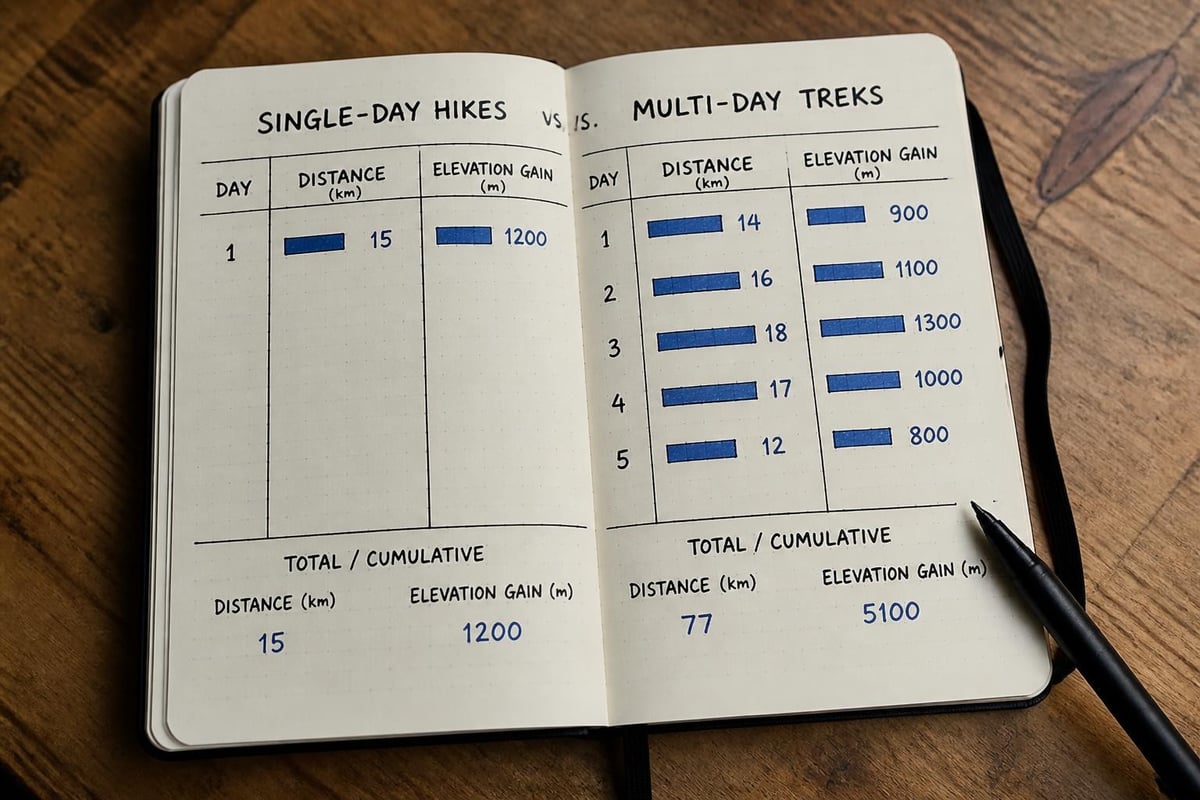
Hiking adventures usually cover distances between 3 to 15 miles in a single day, allowing participants to complete the journey within daylight hours. Most hikers carry only essential items like water, snacks, first aid supplies, and weather protection in a lightweight daypack.
Trekking expeditions extend beyond single-day commitments, often covering 50 to 200 miles over multiple days. Trekkers must plan for:
- Overnight camping arrangements or mountain hut accommodations
- Multiple days of food and water supplies
- Extended weather exposure and changing conditions
- Navigation through varied terrain zones
- Physical endurance for consecutive days of walking
The comprehensive comparison between trekking and hiking emphasizes that trekking requires significantly more logistical planning than typical hiking trips.
Terrain and Environmental Factors
Hiking trails generally follow established paths maintained by park services, conservation groups, or outdoor recreation organizations. These trails feature clear markings, regular maintenance, and predictable conditions. Hikers encounter manageable elevation changes, well-defined pathways, and accessible trailheads with parking facilities.
Trekking routes venture into wilder territories where infrastructure is minimal or nonexistent. The difference between trekking and hiking becomes particularly evident when examining terrain challenges:
| Aspect | Hiking | Trekking |
|---|---|---|
| Trail Condition | Maintained, marked paths | Rugged, sometimes unmarked routes |
| Elevation Change | Moderate gains/losses | Significant altitude variations |
| Accessibility | Easy trailhead access | Remote starting points |
| Navigation | Signage available | Map and compass required |
| Terrain Type | Forest paths, hills | Mountains, glaciers, valleys |
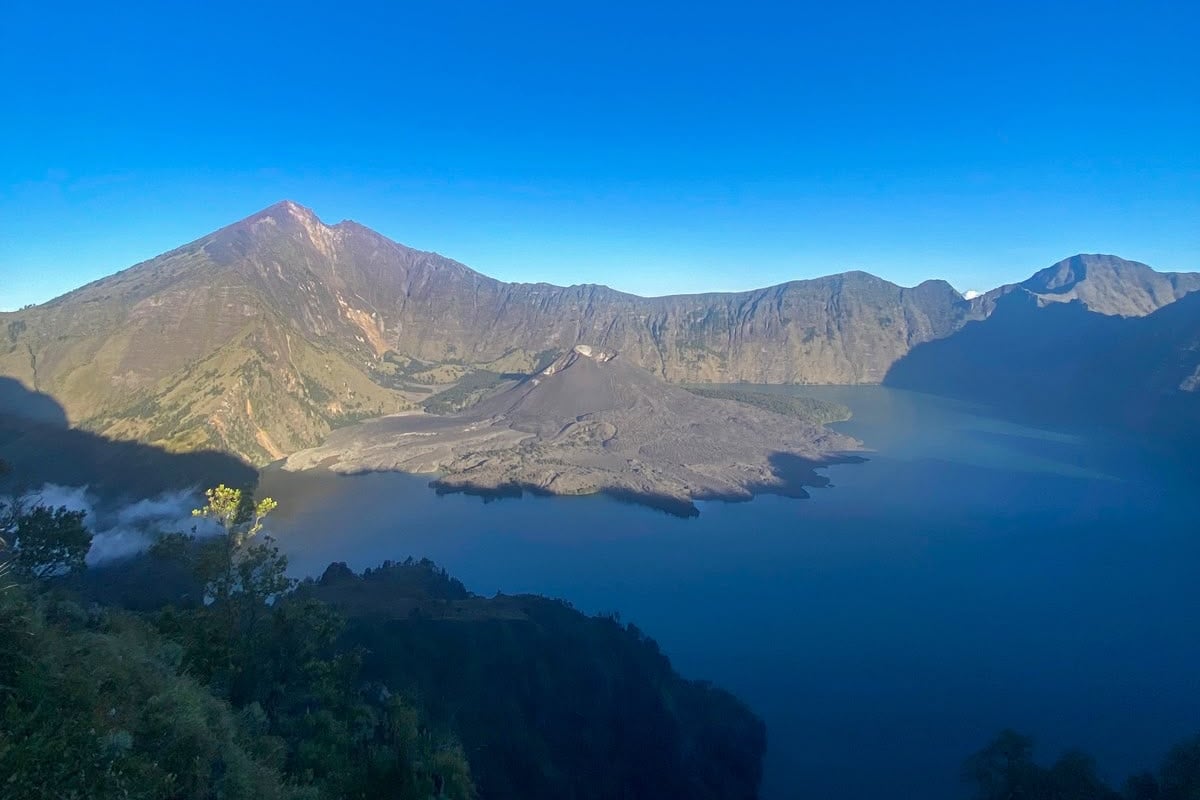
Mount Rinjani in Lombok, Indonesia, exemplifies terrain that transitions from hiking to trekking territory. The lower elevation trails offer accessible day hikes, while the summit push requires true trekking capabilities across volcanic landscapes at 3,726 meters.
Climate and Weather Exposure
Day hikers typically check weather forecasts and postpone trips during severe conditions. The shorter duration allows for flexibility in scheduling around optimal weather windows. Even if conditions deteriorate during a hike, returning to shelter remains feasible within hours.
Trekkers face extended weather exposure across multiple days, often encountering dramatic climate variations as altitude and geography change. The essential differences outlined by expedition experts highlight that trekkers must prepare for:
- Temperature swings from tropical heat to freezing conditions
- Unexpected storms lasting several hours or days
- High-altitude weather patterns and rapid changes
- Limited shelter options in remote areas
- Extended sun exposure at high elevations
Physical Demands and Fitness Requirements
The difference between trekking and hiking extends to the physical conditioning necessary for success. Hiking accommodates various fitness levels, from gentle nature walks suitable for families to challenging day climbs requiring good cardiovascular health. Most healthy individuals can complete moderate hikes with minimal specialized training.
Trekking demands sustained physical exertion over consecutive days, requiring comprehensive fitness preparation. Successful trekkers develop:
- Cardiovascular endurance for prolonged activity at potentially high altitudes
- Muscular strength in legs, core, and back for carrying heavy packs
- Mental resilience to push through fatigue and discomfort
- Altitude adaptation for high-elevation expeditions
- Recovery capacity to perform day after day
Training Approaches
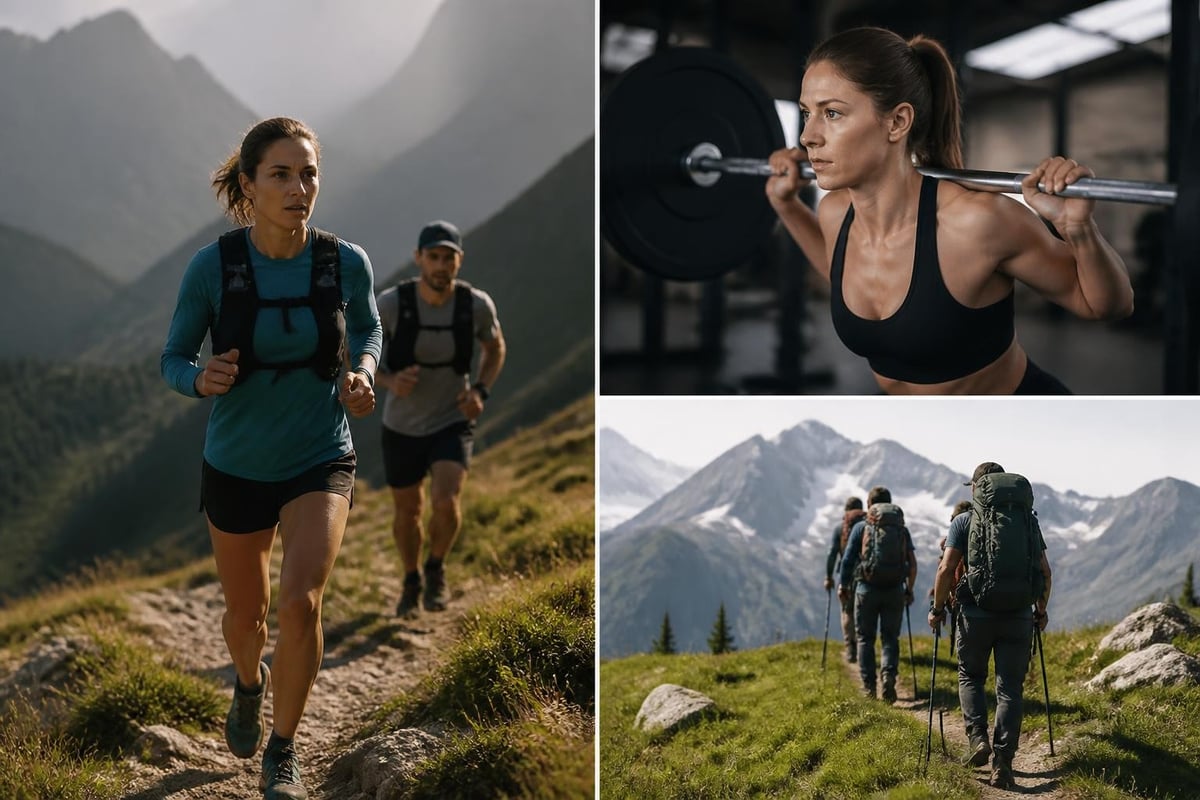
Preparing for a challenging trek requires weeks or months of progressive training. Athletes preparing for Mount Rinjani trekking packages should build endurance through gradually increasing distance and elevation gain, practicing with loaded backpacks, and incorporating strength training for stability and injury prevention.
Hiking preparation can be more relaxed, focusing on general fitness and gradually increasing difficulty levels. Beginners might start with flat, short trails before progressing to steeper or longer routes as confidence and capability grow.
Equipment and Gear Distinctions
Gear requirements represent another significant difference between trekking and hiking. Day hikers typically need only basic equipment that fits comfortably in a small backpack weighing 10-15 pounds. Essential hiking gear includes:
- Water bottles or hydration system
- Trail snacks and lunch
- First aid kit
- Navigation tools (map, phone, GPS)
- Weather-appropriate clothing layers
- Sun protection (hat, sunscreen, sunglasses)
- Emergency whistle and headlamp
Trekking expeditions require comprehensive equipment for self-sufficiency in remote environments. According to detailed gear analysis for both activities, trekkers must carry substantially heavier loads (30-50+ pounds) including:
- Multi-day backpack with proper suspension system
- Tent or sleeping shelter
- Sleeping bag rated for expected temperatures
- Sleeping pad for insulation and comfort
- Cooking equipment and fuel
- Multiple days of food supplies
- Water purification system
- Complete clothing systems for varying conditions
- Emergency and repair supplies
- Advanced navigation equipment
Specialized Equipment Considerations
The comparison between hiking and trekking gear emphasizes that trekking equipment must balance weight efficiency with durability and functionality. Every item serves a critical purpose, as replacing or acquiring forgotten gear mid-trek proves nearly impossible in remote locations.
Quality trekking boots differ from hiking shoes, offering enhanced ankle support, waterproofing, and durability for extended wear on rough terrain. Trekking poles become essential tools rather than optional accessories, reducing knee strain and improving stability on challenging descents.
Logistical Planning and Preparation
Hiking trips require relatively simple planning. Hikers select a trail, check current conditions, inform someone of their plans, and depart with appropriate day supplies. Most established hiking areas provide detailed trail maps, difficulty ratings, and current condition reports through park services or online resources.
Trekking expeditions demand extensive logistical preparation months in advance. The difference between trekking and hiking becomes evident in planning complexity:
- Permit acquisition for protected areas and popular routes
- Accommodation booking for mountain huts or camping reservations
- Supply planning for meals, fuel, and emergency provisions
- Transportation coordination to remote trailheads
- Communication systems for emergency contact
- Travel insurance covering high-altitude activities
Guided Versus Independent Adventures
Many hikers successfully complete trails independently using readily available information and marked paths. The accessibility of hiking trails allows for spontaneous decisions and flexible scheduling.
Trekking often benefits from or requires professional guide services, particularly in challenging environments or foreign countries. Experienced guides provide navigation expertise, local knowledge, safety monitoring, and logistical support that proves invaluable during multi-day expeditions. For those planning to tackle Indonesia's second-highest volcano, experienced trekking companies offer comprehensive packages including guides, porters, equipment, and meals.
The 2D1N Crater Rim Senaru package represents an excellent introduction to trekking for those transitioning from day hiking, offering the challenge of overnight mountain camping with professional support and guidance.
Safety Considerations and Risk Management
Risk profiles differ substantially between hiking and trekking activities. Day hikers face manageable risks including minor injuries, getting lost on poorly marked trails, weather changes, or wildlife encounters. These situations typically resolve within hours, as hikers remain relatively close to populated areas and emergency services.
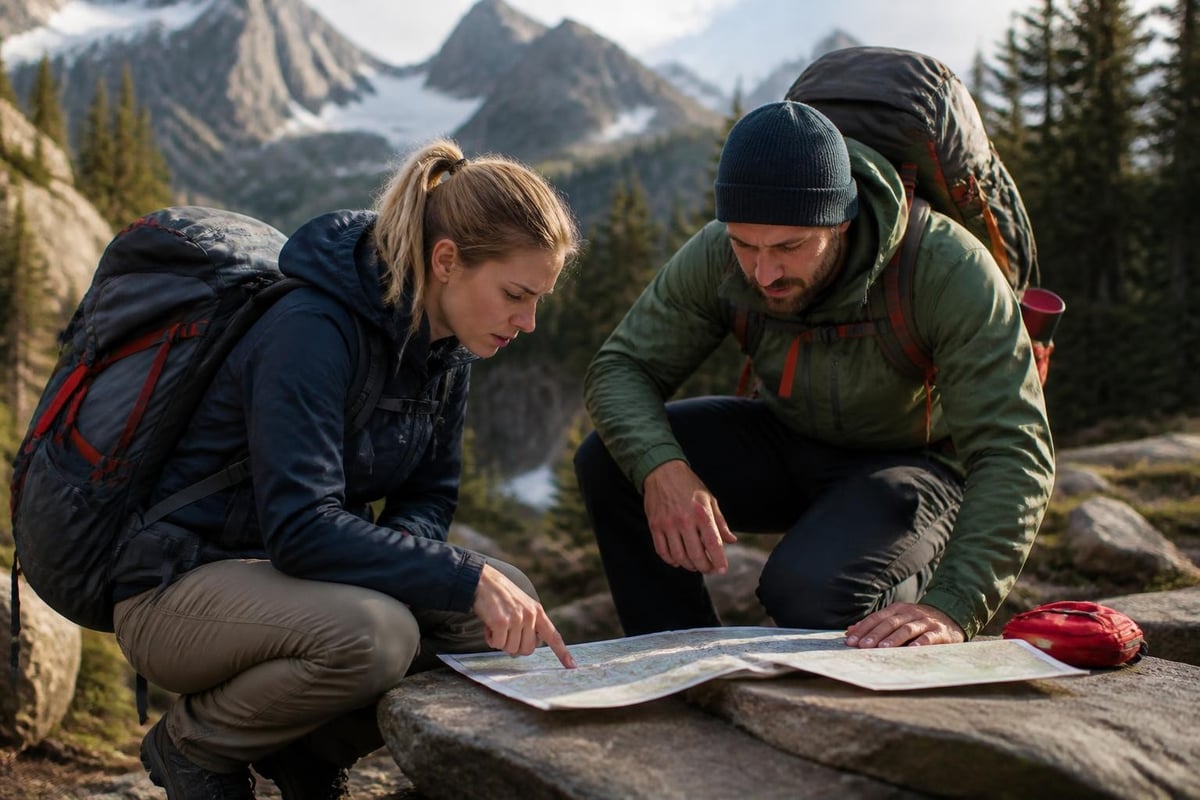
Trekkers confront elevated risks due to remote locations, extended duration, and challenging environments. According to adventure activity safety guidelines, serious trekking risks include:
- Altitude sickness at elevations above 8,000 feet
- Severe weather exposure over multiple days
- Navigation errors in unmarked terrain
- Equipment failure far from replacement sources
- Medical emergencies requiring evacuation
- Communication limitations in areas without cell service
Emergency Preparedness
The difference between trekking and hiking extends to emergency response capabilities. Hikers can usually summon help relatively quickly through cell phones or by returning to trailheads. Rescue services typically reach hiking accident sites within hours.
Trekkers must possess self-rescue skills and carry comprehensive first aid supplies for situations where professional medical help lies days away. Satellite communication devices, detailed evacuation plans, and wilderness medicine training become essential components of responsible trekking preparation.
Cultural and Experiential Aspects
Beyond physical differences, hiking and trekking offer distinct experiential rewards. Hiking provides accessible nature immersion, stress relief, and physical activity that fits into busy schedules. The variety of hiking opportunities allows people to enjoy outdoor experiences regularly without extensive time commitments or specialized skills.
Trekking delivers transformative adventures that test personal limits and provide deep wilderness immersion. Multi-day journeys create opportunities for:
- Complete disconnection from modern life and technology
- Profound natural landscape appreciation across changing conditions
- Personal growth through overcoming physical and mental challenges
- Cultural encounters in remote communities
- Witnessing spectacular natural phenomena like sunrises from mountain summits
The journey becomes as meaningful as the destination, with each day building upon previous experiences and creating lasting memories of accomplishment.
Cost Implications
Financial considerations represent another difference between trekking and hiking. Day hikes often cost nothing beyond transportation to trailheads and basic equipment that serves for years. Public lands offer free or low-cost access, making hiking an economical outdoor activity.
Trekking requires significant financial investment including:
| Expense Category | Hiking | Trekking |
|---|---|---|
| Equipment | $200-500 initial | $1,000-3,000+ initial |
| Guide Services | Usually unnecessary | $500-2,000+ per trek |
| Permits and Fees | $0-30 per visit | $50-500+ per trek |
| Accommodation | Day trip only | $200-1,000+ |
| Transportation | Minimal | Often significant |
| Food and Supplies | $10-20 per trip | $100-300+ per trek |
For those interested in exploring Mount Rinjani’s various routes, understanding these cost differences helps in budgeting appropriately for the adventure level desired.
Making Your Choice
Determining whether hiking or trekking suits your goals depends on multiple factors. Consider hiking when you:
- Want regular outdoor exercise fitting into weekly schedules
- Prefer returning to comfortable accommodations nightly
- Are building fitness and outdoor skills progressively
- Have limited vacation time or budget constraints
- Enjoy varied locations and frequent new experiences
Choose trekking when you:
- Seek immersive wilderness experiences away from civilization
- Have developed solid fitness and outdoor competency
- Can dedicate extended time to a single adventure
- Want to challenge yourself physically and mentally
- Desire profound natural landscape experiences
Neither activity is inherently superior. The difference between trekking and hiking reflects distinct approaches to outdoor recreation, each offering unique rewards and requiring different commitments. Many outdoor enthusiasts enjoy both, using regular hikes to maintain fitness while planning occasional treks for deeper adventures.
Regional Considerations
Geographic location influences how the difference between trekking and hiking manifests practically. Mountainous regions like the Alps, Himalayas, or Indonesian volcanic ranges naturally lend themselves to multi-day trekking expeditions due to remote terrain and significant elevation changes.
Areas with developed trail systems, such as many North American national and state parks, offer extensive hiking networks while also providing trekking opportunities on longer routes like the Appalachian Trail or Pacific Crest Trail. Understanding regional characteristics helps in selecting appropriate adventures.
Lombok’s diverse terrain exemplifies how a single region can accommodate both hiking and trekking, from accessible waterfall trails requiring just hours to summit expeditions demanding multiple days of committed effort.
Skill Development Progression
Most experienced trekkers began as casual hikers, gradually building skills and confidence through progressively challenging adventures. This natural progression allows outdoor enthusiasts to:
- Develop navigation abilities on well-marked trails before tackling route-finding challenges
- Test equipment and preferences on day trips before investing in comprehensive trekking gear
- Build fitness incrementally rather than attempting demanding treks without preparation
- Learn weather assessment and outdoor judgment in lower-risk environments
- Discover personal preferences regarding adventure style and intensity
Starting with hiking provides a foundation that makes trekking more enjoyable and safer when you eventually pursue multi-day expeditions.
Environmental Impact Awareness
Both hiking and trekking require environmental responsibility, though trekking's extended duration and remote locations demand heightened awareness. Day hikers should practice Leave No Trace principles by staying on trails, packing out all waste, and respecting wildlife. The concentrated impact of many hikers on popular trails necessitates careful behavior to preserve natural areas.
Trekkers face unique environmental challenges in fragile ecosystems where waste disposal options are limited and human presence is less common. Responsible trekking companies emphasize environmental cleanliness, proper human waste management, and minimal impact camping techniques to preserve wilderness areas for future generations.
Seasonal Variations
The difference between trekking and hiking also appears in seasonal accessibility. Many hiking trails remain accessible year-round or have extended seasons, allowing flexibility in trip planning. Winter hiking requires additional preparation but remains feasible in many locations with proper equipment.
Trekking seasons are often strictly defined by weather patterns, particularly in mountainous regions. Monsoons, winter storms, or extreme temperatures may close trekking routes entirely for months. Planning treks requires careful attention to optimal timing for specific regions to ensure safe conditions and enjoyable experiences.
Social Dynamics
Hiking accommodates solo adventures, small groups, or larger gatherings with relative ease. The shorter duration and lower complexity make coordinating hiking trips straightforward, allowing for spontaneous invitations and flexible group sizes.
Trekking expeditions often work best with carefully selected partners or organized groups. The extended commitment, physical demands, and shared challenges require compatible personalities and similar fitness levels. Many trekkers find that group dynamics significantly influence overall experience quality, making partner selection crucial for success.
Understanding the difference between trekking and hiking empowers you to choose adventures matching your goals, capabilities, and available time while preparing appropriately for the challenges ahead. Whether you're drawn to accessible day hikes or transformative multi-day expeditions, Hiking Mount Rinjani provides expert guidance, quality equipment, and experienced support for exploring Indonesia's stunning volcanic landscapes safely and responsibly.