
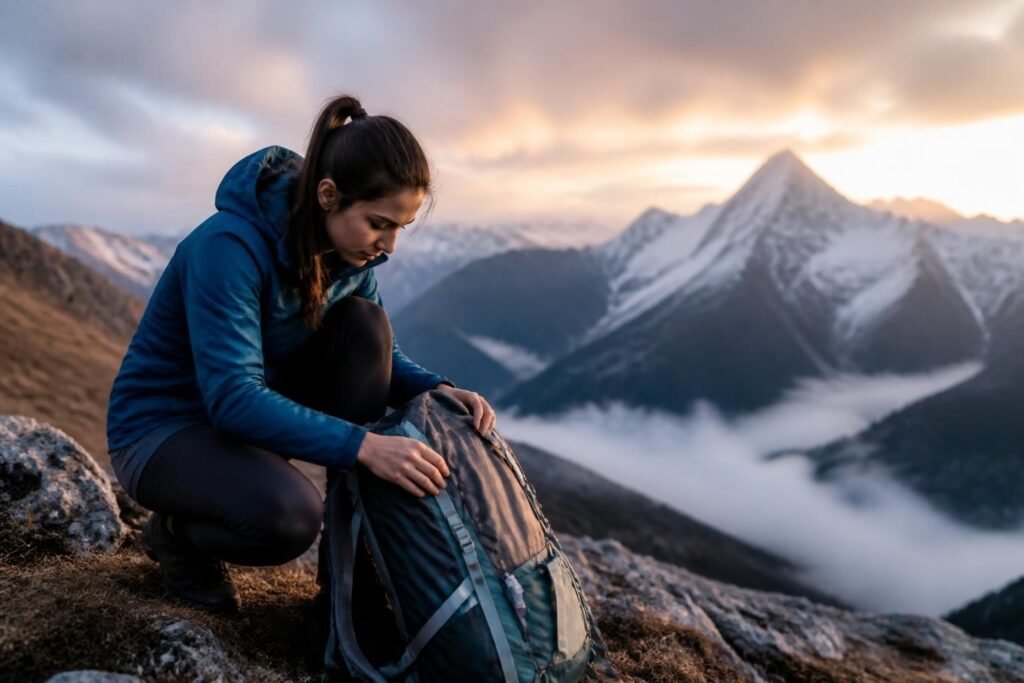
Trekking represents one of the most rewarding outdoor activities, combining physical challenge with breathtaking natural beauty. Whether you're planning to conquer volcanic peaks in Indonesia or explore mountain trails worldwide, following proper trekking guidelines ensures your safety, protects fragile ecosystems, and enhances your overall experience. Understanding these fundamental principles transforms a potentially risky adventure into a memorable journey. This comprehensive guide covers everything from pre-trek preparation to on-trail protocols, equipping you with the knowledge necessary for successful mountain expeditions.
Physical Preparation and Fitness Assessment
Before embarking on any trekking adventure, assessing your physical capabilities forms the foundation of a safe journey. Understanding difficulty levels helps match your fitness to appropriate trails.
Understanding Trek Difficulty Ratings
Trek difficulty classifications range from easy day hikes to extreme high-altitude expeditions. Difficulty ratings consider multiple factors including elevation gain, trail conditions, altitude, and duration. Easy treks typically involve well-maintained paths with minimal elevation change, suitable for beginners with basic fitness. Moderate treks demand better cardiovascular endurance and may include steep sections or longer distances. Challenging expeditions require advanced fitness, experience with altitude, and mental resilience.
Mount Rinjani, standing at 3,726 meters, presents various difficulty levels depending on the chosen route and duration. Some trekkers opt for crater rim experiences, while others pursue the summit challenge. Understanding your limitations prevents overexertion and altitude-related complications.
Building Cardiovascular Endurance
Essential training activities include:
- Hiking progressively longer distances with elevation gain
- Running or jogging to build lung capacity
- Stair climbing with weighted backpacks
- Cycling for low-impact cardio development
- Swimming for full-body conditioning
Start training at least eight weeks before your scheduled trek. Gradually increase both distance and difficulty, allowing your body to adapt. Training with a loaded backpack simulates actual trekking conditions and strengthens supporting muscles.
Essential Gear and Equipment Selection
Proper equipment makes the difference between a comfortable trek and a miserable experience. Trekking guidelines emphasize quality gear appropriate for your destination's climate and terrain.
Core Equipment Requirements
| Equipment Category | Essential Items | Considerations |
|---|---|---|
| Footwear | Waterproof hiking boots, moisture-wicking socks | Break in boots before trek |
| Clothing | Layered system, rain gear, thermal underwear | Choose quick-dry materials |
| Backpack | 40-60L capacity with hip belt | Test weight distribution |
| Sleeping System | Sleeping bag rated for temperature, insulated pad | Consider altitude temperatures |
| Navigation | Map, compass, GPS device | Backup power sources |
| Safety Gear | First aid kit, headlamp, whistle | Check regulations |
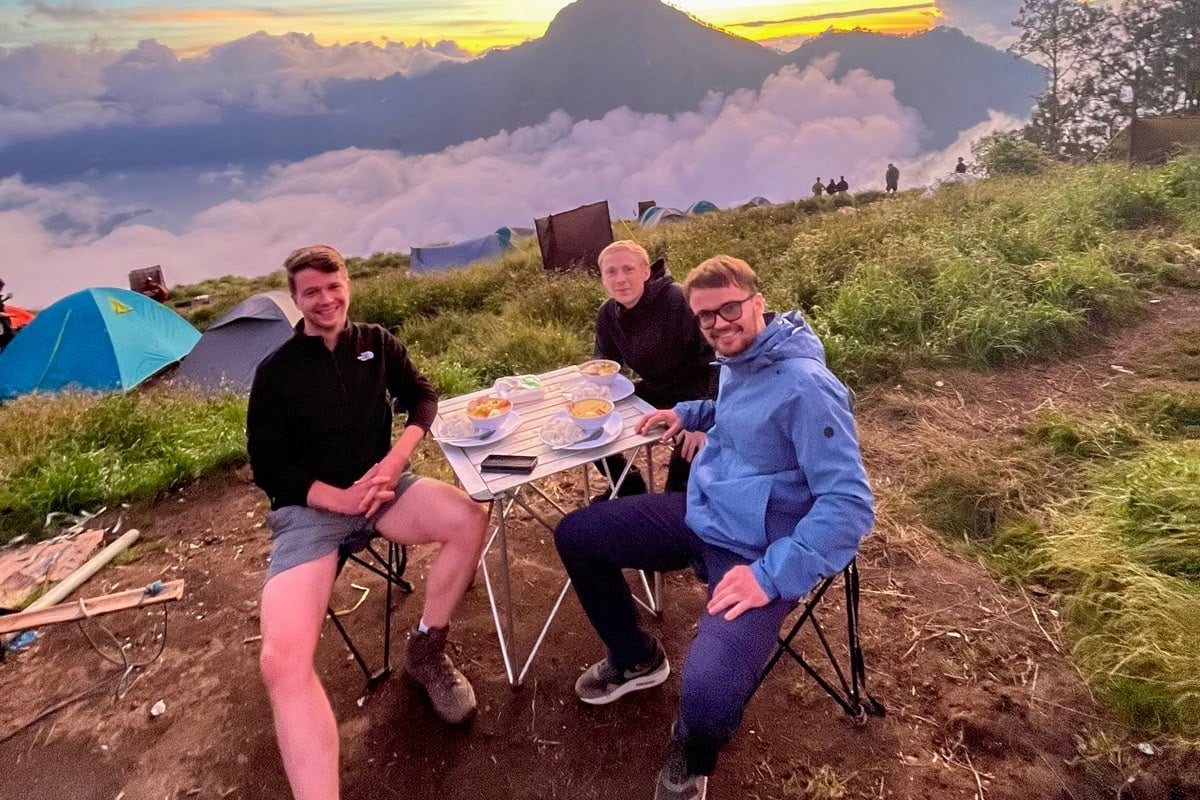
Experienced guides from reputable trekking companies often provide essential camping equipment, reducing the burden on trekkers. However, personal items like proper boots, clothing layers, and hydration systems remain your responsibility.
Selecting and Using Trekking Poles
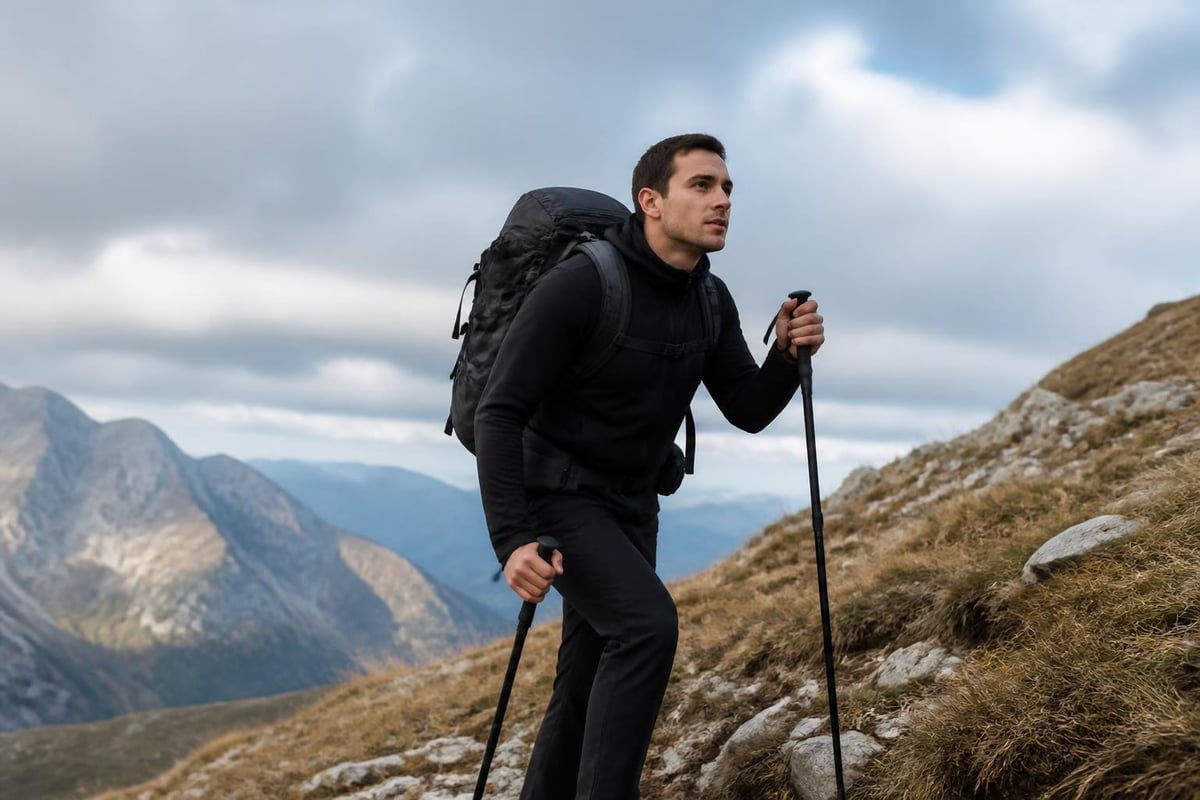
Trekking poles reduce stress on knees during descents and provide stability on uneven terrain. Choosing appropriate poles depends on your height, the terrain type, and personal preference between telescoping and folding designs.
Proper pole use requires adjusting length for different terrains. Shorten poles for uphill climbs to maintain efficiency, and lengthen them for downhill sections to reduce knee impact. Plant poles at appropriate angles and maintain a natural walking rhythm.
Safety Protocols and Risk Management
Following established trekking guidelines for safety protects both individuals and group members from preventable accidents and emergencies.
Pre-Trek Safety Planning
Critical safety steps include:
- Research weather patterns for your trekking dates
- Inform someone about your itinerary and expected return
- Study evacuation routes and emergency contacts
- Verify guide credentials and company safety records
- Understand altitude sickness symptoms and prevention
- Pack comprehensive first aid supplies
- Arrange appropriate travel and medical insurance
Weather conditions in mountainous regions change rapidly. Morning sunshine can transform into afternoon storms, bringing dangerous lightning and reduced visibility. Flexible scheduling allows for weather-related adjustments without compromising safety.
Altitude Acclimatization Strategies
Ascending too quickly causes altitude sickness, ranging from mild headaches to life-threatening conditions. Proper acclimatization follows the "climb high, sleep low" principle. Gradual elevation gain allows your body to adjust to reduced oxygen levels.
Acclimatization guidelines:
- Ascend no more than 300-500 meters in sleeping elevation per day above 3,000 meters
- Include rest days for every 1,000 meters gained
- Stay hydrated with 3-4 liters of water daily
- Avoid alcohol and sleeping medications
- Recognize symptoms: headache, nausea, dizziness, fatigue
The 3-day, 2-night Rinjani summit trek incorporates strategic camping locations that facilitate proper acclimatization while allowing trekkers to experience the mountain's diverse ecosystems. This pacing balances achievement with safety, reducing altitude-related risks.
Environmental Ethics and Leave No Trace Principles
Responsible trekking guidelines emphasize minimizing environmental impact to preserve natural areas for future generations. Leave No Trace principles provide a framework for ethical outdoor recreation.
The Seven Leave No Trace Principles
| Principle | Application on Treks | Practical Examples |
|---|---|---|
| Plan Ahead | Research regulations, prepare for weather | Check trail closures, pack appropriately |
| Travel on Durable Surfaces | Stay on established trails | Avoid shortcuts, single file on narrow paths |
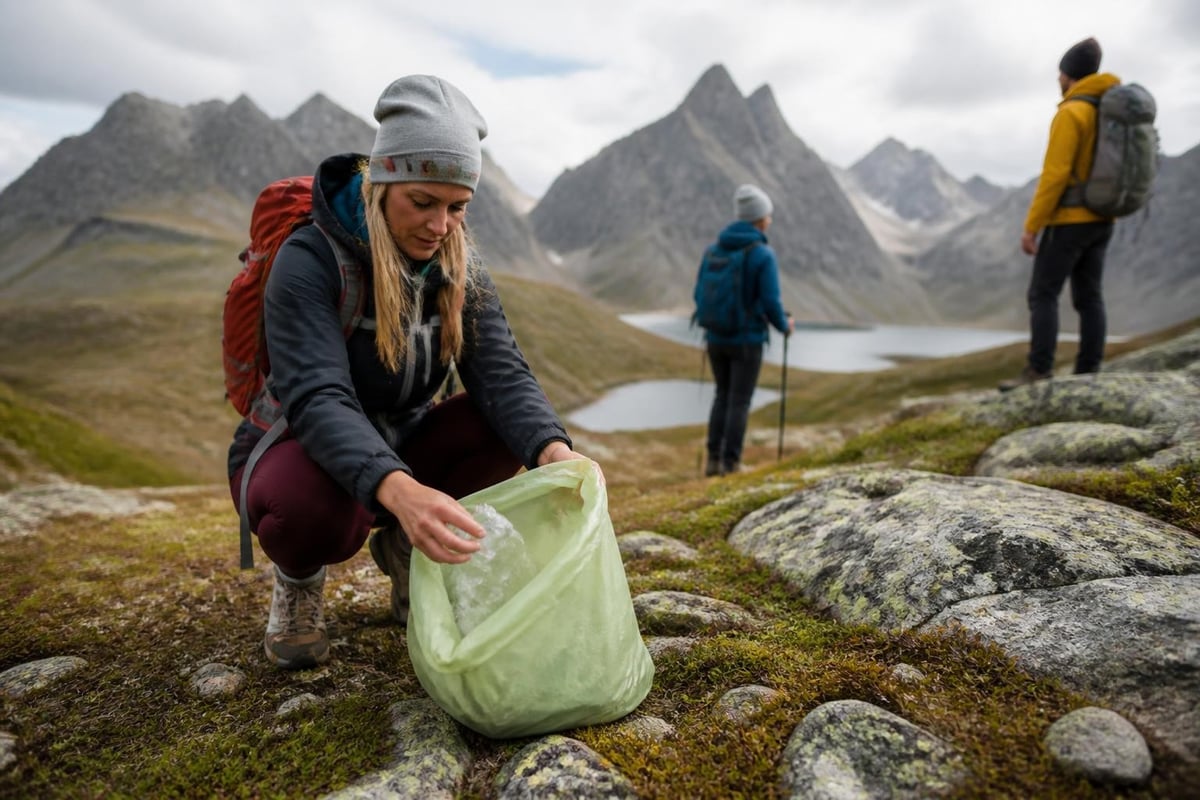
| Dispose of Waste Properly | Pack out all trash including organic waste | Carry trash bags, use designated facilities |
| Leave What You Find | Preserve natural and cultural features | No rock stacking, leave flora undisturbed |
| Minimize Campfire Impacts | Use designated fire rings or stoves | Prefer camp stoves over fires |
| Respect Wildlife | Observe from distance, never feed | Store food securely, quiet voices |
| Be Considerate | Respect other visitors, minimize noise | Yield appropriately, camp away from trails |
Environmental consciousness extends to using biodegradable soap at least 200 feet from water sources and properly disposing of human waste. Carry out used toilet paper in sealed bags rather than burying it, as decomposition rates vary with climate and elevation.
Trekking Pole Impact Mitigation
While trekking poles offer significant benefits, they can damage trails when used carelessly. Using poles responsibly protects vegetation and prevents erosion. Rubber tips reduce trail scarring on rocky surfaces, while metal tips provide better purchase on ice and snow. Remove pole baskets when trekking in vegetated areas to minimize plant damage.
Trail Etiquette and Social Responsibility
Understanding proper hiking etiquette creates positive experiences for all trail users and maintains harmonious outdoor environments.
Right-of-Way Rules
Standard trail protocols include:
- Uphill hikers have right-of-way over descending hikers
- Hikers yield to pack animals on narrow trails
- Faster groups communicate before passing slower groups
- Step to the downhill side when yielding on slopes
- Greet fellow trekkers courteously
These conventions developed from practical safety considerations. Uphill trekkers maintain momentum and rhythm more easily if they don't stop. Pack animals have limited maneuverability and predictable behavior patterns that make them difficult to control in tight spaces.
Group Size Considerations
Large groups impact trails and campsites more significantly than small parties. Trekking guidelines often recommend maximum group sizes of 10-12 people to minimize environmental damage and maintain wilderness character. Smaller groups move more efficiently, make less noise, and disturb wildlife less frequently.
When trekking as part of organized expeditions, responsible operators divide large parties into smaller subgroups. This approach reduces congestion at narrow trail sections and popular viewpoints while distributing environmental impact across broader areas.
Porter Welfare and Ethical Considerations
Many mountain treks employ porters who carry equipment and supplies. Ethical trekking guidelines prioritize porter welfare, ensuring humane working conditions.
Porter Protection Standards
Organizations like the International Porter Protection Group establish ethical treatment guidelines covering essential protections. Comprehensive trekking standards ensure porters receive appropriate clothing, adequate shelter, medical care access, and reasonable load limits.
Porter welfare essentials:
- Maximum load limits of 25 kilograms (excluding porter's personal gear)
- Appropriate clothing for weather conditions including rain gear and insulated layers
- Adequate shelter matching client accommodations in quality
- Access to meals equivalent in nutrition to client provisions
- Medical care coverage including evacuation insurance
- Fair wages meeting or exceeding regional standards
Selecting trekking operators committed to porter welfare supports ethical tourism. Companies that provide quality equipment, proper training, and fair compensation create safer working environments while delivering better service to clients.
Supporting Local Communities
Responsible trekking extends beyond environmental considerations to social impact. Hiring local guides and porters supports regional economies. Purchasing supplies from community vendors rather than bringing everything from urban centers distributes economic benefits more broadly.
Cultural sensitivity demonstrates respect for local traditions and customs. Learning basic phrases in the local language, understanding appropriate dress codes near villages, and asking permission before photographing people shows consideration. These small gestures build positive relationships between trekkers and mountain communities.
Navigation and Route Planning
Proper navigation skills prevent dangerous situations and ensure efficient progress along trekking routes.
Map Reading and GPS Usage
Traditional map and compass skills remain essential despite GPS technology advances. Electronic devices fail due to battery depletion, water damage, or extreme temperatures. Topographic maps reveal terrain features, help estimate travel times, and identify water sources or emergency exits.
Navigation fundamentals:
- Orient maps to actual terrain features
- Calculate distances using map scales
- Identify contour intervals to assess elevation changes
- Recognize landmarks for position confirmation
- Mark waypoints for critical junctions or campsites
- Carry backup navigation tools and extra batteries
Download offline maps before departing for areas with limited connectivity. The diverse routes on Mount Rinjani require careful navigation, particularly when weather reduces visibility near the crater rim or summit approaches.
Time Management and Pacing
Realistic time estimates prevent rushing, which leads to accidents and exhaustion. Calculate hiking time using Naismith's Rule: allow one hour for every 5 kilometers of distance, plus one hour for every 600 meters of elevation gain. Adjust for terrain difficulty, weather conditions, and group fitness levels.
Pacing strategies include:
- Start slowly to warm muscles and assess conditions
- Maintain consistent speed rather than alternating fast and slow
- Take short breaks every hour for hydration and snacks
- Schedule longer breaks at scenic viewpoints or natural rest areas
- Reserve energy for unexpected challenges or emergencies
Hydration and Nutrition Management
Proper fueling maintains energy levels and prevents dehydration-related complications during strenuous trekking.
Water Requirements and Treatment
Mountain trekking demands 3-4 liters of water daily, increasing with temperature, altitude, and exertion level. Dehydration causes fatigue, impaired judgment, and altitude sickness symptoms.
| Water Source | Treatment Method | Effectiveness |
|---|---|---|
| Flowing streams | Chemical tablets, filters, UV light | Varies by contaminant |
| Lakes/ponds | Boiling (1 minute at sea level, 3 minutes above 2,000m) | Kills all pathogens |
| Snow/ice | Melting plus treatment | Energy-intensive |
Carry multiple water containers to ensure redundancy. Hydration bladders offer convenient drinking while moving, but bottles allow easier monitoring of consumption rates.
Energy-Dense Trail Foods
Optimal trekking nutrition includes:
- Complex carbohydrates for sustained energy (oats, whole grains, pasta)
- Protein for muscle recovery (nuts, dried meat, cheese)
- Simple sugars for quick energy boosts (dried fruit, energy gels)
- Electrolyte supplements to replace minerals lost through sweating
- High-calorie snacks for frequent consumption (trail mix, energy bars)
Eat small amounts frequently rather than large meals. Heavy digestion diverts blood flow from muscles to the digestive system, reducing performance. Pack more food than estimated needs to accommodate unexpected delays or increased appetite at altitude.
Weather Awareness and Climate Adaptation
Understanding mountain weather patterns enables better preparation and decision-making during treks.
Recognizing Dangerous Weather Signs
Mountain weather changes rapidly, creating hazardous conditions. Dark clouds building quickly indicate approaching storms. Sudden temperature drops, increasing wind speeds, and static electricity sensations warn of lightning danger. Morning clouds often burn off, while afternoon cloud buildup frequently produces precipitation.
Weather-related decisions:
- Start summit attempts early to avoid afternoon storms
- Seek lower elevation if severe weather threatens
- Establish camps with weather protection considerations
- Carry extra insulation layers for unexpected temperature drops
- Recognize when to abandon objectives for safety
The best trekking seasons on Mount Rinjani run from April through December, avoiding the wettest monsoon months. However, weather remains unpredictable even during optimal periods, requiring constant vigilance and flexible planning.
Temperature Regulation Strategies
Layering systems allow quick adjustments to changing conditions and activity levels. Base layers wick moisture from skin, mid-layers provide insulation, and outer shells protect against wind and precipitation.
Remove layers before overheating to prevent excessive sweating, which leads to rapid cooling when stationary. Add layers during breaks before feeling cold. This proactive approach maintains comfortable body temperature and conserves energy.
Emergency Preparedness and First Aid
Comprehensive emergency preparation addresses medical issues, injuries, and evacuation scenarios that may arise during remote trekking.
Essential First Aid Skills
Critical medical knowledge includes:
- Wound cleaning and bandaging techniques
- Blister prevention and treatment
- Sprain and strain stabilization
- Fracture immobilization methods
- Altitude sickness recognition and response
- Hypothermia and heat exhaustion management
- CPR and rescue breathing procedures
Carry first aid supplies appropriate for group size and trek duration. Include medications for common issues: pain relievers, anti-diarrheal medicines, antihistamines, and altitude sickness preventatives. Personal medications should exceed trek duration by several days in case of delays.
Communication and Rescue Protocols
Establish communication plans before departing. Satellite phones or personal locator beacons provide emergency contact capabilities in areas without cellular coverage. Know rescue contact numbers and evacuation procedures for your trekking area.
Document medical conditions, allergies, and emergency contacts for all group members. This information proves critical if someone requires evacuation or medical treatment. Designate decision-makers authorized to arrange emergency services if group leaders become incapacitated.
Cultural Sensitivity and Local Customs
Respecting local traditions enriches trekking experiences while supporting positive relationships between visitors and mountain communities.
Religious and Sacred Sites
Many mountains hold spiritual significance for local populations. Research cultural practices before visiting sacred areas. Some locations prohibit certain behaviors, require specific dress codes, or restrict access during religious observances. Following these customs demonstrates respect and prevents offense.
Ask permission before entering villages or photographing residents. Modest clothing appropriate for conservative communities shows cultural awareness. Small gestures like learning basic greetings in local languages create positive interactions and meaningful connections.
Supporting Sustainable Tourism
Choose operators committed to environmental conservation and community benefit. Companies that invest in local infrastructure, employ regional guides and porters, and follow sustainable practices contribute to long-term destination preservation. Visiting responsibly ensures these spectacular natural areas remain accessible for future generations while providing economic opportunities for local communities.
Professional trekking services balance client satisfaction with environmental stewardship, creating experiences that benefit both visitors and host communities. This approach transforms trekking from simple recreation into meaningful cultural exchange and conservation support.
Following comprehensive trekking guidelines transforms mountain adventures from risky endeavors into safe, rewarding experiences that respect both natural environments and local communities. Whether you're planning a challenging summit attempt or a moderate crater rim trek, proper preparation, ethical practices, and safety awareness ensure success. Hiking Mount Rinjani provides expert guidance, quality equipment, and experienced local guides who understand these principles, helping you create unforgettable memories while maintaining the highest standards of safety and environmental responsibility.