
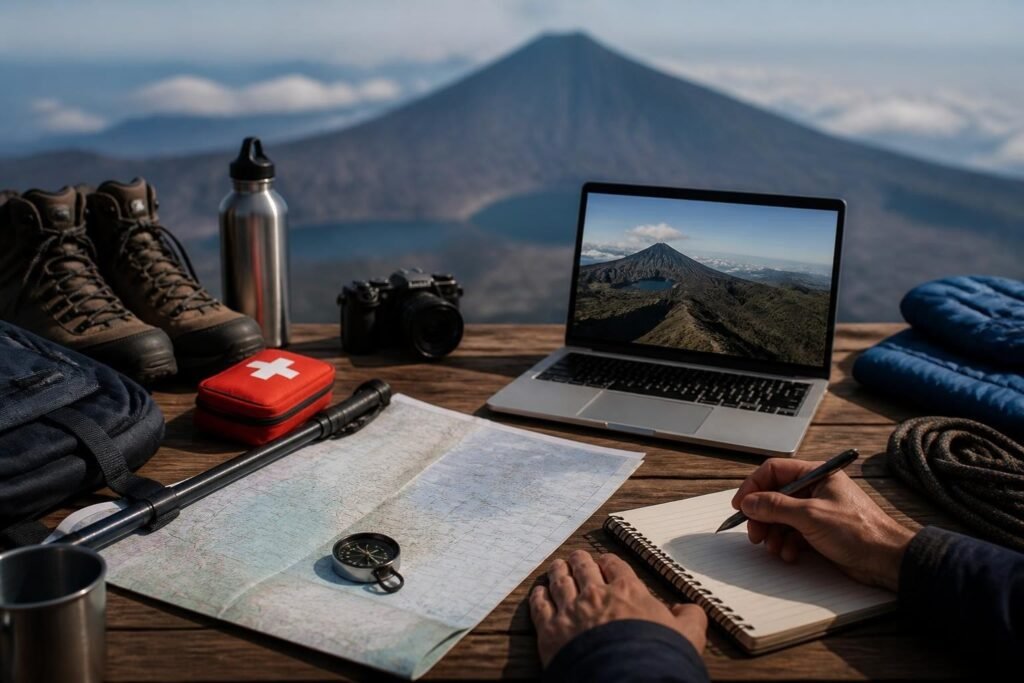
A trip to Rinjani represents one of Southeast Asia's most rewarding trekking experiences, offering adventurers the chance to conquer Indonesia's second-highest volcano while witnessing breathtaking landscapes. Rising 3,726 meters above sea level on Lombok Island, Mount Rinjani presents a formidable yet achievable challenge for hikers seeking to test their limits while experiencing pristine natural beauty. The volcano's crater lake, Segara Anak, along with its natural hot springs and diverse ecosystems, creates an unforgettable adventure that draws thousands of trekkers annually. Understanding the essential aspects of planning and executing a successful journey ensures your experience becomes a highlight of your Indonesian adventure rather than a source of frustration or disappointment.
Understanding Your Route Options
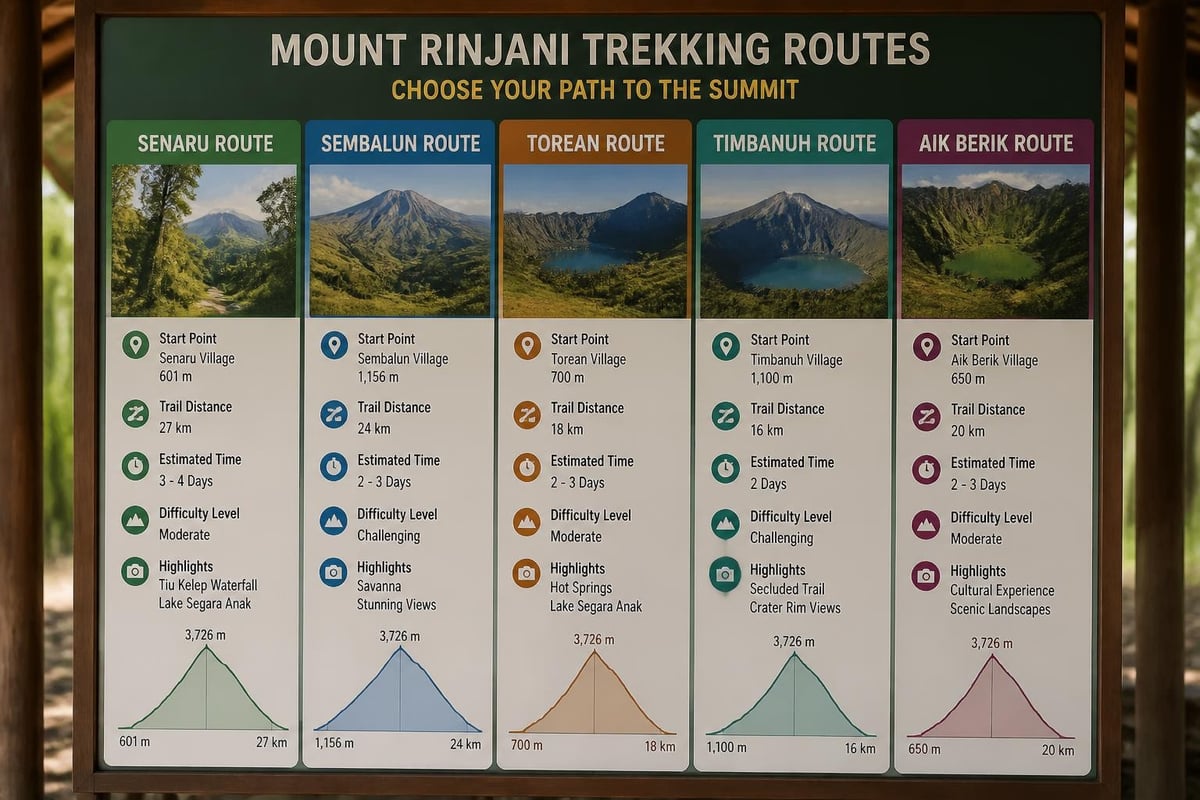
Selecting the appropriate trekking route dramatically affects your overall experience and success rate. Mount Rinjani offers multiple official trails, each presenting distinct advantages, challenges, and perspectives of the mountain's majesty.
The Senaru route, traditionally the most popular starting point, approaches from the north and provides excellent acclimatization opportunities. This classic trail delivers stunning views of the crater rim and allows hikers to experience the mountain's diverse vegetation zones. The Torean route has emerged as the newest and most scenic option since 2021, featuring lush jungle landscapes that many visitors compare to ancient wilderness settings.
Choosing Based on Experience Level
Your hiking background should guide route selection significantly. The five official trekking routes vary considerably in difficulty and duration.
Beginner-Friendly Options:
- 2-day Senaru Crater Rim trek
- Moderate elevation gain
- Well-established trail infrastructure
- Professional guide support readily available
Intermediate to Advanced Routes:
- Summit attempts via Sembalun or Senaru
- Multi-day expeditions including lake camps
- Torean trail for experienced jungle trekkers
- Combined routes for comprehensive exploration
The trip to Rinjani you select should match your physical conditioning and previous trekking experience. Attempting overly ambitious routes without adequate preparation increases injury risk and reduces enjoyment. Experienced trekkers often choose the 3-day-2-night summit package, which balances challenge with adequate rest periods.
| Route Type | Duration | Difficulty | Summit Included | Lake Access |
|---|---|---|---|---|
| Crater Rim | 2D1N | Moderate | No | No |
| Crater-Summit | 2D1N | Challenging | Yes | No |
| Full Circuit | 3D2N | Challenging | Yes | Yes |
| Extended Trek | 4D3N | Moderate-Challenging | Yes | Yes |
Physical Preparation Requirements
Success during your trip to Rinjani depends heavily on physical readiness. The trek demands sustained cardiovascular effort, muscular endurance, and mental resilience throughout multiple days of challenging terrain.
Beginning preparation at least eight weeks before departure provides adequate conditioning time. Your training program should emphasize cardiovascular fitness through running, cycling, or swimming for 30-45 minutes at least four times weekly. Additionally, incorporating weighted hiking sessions with a backpack simulating your trek load builds specific muscle groups and tests your gear comfort.
Building Trek-Specific Strength
Mount Rinjani's steep ascents and descents require particular attention to lower body conditioning and core stability. Targeted exercises prepare your body for the unique demands of volcano trekking.
Stair climbing with a weighted pack replicates the continuous elevation changes you'll encounter. Lunges, squats, and step-ups develop the quadriceps and gluteal strength essential for both climbing and controlled descents. Core exercises including planks and rotational movements improve balance on uneven terrain and reduce lower back strain during long trekking days.
Many successful hikers complete several practice hikes on progressively challenging terrain before their trip to Rinjani. These trial runs identify equipment issues, test your pacing strategy, and build confidence for the main event. The comprehensive trekking preparation guide emphasizes the importance of training at elevation when possible.
Essential Gear and Equipment
Packing appropriately transforms your trekking experience from miserable to memorable. The mountain's diverse climate zones require layered clothing systems and specialized equipment.
Critical Clothing Items:
- Moisture-wicking base layers
- Insulating mid-layers (fleece or down)
- Waterproof and windproof outer shell
- Trekking pants with quick-dry fabric
- Warm hat and sun protection
- Quality trekking boots (broken in)
Mandatory Equipment:
- Headlamp with extra batteries
- Water bottles or hydration system (3-liter capacity)
- Trekking poles for stability
- Sleeping bag rated for 0°C or lower
- Personal first-aid supplies
- Sunscreen and lip balm
Working with established trekking companies in Lombok often provides high-quality rental equipment, eliminating the need to purchase specialized items you may rarely use. Professional operators supply tents, sleeping bags, cooking equipment, and porters to carry heavy items, allowing you to focus on enjoying the experience rather than struggling with excessive weight.
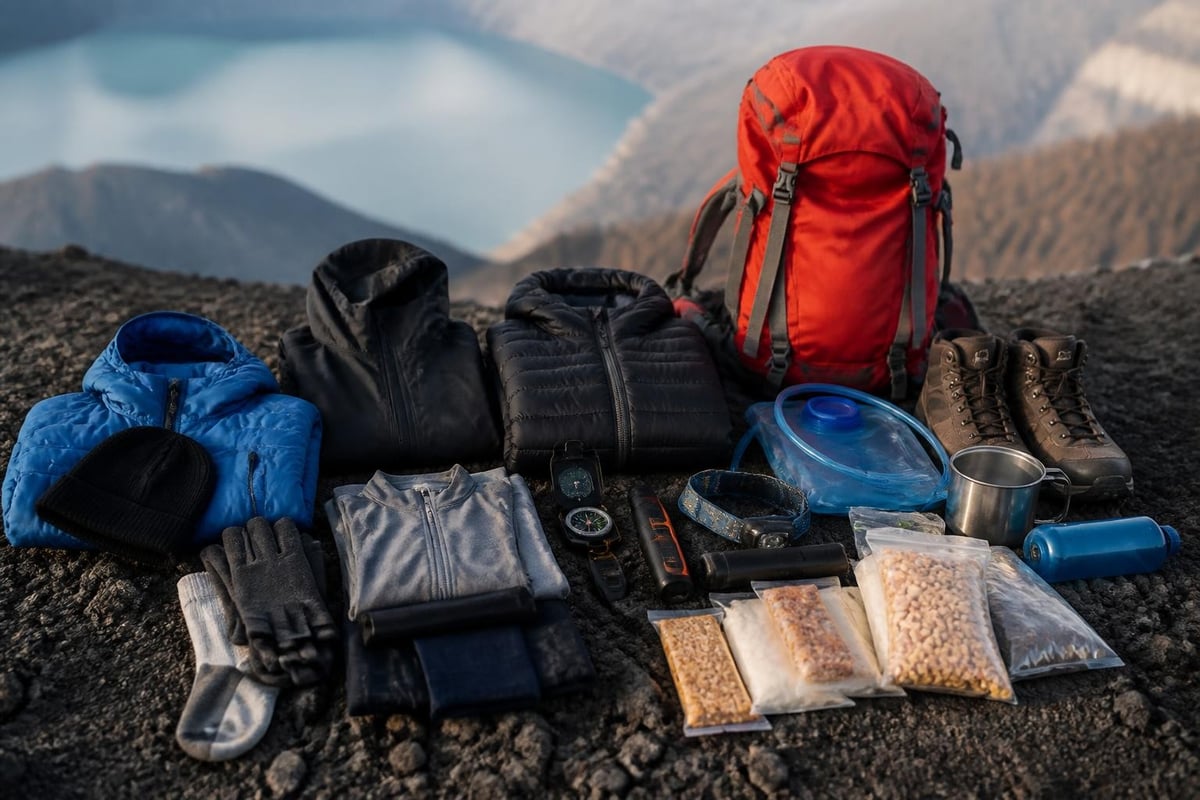
Your pack weight significantly impacts energy expenditure and injury risk. Limiting personal items to 5-7 kilograms while porters handle communal equipment creates the optimal balance between self-sufficiency and comfort during your trip to Rinjani.
Permits and Regulations
Legal compliance ensures both your safety and the mountain's environmental protection. All trekkers must obtain official permits before beginning their ascent, and understanding the regulatory framework prevents delays or complications.
The Rinjani Trek Management Board (RTMB) administers all permits and enforces conservation regulations. Individual permits cannot be purchased independently; instead, hikers must book through registered trekking operators who handle documentation on your behalf. This system ensures all groups include trained guides familiar with safety protocols and environmental standards.
Permit fees vary based on nationality and trek duration, with Indonesian citizens receiving discounted rates compared to international visitors. These fees support trail maintenance, ranger patrols, waste management programs, and local community development initiatives. The permit requirements and regulations detail current pricing and documentation needed.
Environmental Protection Standards
Recent years have seen increased emphasis on sustainable trekking practices following environmental concerns. All groups must now carry out 100% of their waste, including organic materials. Single-use plastics are prohibited, and designated camping areas limit ecological impact.
Guides receive training in Leave No Trace principles and enforce strict adherence to environmental protocols. Violations result in significant fines and potential bans from future trekking. Choosing reputable operators who prioritize environmental stewardship protects the mountain's fragile ecosystems for future generations.
Optimal Timing for Your Trek
Seasonal conditions dramatically affect safety, comfort, and success rates for summit attempts. Understanding Rinjani's weather patterns enables strategic planning for your trip to Rinjani.
Dry Season Advantages
The primary trekking season runs from April through December, with July through September representing peak conditions. During these months, rainfall decreases significantly, trails dry out, and visibility improves for panoramic views. Summit attempts become safer without the slippery conditions that characterize wet season ascents.
Morning temperatures at higher elevations can drop to 5°C or below, while midday sun exposure at lower elevations requires sun protection and adequate hydration. The best time to hike Mount Rinjani provides detailed monthly breakdowns of expected conditions.
Monthly Condition Overview:
| Month | Rainfall | Trail Conditions | Crowds | Visibility |
|---|---|---|---|---|
| April-May | Low-Moderate | Improving | Light | Good |
| June-August | Minimal | Excellent | Heavy | Excellent |
| September-November | Low | Very Good | Moderate | Very Good |
| December-March | High | Poor-Dangerous | Minimal | Limited |
Wet season trekking from December through March presents serious safety concerns. Heavy rainfall creates hazardous trail conditions, increases landslide risk, and reduces visibility to near zero at higher elevations. Most operators suspend operations during this period, and attempting a trip to Rinjani during monsoon season is strongly discouraged.
Daily Trek Expectations
Understanding typical daily schedules and challenges helps set realistic expectations and prepare mentally for the journey ahead. Each trekking package follows established patterns optimized for acclimatization and safety.
Day One: Initial Ascent
Most treks begin with registration at the entry gate between 7:00 and 8:00 AM. The initial hiking segment typically covers 6-8 kilometers over 5-7 hours, ascending through tropical forest zones into montane ecosystems. Porters usually move ahead to establish camp while trekkers maintain a steady pace with regular rest breaks.
The first day's physical demands often surprise unprepared hikers. The continuous upward gradient with minimal flat sections requires consistent effort and proper pacing. Guides monitor group members for altitude sickness symptoms and adjust speed accordingly.
For those choosing the 3-day-2-night Torean route, the trail leads through spectacular jungle terrain that provides shade and unique photographic opportunities. This route has become increasingly popular since opening in 2021, offering a fresh perspective on the mountain's biodiversity.
Summit Day: The Ultimate Challenge
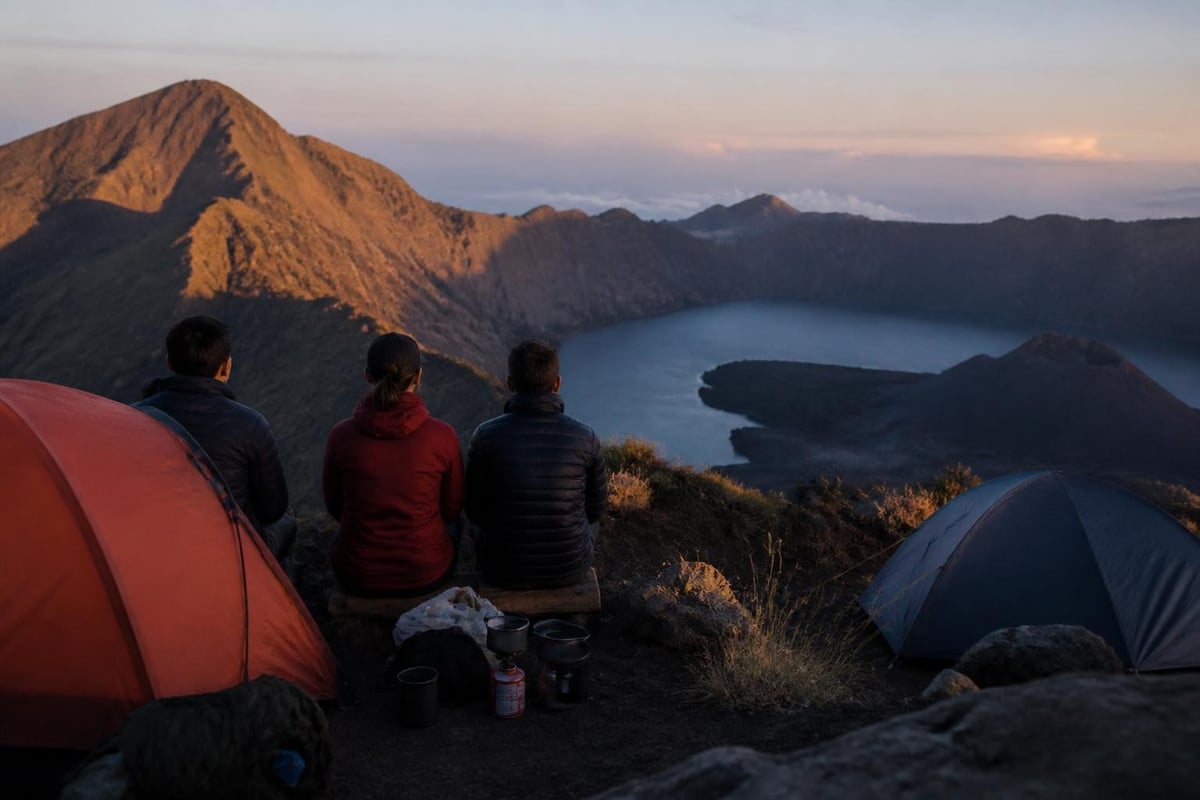
Summit attempts typically begin between midnight and 2:00 AM, allowing hikers to reach the peak for sunrise viewing. This segment represents the trek's most demanding portion, with loose volcanic scree requiring careful footing and tremendous leg strength.
The final 600-meter ascent takes 2-4 hours depending on fitness levels and conditions. Temperatures drop significantly, and strong winds frequently challenge balance and energy conservation. Reaching the 3,726-meter summit delivers unparalleled satisfaction and 360-degree views across Lombok, neighboring islands, and the surrounding ocean.
Safety Considerations and Risks
Every trip to Rinjani carries inherent risks that require acknowledgment and mitigation. Understanding potential hazards and implementing preventive measures significantly improves safety margins.
Altitude-Related Concerns
Acute mountain sickness (AMS) affects many trekkers above 2,500 meters, particularly those ascending too rapidly. Symptoms include headache, nausea, dizziness, and fatigue. Severe cases can progress to life-threatening conditions requiring immediate descent.
Professional guides recognize AMS symptoms and implement appropriate responses, including rest periods, hydration protocols, or emergency evacuation when necessary. The gradual ascent profiles built into multi-day packages allow better acclimatization than rushed summit attempts.
Recent incidents, including a tourist incident at Mount Rinjani, underscore the critical importance of selecting reputable operators with experienced guides. Never attempt the trek independently, and always verify your operator's safety record and guide qualifications.
Primary Risk Factors:
- Altitude sickness and inadequate acclimatization
- Weather changes and exposure
- Dehydration and electrolyte imbalance
- Trail injuries from falls or twisted ankles
- Equipment failure in critical situations
The safety tips and considerations resource provides comprehensive guidance on risk mitigation and emergency preparedness.
Working with Professional Guides
Experienced guides transform your trip to Rinjani from a physical ordeal into an educational adventure. Their knowledge extends beyond trail navigation to include local ecology, cultural context, and personalized support throughout the journey.
Professional guides undergo rigorous training and certification through the RTMB, ensuring competency in first aid, emergency response, environmental protection, and customer service. Many guides have summited Rinjani hundreds of times, developing intimate familiarity with trail conditions, weather patterns, and optimal strategies for various circumstances.
Beyond safety considerations, guides handle logistics including meal preparation, camp setup, permit processing, and porter coordination. This comprehensive support allows trekkers to focus entirely on the physical challenge and experiential aspects of the journey. Quality guides also share insights about local Sasak culture, volcanic geology, and the mountain's spiritual significance to island communities.
Reputable Lombok trekking services maintain strict guide-to-trekker ratios, typically one guide for every four hikers, ensuring adequate supervision and personalized attention throughout the expedition.
Nutrition and Hydration Strategy
Maintaining proper nutrition and hydration levels directly impacts performance, enjoyment, and safety during your trip to Rinjani. The physical demands of multi-day trekking at altitude increase caloric requirements and fluid needs substantially.
Caloric Requirements
Trekkers typically burn 4,000-6,000 calories daily during active hiking, far exceeding normal sedentary requirements. Professional operators provide three substantial meals plus snacks, focusing on carbohydrate-rich foods for sustained energy and adequate protein for muscle recovery.
Breakfast usually includes eggs, rice or bread, fruit, and hot beverages. Lunch consists of portable items consumed during trail breaks. Dinner features rice with vegetables, protein sources, and soup to restore warmth and hydration after long trekking days.
Daily Hydration Guidelines:
- Minimum 3-4 liters of water during active trekking
- Additional intake at altitude to compensate for increased respiration
- Electrolyte supplements to replace minerals lost through sweating
- Avoiding alcohol and caffeine, which promote dehydration
Water sources exist at certain points along most routes, but all water requires purification through boiling, filtration, or chemical treatment before consumption. Guides handle water preparation for meals, while trekkers maintain personal hydration systems for trail use.
Cultural and Spiritual Dimensions
Mount Rinjani holds profound spiritual significance for local Sasak and Balinese communities, who regard the volcano as a sacred site. Understanding this cultural context enriches your experience and promotes respectful interaction with local guides and porters.
Annual pilgrimage ceremonies occur at Segara Anak Lake, where religious leaders perform rituals and make offerings. These traditions, dating back centuries, reflect the mountain's role as a mediator between earthly and spiritual realms. Many guides and porters participate in these ceremonies, viewing their work on the mountain as both livelihood and spiritual practice.
Visitors should demonstrate respect by following guide instructions regarding sacred sites, avoiding loud behavior near ceremonial areas, and refraining from removing natural objects as souvenirs. This cultural sensitivity strengthens the relationship between tourism and local communities while preserving traditional practices.
Post-Trek Recovery
The physical demands of your trip to Rinjani require intentional recovery strategies to prevent injury and restore energy levels. Planning adequate rest time after descending enhances overall enjoyment and prevents exhaustion from compromising subsequent travel plans.
Immediate Recovery Priorities
The first 24-48 hours after completing your trek should emphasize rest, rehydration, and nutrition. Many trekkers experience muscle soreness, joint stiffness, and general fatigue during this period. Gentle stretching, adequate sleep, and anti-inflammatory foods support the recovery process.
Hot springs near the mountain provide therapeutic benefits for sore muscles and joints. Many extended packages include time at these natural features, combining cultural experience with physical recovery. Additionally, arranging accommodation with comfortable beds and bathing facilities dramatically improves post-trek comfort compared to immediately continuing travel.
Recovery Best Practices:
- Light activity rather than complete inactivity
- Protein-rich meals to support muscle repair
- Continued hydration to flush metabolic waste
- Professional massage if available
- Elevation of legs to reduce swelling
Combining Rinjani with Broader Lombok Exploration
Maximizing your Lombok visit often involves combining your trip to Rinjani with other island attractions. The island offers diverse experiences including pristine beaches, traditional villages, waterfalls, and marine environments.
The North Lombok tour options provide excellent post-trek relaxation opportunities featuring Sendang Gile and Tiu Kelep waterfalls, cultural villages, and scenic viewpoints. These lower-intensity activities complement the physical demands of trekking while showcasing Lombok's cultural and natural diversity.
Beach destinations such as the Gili Islands or southern coast locations offer swimming, snorkeling, and seaside relaxation perfect for recovery periods. Creating an itinerary that sequences intense trekking followed by beach rest optimizes both adventure and rejuvenation during your Indonesian holiday.
Financial Planning and Budgeting
Understanding cost structures helps establish realistic budgets for your trip to Rinjani while ensuring quality service selection. Prices vary significantly based on trek duration, group size, service level, and operator reputation.
Package Inclusions
Reputable operators provide comprehensive packages including permits, guide services, porter support, meals, camping equipment, and emergency support. Budget operators may offer lower prices but compromise on food quality, equipment condition, or guide experience. Investigating exactly what each package includes prevents unexpected costs and disappointment.
Typical Package Components:
| Item | Budget Operator | Premium Operator |
|---|---|---|
| Guide Experience | Basic certified | Highly experienced |
| Food Quality | Adequate | Excellent variety |
| Equipment Condition | Functional | High quality |
| Porter Support | Standard | Comprehensive |
| Group Size | Larger (8-12) | Smaller (4-6) |
| Emergency Protocols | Basic | Advanced |
International trekkers should budget $200-400 USD for multi-day packages depending on duration and service level. Additional costs include transportation to Lombok, pre- and post-trek accommodation, travel insurance, and personal equipment purchases or rentals.
The investment in quality operators pays dividends through enhanced safety, superior experience, and reduced risk of problems requiring expensive emergency responses or trip cancellations.
Photography and Memory Preservation
Capturing your trip to Rinjani through photography creates lasting memories while sharing your adventure with others. The mountain's dramatic landscapes provide exceptional photographic opportunities from jungle trails to volcanic summits.
Equipment and Technique
Lightweight camera equipment balances image quality with pack weight considerations. Modern smartphones capture excellent images while eliminating the need for separate camera gear. For serious photographers, mirrorless cameras with versatile zoom lenses provide superior capabilities without excessive weight.
Protecting electronic equipment from moisture, temperature extremes, and physical impacts requires waterproof cases or dry bags. Batteries drain faster in cold temperatures at higher elevations, necessitating spare batteries stored close to body warmth. Memory cards with substantial capacity prevent running out of storage during multi-day treks.
Golden hour lighting at sunrise and sunset produces the most dramatic images, though summit attempts during darkness require specialized techniques. Star photography opportunities at high-altitude camps showcase spectacular Milky Way views above the crater rim.
Successfully completing a trip to Rinjani requires careful planning, physical preparation, and partnership with experienced professionals who prioritize safety and environmental stewardship. The rewards of standing atop Indonesia's second-highest volcano, witnessing sunrise over Lombok and beyond, justify the considerable effort required to reach the summit. Hiking Mount Rinjani provides comprehensive trekking packages with experienced guides, quality equipment, and proven safety protocols to ensure your Rinjani adventure becomes a highlight of your Indonesian journey rather than a source of regret or difficulty.