
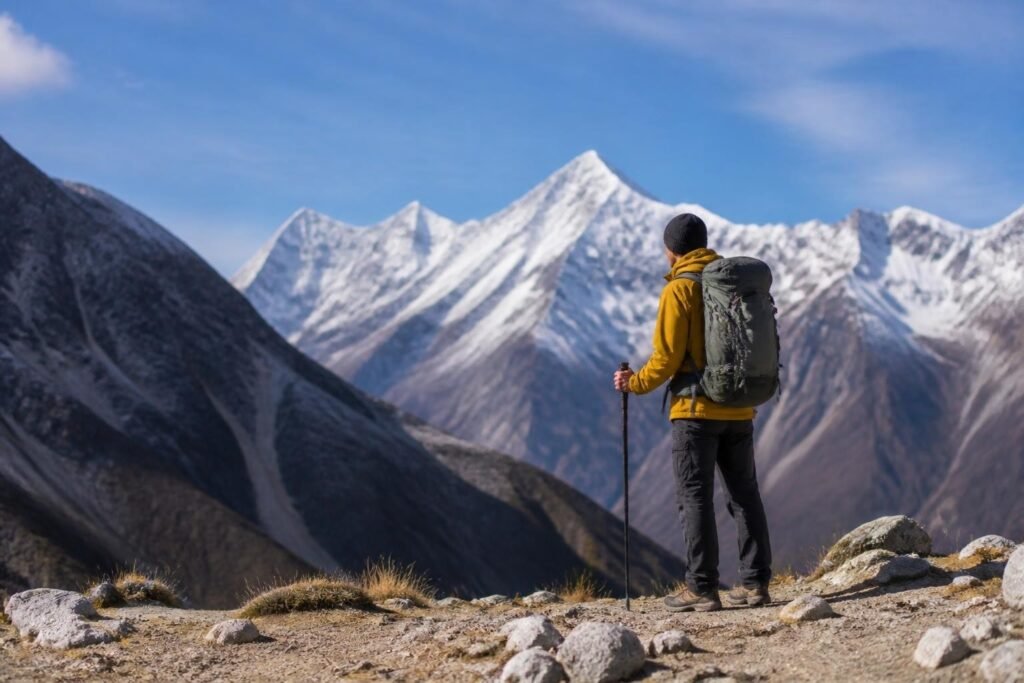
High trekking represents one of the most challenging and rewarding forms of mountain adventure, demanding specialized knowledge, proper preparation, and respect for altitude-related risks. Unlike standard hiking at lower elevations, high trekking involves ascending to altitudes typically above 2,500 meters (8,200 feet), where reduced oxygen levels, unpredictable weather patterns, and demanding terrain create unique challenges for trekkers. Success in high-altitude environments requires understanding physiological adaptation processes, selecting appropriate equipment, and implementing proven safety protocols that protect against altitude sickness and environmental hazards.
Understanding High Trekking Environments
High trekking takes place in mountain environments where atmospheric pressure decreases significantly, reducing the amount of oxygen available with each breath. At 3,000 meters, the air contains approximately 30% less oxygen than at sea level, while at 5,000 meters, this reduction reaches nearly 50%.
These physiological challenges affect every trekker differently, making individual acclimatization strategies essential. The body responds to reduced oxygen through increased breathing rates, elevated heart rates, and eventually through physiological adaptations including increased red blood cell production.
Altitude Classification for Trekkers
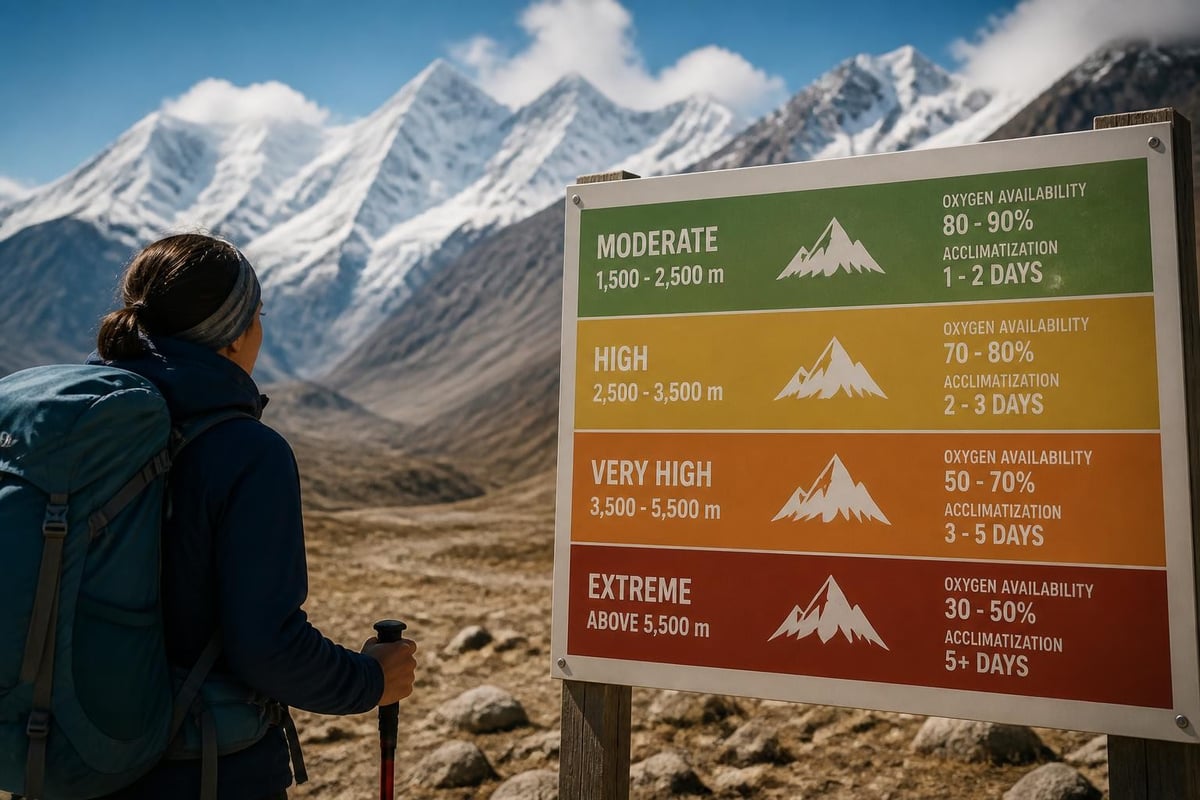
Understanding altitude zones helps trekkers plan appropriate acclimatization schedules and recognize when additional precautions become necessary.
| Altitude Zone | Elevation Range | Oxygen Availability | Primary Concerns |
|---|---|---|---|
| Moderate | 2,500-3,500m | 75-85% of sea level | Initial acclimatization |
| High | 3,500-5,000m | 60-75% of sea level | Altitude sickness risk |
| Very High | 5,000-5,800m | 50-60% of sea level | Severe altitude illness |
| Extreme | Above 5,800m | Below 50% of sea level | Life-threatening exposure |
Mount Rinjani in Indonesia, reaching 3,726 meters at its summit, falls squarely within the high altitude classification, requiring proper acclimatization and careful attention to altitude-related symptoms throughout the ascent.
Physical Preparation for High Trekking
Successful high trekking begins months before departure with a comprehensive physical conditioning program that builds cardiovascular endurance, muscular strength, and mental resilience. Aerobic capacity proves particularly important, as the body must work harder to extract oxygen from thin mountain air.
Training should include regular cardiovascular exercise such as running, cycling, or swimming for at least 45-60 minutes, four to five times weekly. Hill training or stair climbing specifically prepares leg muscles for sustained uphill effort while simulating the demands of mountain terrain.
Building Trekking-Specific Fitness
- Cardiovascular endurance: Long-duration activities at moderate intensity to build aerobic base
- Leg strength: Squats, lunges, and step-ups with gradually increasing weight or repetitions
- Core stability: Planks, bridges, and rotational exercises to support heavy pack carrying
- Balance training: Single-leg exercises and stability work for uneven terrain navigation
- Flexibility: Regular stretching to prevent injuries and maintain range of motion
Pack training represents an often-overlooked preparation element. Gradually increasing the weight carried during training hikes conditions shoulders, back, and legs to handle expedition loads while revealing any equipment fit issues before departure.
The comprehensive Rinjani trekking packages offered by experienced operators provide structured itineraries that support proper acclimatization through carefully planned altitude gains.
Essential Gear Selection
High trekking demands equipment capable of protecting against extreme weather conditions, temperature fluctuations, and high-altitude environments. Gear selection should prioritize proven reliability over weight savings, as equipment failure in remote mountain locations creates serious safety risks.
A quality layering system forms the foundation of high trekking clothing. Base layers made from merino wool or synthetic materials wick moisture away from skin, mid-layers provide insulation, and outer shells protect against wind and precipitation.
Critical Equipment Checklist
Clothing Systems:
- Moisture-wicking base layers (top and bottom)
- Insulating mid-layers (fleece or down)
- Waterproof and windproof shell jacket
- Insulated jacket for high camps
- Trekking pants with weather-resistant treatment
- Warm hat, sun hat, and gloves (liner and insulated)
Footwear and Accessories:
- Well-broken-in waterproof trekking boots
- Moisture-wicking sock system with liner socks
- Gaiters for snow or scree protection
- Trekking poles for stability and joint protection
Technical Equipment:
- Headlamp with extra batteries
- Water purification system or tablets
- High-SPF sunscreen and lip protection
- Sunglasses with UV protection
- First aid kit with altitude medication
Temperature variations in high trekking environments can exceed 30 degrees Celsius between day and night, making versatile layering systems essential for maintaining comfort and preventing hypothermia.
Acclimatization Strategies
Proper acclimatization represents the single most important factor in preventing altitude sickness and ensuring high trekking success. The body requires time to adjust to reduced oxygen levels through physiological adaptations that cannot be rushed without significant health risks.
The golden rule of high trekking follows a simple principle: climb high, sleep low. This approach allows trekkers to expose their bodies to higher altitudes during the day while returning to lower elevations for overnight rest, maximizing acclimatization benefits.
Proven Acclimatization Protocols
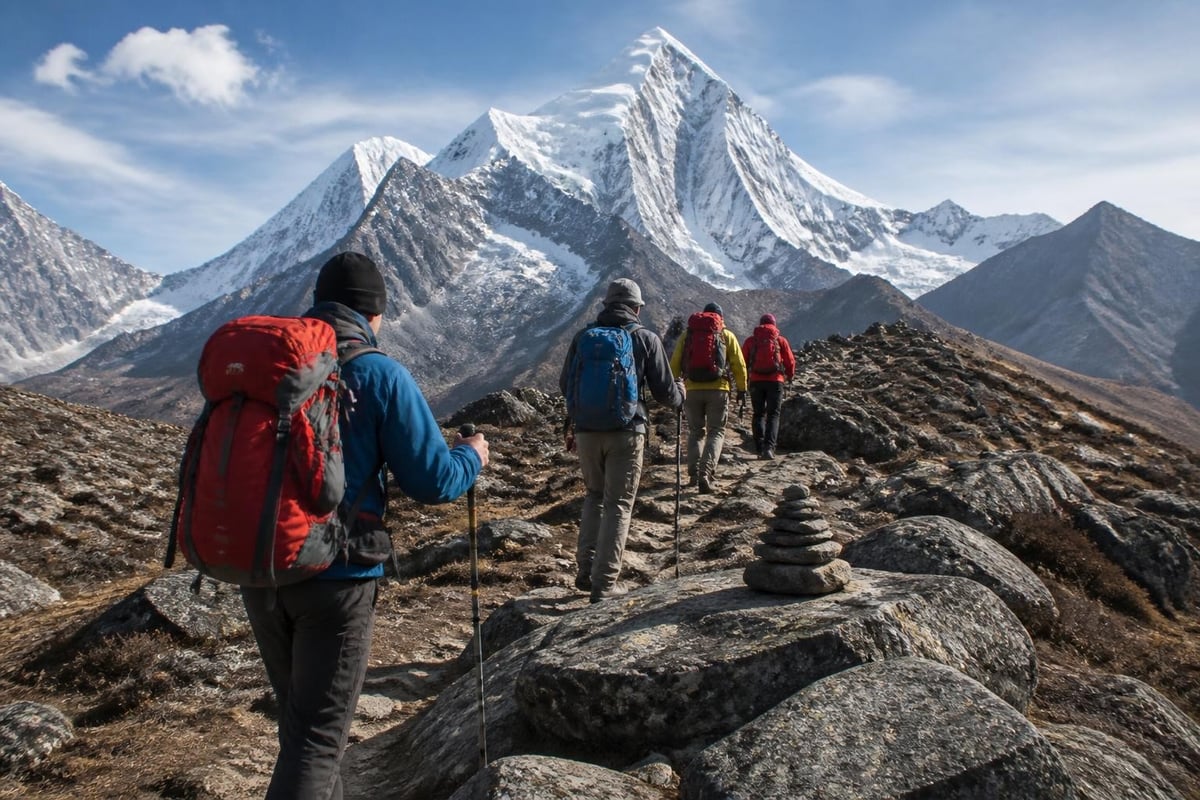
The National Geographic guide to high-altitude safety emphasizes gradual ascent rates, recommending no more than 300-500 meters of sleeping elevation gain per day above 3,000 meters.
Rest days become mandatory at specific intervals, particularly after reaching 3,500 meters. A typical schedule includes one rest day for every 1,000 meters of elevation gain, though individual variation may require additional rest periods.
| Elevation Reached | Maximum Daily Gain | Rest Day Frequency | Hydration Target |
|---|---|---|---|
| 2,500-3,000m | 500-600m | Optional | 3-4 liters/day |
| 3,000-4,000m | 400-500m | Every 3-4 days | 4-5 liters/day |
| 4,000-5,000m | 300-400m | Every 2-3 days | 5-6 liters/day |
| Above 5,000m | 200-300m | Every 1-2 days | 6+ liters/day |
Hydration plays a crucial role in acclimatization success. Dehydration exacerbates altitude sickness symptoms and impairs the body's adaptation mechanisms. Trekkers should consume significantly more water than they believe necessary, using urine color as a hydration indicator (clear to pale yellow indicates adequate hydration).
Recognizing and Managing Altitude Sickness
Altitude sickness affects up to 75% of trekkers at elevations above 3,000 meters to some degree, ranging from mild headaches to life-threatening conditions. Early recognition and appropriate response prevent minor symptoms from progressing to serious medical emergencies.
Acute Mountain Sickness (AMS) presents the most common form of altitude illness, characterized by headache accompanied by at least one of the following: nausea, fatigue, dizziness, or sleep disturbance. Symptoms typically appear 6-12 hours after arriving at a new altitude.
Warning Signs Requiring Immediate Action
- Mild AMS: Headache, mild nausea, fatigue (rest at current altitude, do not ascend)
- Moderate AMS: Severe headache unrelieved by medication, vomiting, marked fatigue (descend 500+ meters)
- HACE symptoms: Confusion, ataxia, altered consciousness (immediate descent, medical evacuation)
- HAPE symptoms: Shortness of breath at rest, persistent cough, chest tightness (immediate descent, supplemental oxygen)
The UIAA medical guidelines provide detailed protocols for emergency field management of severe altitude illnesses, emphasizing that descent represents the most effective treatment for all forms of altitude sickness.
Prevention strategies include gradual ascent rates, adequate hydration, avoiding alcohol and sleeping medications, and considering prophylactic medications such as acetazolamide (Diamox) after consultation with a physician experienced in altitude medicine.
For trekkers planning Mount Rinjani expeditions, understanding these altitude considerations proves particularly important, as the mountain's 3,726-meter summit requires proper acclimatization despite being classified at the lower end of the high-altitude range.
Navigation and Route Planning
High trekking routes demand careful navigation skills and thorough route planning, as weather conditions can rapidly obscure trails, landmarks, and visibility. Unlike lower-elevation trails with consistent marking and regular foot traffic, high trekking paths may traverse snowfields, glaciers, or rocky terrain with minimal indication of the correct route.
Modern GPS devices and smartphone applications provide valuable navigation tools, but they should supplement rather than replace traditional map and compass skills. Electronic devices fail in extreme cold, batteries deplete rapidly at altitude, and screen visibility diminishes in bright sunlight or precipitation.
Navigation Essentials for High Altitude
Pre-trip preparation should include studying topographic maps, identifying critical waypoints, and understanding potential hazard zones along the route. Weather windows for summit attempts often open for limited hours, requiring precise timing and efficient navigation to reach objectives and return safely.
Many successful high trekking expeditions benefit from experienced guides who possess intimate knowledge of route conditions, weather patterns, and appropriate responses to changing circumstances. The experienced guides at Hiking Mount Rinjani bring essential local knowledge that enhances safety and success rates for trekkers attempting the mountain's challenging routes.
Trail markers become sparse or absent at higher elevations, making waypoint recording during ascent critical for safe descent, particularly if weather deteriorates or visibility drops. Photographing distinctive landmarks, recording GPS coordinates at decision points, and maintaining bearing awareness all contribute to successful navigation.
Weather Considerations and Storm Safety
Mountain weather systems change rapidly and with little warning, creating conditions that can transform straightforward trekking into survival situations within hours. High trekking environments experience more extreme weather than lower elevations, with temperature swings, sudden storms, and dangerous wind speeds occurring regularly.
Understanding weather patterns specific to trekking regions proves essential for planning summit attempts and establishing appropriate turnaround times. Most mountain accidents occur during descent, often after weather deterioration traps exhausted trekkers above safe camping zones.
Weather Monitoring and Response
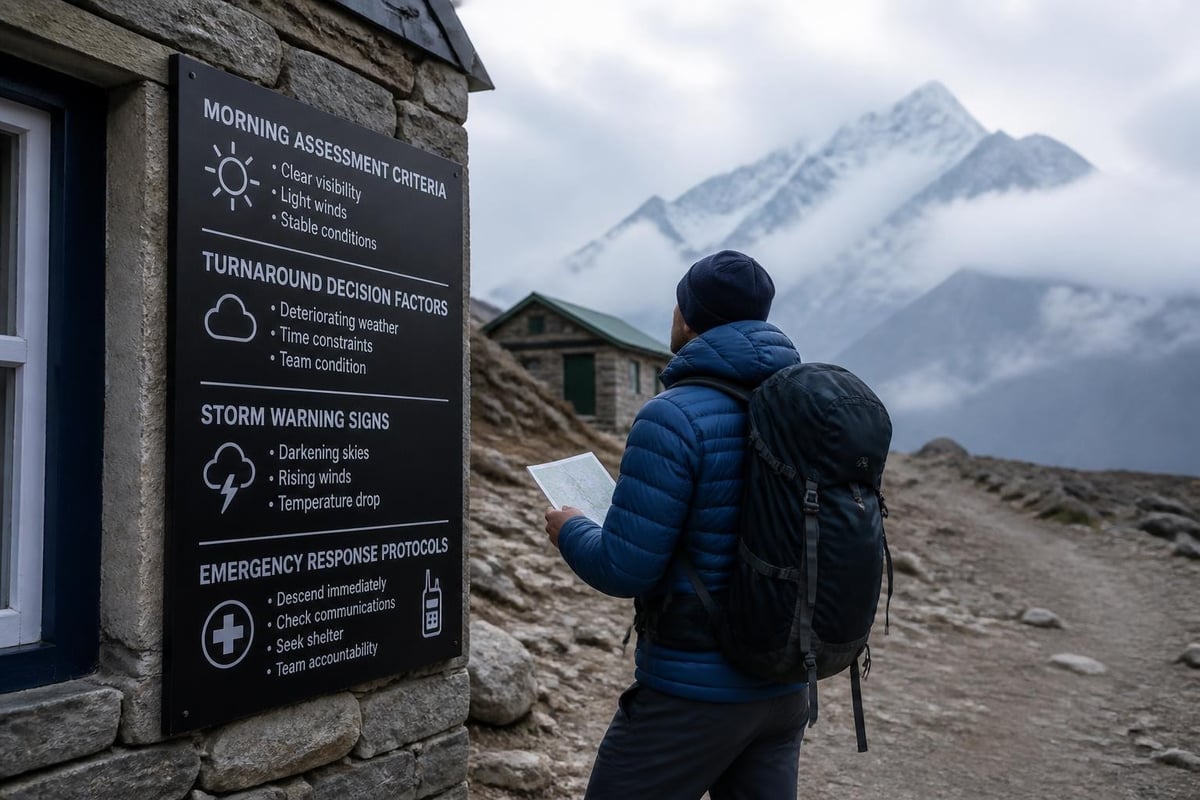
The USDA Forest Service guidance on altitude and weather safety emphasizes recognizing storm warning signs including rapidly building clouds, sudden temperature drops, and increasing wind speeds.
Lightning presents particular danger in exposed high-altitude environments where trekkers often represent the tallest objects on ridgelines or summits. At first sign of electrical activity, immediately move off peaks and ridges to lower terrain, avoid isolated trees or rock formations, and adopt the lightning position (crouched on insulating material, minimizing ground contact) if caught in the open.
- Morning weather assessment: Check conditions before committing to summit attempts
- Turnaround time discipline: Establish non-negotiable return times regardless of summit proximity
- Emergency shelter knowledge: Understand how to construct emergency protection using available materials
- Group communication: Maintain visual and verbal contact with all team members
- Descent priority: Always prioritize safe descent over summit achievement
Wind chill calculations become critical for assessing actual exposure risk. A 20-degree Celsius temperature with 40 km/h winds creates equivalent exposure to negative 5 degrees Celsius in calm conditions, dramatically increasing frostbite and hypothermia risks.
Nutrition and Hydration at Altitude
Caloric requirements increase significantly during high trekking, with the body burning 4,000-6,000 calories daily depending on pack weight, terrain difficulty, and altitude. Cold temperatures, reduced oxygen, and physical exertion combine to create energy demands that far exceed normal daily intake.
Appetite typically decreases at altitude, creating a dangerous cycle where inadequate caloric intake reduces physical performance, mental clarity, and cold tolerance. Successful high trekking requires disciplined eating regardless of appetite, focusing on easily digestible, calorie-dense foods that require minimal preparation.
Optimal High-Altitude Nutrition
Carbohydrates provide the most efficient energy source at altitude, requiring less oxygen for metabolism than fats or proteins. Complex carbohydrates from whole grains, pasta, and rice supply sustained energy, while simple sugars offer quick energy boosts during demanding sections.
Protein intake supports muscle recovery and immune function, both stressed by altitude exposure. Nuts, dried meats, cheese, and protein bars provide convenient protein sources that require no cooking and resist freezing.
Sample Daily Nutrition Plan:
- Breakfast: Hot porridge with nuts, dried fruit, and honey (800-1,000 calories)
- Mid-morning snack: Energy bars, trail mix (400-500 calories)
- Lunch: Crackers, cheese, salami, chocolate (1,000-1,200 calories)
- Afternoon snack: Nuts, dried fruit, cookies (400-500 calories)
- Dinner: Pasta or rice with protein, soup, hot drinks (1,500-2,000 calories)
- Evening: Hot chocolate, biscuits (300-400 calories)
Hydration challenges intensify at altitude due to increased respiratory water loss from rapid breathing in dry air, reduced thirst sensation, and the inconvenience of melting snow or purifying water in cold conditions. The high-altitude trekking safety guide recommends consuming fluids even without feeling thirsty, aiming for clear urine as the hydration indicator.
Electrolyte replacement becomes important during multi-day high trekking expeditions, as simple water consumption without mineral replacement can lead to hyponatremia. Sports drink powders, electrolyte tablets, or salty snacks help maintain proper mineral balance.
Selecting the Right High Trekking Destination
Different mountains and trekking regions offer vastly different experiences, technical requirements, and logistical considerations. First-time high trekking attempts benefit from choosing destinations with well-established infrastructure, experienced guide services, and moderate technical difficulty.
The world’s best trekking destinations span every continent, from the Himalayas to the Andes, each presenting unique cultural experiences alongside physical challenges. Selection should consider personal fitness levels, available preparation time, budget constraints, and desired experience type.
Evaluating Trekking Destinations
Mount Rinjani in Indonesia provides an excellent introduction to high trekking for those seeking altitude experience without extreme technical difficulty. The mountain's well-maintained trails, established camping areas, and experienced local guide services create an accessible yet challenging environment for developing high-altitude skills.
The 3D2N Rinjani Summit package offers structured itineraries that balance altitude gain with acclimatization needs, featuring the spectacular Torean trail that provides varied terrain and stunning scenery throughout the ascent.
Permit requirements, seasonal access windows, and environmental regulations vary significantly between destinations. Researching these administrative requirements during early planning stages prevents last-minute complications and supports sustainable trekking practices that preserve mountain environments for future generations.
Group Dynamics and Solo Considerations
High trekking safety improves significantly when undertaken with partners or organized groups rather than solo attempts. Group members provide mutual support during difficult sections, share decision-making responsibilities, and offer critical assistance if injuries or illness occur.
Effective high trekking groups establish clear communication protocols, agree on decision-making hierarchies for safety issues, and match pace to the slowest member. The temptation to separate into faster and slower subgroups increases risk by dividing resources and reducing the group's ability to respond to emergencies.
Building Effective Trekking Teams
- Pre-trip meetings: Discuss expectations, fitness levels, and experience before departure
- Role assignment: Designate navigation, first aid, and communication responsibilities
- Pace management: Move at sustainable speeds that keep the group together
- Decision protocols: Establish that any team member can call for rest, turnaround, or emergency procedures
- Buddy systems: Pair trekkers for mutual monitoring of altitude symptoms and gear issues
Solo high trekking carries substantially greater risk despite offering increased flexibility and self-reliance satisfaction. Solo trekkers lack backup support if injured, possess no second opinion for altitude sickness assessment, and face greater difficulty in emergency situations requiring assistance.
Those choosing solo high trekking should maintain regular communication schedules with base contacts, carry comprehensive emergency equipment including satellite communication devices, and possess advanced wilderness medicine training.
Emergency Preparedness and Rescue Protocols
Comprehensive emergency planning forms an essential component of responsible high trekking, addressing potential scenarios from minor injuries to serious medical emergencies requiring evacuation. Every team member should understand basic rescue protocols and carry personal emergency information including blood type, allergies, and emergency contacts.
Satellite communication devices provide critical safety margins in remote mountain environments where cellular coverage does not exist. Personal locator beacons (PLBs), satellite messengers, and satellite phones each offer different capabilities and cost structures for emergency communication.
Essential Emergency Equipment
First aid knowledge specific to high-altitude environments differs from standard wilderness medicine, requiring understanding of altitude illnesses, cold injuries, and improvised treatment options when definitive medical care remains hours or days away.
The altitude sickness recognition guide outlines critical symptoms requiring immediate descent, emphasizing that no summit justifies risking life through continued ascent when serious altitude illness symptoms appear.
Emergency evacuation from high-altitude locations presents significant challenges and costs. Travel insurance covering helicopter evacuation from remote mountain locations proves essential, as evacuation costs can exceed $50,000 depending on location and medical requirements.
| Emergency Type | Immediate Response | Communication Priority | Evacuation Criteria |
|---|---|---|---|
| Mild AMS | Rest, hydration, monitor | Inform base of status | Symptoms worsen after 24h |
| Severe AMS/HACE | Immediate descent | Request evacuation standby | Unable to descend safely |
| HAPE | Descent, minimize exertion | Request immediate evacuation | Shortness of breath at rest |
| Injury | Stabilize, assess mobility | Report injury severity | Cannot self-evacuate |
Prevention remains far more effective than emergency response. Conservative altitude gain schedules, disciplined turnaround times, and willingness to descend when conditions deteriorate prevent the majority of high trekking emergencies.
Environmental Stewardship in High Altitude
High-altitude environments possess exceptional fragility, with thin soils, slow vegetation growth, and ecosystems that require decades to recover from damage. Responsible high trekking includes commitment to Leave No Trace principles adapted for mountain environments where waste decomposition occurs extremely slowly.
Human waste management presents particular challenges above treeline where digging catholes becomes impossible in rocky terrain. Many popular high trekking destinations now require waste pack-out systems, where trekkers carry specialized bags for removing all human waste from the mountain.
Sustainable High Trekking Practices
- Pack out all waste: Carry every item brought to the mountain, including organic waste
- Minimize campfire impact: Use established fire rings only where permitted, or rely on stoves
- Protect water sources: Camp and toilet at least 60 meters from lakes and streams
- Stay on established trails: Avoid cutting switchbacks or creating new paths
- Respect wildlife: Observe from distance, never feed animals, store food securely
The Mount Rinjani trekking company commitment to environmental stewardship demonstrates how responsible operators prioritize mountain conservation while providing exceptional trekking experiences.
Supporting local communities through employment of local guides, porters, and purchasing supplies locally contributes to sustainable mountain tourism that benefits regions hosting trekking activities. This economic support often provides communities with incentives to preserve mountain environments rather than pursue more environmentally damaging development.
High trekking offers unparalleled rewards for those who invest in proper preparation, maintain respect for altitude-related risks, and commit to gradual acclimatization processes. Success in these demanding environments requires physical fitness, appropriate equipment, and disciplined adherence to safety protocols that protect against the unique hazards of high-altitude mountain travel. Hiking Mount Rinjani provides expertly guided expeditions with experienced teams who prioritize safety, environmental stewardship, and successful summit achievements through carefully planned itineraries that support proper acclimatization. Whether you're attempting your first high-altitude trek or seeking to expand your mountain experience, their comprehensive packages offer the support, equipment, and guidance needed for a memorable and safe high trekking adventure.