
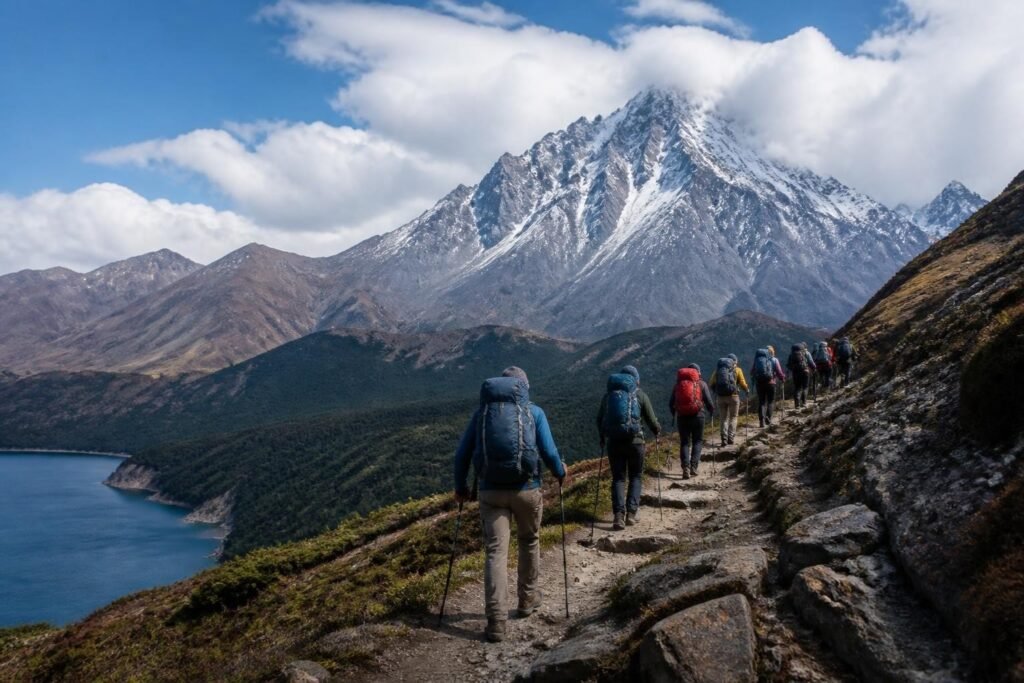
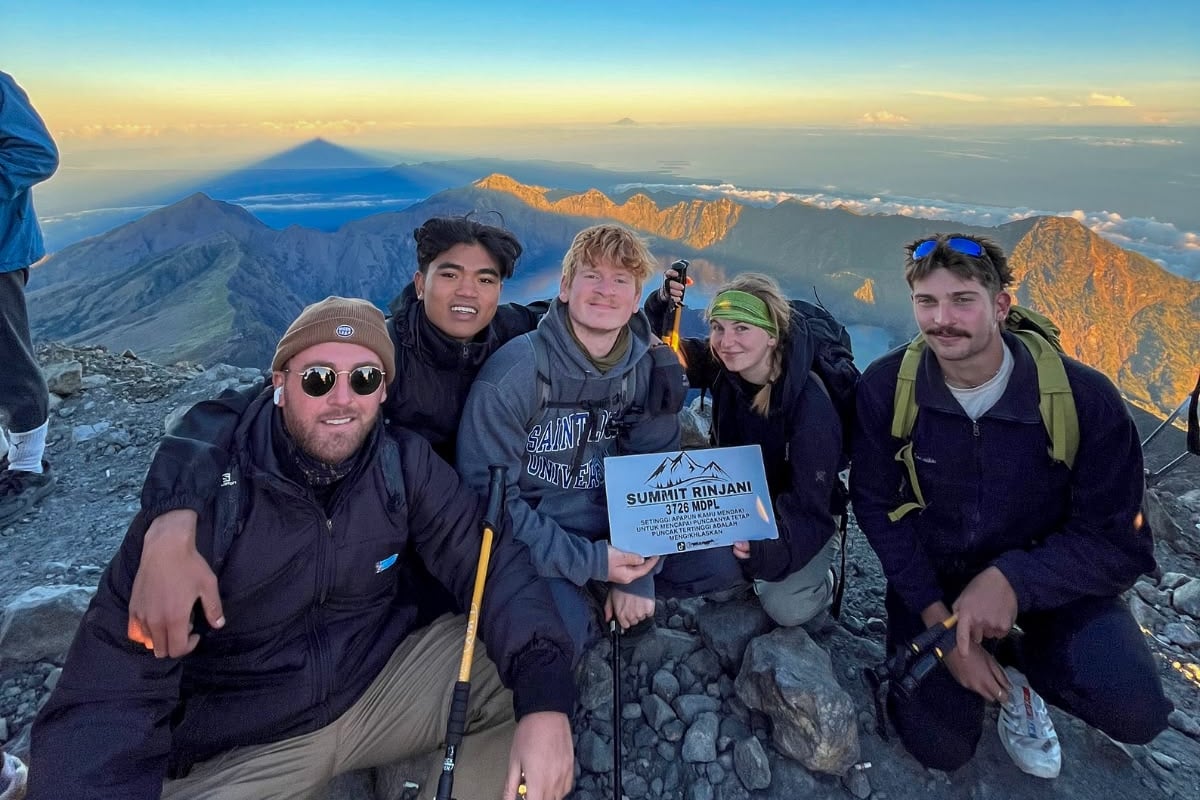
Embarking on a high altitude trek presents adventurers with extraordinary landscapes, physical challenges, and profound personal accomplishment. Whether you're planning to summit Mount Rinjani at 3,726 meters or tackle other significant peaks, understanding the unique demands of high-elevation hiking is essential for safety and success. This comprehensive guide explores everything from physiological adaptation to gear selection, ensuring your journey above 3,000 meters becomes a memorable achievement rather than a dangerous ordeal.
Understanding High Altitude Environments
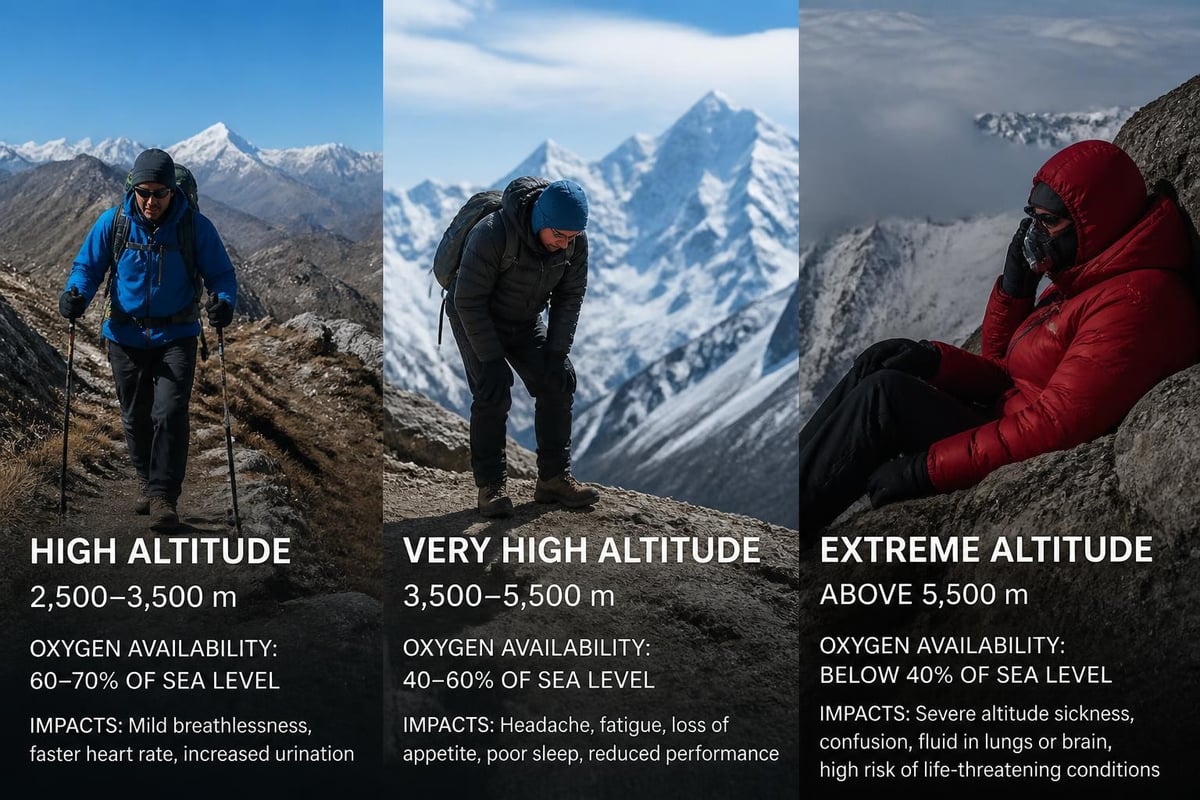
High altitude environments begin at approximately 2,500 meters above sea level, where atmospheric pressure decreases significantly. At 3,000 meters, the air contains roughly 30% less oxygen than at sea level, forcing your body to work harder for every breath.
The physiological challenges intensify as you climb higher. Your cardiovascular system must compensate for reduced oxygen availability by increasing heart rate and breathing frequency. Red blood cell production accelerates to improve oxygen transport throughout your body. These adaptations take time, which is why rushed ascents often result in altitude-related illnesses.
The Three Altitude Zones
| Altitude Zone | Elevation Range | Oxygen Availability | Key Challenges |
|---|---|---|---|
| High Altitude | 2,500-3,500m | 60-70% of sea level | Initial acclimatization needed |
| Very High Altitude | 3,500-5,500m | 50-60% of sea level | Significant altitude sickness risk |
| Extreme Altitude | Above 5,500m | Below 50% of sea level | Survival zone only |
Mount Rinjani sits at the boundary between high and very high altitude, making proper preparation absolutely critical. Understanding altitude sickness symptoms and prevention helps trekkers recognize warning signs before they become dangerous.
Physical Preparation for Your High Altitude Trek
Successful high altitude trekking begins months before your departure. A minimum of 12 weeks of dedicated training prepares your body for the cardiovascular and muscular demands of climbing with reduced oxygen.
Your training program should build three foundational elements: aerobic capacity, muscular endurance, and mental resilience. Focus on activities that simulate trekking conditions whenever possible.
12-Week Training Protocol
- Weeks 1-4: Build base cardiovascular fitness with moderate-intensity activities
- Weeks 5-8: Increase duration and introduce weighted pack training
- Weeks 9-10: Add high-intensity interval training and hill repeats
- Weeks 11-12: Taper intensity while maintaining frequency
The 10-week preparation plan for high-altitude hiking provides detailed workout structures for each training phase. Consistency matters more than intensity during early weeks.
Cardiovascular Training Essentials
- Hiking with elevation gain (4-5 times weekly)
- Stair climbing with weighted backpack
- Running or cycling for active recovery
- Swimming for low-impact aerobic conditioning
Your pack weight should gradually increase from 5 kilograms to match your expected trek load. Practice hiking uphill for extended periods, as this most closely mimics actual trekking conditions. For those preparing for a Rinjani trekking experience, simulating tropical heat during training sessions adds valuable adaptation.
Strength and Flexibility Work
Beyond cardiovascular fitness, muscular strength prevents injury and reduces fatigue during multi-day treks. Target these key muscle groups:
- Quadriceps and hamstrings: Control descent and power ascent
- Core muscles: Stabilize under pack weight
- Calves and ankles: Navigate uneven terrain
- Shoulders and back: Support pack comfort
Include yoga or stretching routines three times weekly. Flexibility in hip flexors, hamstrings, and lower back prevents common trekking injuries and improves movement efficiency on challenging terrain.
Acclimatization Strategies That Work
Acclimatization is the process by which your body adapts to reduced oxygen availability at high altitudes. Rushing this process accounts for approximately 75% of serious altitude-related emergencies.
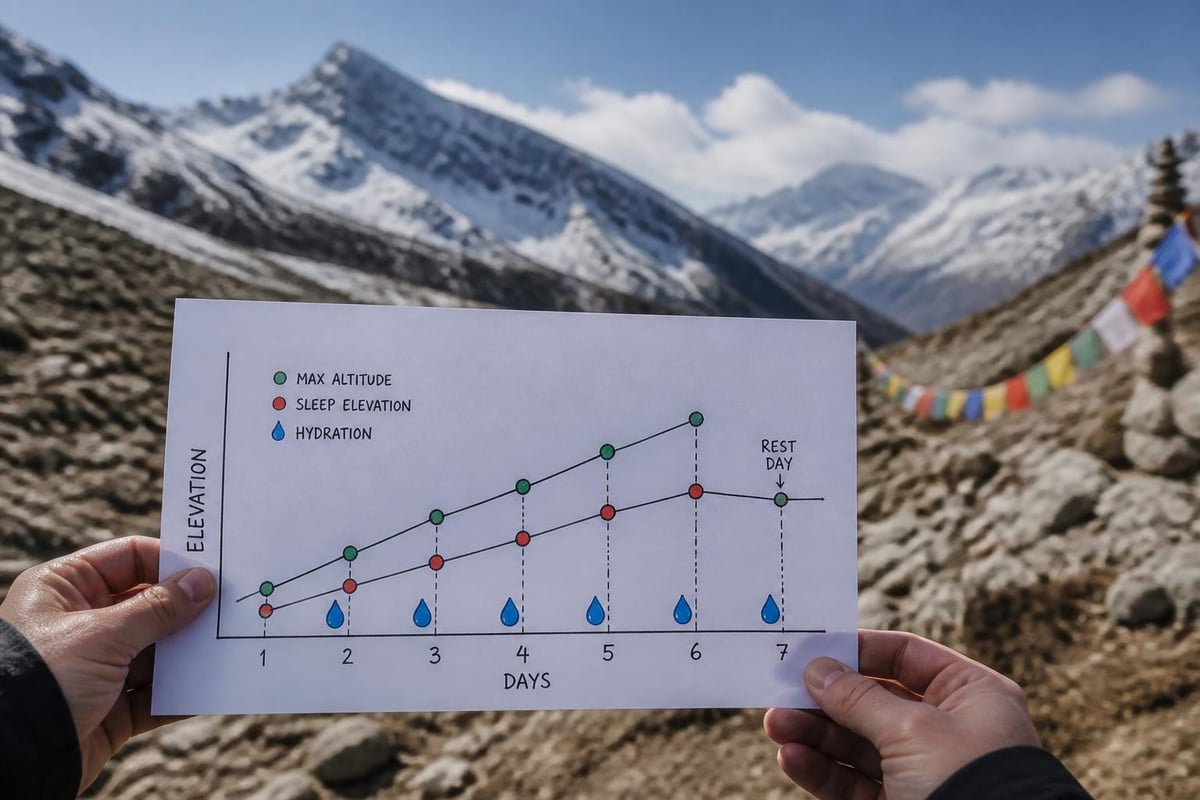
The golden rule remains "climb high, sleep low." Your sleeping elevation determines acclimatization effectiveness far more than your maximum daily altitude. Ascending too quickly doesn't allow sufficient time for physiological adaptation.
Proven Acclimatization Methods
Following a structured ascent profile dramatically reduces altitude sickness risk. Here's the recommended approach for peaks above 3,000 meters:
- Limit elevation gain to 300-500 meters per day above 3,000 meters
- Include rest days every 3-4 days of climbing
- Sleep at lower elevations whenever possible
- Stay hydrated with 3-4 liters of water daily
- Avoid alcohol and sleeping medications
Many experienced trekkers recommend spending at least one night between 2,500-3,000 meters before pushing higher. This intermediate altitude allows initial adaptation without overwhelming your system.
The trekking at high altitudes guide emphasizes that individual acclimatization rates vary significantly. Listen to your body rather than adhering rigidly to schedules when symptoms appear.
Recognizing Altitude Sickness
Three forms of altitude illness threaten trekkers: Acute Mountain Sickness (AMS), High Altitude Pulmonary Edema (HAPE), and High Altitude Cerebral Edema (HACE). Understanding symptoms enables early intervention.
Acute Mountain Sickness symptoms include:
- Headache (usually the first sign)
- Nausea or vomiting
- Fatigue and weakness
- Dizziness or lightheadedness
- Difficulty sleeping
HAPE and HACE are life-threatening conditions requiring immediate descent. Warning signs include severe breathing difficulty, confusion, loss of coordination, and persistent coughing. Never ignore these symptoms or attempt to push higher.
Essential Gear for High Altitude Conditions
Equipment failures at high altitude can transform manageable situations into emergencies. Temperature variations of 30-40 degrees Celsius between day and night demand versatile gear systems.
Your clothing should follow a layering system that adapts to changing conditions throughout the day. Base layers manage moisture, mid-layers provide insulation, and outer shells protect against wind and precipitation.
The Complete High Altitude Packing List
| Category | Essential Items | Purpose |
|---|---|---|
| Clothing | Moisture-wicking base layers, fleece mid-layer, down jacket, waterproof shell | Temperature regulation and weather protection |
| Footwear | Broken-in hiking boots, camp shoes, wool socks (3 pairs) | Foot protection and blister prevention |
| Sleep System | 4-season sleeping bag, insulated pad, liner | Warmth during cold nights |
| Navigation | Map, compass, GPS device, headlamp with extra batteries | Route finding and safety |
| Hydration | 3-liter water capacity, purification tablets, thermos | Maintain hydration in cold conditions |
Quality hiking boots make the difference between comfort and misery during multi-day treks. Break them in thoroughly before your expedition, completing at least 50 kilometers of hiking in your actual trek boots.
Technical Equipment Considerations
Trekking poles reduce knee strain by up to 25% during descents while improving stability on loose terrain. Select adjustable poles that can accommodate varying slopes and pack down for easy storage.
Your backpack should distribute weight across hips rather than shoulders. A 50-65 liter capacity suffices for most high altitude treks when porters carry additional gear. For those joining organized expeditions with experienced guides, clarifying what equipment the company provides prevents unnecessary duplication.
The mountain climbing safety guide outlines critical gear inspection protocols before departure. Check all equipment for wear, damage, or expiration dates, especially technical items like headlamps and emergency shelters.
Nutrition and Hydration at High Elevation
Metabolic demands increase significantly at high altitude as your body works harder to process oxygen. Caloric needs can increase by 30-50% compared to sea-level activities of similar intensity.
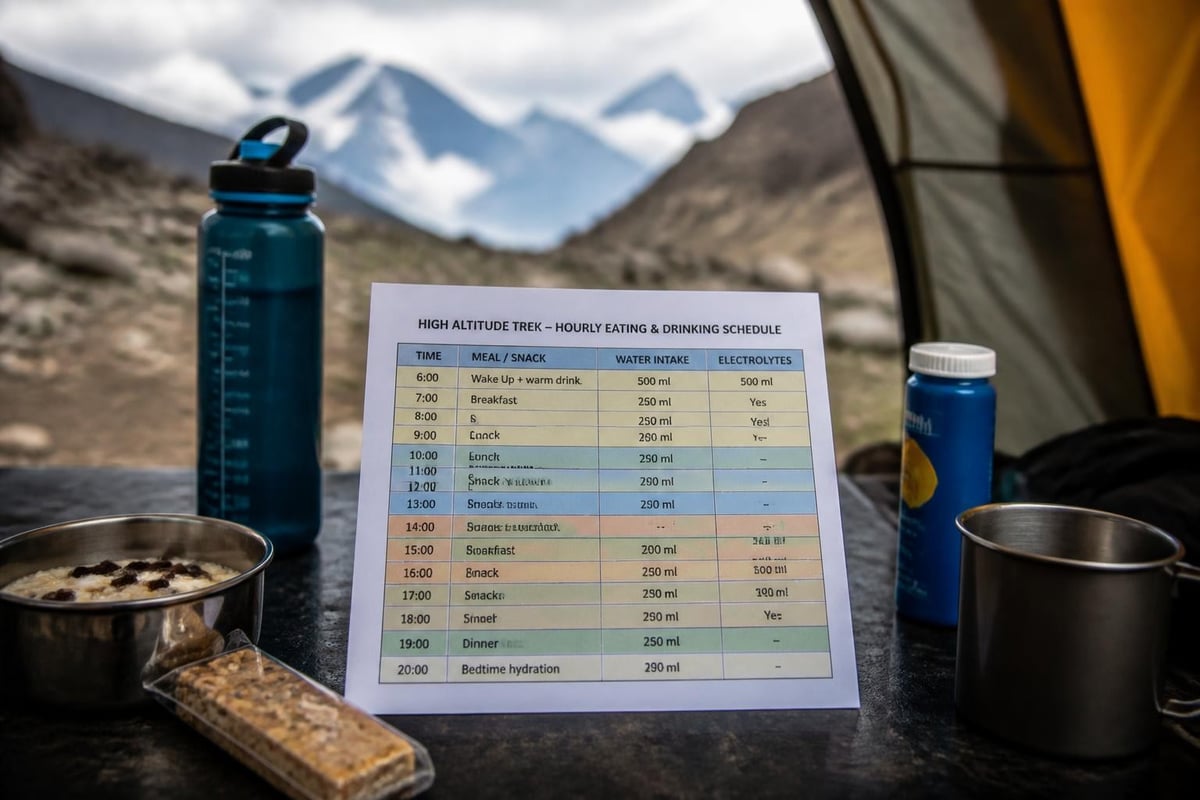
Your appetite often decreases at elevation, creating a dangerous caloric deficit. Combat this by eating frequent small meals rather than waiting for hunger signals. Carbohydrates digest more easily than fats or proteins in low-oxygen environments.
Optimal High Altitude Nutrition
Focus on easily digestible foods that provide sustained energy. Complex carbohydrates should comprise 60-70% of your caloric intake during active trekking days.
Recommended food choices include:
- Oatmeal and whole grain cereals
- Rice and pasta dishes
- Energy bars and trail mix
- Dried fruits and nuts
- Chocolate for quick energy
Avoid excessive fiber immediately before summit attempts, as digestive issues become more problematic at extreme altitude. Simple carbohydrates provide faster energy when your body struggles to process nutrients efficiently.
Hydration Protocols
Dehydration accelerates altitude sickness development and impairs physical performance. The thin air at high elevation increases respiratory water loss, while reduced thirst sensation leads many trekkers to drink inadequately.
Aim for 4-5 liters of fluid daily, monitoring urine color as a hydration indicator. Clear to pale yellow indicates adequate hydration, while darker colors signal the need for increased fluid intake. Warm beverages encourage drinking in cold conditions when icy water loses appeal.
Electrolyte replacement prevents hyponatremia, a dangerous condition caused by excessive water intake without adequate salt replacement. Add electrolyte tablets to water or consume salty snacks throughout the day.
Safety Protocols and Emergency Preparedness
Comprehensive safety planning separates successful expeditions from potentially tragic ones. Every member of your trekking group should understand emergency procedures before beginning the ascent.
Weather conditions at high altitude change rapidly, with afternoon storms common in many mountain regions. Start summit attempts before dawn to complete exposed sections before weather deteriorates. Always carry emergency shelter, even on day hikes from base camps.
Emergency Action Plans
Establish clear protocols for common emergencies before they occur. Designate decision-makers and communication responsibilities within your group.
- Altitude Sickness Response: Immediate descent if severe symptoms appear
- Injury Protocol: Stabilization procedures and evacuation plans
- Lost Member Procedures: Search patterns and time limits before calling rescue
- Weather Emergency: Shelter locations and when to abandon summit attempts
Satellite communication devices provide critical safety margins in areas beyond cell coverage. While Mount Rinjani has relatively good emergency access compared to more remote peaks, carrying emergency communication remains prudent.
The preparation and safety guide for high-altitude trekking emphasizes pre-trek medical evaluations for anyone with cardiovascular, respiratory, or other chronic conditions. Consult your physician about altitude-specific concerns well before your departure date.
First Aid Essentials
Your first aid kit should address altitude-specific medical issues beyond standard hiking injuries. Include medications for altitude sickness prevention and treatment after consulting with a physician.
High altitude medical supplies:
- Acetazolamide (Diamox) for AMS prevention
- Dexamethasone for severe altitude illness
- Ibuprofen for headaches
- Antibiotics for respiratory infections
- Blister treatment supplies
- Elastic bandages for joint support
Understanding when to descend represents the most critical safety skill. No summit justifies risking life or permanent health damage. Experienced guides recognize subtle signs of deteriorating condition before they become life-threatening.
Training Your Mind for High Altitude Challenges
Mental preparation receives less attention than physical training yet proves equally important during difficult moments. The psychological demands of high altitude trekking test determination, patience, and emotional regulation.
Hours of repetitive uphill movement in uncomfortable conditions challenge even experienced athletes. Mental fatigue impairs decision-making precisely when sound judgment matters most. Developing psychological resilience before your trek builds the mental tools needed when facing adversity.
Psychological Preparation Techniques
Visualization practices prepare your mind for the sensations and challenges of high-altitude environments. Spend 10-15 minutes daily imagining yourself successfully handling difficult situations: steep climbs, cold conditions, fatigue, and altitude symptoms.
Practice discomfort tolerance during training hikes. When your mind suggests stopping, continue for another 10 minutes. This builds confidence in your ability to push through difficult moments without compromising safety.
Mental resilience strategies include:
- Breaking the trek into smaller, manageable segments
- Focusing on immediate next steps rather than distant summits
- Maintaining positive self-talk during challenging sections
- Accepting discomfort as temporary and normal
- Celebrating small victories throughout the journey
Patience becomes essential during acclimatization periods. Many trekkers struggle with rest days, feeling strong and eager to continue climbing. Respecting the process prevents problems later. For trekkers considering the 2D1N CRATER RIM – SUMMIT package, understanding that this accelerated timeline demands excellent physical fitness and mental toughness helps set realistic expectations.
Sustainable and Responsible High Altitude Trekking
Environmental stewardship at high altitude protects fragile ecosystems while preserving experiences for future generations. Alpine and subalpine environments recover slowly from damage, with vegetation growth rates measured in millimeters per year.
The "Leave No Trace" principles apply with even greater importance above treeline. Pack out all waste, including biodegradable items that decompose slowly in cold, low-oxygen environments. Human waste requires proper disposal at designated areas or carried out in wag bags when facilities don't exist.
Minimizing Environmental Impact
Stay on established trails to prevent erosion and vegetation damage. Cutting switchbacks creates erosion channels that worsen with each rainfall. Where trails don't exist, spread out rather than creating new single-file paths that damage wider areas.
Campsite selection affects environmental impact significantly. Use established sites whenever available rather than creating new ones. Set up camp at least 60 meters from water sources to protect riparian zones and water quality.
Responsible trekking practices:
- Carry reusable water bottles instead of disposable ones
- Use biodegradable soap sparingly, away from water sources
- Respect wildlife by observing from distance
- Support local economies through ethical guide services
- Follow seasonal closures protecting nesting or sensitive periods
Cultural respect matters equally in regions where local communities live near trekking routes. Learn basic greetings in local languages, ask permission before photographing people, and respect religious or cultural sites encountered along trails.
Choosing the Right High Altitude Trek for Your Ability
Selecting an appropriate first high altitude trek builds confidence and skills for more challenging future expeditions. Matching route difficulty to your experience level prevents dangerous situations while ensuring an enjoyable experience.
Consider these factors when evaluating potential treks:
- Maximum altitude reached: Higher elevations increase difficulty and risk
- Total elevation gain: Cumulative climbing affects fatigue more than distance
- Trip duration: Longer expeditions provide better acclimatization but demand greater endurance
- Technical difficulty: Scrambling or glacier travel requires additional skills
- Remoteness: Distance from medical facilities affects emergency response options
Mount Rinjani represents an excellent introduction to high altitude trekking for fit hikers. The summit at 3,726 meters provides genuine high-altitude experience without entering extreme elevation zones. Well-maintained trails and professional guide services reduce risks while maintaining adventure.
Progression Planning
Build altitude experience gradually over multiple years. Your first high altitude trek should focus on learning how your body responds to elevation rather than pushing maximum limits.
| Experience Level | Appropriate Altitude | Recommended Duration | Terrain Type |
|---|---|---|---|
| Beginner | 2,500-3,500m | 2-3 days | Established trails, moderate grades |
| Intermediate | 3,500-4,500m | 4-7 days | Some steep sections, basic navigation |
| Advanced | 4,500-6,000m | 7-14 days | Technical terrain, self-sufficiency required |
Document how altitude affects you during each trek. Note the elevation where symptoms first appeared, which acclimatization strategies worked, and how quickly you adapted. This personal data guides planning for increasingly ambitious expeditions.
Weather Patterns and Seasonal Considerations
High altitude weather exhibits extreme variability with rapid transitions between conditions. Temperature can drop 6-10 degrees Celsius per 1,000 meters of elevation gain, creating freezing conditions even in tropical mountain regions.
Understanding seasonal weather patterns helps you choose optimal trekking windows. Most high peaks feature distinct wet and dry seasons that dramatically affect trail conditions, visibility, and safety.
Optimal Trekking Seasons
Mount Rinjani and similar tropical peaks typically offer best conditions during dry season months. Clear skies maximize summit views while reducing precipitation-related hazards like lightning and flash flooding.
Research historical weather data for your target peak. Identify the months with lowest precipitation, mildest temperatures, and most stable atmospheric pressure. Balance ideal conditions against crowd levels, as popular periods may feature congested trails and campsites.
Weather monitoring throughout your trek:
- Observe cloud formation patterns each afternoon
- Note wind direction changes signaling weather shifts
- Monitor temperature trends across elevation zones
- Watch for signs of approaching storm systems
- Maintain flexibility to adjust plans based on conditions
The best time to hike Mount Rinjani varies based on your priorities between weather, crowds, and cost considerations. Shoulder seasons often provide excellent compromise between all factors.
Health Screening and Medical Preparation
Pre-existing medical conditions may contraindicate high altitude trekking or require special precautions. Cardiovascular and respiratory conditions particularly affect altitude tolerance, making medical consultation essential.
Schedule a comprehensive physical examination 6-8 weeks before your trek. Discuss your plans in detail, including maximum altitude, trip duration, and remoteness from medical facilities. Your physician can identify potential issues and recommend preventive measures.
Medical Conditions Requiring Special Attention
Certain conditions demand careful evaluation and possibly medical clearance before attempting high altitude treks:
- Heart disease or irregular heart rhythms
- High blood pressure (may worsen at altitude)
- Asthma or chronic obstructive pulmonary disease
- Sleep apnea (altitude exacerbates symptoms)
- Diabetes (requires careful medication and nutrition management)
- Pregnancy (generally not recommended above 3,000 meters)
The high-altitude cardiopulmonary diseases resource provides detailed medical information about altitude effects on cardiovascular and respiratory systems. Share this information with your physician when discussing trek plans.
Medication and Vaccination Considerations
Altitude illness prevention medications require medical supervision. Acetazolamide (Diamox) helps acclimatization but carries side effects some individuals cannot tolerate. Testing medication during training hikes identifies problems before your actual trek.
Ensure routine vaccinations remain current. Depending on your trekking destination, additional vaccines for hepatitis A and B, typhoid, or other region-specific diseases may be recommended. Complete vaccination series well before departure, as some require multiple doses over several weeks.
High altitude trekking rewards thorough preparation with experiences and accomplishments that last a lifetime. By dedicating adequate time to physical training, understanding acclimatization principles, selecting appropriate gear, and maintaining safety awareness, you position yourself for success on challenging peaks. When you're ready to experience the extraordinary beauty of Mount Rinjani at 3,726 meters, Hiking Mount Rinjani provides professional guides, quality equipment, and carefully designed itineraries that prioritize both your safety and environmental stewardship throughout your high altitude adventure.