
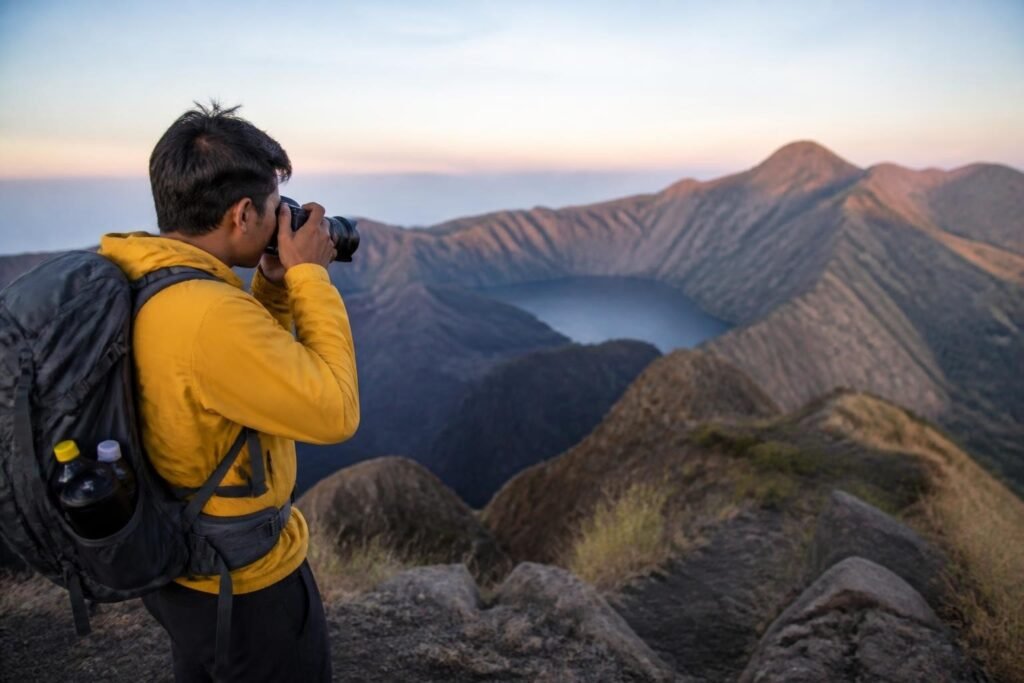
Every image of hiking tells a story of adventure, perseverance, and natural beauty. Whether you're ascending volcanic peaks in Indonesia or exploring local trails, capturing these moments through photography allows you to preserve memories while sharing the magnificence of the outdoors with others. The art of hiking photography combines technical skill with an appreciation for landscapes, creating visual narratives that inspire future adventurers to explore the world's most spectacular destinations.
Understanding the Power of Hiking Photography
The image of hiking has evolved dramatically over the past decade. What once required professional equipment and extensive training is now accessible to anyone with a smartphone and enthusiasm for the outdoors. This democratization of photography has transformed how we document and share our adventures, creating a global community united by stunning visuals of mountain peaks, forest trails, and breathtaking vistas.
Research shows that hiking offers numerous physical and mental health benefits, and documenting these experiences through photography adds another dimension to the journey. Each photograph becomes a tangible reminder of personal achievements and the therapeutic effects of spending time in nature.
Why Every Hiker Should Embrace Photography
Photography enhances the hiking experience in ways that extend beyond simple documentation:
- Heightened awareness of surroundings and natural details
- Mindful moments that encourage pausing to appreciate beauty
- Shared inspiration that motivates others to explore outdoors
- Personal growth records showing progression in fitness and skills
- Environmental advocacy through images that showcase nature's importance
The image of hiking you capture today might inspire someone to embark on their first trek tomorrow. This ripple effect makes hiking photography a powerful tool for promoting outdoor recreation and environmental conservation.
Essential Gear for Hiking Photography
Selecting the right equipment balances image quality with practicality. Unlike studio photography, hiking demands lightweight, durable gear that can withstand challenging conditions while producing exceptional results.
Camera Options for Different Skill Levels
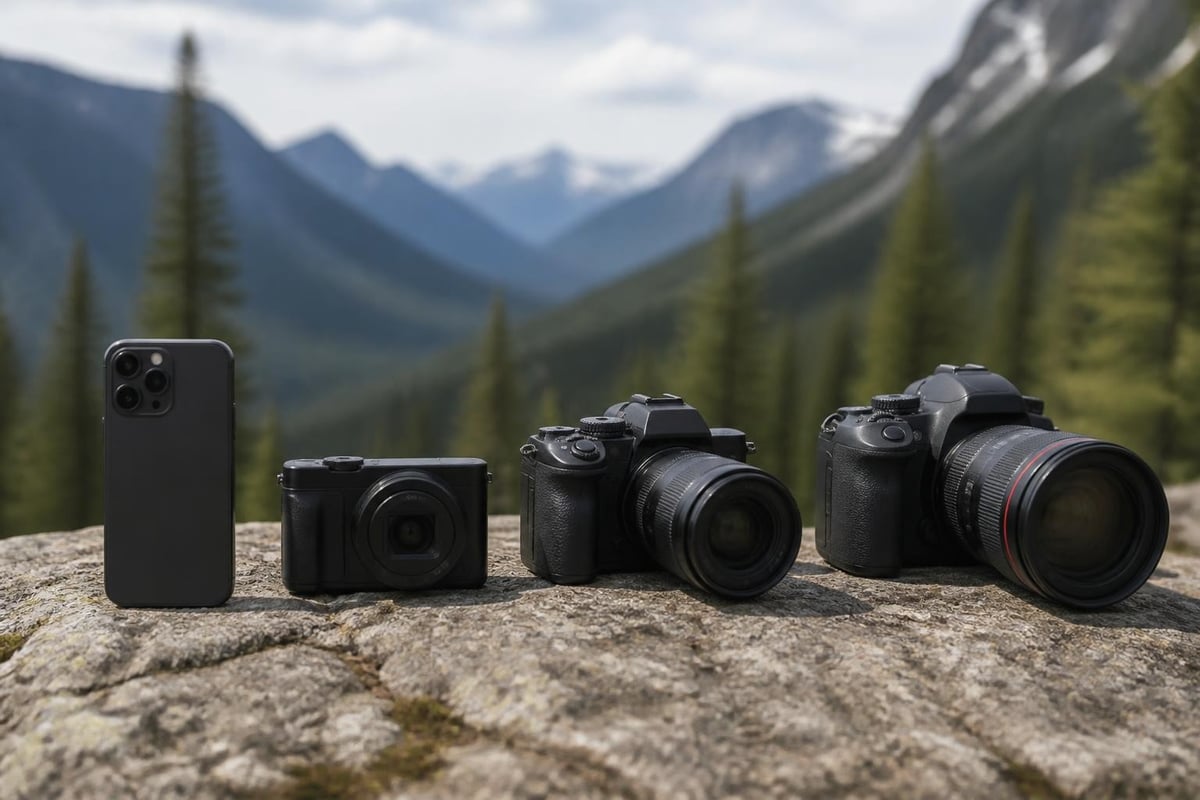
| Camera Type | Weight | Image Quality | Best For | Price Range |
|---|---|---|---|---|
| Smartphone | Minimal | Good-Excellent | Beginners, ultralight hikers | Included |
| Compact Camera | Light | Very Good | Casual photographers | $300-$800 |
| Mirrorless | Medium | Excellent | Serious enthusiasts | $800-$3000 |
| DSLR | Heavy | Excellent | Professional work | $1000-$5000 |
Modern smartphones have revolutionized how we capture the image of hiking. With computational photography, image stabilization, and multiple lenses, flagship phones produce remarkable results without the weight penalty of traditional cameras. However, dedicated cameras still excel in challenging lighting conditions and offer greater creative control.
Supporting Equipment That Matters
Beyond the camera itself, several accessories enhance your ability to capture compelling images:
Tripods and stabilization enable long exposures, self-portraits, and sharp images in low light. Lightweight travel tripods weigh under two pounds while providing stability for most conditions. Flexible tripods wrap around branches or rocks, offering versatility on technical terrain.
Lens selection significantly impacts image quality and creative possibilities. Wide-angle lenses capture expansive landscapes, while telephoto options bring distant peaks closer. Many hikers prefer versatile zoom lenses that cover multiple focal lengths without requiring lens changes on the trail.
Protection and storage keeps equipment safe from elements. Weatherproof camera bags, lens cloths, and protective filters prevent damage from dust, moisture, and impacts common during Mount Rinjani trekking adventures.
Mastering Composition Techniques
Technical equipment means little without understanding how to compose compelling images. The image of hiking gains emotional impact through thoughtful composition that guides viewers' eyes and tells coherent stories.
The Rule of Thirds and Beyond
Dividing your frame into nine equal sections creates natural focal points where gridlines intersect. Positioning key elements along these lines or at intersections produces balanced, engaging compositions. However, rules exist to be broken creatively.
Leading lines draw viewers into images by following trails, ridgelines, or natural features that guide the eye toward focal points. A winding trail ascending toward a summit creates depth while suggesting the journey's narrative arc.
Foreground interest adds depth to landscape shots. Including rocks, flowers, or equipment in the foreground creates layers that make images more three-dimensional and engaging than simple horizon shots.
Capturing Human Elements
- Scale and perspective become clear when including hikers in landscape shots
- Action and movement convey the physical nature of trekking experiences
- Emotion and expression reveal the personal journey beyond physical achievement
- Environmental interaction shows connection between people and places
- Authentic moments resonate more than posed shots
The most powerful image of hiking often includes human subjects that provide scale, emotion, and relatability. Position hikers strategically within the frame to emphasize landscape grandeur or focus on personal triumph.
Lighting Considerations for Outdoor Photography
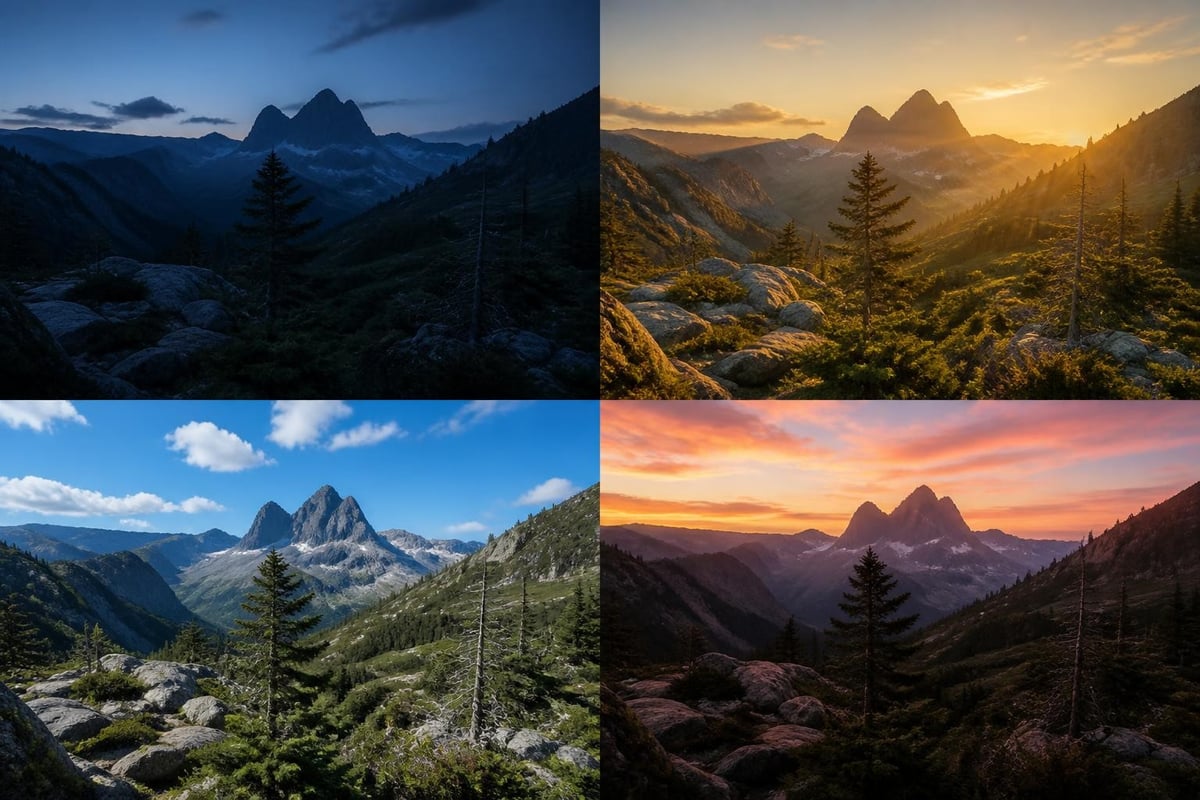
Light transforms ordinary scenes into extraordinary photographs. Understanding how natural light changes throughout the day allows photographers to plan shoots for optimal conditions and adapt techniques to available light.
Golden Hour Magic
The hour after sunrise and before sunset bathes landscapes in warm, directional light that enhances colors and creates dramatic shadows. This magical light flatters subjects, reduces harsh contrasts, and produces the most visually appealing images.
Sunrise advantages include crisp air, fewer crowds, and misty conditions that add atmosphere to mountain photography. Reaching viewpoints before dawn requires early starts but rewards photographers with exclusive moments.
Sunset considerations offer more flexible timing since you're already on the trail. However, descending in darkness requires headlamps and careful planning to ensure safety.
Working with Challenging Light
Midday sun creates harsh shadows and blown-out highlights that challenge even experienced photographers. Several techniques mitigate these conditions:
- Find shade to photograph subjects under even lighting
- Use fill flash to balance shadows without overpowering natural light
- Embrace contrast by converting images to black and white
- Focus on details rather than grand landscapes during harsh light
- Create silhouettes by exposing for bright backgrounds
Overcast conditions often produce superior results for forest photography and portraits. Clouds act as natural diffusers, creating soft, even light that reveals detail without harsh shadows. According to National Geographic’s photography insights, adapting to available light separates competent photographers from exceptional ones.
Technical Settings for Sharp Images
Understanding exposure triangle fundamentals allows photographers to make informed decisions that balance image quality with creative vision. Even automatic modes benefit from comprehending how aperture, shutter speed, and ISO interact.
Aperture and Depth of Field
Aperture controls how much light enters the camera while affecting depth of field. Small apertures (large f-numbers like f/16) keep foreground and background sharp, ideal for landscape photography. Large apertures (small f-numbers like f/2.8) create blurred backgrounds that isolate subjects.
Landscape photography typically uses f/8 to f/16 for maximum sharpness throughout the frame. However, focusing one-third into the scene optimizes depth of field using hyperfocal distance techniques.
Shutter Speed Considerations
Shutter speed determines exposure duration and motion capture. Fast speeds freeze action, essential for photographing hikers mid-stride or wildlife encounters. Slow speeds create motion blur, useful for flowing water or conveying movement.
| Subject | Recommended Shutter Speed | Effect |
|---|---|---|
| Static landscapes | 1/125s – 1/250s | Sharp, detailed images |
| Hiking action | 1/500s – 1/1000s | Frozen movement |
| Flowing water | 1/4s – 2s | Silky, smooth effect |
| Star trails | 15s – 30s | Light streaks across sky |
Image stabilization compensates for camera shake at slower speeds, but nothing replaces proper technique and stable positioning when capturing the definitive image of hiking.
Smartphone Photography Optimization
Smartphones democratized photography by putting capable cameras in everyone's pockets. Modern devices rival dedicated cameras in many scenarios, particularly when hiking priorities favor weight reduction.
Maximizing Built-in Features
HDR mode combines multiple exposures to preserve detail in highlights and shadows. This proves invaluable for high-contrast scenes where sky and foreground require different exposures. However, HDR can introduce artifacts with moving subjects.
Portrait mode simulates shallow depth of field using computational photography. While not perfect, it creates professional-looking images that isolate subjects from backgrounds. This feature excels for photographing fellow hikers against mountain backdrops.
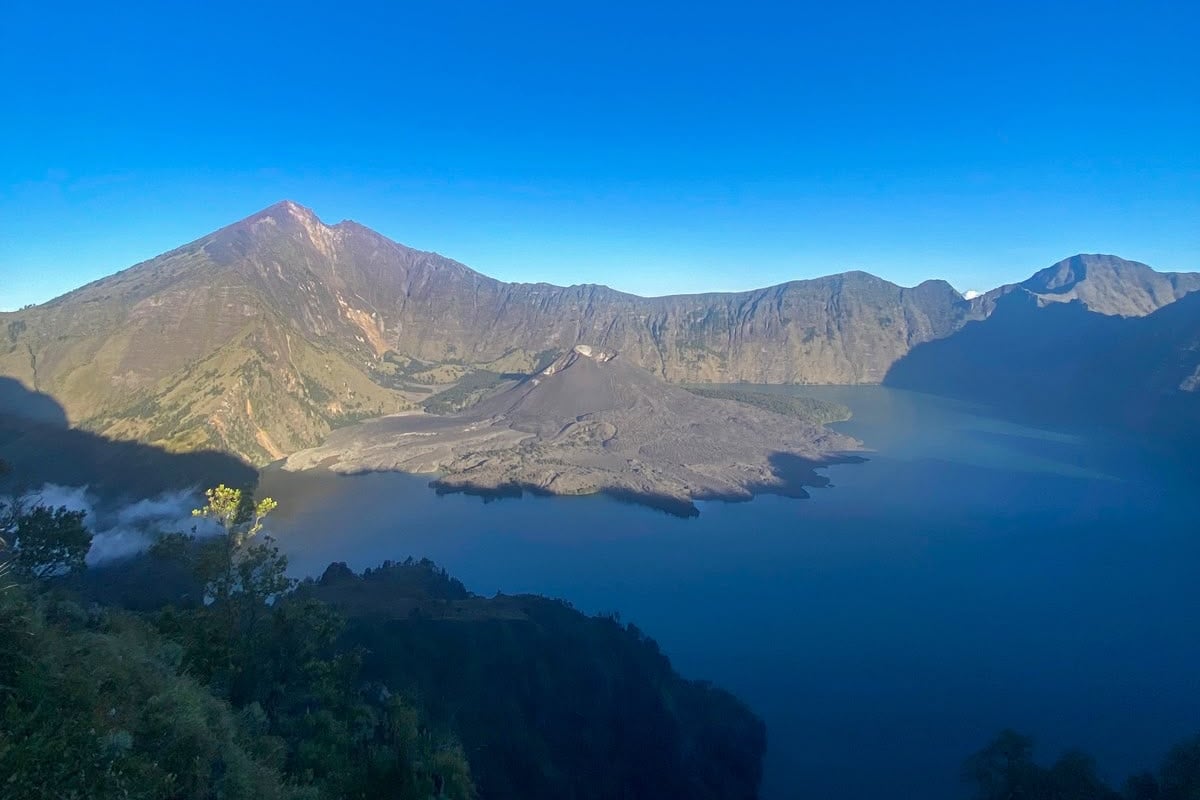
Panorama functionality stitches multiple frames into wide vistas that capture landscape grandeur impossible with single frames. Smooth, steady panning produces seamless results that showcase volcanic crater rims and expansive views.
For those planning to capture memorable moments during their 2D1N Crater Rim Senaru trek, mastering smartphone photography ensures stunning images without carrying heavy equipment on moderate routes.
Third-Party Applications
Native camera apps provide solid functionality, but third-party applications unlock advanced controls that approach dedicated camera capabilities:
- Manual exposure control adjusts ISO, shutter speed, and white balance independently
- RAW capture preserves maximum image data for flexible post-processing
- Focus peaking highlights sharp areas for precise manual focusing
- Grid overlays assist with composition using rule of thirds or golden ratio
- Intervalometer features enable time-lapse sequences automatically
These applications transform smartphones into versatile creative tools that produce exceptional images while maintaining the convenience of integrated devices.
Storytelling Through Sequential Images
Individual photographs capture moments, but sequences tell complete stories. Planning a visual narrative before, during, and after hikes creates comprehensive documentation that engages viewers more effectively than isolated shots.
Building Your Visual Narrative
- Preparation shots showing gear, maps, and anticipation
- Journey documentation capturing trail conditions and progression
- Summit achievement emphasizing accomplishment and emotions
- Environmental details highlighting flora, fauna, and geology
- Return perspective reflecting on experiences and transformations
This approach creates cohesive stories that transport viewers through entire adventures. Each image of hiking contributes to the larger narrative while standing independently as compelling photography.
Post-Processing for Impact
Capturing images represents only half the creative process. Thoughtful editing enhances photographs while maintaining authenticity that respects the natural beauty you experienced.
Editing Philosophy and Ethics
The line between enhancement and manipulation deserves careful consideration. Adjusting exposure, contrast, and color balance corrects camera limitations and communicates the scene as you experienced it. However, adding or removing significant elements crosses into fabrication territory that undermines documentary integrity.
Basic adjustments that improve most hiking photographs:
- Straighten horizons for professional appearance
- Increase contrast slightly for visual impact
- Enhance vibrance without oversaturating colors
- Sharpen details to compensate for lens softness
- Reduce highlights and lift shadows for balanced exposure
Research published in scientific journals examining outdoor recreation emphasizes authenticity in representing nature experiences. Your post-processing should enhance rather than misrepresent the environments you photograph.

Software Options and Workflows
| Software | Platform | Price | Best For | Learning Curve |
|---|---|---|---|---|
| Lightroom Mobile | iOS/Android | Free-$10/month | Beginners, mobile editing | Easy |
| Snapseed | iOS/Android | Free | Casual editing | Easy |
| Lightroom Classic | Desktop | $10/month | Serious photographers | Moderate |
| Capture One | Desktop | $300/year | Professionals | Steep |
Mobile editing applications allow on-trail processing, enabling immediate sharing to social media while experiences remain fresh. Desktop software provides more precise control and batch processing capabilities for organizing large collections from multi-day treks.
Weather and Environmental Challenges
Mountain weather changes rapidly, creating both photographic opportunities and equipment challenges. Preparation and adaptation ensure you capture stunning images while protecting valuable gear.
Protecting Equipment in Harsh Conditions
Rain and moisture threaten electronics through direct exposure and humidity buildup. Waterproof camera bags, dry bags, and rain covers provide primary protection. Silica gel packets absorb moisture inside storage areas, preventing condensation damage.
Temperature extremes affect battery performance and lens functionality. Cold conditions drain batteries rapidly, requiring spares kept warm inside jacket pockets. Condensation forms when moving equipment between temperature zones, necessitating gradual acclimatization.
Embracing Atmospheric Conditions
Mist, fog, and clouds create ethereal atmospheres that transform ordinary scenes into mystical landscapes. These conditions reduce contrast while adding mood and mystery to images. Embracing rather than avoiding weather variations produces diverse portfolios that showcase locations under different conditions.
Morning fog rolling through volcanic crater rims creates layered landscapes where successive ridges fade into atmospheric haze. This depth and dimension cannot be replicated in clear conditions, making early starts worthwhile despite challenging visibility.
Ethical Considerations and Leave No Trace
Photography ethics extend beyond technical proficiency to encompass environmental responsibility and respect for natural spaces. Every photographer bears responsibility for minimizing impact while documenting outdoor experiences.
Minimizing Environmental Impact
The desire for perfect shots sometimes encourages behavior that damages fragile ecosystems:
- Stay on established trails rather than creating social paths to viewpoints
- Avoid disturbing wildlife by using telephoto lenses instead of approaching animals
- Leave natural arrangements intact rather than moving objects for compositions
- Pack out all trash including memory card packaging and lens caps
- Respect closures that protect sensitive areas during vulnerable seasons
Quality images require neither environmental damage nor rule violations. Patient observation and creative problem-solving produce exceptional results while preserving locations for future visitors.
Cultural Sensitivity on Trails
Many hiking destinations hold cultural or spiritual significance for local communities. Understanding and respecting these connections demonstrates consideration that transcends photography:
- Request permission before photographing people or sacred sites
- Learn basic cultural protocols for the regions you visit
- Support local communities through guide services and ethical tourism
- Share images responsibly without revealing sensitive locations
- Credit local guides and porters who facilitate your adventures
When exploring Lombok hiking tours, partnering with experienced local guides provides cultural context that enriches both the hiking experience and photographic opportunities while supporting community livelihoods.
Sharing Your Hiking Images Effectively
Creating compelling photographs represents only part of the journey. Strategic sharing amplifies impact, inspires others, and builds communities around outdoor recreation.
Social Media Best Practices
Platform algorithms favor consistent posting, authentic engagement, and high-quality content. However, metrics shouldn't override genuine connection with audiences who share your passion for hiking and nature.
Instagram optimization includes:
- Consistent posting schedule building audience expectations
- Meaningful captions that provide context beyond hashtags
- Engagement with fellow outdoor enthusiasts' content
- Stories and reels showcasing behind-the-scenes moments
- Authentic voice that reflects personal experiences
Hashtag strategy balances popular tags with niche communities. Generic hashtags like #hiking generate massive competition, while specific tags like #volcanotracking connect with targeted audiences genuinely interested in your content.
Building Photography Portfolios
- Curate selectively to showcase best work rather than everything captured
- Create themed collections around specific locations or photographic styles
- Write compelling descriptions that provide context and technical insights
- Update regularly demonstrating continued growth and new adventures
- Cross-promote across multiple platforms reaching diverse audiences
Portfolio websites give photographers control over presentation and branding beyond social media constraints. These platforms showcase work professionally while providing space for extended storytelling impossible in caption limits.
Safety Considerations While Photographing
The pursuit of extraordinary images sometimes encourages risky behavior that jeopardizes safety. Responsible photography prioritizes well-being over any single shot.
Situational Awareness on Technical Terrain
Cliff edges and drop-offs become invisible through camera viewfinders. Maintain constant awareness of footing and surroundings, particularly when backing up for composition adjustments or focusing on distant subjects.
Weather monitoring prevents being caught in dangerous conditions. Lightning, sudden temperature drops, and visibility changes all require immediate response that supersedes photographic ambitions.
Group Coordination and Communication
When hiking with others, coordinate photography stops to prevent group separation. Establish meeting points, communicate intentions clearly, and prioritize group cohesion over individual pursuits.
Solo hikers face additional considerations requiring careful planning:
- Inform someone of your itinerary and expected return
- Carry emergency communication devices in remote areas
- Set conservative turnaround times allowing safe descent before dark
- Assess personal limitations honestly before attempting challenging routes
- Consider hiring guides for unfamiliar or technical terrain
Professional guides from reputable Mount Rinjani trekking companies provide safety oversight while sharing knowledge about optimal photography locations and timing throughout various routes.
Continuous Improvement and Learning
Photography mastery requires ongoing education, experimentation, and critical self-assessment. Every hike presents opportunities to refine skills and develop artistic vision.
Analyzing Your Work Critically
Regular portfolio reviews identify patterns in successful images while revealing areas needing improvement. Compare early work with recent photographs to measure progress and recognize developing style.
Key evaluation criteria include:
- Technical execution: sharpness, exposure, composition
- Emotional impact: does the image evoke feelings or tell stories
- Uniqueness: differentiation from similar scenes by other photographers
- Authenticity: genuine representation of experiences
- Growth indicators: improvements over previous attempts
Constructive self-criticism drives improvement without undermining confidence. Balance identifying weaknesses with recognizing strengths and celebrating achievements.
Learning from Photography Communities
Online forums, local camera clubs, and guided workshops provide valuable feedback and inspiration. Engaging with diverse perspectives expands creative horizons while building supportive networks.
Workshops specifically focused on outdoor and adventure photography offer concentrated learning experiences. These intensive sessions combine classroom instruction with field practice under expert guidance, accelerating skill development beyond independent study.
Planning Photographic Hiking Adventures
Strategic planning maximizes photographic opportunities while ensuring safe, enjoyable experiences. Research, preparation, and flexibility combine to create optimal conditions for capturing exceptional images.
Location Research and Scouting
Digital resources provide unprecedented access to location information. Mapping applications, photo-sharing platforms, and hiking databases reveal viewpoints, trail conditions, and optimal timing for specific destinations.
Research checklist for photographic hikes:
- Sunrise and sunset times for optimal lighting
- Moon phases affecting night photography opportunities
- Seasonal considerations including foliage, wildlife, and weather patterns
- Permit requirements and access restrictions
- Water sources and camping regulations for multi-day trips
Virtual scouting through existing photographs provides composition ideas while revealing potential challenges. However, allowing room for spontaneous discovery prevents forcing predetermined shots that may not match current conditions.
Creating Shot Lists
Mental or written shot lists organize photographic priorities without restricting creativity. These frameworks ensure you capture essential images while remaining open to unexpected opportunities.
Standard shot list categories include:
- Wide establishing shots showing overall landscape context
- Medium compositions balancing foreground and background elements
- Detail photographs highlighting textures, patterns, and smaller subjects
- Action shots capturing movement and human elements
- Creative experiments with unique perspectives or techniques
Checking items off lists provides satisfaction while preventing oversight of important moments during busy hiking days.
Mastering the image of hiking transforms outdoor adventures into lasting visual narratives that inspire others while preserving your personal journey. Through thoughtful equipment selection, composition techniques, and ethical practices, every hiker can create compelling photographs that showcase nature's magnificence. Whether you're planning your first trek or seeking to improve existing skills, Hiking Mount Rinjani provides expert guidance, quality equipment, and experienced local knowledge to ensure your trekking photography adventures succeed while maintaining environmental stewardship across Indonesia's spectacular volcanic landscapes.