
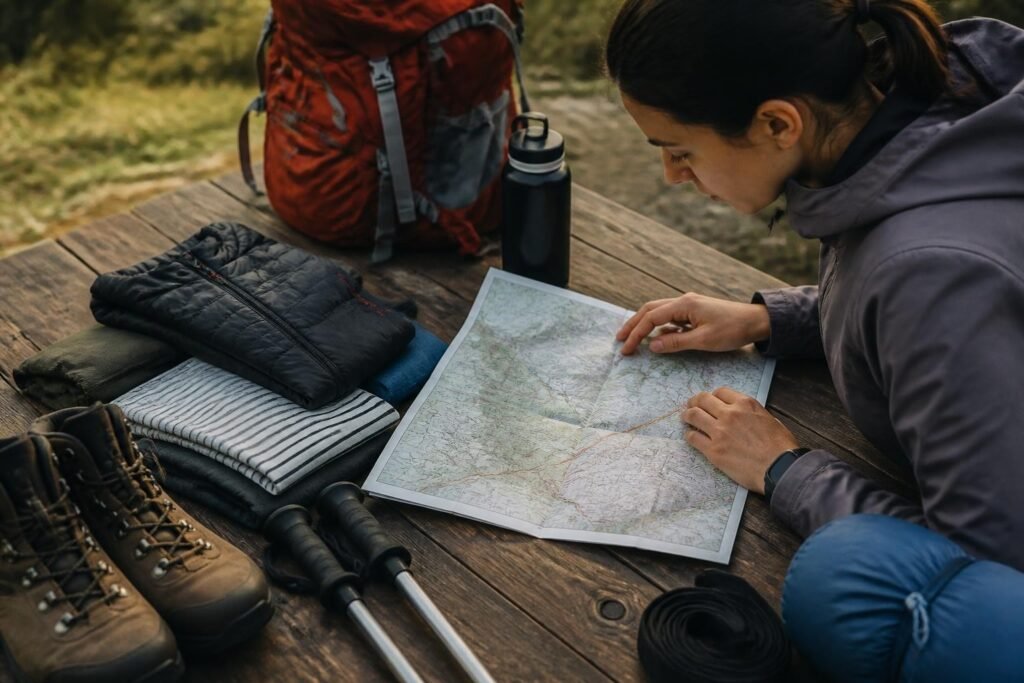
Mount Rinjani stands as one of Indonesia's most challenging and rewarding trekking destinations, attracting thousands of adventurers annually to Lombok's volcanic landscapes. A comprehensive rinjani trekking guide becomes essential for anyone planning to conquer this 3,726-meter peak, as proper preparation and knowledge can transform your journey from overwhelming to extraordinary. Whether you're aiming for the crater rim, the summit, or the pristine Segara Anak Lake, understanding the terrain, regulations, and logistics ensures both safety and success. This guide provides detailed insights into planning your Mount Rinjani expedition, covering everything from route selection to physical preparation and environmental responsibilities.
Understanding Mount Rinjani's Trekking Routes
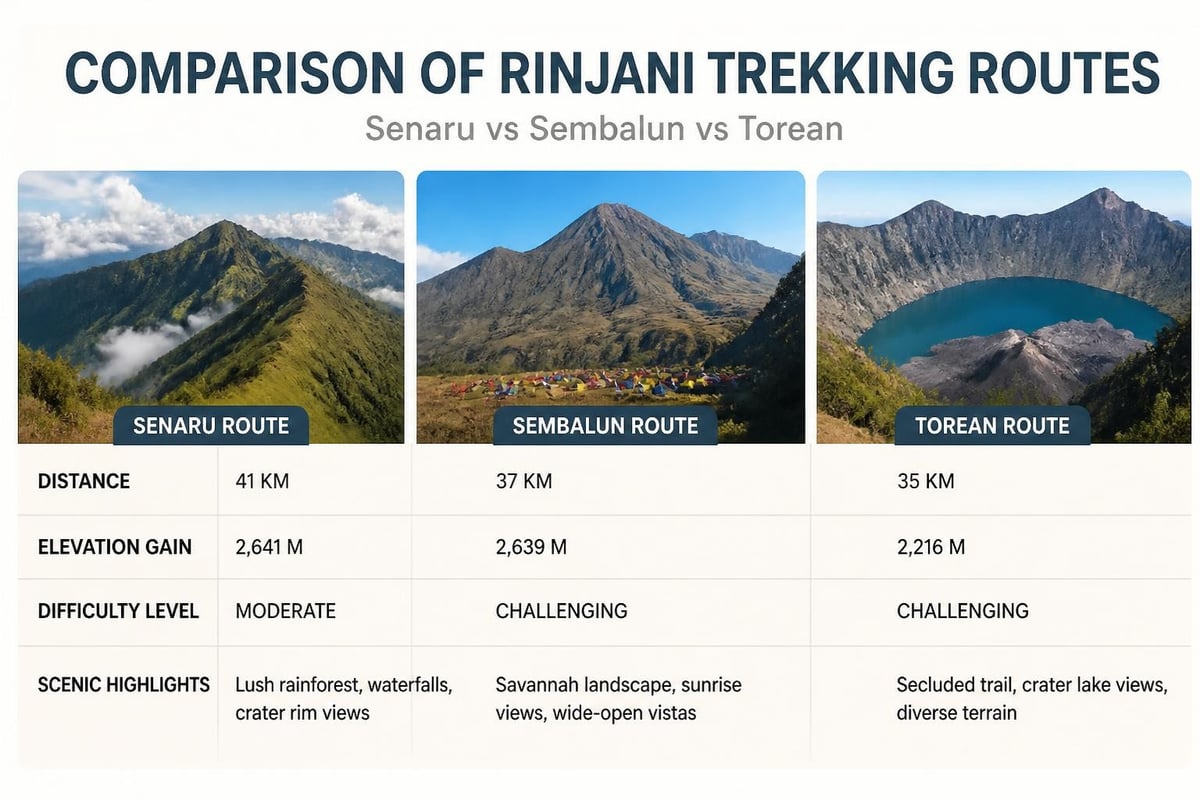
Mount Rinjani offers multiple trekking routes, each presenting distinct challenges and rewards. The traditional Senaru and Sembalun routes have served trekkers for decades, while the newer Torean trail has gained significant popularity since 2021.
Classic Route Options
The Sembalun route typically serves as the preferred starting point for summit attempts due to its more gradual initial ascent. This path begins in the Sembalun Valley and offers spectacular savanna views before the steep push to the crater rim. Trekkers choosing this route generally find the first day less demanding than the Senaru alternative.
Conversely, the Senaru route presents a steeper initial climb through dense tropical forest. This northern approach rewards hikers with lush vegetation, diverse wildlife, and spectacular waterfall views along the way. Many trekkers combine routes, ascending via Sembalun and descending through Senaru for varied scenery.
The Torean Trail Experience
The Torean trail represents Mount Rinjani's newest official route, offering an alternative perspective on the volcano's ecosystem. According to detailed trekking route information, this path showcases unique geological formations and vegetation zones. The trail's distinctive landscape reminds many visitors of prehistoric environments, earning it comparisons to popular adventure films.
This route requires careful consideration regarding fitness levels and time availability. The terrain demands strong navigation skills and experienced guidance, making it less suitable for first-time trekkers.
Essential Physical Preparation
Physical readiness separates successful summit attempts from unsuccessful ones. A proper rinjani trekking guide emphasizes conditioning your body for multi-day exertion at altitude.
Training Timeline
Begin your preparation at least eight weeks before your trek. Focus on cardiovascular endurance through activities like running, cycling, and swimming. Aim for at least four training sessions weekly, gradually increasing intensity and duration.
Incorporate specific hiking preparation by training on inclines whenever possible. Stair climbing, hill repeats, and weighted backpack walks simulate actual trekking conditions. Build up to carrying 10-15 kilograms during your training hikes.
Comprehensive preparation advice suggests including strength training for legs, core, and shoulders. These muscle groups bear significant load during multi-day treks. Exercises like squats, lunges, planks, and deadlifts prove particularly beneficial.
Acclimatization Strategies
Altitude affects everyone differently, even experienced trekkers. Mount Rinjani's summit reaches 3,726 meters, where oxygen levels decrease noticeably. Proper acclimatization prevents altitude sickness and improves overall experience.
- Ascend gradually following recommended itineraries
- Maintain consistent hydration throughout the trek
- Avoid alcohol 48 hours before and during the trek
- Recognize early symptoms of altitude sickness
- Communicate immediately with guides about health concerns
Permit Requirements and Regulations for 2026
Mount Rinjani National Park enforces strict regulations to protect the ecosystem and ensure trekker safety. Understanding current requirements prevents complications during your expedition.
Mandatory Documentation
All trekkers must obtain official permits through registered tour operators or the Rinjani Trek Management Board. Independent trekking without guides became prohibited in recent years due to safety concerns and environmental protection measures. According to updated 2026 regulations, authorities implemented mandatory insurance requirements for all trekkers.
| Requirement | Details | Approximate Cost |
|---|---|---|
| Trekking Permit | Mandatory for all routes | $20-35 USD |
| Insurance Coverage | Medical and evacuation | Included in packages |
| Guide Service | Legally required | Varies by operator |
| Porter Service | Optional but recommended | $25-35 USD per day |
Environmental Responsibilities
Mount Rinjani gained recognition for implementing comprehensive waste management systems. All trekking groups must carry out everything they carry in, including organic waste. Designated camping areas restrict where trekkers can establish camps, protecting fragile ecosystems.
The "Clean and Green Rinjani" initiative transformed the mountain's environmental condition since 2016. Trekkers contribute directly to conservation efforts through permit fees. Respecting these guidelines ensures future generations can enjoy this natural wonder.
Essential Gear and Equipment
Proper equipment dramatically impacts comfort and safety during your Mount Rinjani adventure. A thorough rinjani trekking guide covers necessary items for varying weather conditions and terrain challenges.
Clothing Layers System
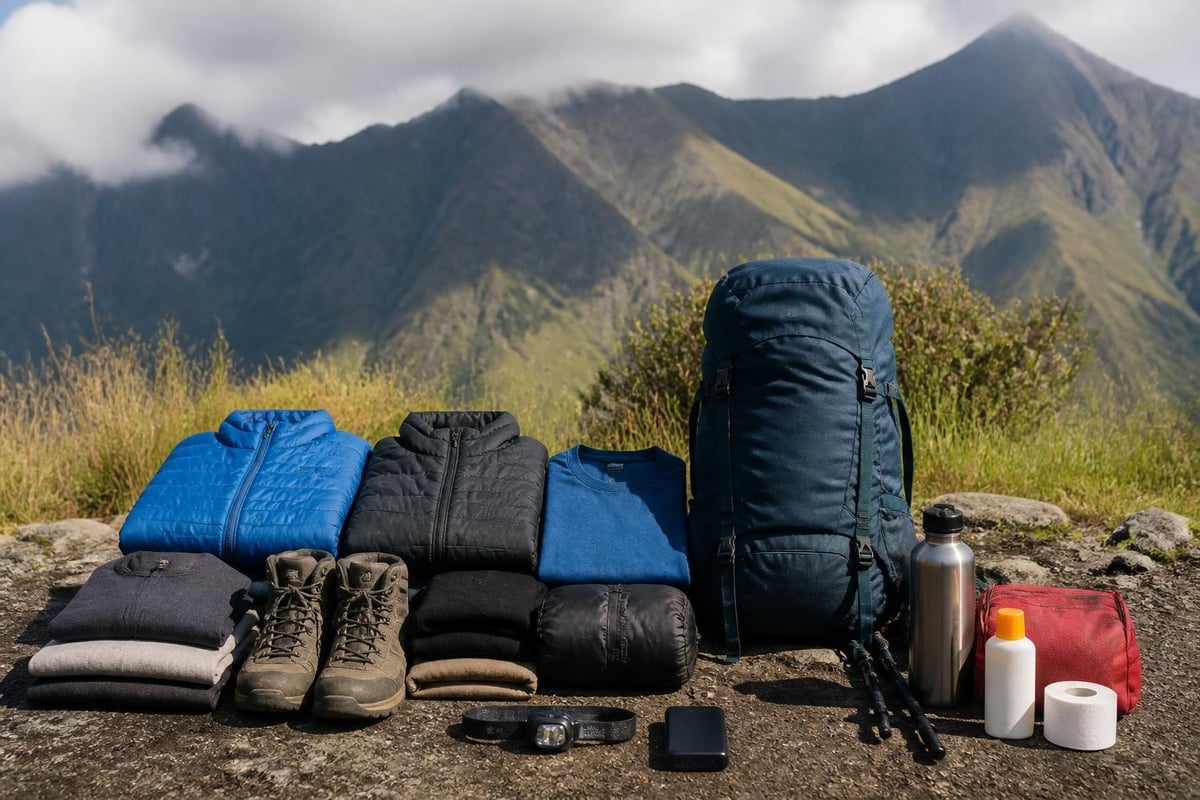
Temperature variations on Mount Rinjani range from tropical heat in lower elevations to near-freezing conditions at the summit. Implementing a layering system allows adjustment throughout the day.
Base Layer: Moisture-wicking synthetic or merino wool materials keep skin dry and regulate temperature. Pack at least two sets for multi-day treks.
Insulation Layer: Fleece jackets or down vests provide warmth during early morning starts and evening camps. Temperatures at crater rim camps regularly drop below 10°C (50°F).
Outer Layer: Waterproof, windproof jackets protect against rain and wind. Mount Rinjani's weather changes rapidly, particularly during transition seasons.
Technical Equipment Checklist
Quality gear prevents common trekking problems. Your trekking package provider typically supplies tents, sleeping bags, and cooking equipment, but personal items remain your responsibility.
- Hiking boots with ankle support and broken-in soles
- Trekking poles for stability and knee protection
- Headlamp with extra batteries for pre-dawn summit attempts
- Water bottles or hydration system (3-liter capacity minimum)
- Sun protection including hat, sunglasses, and SPF 50+ sunscreen
- Personal first aid kit with blister treatment
- Power bank for electronic devices
- Dry bags for protecting equipment from rain
Choosing Your Trekking Duration
Duration significantly affects your Mount Rinjani experience. Different itineraries cater to varying fitness levels, time constraints, and objectives.
Two-Day, One-Night Options
The shortest trekking packages target the crater rim without summit attempts. These expeditions suit travelers with limited time or those preferring moderate physical challenges. The route typically ascends through Senaru, camps at the crater rim, and descends the following day.
For those committed to reaching the summit with tight schedules, the 2D1N CRATER RIM – SUMMIT package provides an intensive option. This demanding itinerary includes an early morning summit push before descending in a single day. While challenging, it delivers spectacular views without requiring extended time away.
Three-Day, Two-Night Experiences
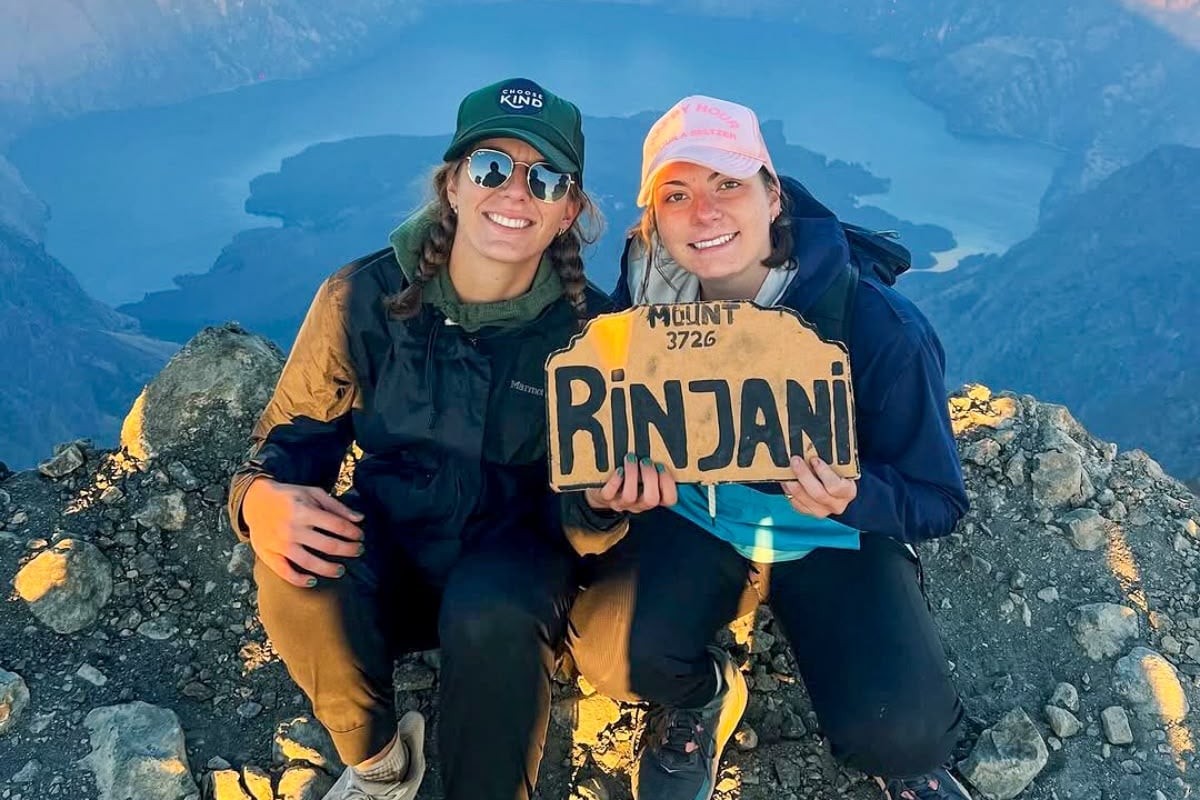
This duration represents the most popular choice among trekkers, offering balanced pacing and comprehensive experiences. Three-day itineraries typically include crater rim views, Segara Anak Lake exploration, hot spring relaxation, and summit attempts.
The additional day reduces physical strain while allowing proper acclimatization. Trekkers appreciate the opportunity to photograph various locations without rushing. These packages generally follow routes ascending through Sembalun or Torean and descending via Senaru.
Extended Four-Day Adventures
Four-day packages provide the most relaxed pacing with extra recovery time. The additional camping night at Segara Anak Lake allows deeper immersion in Mount Rinjani's diverse environments. These itineraries often incorporate waterfall visits and extended exploration of the caldera.
Extended packages suit photographers, nature enthusiasts, and those prioritizing comfort over speed. The slower pace reduces altitude sickness risks and accommodates varying fitness levels within groups.
Selecting a Reputable Guide Service
Professional guidance remains legally required and practically essential for Mount Rinjani treks. Your guide selection directly impacts safety, enjoyment, and success rates.
Evaluation Criteria
Research potential operators thoroughly before committing. Established companies demonstrate clear safety records, proper licensing, and positive traveler reviews. Recent incidents, as reported in international media, highlight the critical importance of choosing reputable providers.
Quality operators provide comprehensive pre-trek briefings, maintain proper equipment standards, and employ experienced mountain guides. Verify that companies carry adequate insurance coverage and maintain emergency communication equipment.
What Professional Services Include
Reputable trekking companies handle logistics comprehensively. Standard inclusions typically cover permits, park fees, guide and porter services, camping equipment, meals, and transportation from your accommodation to trailheads.
Included Services Comparison
| Service Component | Basic Packages | Premium Packages |
|---|---|---|
| Professional Guide | Yes | Yes (English-speaking) |
| Porter Support | Shared | Individual |
| Meal Quality | Standard | Enhanced menu |
| Equipment Condition | Good | Excellent |
| Group Size | 8-12 people | 4-6 people |
Optimal Timing for Your Trek
Seasonal variations dramatically affect trekking conditions on Mount Rinjani. Strategic timing enhances safety and enjoyment while avoiding challenging weather patterns.
Dry Season Advantages
The April through November window provides the most reliable trekking conditions. Peak season occurs during July and August when weather stability reaches maximum levels. Clear skies during these months offer unobstructed summit views and easier trail navigation.
Detailed information about seasonal conditions helps travelers plan effectively. Temperature ranges, rainfall patterns, and trail accessibility all vary throughout the year. Dry season trekking minimizes mud, reduces landslide risks, and improves overall comfort.
Monsoon Considerations
The November through March period brings significant rainfall to Lombok. Official trail closures typically occur during January and February when conditions become hazardous. Even during shoulder months, increased precipitation creates slippery trails and reduces visibility.
Trekkers attempting Mount Rinjani during transition periods (November-December, March-April) should expect mixed conditions. While fewer crowds present advantages, weather unpredictability requires flexibility and proper preparation.
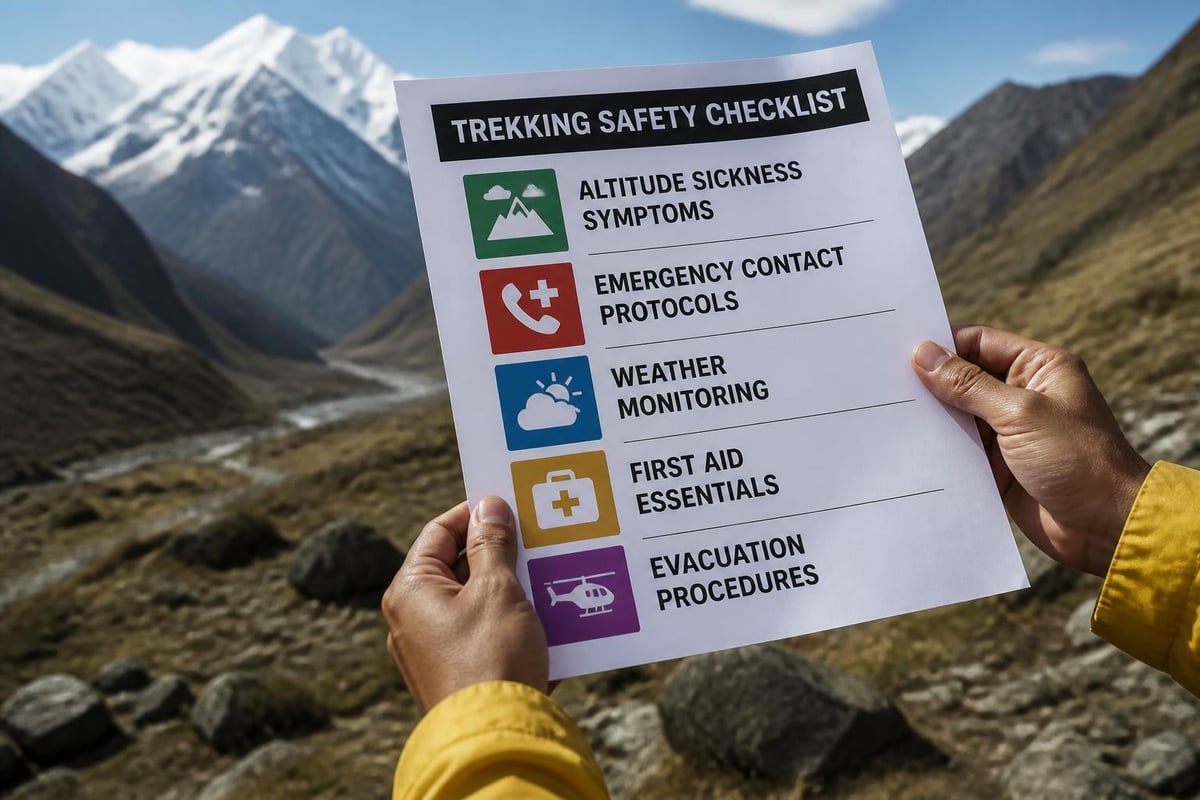
Safety Protocols and Emergency Preparedness
Understanding safety procedures and potential hazards ensures informed decision-making throughout your trek. A comprehensive rinjani trekking guide addresses both prevention and response strategies.
Common Health Challenges
Altitude sickness affects approximately 25% of trekkers above 2,500 meters. Symptoms include headaches, nausea, dizziness, and fatigue. Recognizing early signs allows appropriate intervention before conditions worsen.
Dehydration represents another frequent challenge. The combination of physical exertion, altitude, and tropical heat increases fluid requirements significantly. Consume at least three to four liters daily, adjusting based on exertion levels and weather conditions.
Emergency Response Systems
Professional operators maintain established emergency protocols and communication systems. Satellite phones or two-way radios enable contact with base operations and emergency services. Evacuation routes and procedures exist for various emergency scenarios.
Medical facilities in Senaru and Sembalun provide initial treatment for minor issues. Serious conditions require evacuation to Mataram hospitals, approximately three to four hours from trailheads. Comprehensive insurance coverage becomes essential for managing potential medical costs.
Cultural Sensitivity and Local Communities
Mount Rinjani holds deep spiritual significance for local Sasak and Balinese communities. Respectful behavior honors these cultural connections while supporting local economies.
Sacred Sites and Traditions
The mountain serves as a pilgrimage destination, particularly during the Pekelan ceremony when Balinese Hindus make offerings at Segara Anak Lake. Trekkers may encounter ceremonial groups during these periods. Maintain respectful distance and avoid disturbing religious activities.
Certain locations within the caldera carry special significance. Local guides provide context about these sites and appropriate behavior. Following their guidance demonstrates cultural awareness and respect.
Supporting Local Economies
Trekking tourism provides essential income for communities surrounding Mount Rinjani. Choosing operators that employ local guides and porters directly benefits these populations. Many successful operations maintain community development programs funding education and infrastructure improvements.
Purchase supplies in local villages when possible. Small purchases of snacks, drinks, or handicrafts contribute to household incomes while providing authentic cultural interactions.
Food and Nutrition During Your Trek
Proper nutrition maintains energy levels and prevents fatigue during demanding multi-day treks. Understanding meal logistics helps set realistic expectations.
Typical Meal Patterns
Professional operators provide three meals daily plus snacks. Breakfast typically includes porridge, eggs, toast, and hot beverages. Lunch often consists of packed meals consumed at scenic viewpoints. Dinner presents the most substantial meal with rice, vegetables, protein, and soup.
Special dietary requirements need advance communication. Most operators accommodate vegetarian preferences easily, while vegan, gluten-free, or allergy-related needs require specific arrangement.
Hydration Strategies
Water sources exist at designated camping areas, but all drinking water requires treatment. Guides typically boil water for consumption, though bringing personal purification tablets provides backup security. Avoid drinking untreated water from any source, including the lake.
Hot beverages like tea and coffee help with morning warmth and evening comfort. Electrolyte supplements or powders enhance hydration effectiveness, particularly during summit attempts.
Photography and Documentation Tips
Mount Rinjani offers extraordinary photographic opportunities throughout the trek. Proper planning captures these moments while managing equipment challenges.
Essential Camera Gear
Lightweight equipment proves essential given weight restrictions and physical demands. Mirrorless cameras or high-quality smartphones balance capability with portability. Wide-angle lenses capture expansive landscapes, while telephoto options photograph distant peaks and wildlife.
Protection from dust, moisture, and impact requires appropriate camera bags and covers. Silica gel packets prevent moisture damage to sensitive electronics. Extra batteries become critical as cold temperatures drain power rapidly.
Prime Photography Locations
Sunrise from the crater rim presents the most iconic Mount Rinjani photograph. The view encompasses Segara Anak Lake, the summit cone, and Lombok's coastline bathed in golden light. Arrive at viewpoints 30 minutes before sunrise for optimal positioning.
The summit itself offers 360-degree panoramas including neighboring Bali, Sumbawa, and the Gili Islands. Clear days provide visibility exceeding 100 kilometers. Sunset photography works well at Segara Anak Lake, where reflections create stunning compositions.
Environmental Conservation Practices
Responsible trekking preserves Mount Rinjani for future generations. Individual actions collectively impact the mountain's long-term condition.
Leave No Trace Principles
Pack out all waste including food scraps, packaging, and hygiene products. Designated toilet facilities exist at camping areas, but summit attempts require careful waste management. Carry disposal bags for all situations.
Avoid creating new trails or shortcuts. Erosion from off-trail traffic damages vegetation and destabilizes slopes. Stay on established paths even when muddy or challenging. Use existing camping areas rather than clearing new spaces.
Wildlife Interaction Guidelines
Mount Rinjani hosts diverse wildlife including Rinjani scops owls, ebony leaf monkeys, and various reptile species. Observe animals from respectful distances without feeding or disturbing them. Flash photography can disorient nocturnal species.
Plant collection remains strictly prohibited. The unique ecosystem includes rare species found nowhere else. Even seemingly abundant plants play crucial roles in soil stability and habitat creation.
Post-Trek Recovery and Reflection
Proper recovery after completing your Mount Rinjani trek prevents injury and consolidates the experience's positive impacts.
Physical Recovery Strategies
Gentle movement the day following your descent prevents stiffness and promotes circulation. Light walking, swimming, or stretching helps muscles recover more effectively than complete rest. Hydration remains important for several days post-trek.
Common issues include knee soreness, blisters, and general fatigue. Address blisters promptly to prevent infection. Knee discomfort typically resolves within a few days but may indicate the need for strengthening exercises before future treks.
Continuing Your Lombok Adventure
Many trekkers extend their Lombok visit to explore additional attractions. The north Lombok region offers waterfalls, traditional villages, and coastal beauty. Beach relaxation provides perfect contrast to mountain exertion, while cultural sites deepen understanding of Sasak heritage.
Consider exploring additional destinations throughout Lombok to maximize your Indonesian adventure. The island's diversity accommodates various interests from water sports to cultural immersion.
Successfully completing a Mount Rinjani trek requires thorough preparation, professional guidance, and respect for both natural and cultural elements. This comprehensive rinjani trekking guide provides the foundational knowledge needed to plan and execute a safe, rewarding expedition to one of Indonesia's most spectacular volcanic landscapes. When you're ready to transform these insights into an unforgettable adventure, Hiking Mount Rinjani offers expertly designed trekking packages, experienced guides, and comprehensive support to ensure your Mount Rinjani experience exceeds expectations while maintaining the highest safety and environmental standards.