
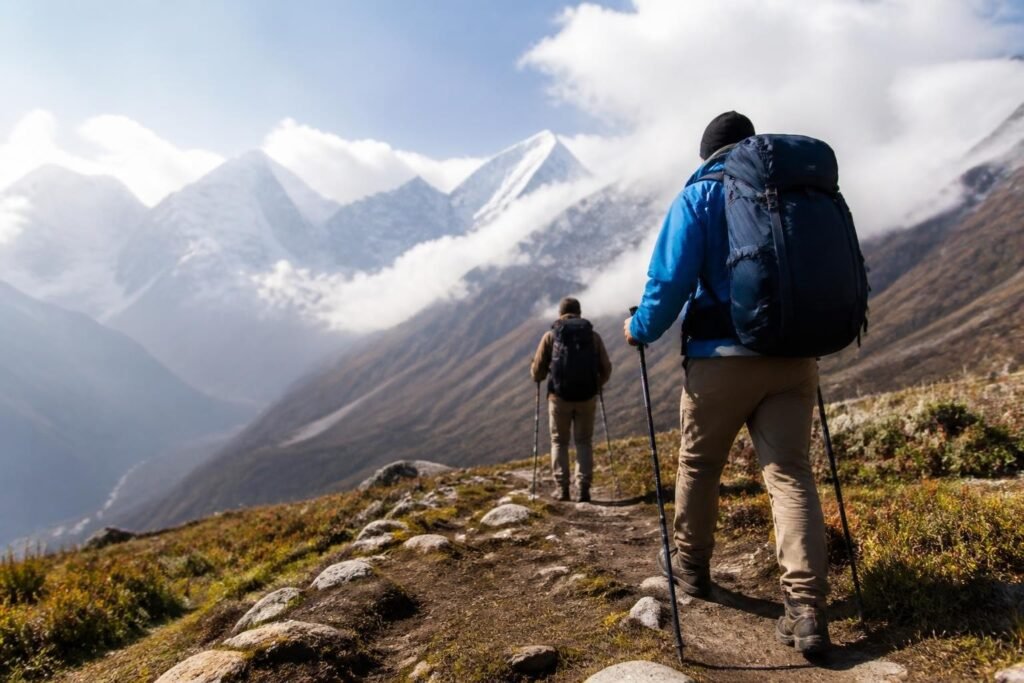
Understanding the difference between hike and trek is essential for anyone planning an outdoor adventure, especially when considering challenging destinations like Mount Rinjani in Indonesia. While many people use these terms interchangeably, they represent distinct types of outdoor activities with varying levels of difficulty, duration, and preparation requirements. Whether you're a beginner looking for a day outdoors or an experienced adventurer seeking multi-day expeditions, knowing these differences will help you choose the right experience and prepare adequately for your journey.
Understanding the Core Definitions
The difference between hike and trek begins with understanding what each activity fundamentally represents. Hiking typically refers to walking on established trails for shorter durations, usually completed within a single day. These excursions often follow well-marked paths through forests, hills, or mountains, requiring minimal technical skills and moderate physical fitness.
Trekking, on the other hand, involves longer, more challenging journeys that span multiple days or even weeks. These adventures take participants through diverse terrains, often in remote areas where infrastructure is limited or nonexistent. The experience demands greater physical endurance, extensive planning, and specialized equipment.
Duration and Time Commitment
One of the most noticeable distinctions when examining the difference between hike and trek is the time investment required. Hikes typically last anywhere from one to eight hours, allowing participants to return home the same day. This makes hiking accessible for people with busy schedules or those testing their fitness levels.
Treks demand significantly more time commitment:
- Multi-day expeditions: Most treks span three to fifteen days or longer
- Overnight camping: Participants sleep in tents, mountain huts, or basic lodges
- Extended planning: Requires arranging time off work, coordinating logistics, and preparing for various weather conditions
- Gradual acclimatization: Longer duration allows bodies to adapt to altitude changes
This temporal difference impacts everything from the gear you carry to the physical preparation required before embarking on your adventure.
Terrain and Trail Characteristics
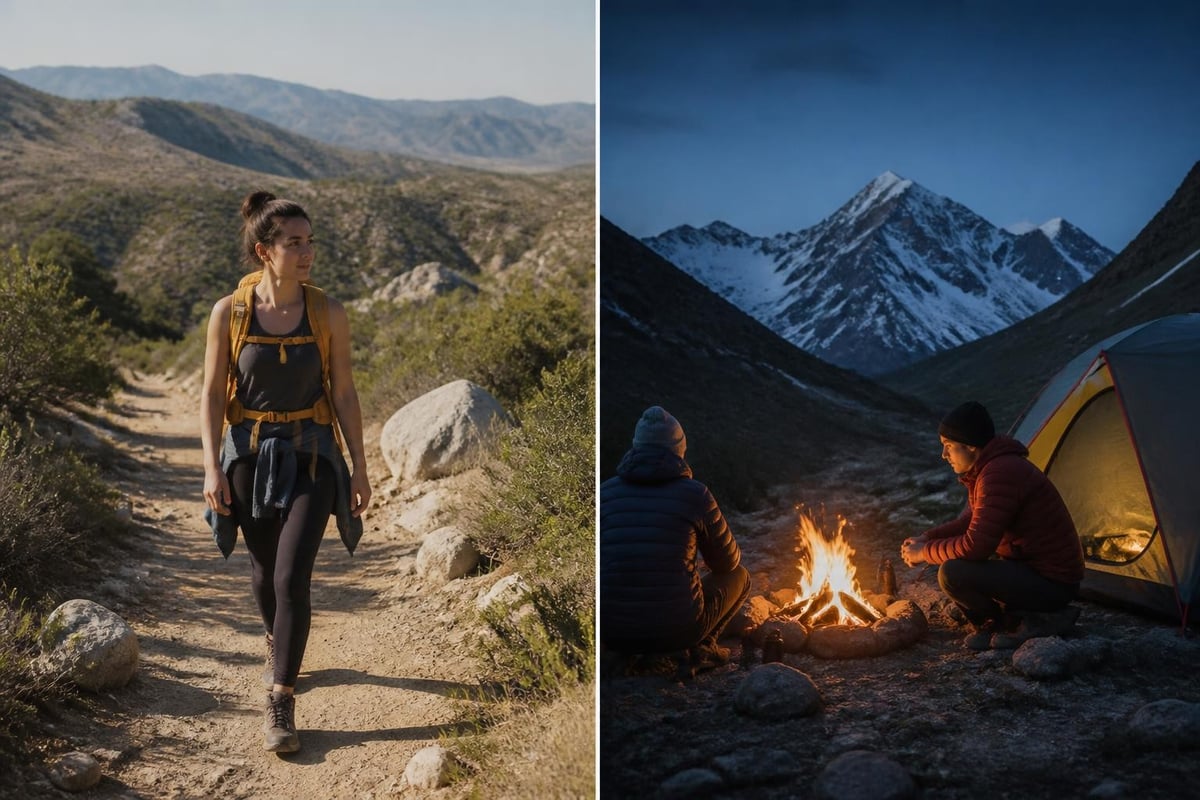
The difference between hike and trek becomes particularly evident when examining the terrain each activity covers. Hiking trails are generally well-maintained with clear markings, established pathways, and regular maintenance by park services or local authorities. These paths often include amenities like rest areas, signage, and nearby access to civilization.
Trekking routes present more challenging terrain conditions. Participants navigate through:
- Unmarked or minimally marked trails
- Steep ascents and descents requiring scrambling
- River crossings without bridges
- Rocky, uneven surfaces demanding careful foot placement
- High-altitude environments with thin air
Environmental Conditions
The environmental challenges further illustrate the difference between hike and trek. Hiking usually occurs in controlled environments where rescue services are accessible and weather conditions are predictable. Most hiking trails remain within a few hours of medical facilities and communication networks.
Trekking ventures into wilderness areas where participants may be days away from help. Weather can change rapidly, and trekkers must be self-sufficient in managing environmental challenges. This isolation requires comprehensive preparation and the ability to handle emergencies independently.
| Aspect | Hiking | Trekking |
|---|---|---|
| Trail Maintenance | Well-maintained, marked | Minimal or unmarked |
| Accessibility | Easy road access | Remote, difficult access |
| Rescue Access | Within hours | May take days |
| Weather Exposure | Predictable, manageable | Variable, extreme conditions |
Physical Demands and Fitness Requirements
Another crucial aspect of the difference between hike and trek involves the physical conditioning needed. Hiking requires moderate fitness levels, with most people able to complete popular trails after basic preparation. The cardiovascular demands remain manageable, and muscle soreness typically resolves within a day or two.
Trekking demands superior physical conditioning and endurance. Participants must sustain effort over multiple days while carrying heavier loads. The body faces cumulative fatigue, requiring excellent cardiovascular health, strong leg muscles, and mental resilience.
Training Preparations
For hiking, preparation might include:
- Regular walking or jogging for two to four weeks
- Practice hikes on local trails
- Basic strength exercises for legs and core
- Cardiovascular conditioning through cycling or swimming
Trekking preparation requires months of dedicated training:
Cardiovascular endurance through sustained aerobic activities five to six days weekly
Strength training focusing on legs, back, and core muscles
Practice treks with gradually increasing weight and duration
Altitude acclimatization for high-elevation destinations
Mount Rinjani presents an excellent example where understanding these physical requirements matters significantly. The volcano reaches 3,726 meters, demanding proper acclimatization and fitness regardless of which route you choose.

Equipment and Gear Differences
The gear requirements clearly demonstrate the difference between hike and trek in practical terms. Hikers can manage with minimal equipment since they return home the same day. Essential items include comfortable footwear, water, snacks, basic first aid, and weather-appropriate clothing.
Trekking necessitates comprehensive equipment for self-sufficiency over extended periods. Beyond the hiking essentials, trekkers must carry:
- Multi-day backpack (50-70 liters)
- Sleeping bag rated for expected temperatures
- Tent or shelter system
- Cooking equipment and fuel
- Multiple days of food supplies
- Water purification system
- Emergency communication devices
- Navigation tools (GPS, maps, compass)
- Extended first aid kit
- Layered clothing for varying conditions
Footwear Considerations
Footwear choice represents another practical difference. Hiking shoes or trail runners suffice for day hikes on established trails. These provide adequate support, traction, and comfort for single-day excursions.
Trekking boots offer superior ankle support, durability, and protection needed for rough terrain and heavy loads. The investment in quality trekking boots becomes essential when navigating challenging paths with a weighted backpack over multiple days.
For those planning to explore the differences between hiking and trekking gear, understanding these equipment variations helps ensure proper preparation and safety.
Logistical Planning and Preparation
The difference between hike and trek extends significantly into planning requirements. Hiking demands minimal advance preparation. Most people can decide to hike on short notice, checking weather forecasts, packing a daypack, and heading to nearby trailheads.
Trekking requires extensive advance planning spanning weeks or months:
- Route research and selection based on experience level and objectives
- Permit acquisition for protected areas and national parks
- Accommodation booking for lodges or camping spots
- Transportation arrangements to remote trailheads
- Guide and porter coordination when needed
- Emergency contingency planning including evacuation procedures
- Travel insurance covering high-altitude activities
- Vaccination and health preparations for remote regions
Guide and Support Services
While hikers often explore trails independently, trekkers frequently benefit from professional support. Experienced guides provide navigation expertise, local knowledge, safety management, and cultural insights. Porter services reduce the physical burden, allowing trekkers to focus on the experience rather than exhaustion.
When considering challenging trekking destinations, working with reputable operators ensures safety and success. The 2D1N CRATER RIM – SUMMIT package demonstrates how professional support can make ambitious goals achievable even with limited time, combining the intensity of summit trekking with organized logistics and experienced guidance.
Cost and Budget Considerations
Financial investment highlights another aspect of the difference between hike and trek. Hiking remains an economical outdoor activity with minimal expenses beyond transportation to trailheads and basic gear. Many hiking trails offer free access, and the equipment investment remains modest.
Trekking involves substantial financial commitment:
- Specialized equipment costing hundreds to thousands of dollars
- Guide and porter fees for professional support
- Permits and entrance fees for protected areas
- Accommodation costs for lodges or camping facilities
- Food and supplies for extended durations
- Travel expenses to remote starting points
- Travel insurance with appropriate coverage
| Expense Category | Hiking | Trekking |
|---|---|---|
| Initial Gear | $100-$300 | $500-$2,000+ |
| Daily Costs | $10-$30 | $50-$200+ |
| Support Services | Optional | Often essential |
| Permits | $0-$20 | $50-$500+ |
Cultural and Environmental Immersion
The experiential difference between hike and trek involves the depth of cultural and environmental engagement. Hiking provides glimpses of natural beauty and outdoor experiences but typically keeps participants within familiar comfort zones. The proximity to civilization means limited immersion in wilderness or local cultures.
Trekking offers profound immersion in both natural environments and traditional communities. Multi-day journeys through remote regions create opportunities to:
Experience authentic local cultures in mountain villages far from tourist centers
Witness dramatic landscape changes as elevations and ecosystems shift
Develop deeper connections with fellow trekkers through shared challenges
Gain perspective through extended time away from modern conveniences
This immersion transforms trekking from merely physical activity into transformative personal journeys. The challenges faced and overcome create lasting memories and personal growth beyond what single-day hikes typically provide.
Safety and Risk Management
Understanding the difference between hike and trek includes recognizing varying safety considerations. Hiking on established trails near populated areas presents manageable risks. Common hazards include minor injuries, dehydration, or getting temporarily lost, with help usually nearby.
Trekking involves elevated risks requiring comprehensive safety management:
- Altitude sickness in high-elevation destinations
- Severe weather exposure with limited shelter options
- Injury management far from medical facilities
- Navigation challenges in unmarked terrain
- Wildlife encounters in remote wilderness
- Communication limitations without cell coverage
Emergency Preparedness
Successful trekking requires thorough emergency preparation. Participants should understand basic wilderness first aid, carry appropriate safety equipment, and have evacuation contingency plans. Many trekking destinations require emergency contact information and proof of insurance before issuing permits.
The comparison between hiking and trekking safety requirements emphasizes how proper risk assessment and preparation separate enjoyable adventures from dangerous situations.
Skill Development and Expertise
The difference between hike and trek also encompasses the skills required for each activity. Hiking demands basic outdoor competence including map reading, weather awareness, and pacing. These skills develop quickly through regular practice on local trails.
Trekking requires advanced outdoor skills developed through dedicated learning and experience:
- Advanced navigation using map, compass, and GPS
- Campsite selection and wilderness camping techniques
- Water sourcing and purification methods
- Weather pattern recognition and response
- Altitude management and acclimatization strategies
- Emergency shelter construction
- Wildlife safety protocols
- Leave No Trace principles for minimal environmental impact
Progressive Skill Building
Most experienced trekkers develop skills progressively, starting with hiking before advancing to overnight trips and eventually multi-day treks. This progression allows gradual capability development while managing risk appropriately.
Understanding the nuances between hiking and trekking helps adventurers identify which skills they need to develop for their chosen activities and plan appropriate learning pathways.
Choosing Between Hiking and Trekking
Selecting the appropriate activity depends on multiple factors including available time, fitness level, experience, budget, and personal objectives. The difference between hike and trek means each serves different purposes and appeals to varying preferences.
Choose hiking when you:
- Have limited time for outdoor activities
- Want to test fitness levels before bigger commitments
- Prefer day trips with minimal planning
- Seek regular outdoor exercise close to home
- Are building foundational outdoor skills
- Want family-friendly activities with lower risk
Choose trekking when you:
- Can dedicate multiple consecutive days to adventure
- Possess solid fitness and outdoor experience
- Seek immersive wilderness experiences
- Want to challenge yourself physically and mentally
- Desire cultural immersion in remote regions
- Are prepared for comprehensive planning and investment
Regional Variations and Terminology
The difference between hike and trek can vary based on geographic location and local terminology. In North America, "hiking" predominantly describes trail walking regardless of duration, while "backpacking" refers to multi-day trips. European regions often use "trekking" for extended mountain journeys, particularly in the Alps and Pyrenees.
In Asia, especially in the Himalayan regions and Indonesian archipelago, "trekking" specifically denotes multi-day mountain expeditions through challenging terrain. Mount Rinjani in Lombok exemplifies this Asian trekking tradition, where journeys involve significant elevation gain, camping, and wilderness immersion.
Respecting Local Definitions
Understanding regional terminology helps set appropriate expectations and ensures proper preparation. When researching adventures in different countries, clarifying whether routes are classified as hikes or treks locally prevents misunderstandings about difficulty, duration, and requirements.
The detailed exploration of hiking versus trekking definitions across different regions highlights how these terms adapt to local outdoor traditions and geographical challenges.
Environmental Impact and Responsibility
Both hiking and trekking carry environmental responsibilities, but the difference between hike and trek influences the magnitude of potential impact. Day hikers affect specific trail sections, and their environmental footprint remains relatively contained when following Leave No Trace principles.
Trekkers spending extended time in wilderness areas face greater responsibility for environmental stewardship. Multi-day presence increases impacts through:
Waste generation requiring proper disposal or pack-out systems
Campsite impacts from repeated use of sensitive areas
Water source contamination risks from improper hygiene
Vegetation damage from off-trail travel and camping
Wildlife disturbance through extended human presence
Sustainable Practices
Responsible trekking companies prioritize environmental protection through waste management systems, designated camping areas, and porter welfare standards. These practices ensure that popular trekking destinations remain pristine for future generations while supporting local communities economically.
Mount Rinjani trekking operations exemplify sustainable approaches by implementing strict waste removal policies, limiting group sizes, and employing local guides who understand ecosystem preservation. This commitment protects the volcanic landscape while providing economic opportunities for Lombok communities.
Mental and Emotional Aspects
The psychological difference between hike and trek deserves consideration when planning outdoor adventures. Hiking offers mental refreshment, stress relief, and physical exercise within manageable time frames. The experience provides escape without overwhelming commitment, making it ideal for regular mental health maintenance.
Trekking presents greater psychological challenges and rewards. Extended wilderness immersion tests mental resilience, pushes comfort boundaries, and demands sustained motivation. The rewards include:
- Enhanced self-confidence from overcoming significant challenges
- Mental clarity from extended disconnection from technology
- Stronger relationships built through shared hardship
- Perspective shifts about personal capabilities and priorities
- Lasting accomplishment from completing difficult journeys
These psychological dimensions make trekking transformative for many participants, creating experiences that influence their lives long after returning home.
Accessibility and Inclusivity
The difference between hike and trek significantly impacts who can participate in each activity. Hiking maintains relatively high accessibility, with trails available for various ability levels, ages, and experience. Many regions offer wheelchair-accessible trails, family-friendly paths, and options for those with mobility limitations.
Trekking presents higher barriers to entry due to physical demands, cost, and technical requirements. However, the spectrum of trekking difficulty means options exist for different capabilities. Shorter treks with moderate terrain offer entry points for those building toward more ambitious goals.
Adaptive Opportunities
Both activities continue evolving toward greater inclusivity. Adaptive equipment, specialized programs, and inclusive guiding services expand access for people with disabilities. Understanding personal capabilities and limitations helps identify appropriate challenges within both hiking and trekking categories.
The difference between hike and trek encompasses duration, terrain, physical demands, equipment, and overall experience, helping outdoor enthusiasts choose adventures matching their capabilities and objectives. Whether you seek day adventures or multi-day expeditions, understanding these distinctions ensures proper preparation and realistic expectations. When you're ready to experience world-class trekking in Indonesia, Hiking Mount Rinjani provides expert guidance, quality equipment, and experienced support to ensure your Mount Rinjani adventure is safe, memorable, and environmentally responsible.