Volcanic crater peaks represent some of the most dramatic and rewarding destinations for mountain trekkers worldwide. These geological formations, characterized by their distinctive rim structures and commanding views, offer adventurers an unforgettable experience combining physical challenge with natural beauty. Mount Rinjani in Lombok, Indonesia, features one of Southeast Asia's most impressive crater peak formations, drawing thousands of hikers annually who seek to witness its spectacular volcanic landscape. Understanding what crater peak trekking entails, from geological features to practical preparation, ensures trekkers can safely enjoy these remarkable natural wonders.
Understanding Crater Peak Formations
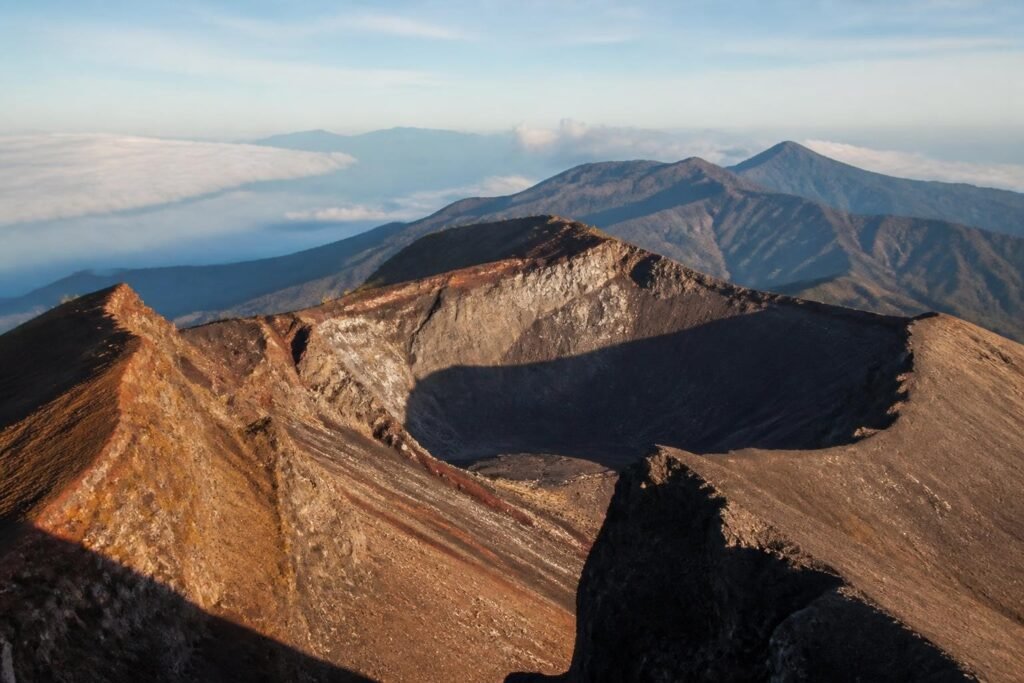
Volcanic crater peaks form through powerful geological processes spanning thousands of years. When magma erupts from beneath Earth's surface, it creates a cone-shaped mountain with a depression or crater at the summit. The rim surrounding this crater becomes the crater peak, often the highest accessible point for trekkers.
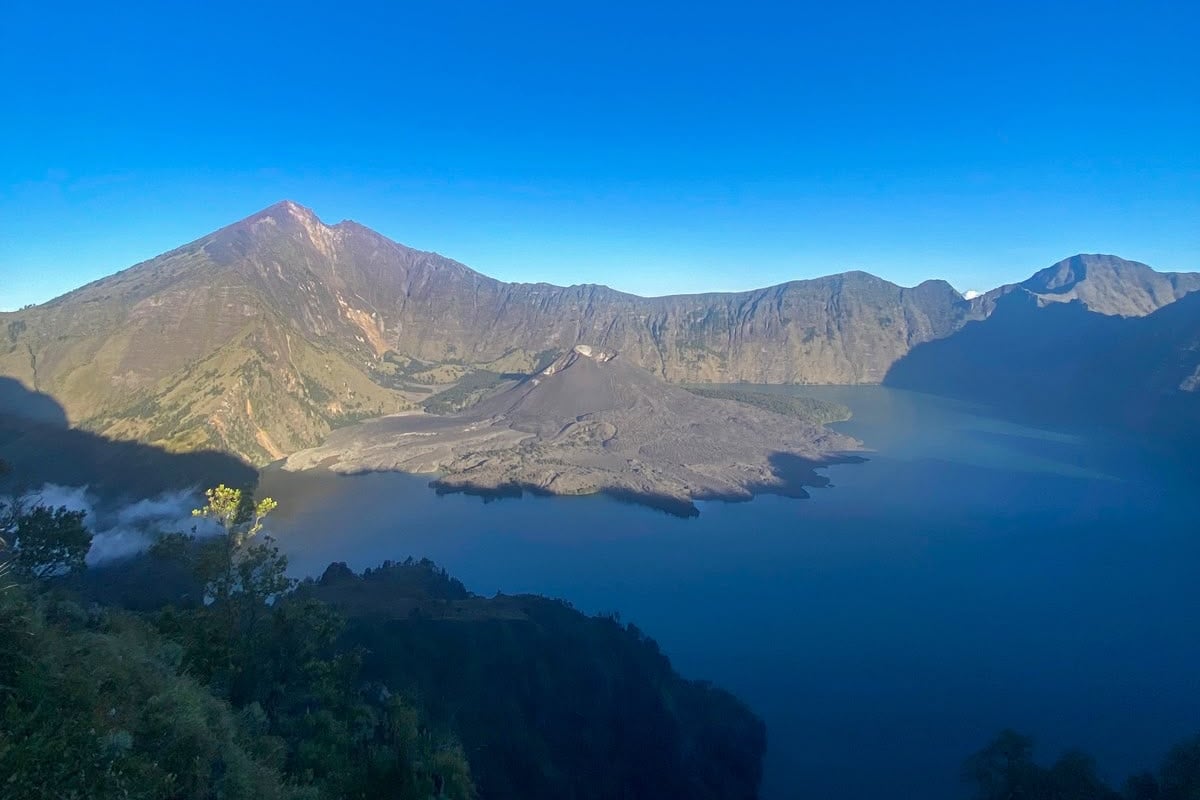
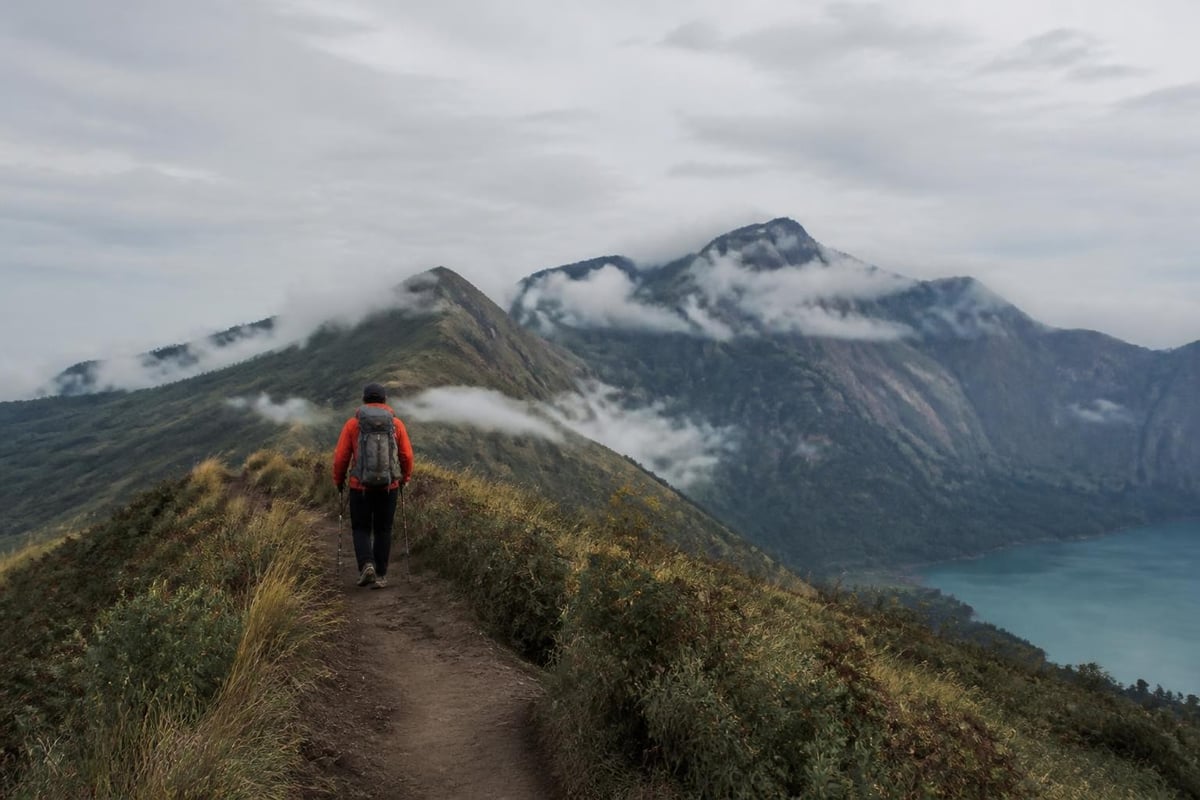
Mount Rinjani's crater peak showcases this formation magnificently. The mountain rises 3,726 meters above sea level, with its crater rim offering panoramic views of the active volcanic system below. Within the crater lies Segara Anak Lake, a stunning crescent-shaped body of water formed by rainfall collecting in the volcanic depression.
Geological Significance
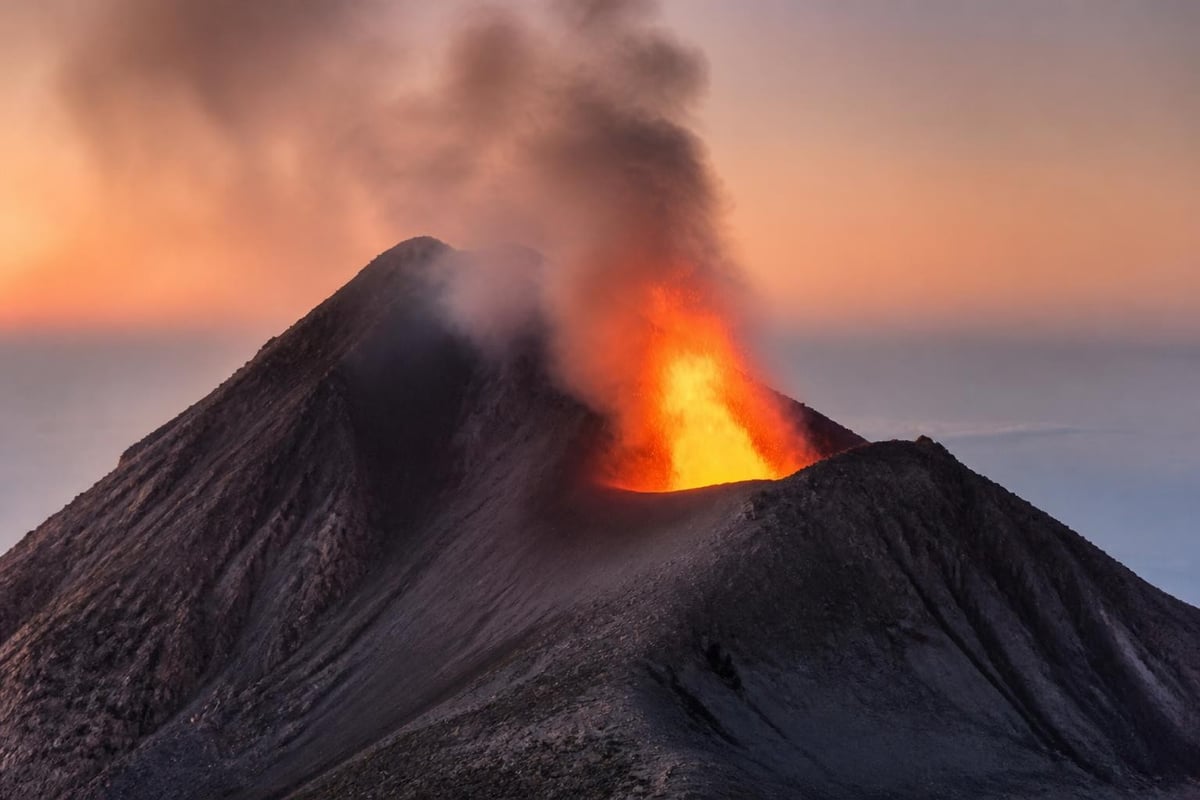
Crater peak formations provide valuable insights into volcanic activity and Earth's dynamic systems. Scientists study these features to understand eruption patterns, magma composition, and potential hazards. The eruption features of volcanic craters reveal critical information about past volcanic events.
Key geological characteristics include:
- Rim elevation: The highest points surrounding the crater depression
- Crater diameter: Distance across the volcanic opening
- Inner slope angle: Steepness of crater walls descending toward the lake or vent
- Volcanic composition: Rock types and mineral deposits revealing eruption history
Mount Rinjani's crater demonstrates these features clearly, making it an excellent example for understanding volcanic crater peak formations. The rim walk offers trekkers direct observation of these geological wonders.
Planning Your Crater Peak Trek
Successful crater peak trekking requires thorough planning and preparation. Physical conditioning, appropriate gear, and understanding the terrain are essential components for a safe and enjoyable experience.
Physical Preparation Requirements
Training for crater peak treks should begin at least six to eight weeks before your scheduled departure. The elevation gain, steep inclines, and extended hiking duration demand cardiovascular endurance and leg strength.
| Training Activity | Frequency | Duration | Purpose |
|---|---|---|---|
| Hiking with weighted pack | 3x weekly | 2-4 hours | Build endurance and strength |
| Stair climbing | Daily | 20-30 minutes | Strengthen leg muscles |
| Cardio exercise | 4x weekly | 45-60 minutes | Improve cardiovascular fitness |
| Flexibility training | Daily | 15-20 minutes | Prevent injury and improve mobility |
Altitude acclimatization becomes particularly important when trekking above 3,000 meters. Many experienced trekking companies structure their itineraries with gradual elevation gain to help trekkers adjust naturally.
Essential Gear and Equipment
Proper equipment significantly impacts your crater peak trekking experience. Quality gear protects against harsh mountain conditions while enhancing comfort during multi-day expeditions.
Clothing essentials:
- Moisture-wicking base layers
- Insulating mid-layers for cold temperatures
- Waterproof outer shell jacket and pants
- Warm hat, gloves, and sun protection
- Sturdy trekking boots with ankle support
Technical equipment:
- Headlamp with extra batteries
- Trekking poles for stability
- Sleeping bag rated for low temperatures
- Personal first aid kit
- Water purification system
Professional trekking services typically provide tents, cooking equipment, and food supplies. However, personal items like appropriate clothing and footwear remain the trekker's responsibility.
Navigating Crater Rim Routes
Crater peak routes vary in difficulty, duration, and scenic rewards. Understanding different trail options helps trekkers select the most appropriate path for their experience level and available time.
Traditional Senaru Route
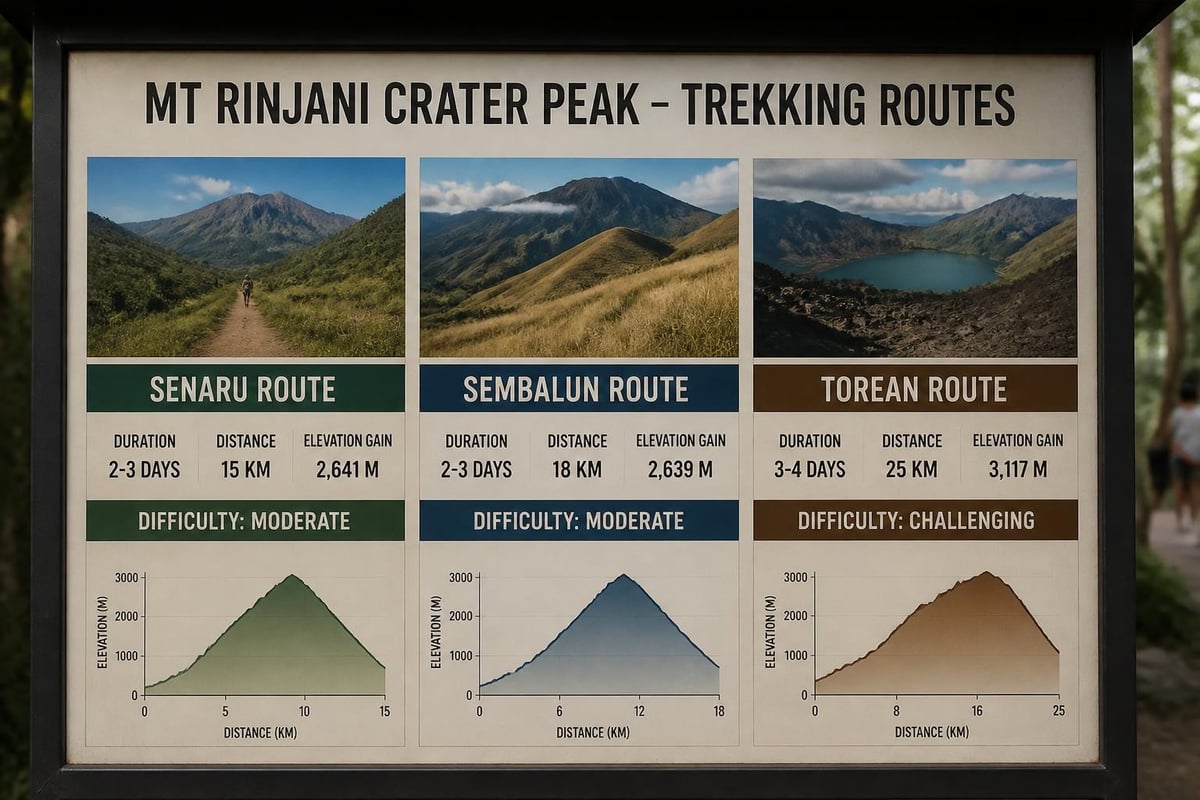
The Senaru trail represents the most established approach to Mount Rinjani's crater peak. This route begins from Senaru village at 600 meters elevation and ascends through diverse ecological zones.
The journey typically unfolds as follows:
- Day One: Trek from Senaru to Senaru Crater Rim camp at 2,641 meters (6-7 hours)
- Day Two: Summit attempt or rim exploration, then descend to Segara Anak Lake (variable timing)
- Additional days: Lake activities, hot springs, and return journey
For those with limited time, a 2-day crater rim package provides access to spectacular crater peak views without the full summit attempt. This moderate route suits beginners while still delivering the essential crater peak experience that makes Mount Rinjani so rewarding.
Torean Trail Experience
The newer Torean route offers a fresh perspective on crater peak trekking. Opening in recent years, this trail features dramatic landscapes and reduced crowding compared to traditional routes.
Distinctive features include:
- Dense forest sections creating a prehistoric atmosphere
- Unique vantage points for crater rim photography
- Alternative camping locations with equally stunning views
- Opportunities to observe different flora and fauna
Many trekkers describe the Torean experience as reminiscent of ancient landscapes, with towering trees and lush vegetation creating an immersive natural environment. The trail ultimately connects to the same crater peak rim, providing identical summit views while offering a distinctive journey.
Safety Considerations and Best Practices
Crater peak trekking presents inherent risks that demand respect and preparation. Volcanic activity, altitude-related illness, and challenging terrain require trekkers to prioritize safety throughout their journey.
Volcanic Activity Monitoring
Active volcanic systems like Mount Rinjani require ongoing monitoring and awareness. While the main crater rim remains generally safe, the newer cone within the crater (Gunung Baru) occasionally shows increased activity.
Safety protocols include:
- Checking current volcanic alert levels before departing
- Following guide instructions regarding restricted areas
- Understanding emergency evacuation procedures
- Recognizing signs of increased volcanic activity
- Maintaining communication capabilities
Professional guides receive regular updates about volcanic conditions and adjust routes accordingly. Their expertise proves invaluable for making real-time safety decisions on the mountain.
Altitude Illness Prevention
Acute mountain sickness (AMS) affects many trekkers attempting crater peak ascents. Symptoms typically emerge above 2,500 meters and can progress to serious conditions without proper management.
| Altitude Range | Common Symptoms | Preventive Measures |
|---|---|---|
| 2,000-2,500m | Mild headache, fatigue | Hydrate well, pace slowly |
| 2,500-3,000m | Headache, nausea, dizziness | Rest frequently, monitor symptoms |
| 3,000-3,726m | Severe headache, vomiting, confusion | Consider descent, seek medical help |
Gradual ascent remains the most effective prevention strategy. Multi-day itineraries that include rest periods at intermediate camps allow proper acclimatization before reaching the crater peak.
Optimal Timing for Crater Peak Treks
Seasonal variations dramatically affect crater peak trekking conditions. Weather patterns, trail accessibility, and overall experience quality depend heavily on timing your visit appropriately.
Dry Season Advantages
The dry season from April through November offers the most favorable conditions for crater peak trekking. Clear skies, stable weather, and minimal rainfall create ideal circumstances for summit attempts.
Monthly breakdown:
- April-May: Season begins, fewer crowds, occasional rain
- June-August: Peak season, excellent weather, maximum crowds
- September-November: Stable conditions, moderate crowds, comfortable temperatures
Understanding the best time to hike Mount Rinjani helps trekkers align their plans with optimal weather windows. July and August typically provide the most reliable conditions, though increased visitor numbers can impact trail congestion.
Weather Pattern Considerations
Mountain weather remains inherently unpredictable, even during dry season. Crater peak elevations experience significant temperature fluctuations between day and night.
Temperature ranges typically span:
- Daytime temperatures: 15-20°C at crater rim
- Nighttime temperatures: 0-5°C, occasionally below freezing
- Wind chill factor: Can reduce perceived temperature significantly
- Summit conditions: Often 5-10°C colder than crater rim camps
Trekkers must prepare for these variations with appropriate layering systems. Morning summit attempts often begin in sub-freezing temperatures, while afternoon crater rim walks may occur in comfortable sunshine.
Environmental Responsibility and Conservation
Crater peak environments represent fragile ecosystems requiring careful stewardship. Responsible trekking practices preserve these natural wonders for future generations while maintaining the pristine conditions that make them so special.
Leave No Trace Principles
Mount Rinjani's crater peak zones demonstrate the importance of minimal impact practices. With thousands of annual visitors, even small individual impacts accumulate into significant environmental damage without proper management.
Core principles include:
- Pack out all waste, including biodegradable items
- Use designated toilet facilities or proper disposal methods
- Stay on established trails to prevent erosion
- Avoid disturbing wildlife or removing natural objects
- Minimize campfire impacts or use portable stoves
Professional trekking services increasingly emphasize environmental stewardship as part of their operations. Porter teams carry waste down from the mountain, and guides educate trekkers about conservation importance.
Supporting Local Communities
Responsible crater peak trekking extends beyond environmental concerns to encompass social and economic impacts on local communities. The villages surrounding Mount Rinjani depend significantly on trekking tourism for their livelihoods.
Positive contributions include:
- Hiring local guides and porters
- Purchasing supplies from village vendors
- Respecting cultural traditions and sacred sites
- Supporting community development initiatives
- Engaging with cultural exchange opportunities
These economic relationships create incentives for conservation while improving living standards in mountain communities. Trekkers become partners in sustainable development rather than mere consumers of scenic experiences.
Crater Peak Photography Opportunities
The dramatic landscapes surrounding crater peaks create exceptional photography opportunities. Understanding optimal shooting locations, timing, and techniques helps capture the majesty of these volcanic formations.
Sunrise and Sunset Magic
Golden hour lighting transforms crater peak landscapes into stunning visual displays. The interplay between volcanic rock, crater lake waters, and atmospheric conditions produces unforgettable images.
Prime photography locations:
- Crater rim viewpoints: Overlooking Segara Anak Lake with Gunung Baru cone
- Summit approach trails: Capturing the crater peak silhouette during ascent
- Lake shore perspectives: Looking up at the crater rim from below
- Ridge walks: Panoramic views encompassing crater, lake, and surrounding peaks
Sunrise shoots require pre-dawn positioning, often meaning summit attempts beginning at 2:00 or 3:00 AM. The effort rewards photographers with spectacular first light illuminating the crater peak while stars still dot the western sky.
Equipment and Technical Considerations
Mountain photography demands equipment that balances capability with portability. Weight restrictions and physical demands limit what trekkers can carry to crater peak elevations.
| Equipment Type | Recommended Options | Weight Considerations |
|---|---|---|
| Camera body | Mirrorless or lightweight DSLR | 400-800g |
| Primary lens | 16-35mm wide angle | 300-600g |
| Secondary lens | 24-70mm standard zoom | 600-900g |
| Support | Lightweight travel tripod | 1,000-1,500g |
| Protection | Weather-sealed bags, lens cloths | 200-400g |
Cold temperatures at crater peak elevations drain batteries rapidly. Photographers should carry multiple spares kept warm in interior pockets. Condensation management also becomes critical when transitioning between temperature zones.
Health and Wellness During Extended Treks
Multi-day crater peak expeditions test physical and mental endurance. Maintaining health and wellness throughout the journey ensures trekkers can fully enjoy the experience while minimizing discomfort or injury.
Nutrition and Hydration Strategies
Proper fueling sustains energy levels during demanding ascents to crater peak elevations. The body requires significantly more calories during mountain trekking than normal daily activities.
Daily nutritional targets:
- Calories: 3,500-4,500 depending on body weight and exertion level
- Carbohydrates: 60-70% of total calories for sustained energy
- Protein: 15-20% for muscle recovery and maintenance
- Fats: 20-25% for long-term energy and warmth
- Water: 3-4 liters minimum, more in hot conditions
Professional trekking services provide substantial meals at camps, but personal snacks supplement these provisions. Trail mix, energy bars, dried fruit, and chocolate provide quick energy during hiking segments.
Hydration becomes particularly critical at altitude where increased respiration causes greater fluid loss. Dehydration exacerbates altitude illness symptoms and reduces physical performance. Water sources along crater peak routes require purification through filtration, chemical treatment, or boiling.
Sleep Quality and Recovery
Rest periods between trekking days allow physical recovery essential for crater peak attempts. However, sleeping at altitude presents challenges that affect sleep quality and recovery effectiveness.
Common sleep disruptions include:
- Periodic breathing patterns caused by altitude
- Cold temperatures despite warm sleeping bags
- Unfamiliar tent camping conditions
- Early wake-up times for summit attempts
- Ambient noise from other trekkers and guides
Experienced trekkers employ various strategies to improve sleep quality. Ear plugs block disruptive sounds, sleeping bag liners add warmth without weight, and proper hydration before bed reduces nighttime awakening. Some find mild sleep aids helpful, though these should be tested before the trek rather than experimenting at altitude.
Cultural Significance and Local Perspectives
Mount Rinjani's crater peak holds profound spiritual significance for local Sasak and Balinese communities. Understanding these cultural dimensions enriches the trekking experience beyond mere physical achievement.
Sacred Mountain Traditions
Indigenous communities view Mount Rinjani as a sacred dwelling place for ancestral spirits and deities. The crater lake, Segara Anak ("child of the sea"), particularly holds religious importance.
Annual pilgrimage ceremonies bring Hindu and Muslim devotees to the crater peak and lake shores. These spiritual gatherings involve offerings, prayers, and ritual bathing in the lake's waters, believed to possess healing properties.
Respectful trekkers recognize these spiritual dimensions by:
- Avoiding disruptive behavior near ceremonial sites
- Refraining from swimming in sacred lake areas during ceremonies
- Asking permission before photographing religious activities
- Learning about local beliefs from guides and community members
- Supporting conservation as an expression of respect
Mountain Mythology and Stories
Local folklore surrounding the crater peak adds depth to the physical landscape. Stories passed through generations explain geological features through mythological narratives.
One popular legend describes the crater lake as tears shed by a celestial princess, while the newer volcanic cone represents her eternal guardian. Such stories connect communities to the mountain beyond economic relationships, fostering genuine stewardship.
Guides often share these narratives during evening hours at crater rim camps. These storytelling sessions provide cultural education while building camaraderie among trekking groups. The mythology transforms the crater peak from geological formation into living, storied landscape.
Training Advanced Trekkers for Technical Routes
While standard crater peak routes require no technical climbing skills, advanced variations demand additional preparation and capabilities. These challenging alternatives attract experienced mountaineers seeking greater adventure.
Technical Summit Routes
The direct summit ascent from crater rim camps involves steep scree slopes requiring proper technique and determination. This final push to Mount Rinjani's 3,726-meter peak tests even fit trekkers.
Technical considerations include:
- Scree navigation: Loose volcanic rock requires specific climbing techniques
- Steep gradients: Sections exceed 45-degree angles demanding careful footing
- Altitude effects: Thin air at summit elevation reduces physical capacity
- Weather exposure: No shelter between crater rim and summit during storms
- Time constraints: Summit attempts must finish before afternoon weather deteriorates
Experienced guides assess trekker capabilities before approving summit attempts. Physical fitness alone doesn't guarantee success; mental determination and proper pacing prove equally important.
Advanced Preparation Programs
Trekkers targeting technical crater peak routes benefit from structured preparation programs. These training regimens build specific skills and conditioning required for challenging mountain environments.
Progressive training phases include:
- Foundation building (Weeks 1-3): Establish baseline cardiovascular fitness and leg strength
- Skill development (Weeks 4-6): Practice scree walking, balance, and technical footwork
- Peak conditioning (Weeks 7-8): Maximum intensity workouts simulating summit day demands
- Taper and recovery (Week 9): Reduce volume while maintaining intensity before departure
Many serious mountaineers incorporate altitude simulation training using specialized equipment or facilities. While not essential for Mount Rinjani's elevation, such preparation provides additional confidence and physiological adaptation.
Crater peak trekking offers transformative experiences combining physical challenge, natural beauty, and cultural enrichment. Whether targeting the crater rim for panoramic views or pushing to the summit for ultimate achievement, proper preparation and responsible practices ensure safe, memorable adventures. Hiking Mount Rinjani provides comprehensive trekking services designed to maximize your crater peak experience while prioritizing safety, environmental stewardship, and cultural respect. With experienced guides, quality equipment, and carefully structured itineraries, your journey to Mount Rinjani's spectacular crater peak becomes an achievement you'll treasure for life.