
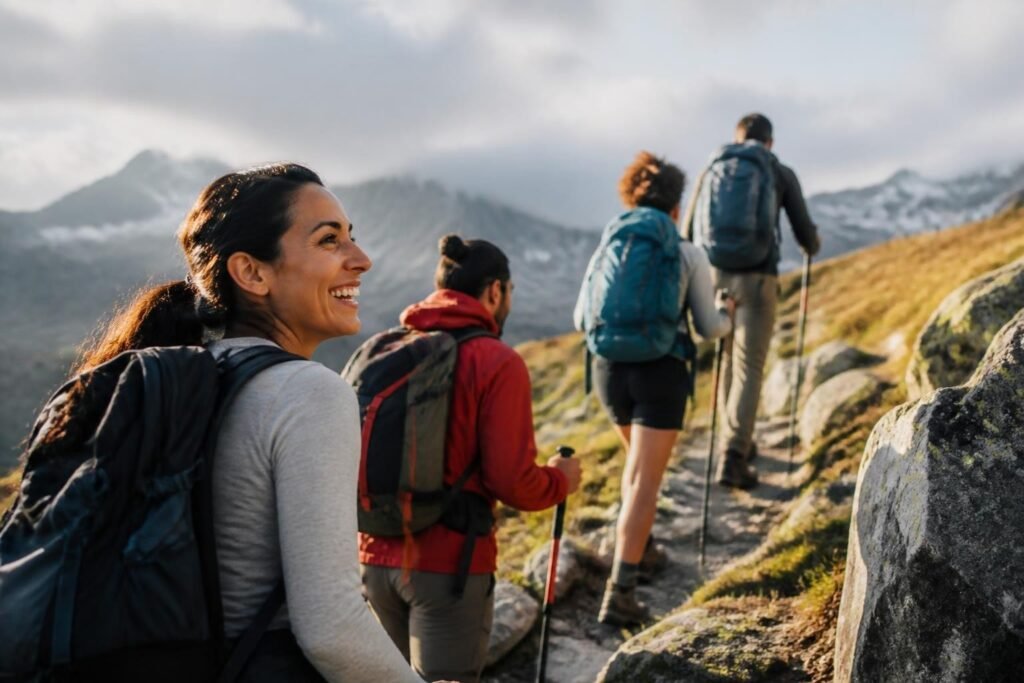
Trekking Mount Rinjani represents one of Indonesia's most challenging and rewarding adventures, rising 3,726 meters above Lombok's landscape. While some hikers attempt this journey solo, joining a hiking group transforms the experience into something far more meaningful. The collective energy, shared knowledge, and mutual support found within organized hiking groups create safety nets and lasting memories that individual trekkers often miss. As outdoor recreation continues to evolve in 2026, the value of group dynamics in mountaineering has become increasingly recognized by both novice and experienced adventurers.
The Fundamental Benefits of Group Hiking Dynamics
A hiking group provides structure and accountability that dramatically improves success rates on demanding treks. Research shows that larger teams tend to be more successful, with shared workload distribution creating more efficient problem-solving capabilities. When multiple minds collaborate on route decisions, equipment management, and pace setting, the collective intelligence exceeds individual judgment.
Safety considerations alone justify the hiking group approach for Mount Rinjani expeditions. The mountain's weather patterns shift rapidly, particularly during the transitional months between dry and wet seasons. Having multiple sets of eyes monitoring conditions, checking equipment, and watching for signs of altitude sickness creates redundancy that saves lives.
Enhanced Motivation Through Collective Energy
The psychological boost from group hiking cannot be overstated. When fatigue sets in during steep ascents, the presence of fellow trekkers provides motivation that individual willpower struggles to match. Conversation, shared laughter, and mutual encouragement transform difficult sections into manageable challenges.
Key motivational advantages include:
- Commitment accountability preventing early turnarounds
- Shared celebration of milestone achievements
- Competitive energy during challenging sections
- Emotional support during moments of doubt
- Collective problem-solving when obstacles emerge
Group dynamics naturally regulate pace as well. Experienced guides monitor the hiking group's overall energy levels, adjusting speed to accommodate varying fitness levels while maintaining schedule integrity. This balanced approach prevents the burnout that often occurs when solo hikers push too hard or the frustration when they proceed too conservatively.
Leadership Structure Within Hiking Groups
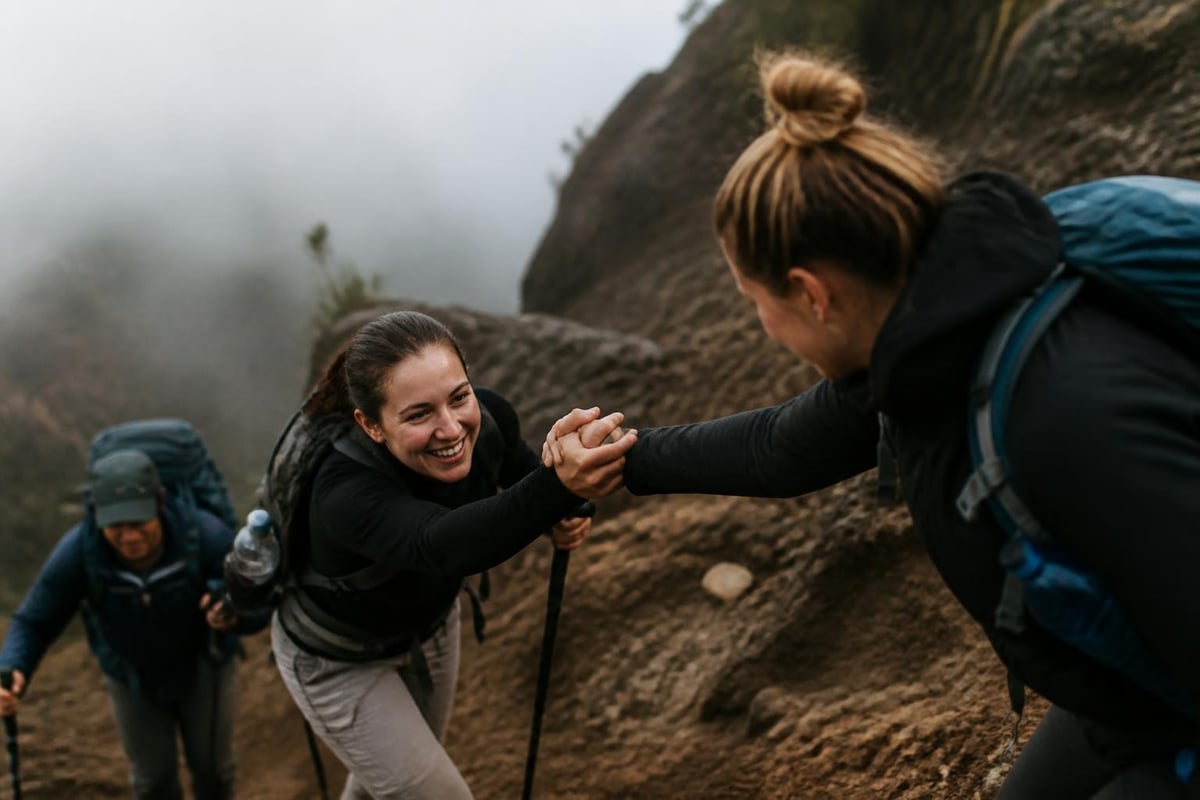
Understanding leadership responsibilities in outdoor recreation proves essential for successful group expeditions. Professional trekking operations assign experienced guides who handle route selection, timing decisions, and emergency protocols. These leaders carry ultimate responsibility for group safety while empowering individual decision-making within established parameters.
The emergence of informal leadership within hiking groups creates interesting dynamics. Natural leaders often emerge based on experience, physical capability, or interpersonal skills. Studies examining leadership in walking groups reveal that individual positions and locomotor behavior influence leader-follower patterns during movement.
| Leadership Role | Primary Responsibilities | Skills Required |
|---|---|---|
| Lead Guide | Route navigation, safety decisions, schedule management | Experience, first aid, communication |
| Assistant Guide | Group cohesion, equipment support, rear position monitoring | Technical skills, patience, observation |
| Porters | Load management, camp setup, meal preparation | Strength, efficiency, teamwork |
| Participants | Personal preparation, following protocols, supporting others | Fitness, cooperation, adaptability |
Safety Protocols and Group Coordination
Safety guidelines for group hikes emphasize individual responsibility within collective frameworks. Each member of a hiking group must prepare adequately while trusting the organizational structure provided by professional operators. This dual responsibility model balances personal accountability with group support systems.
Communication systems within hiking groups determine response effectiveness during emergencies. Established protocols for reporting issues, signaling stops, and requesting assistance prevent confusion when seconds matter. Regular headcounts, buddy systems, and position rotations ensure no one becomes separated or forgotten.
Pre-Trek Preparation Standards
Professional hiking groups establish clear expectations before departure. Participants receive detailed packing lists, fitness recommendations, and briefing sessions covering route specifics. This preparation phase filters participants by capability level, ensuring group composition matches trek difficulty.
Essential preparation elements include:
- Medical disclosure and screening processes
- Equipment inspection and standardization
- Communication protocol training
- Emergency procedure familiarization
- Physical conditioning verification
- Nutrition and hydration planning
The benefits of hiking with guided groups extend beyond safety into skill development. Participants learn navigation techniques, Leave No Trace principles, and altitude management strategies through observation and instruction. These transferable skills enhance future outdoor adventures while building environmental stewardship.
The systematic safety measures and communication protocols that organized hiking groups implement on Mount Rinjani, including equipment checks, buddy systems, and emergency procedures
Building Community Through Shared Adventure
The social dimension of hiking group experiences creates lasting connections. Strangers who begin treks as acquaintances often descend as friends, bonded by shared challenges and triumphs. The vulnerability of physical exhaustion and the intimacy of camping together accelerate relationship development beyond normal social timelines.
Cultural exchange enriches international hiking groups particularly. Mount Rinjani attracts trekkers from dozens of countries, creating microcosms of global diversity within small teams. Shared meals around campfires become forums for worldview exchange, language learning, and cross-cultural understanding.
Skill Level Matching and Group Composition
Successful hiking group formation requires thoughtful participant matching. Experienced operators assess fitness levels, trekking experience, and personality compatibility when forming teams. Mismatched groups create frustration as faster hikers wait repeatedly or slower members feel pressured beyond comfortable limits.
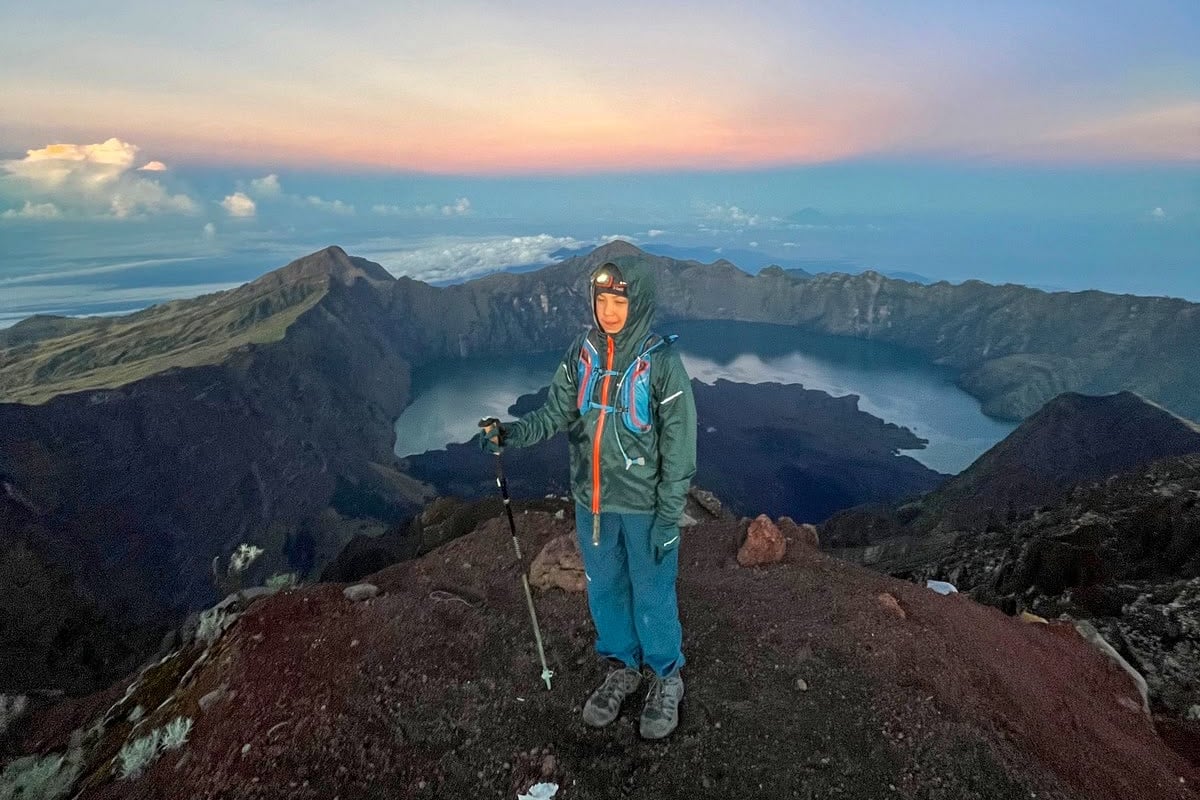
The RINJANI SUMMIT 3D2N package attracts hikers seeking the complete Rinjani experience, including the challenging summit push. This popular route through the Torean trail creates natural group bonding through shared achievement, as participants support each other through the pre-dawn summit attempt and celebrate together at Indonesia's second-highest peak.
Mount Rinjani's diverse trail options allow hiking groups to self-select by ambition and ability. Crater rim treks suit beginners seeking stunning views without extreme altitude, while summit routes challenge experienced mountaineers. Proper group composition ensures everyone enjoys appropriate challenge levels while maintaining collective safety.
Environmental Stewardship in Group Settings
Hiking groups carry amplified environmental responsibility compared to solo trekkers. Larger numbers create greater impact potential, making adherence to sustainable practices critical. Professional operations implement strict Leave No Trace protocols, with guides monitoring compliance throughout expeditions.
The collective accountability within hiking groups actually improves environmental outcomes when properly managed. Participants observe and reinforce positive behaviors, creating social pressure that individual trekkers don't experience. Waste management, trail etiquette, and wildlife interaction protocols become group norms rather than individual choices.
Sustainable group practices include:
- Centralized waste collection and pack-out systems
- Designated camping areas minimizing site proliferation
- Group education on local ecosystem sensitivity
- Wildlife observation distance maintenance
- Water source protection protocols
The concentration of impact at established campsites preserves pristine areas from dispersed damage. Rather than twenty individual campfires scarring different locations, one properly managed group fire serves collective needs while localizing impact. This concentrated-impact model guides sustainable outdoor recreation management globally.
Training and Skill Development Opportunities
Participating in organized hiking groups provides practical education unavailable through individual effort. Guides share navigation techniques, weather interpretation skills, and altitude acclimatization strategies during actual implementation. This real-world instruction surpasses theoretical knowledge from books or videos.
Newer hikers benefit tremendously from observing experienced group members. Packing efficiency, layering strategies, and energy conservation techniques become apparent through example. Questions receive immediate answers from multiple knowledge sources as guides and veteran trekkers share expertise.
Technical Skill Progression Within Groups
Mount Rinjani's varied terrain creates natural teaching environments. Rocky descents demonstrate proper footwork and pole usage. Steep ascents illustrate breathing techniques and rest-step methods. Stream crossings teach balance and decision-making. These lessons occur organically within hiking group contexts rather than through formal instruction.
Photography skills develop through group interaction as well. Participants share composition techniques, camera settings for various lighting conditions, and location recommendations. The collaborative learning environment accelerates skill development across multiple outdoor competencies simultaneously.
Logistical Advantages of Organized Groups
The operational efficiency of professional hiking groups dramatically simplifies the trekking experience. Permit acquisition, porter coordination, meal planning, and equipment provision occur through centralized management. Participants avoid the complexity and time investment required for independent expedition organization.
Cost effectiveness represents another significant advantage. Group purchasing power reduces per-person expenses for permits, transportation, and porter services. Shared equipment like cooking systems and shelters distributes costs across multiple users. These economies of scale make premium experiences accessible at moderate price points.
| Logistical Element | Individual Approach | Hiking Group Approach |
|---|---|---|
| Permit Processing | Self-application, potential delays | Operator handles all documentation |
| Food Planning | Personal procurement, weight burden | Professional meal planning, porter-carried |
| Navigation | Self-reliance, GPS dependence | Expert guides, backup systems |
| Emergency Response | Limited resources, delayed assistance | Immediate group support, evacuation protocols |
| Equipment | Full personal investment | Shared resources, rental options |
The mountains in Lombok present varying difficulty levels, but Mount Rinjani stands as the premier challenge. Professional hiking groups make this accomplishment accessible to properly prepared individuals who might hesitate attempting solo ascents.
Cultural Immersion Through Local Guides
Indigenous knowledge flows naturally within hiking groups led by local guides. Understanding the spiritual significance Sasak people assign to Mount Rinjani adds depth to the physical journey. Stories about traditional ceremonies, medicinal plants, and historical events transform landscapes into living cultural texts.
Employment of local guides and porters creates economic benefits that extend beyond individual transactions. Hiking group patronage supports entire communities dependent on tourism revenue. This ethical consideration influences many travelers' decisions to join organized expeditions rather than attempting independent treks.
Language and Communication Benefits
Multilingual guides bridge communication gaps within international hiking groups. Translation services facilitate meaningful interaction between participants from different linguistic backgrounds. This mediation creates inclusive environments where language barriers don't prevent friendship formation or safety communication.
Local guides also navigate interactions with mountain communities encountered during treks. Appropriate greetings, cultural protocols, and respectful behavior receive guidance that prevents unintentional offense. These cultural competencies enhance experiences while demonstrating respect for local traditions.
Timing and Seasonal Considerations for Groups
Understanding the best time to hike Mount Rinjani becomes crucial for hiking group planning. The dry season from April through December offers optimal conditions, with July through September representing peak demand. Group bookings during these months require advance reservation as popular departure dates fill quickly.
Shoulder season hiking groups in April, May, and October enjoy fewer crowds while maintaining reasonable weather reliability. These periods attract experienced trekkers who appreciate solitude and accept slightly elevated precipitation risk. Group dynamics differ during quieter periods, often creating more intimate, focused experiences.
Weather volatility during transitional months makes hiking group participation particularly valuable. Collective decision-making about route modifications or timing adjustments incorporates more data points than individual assessment. Group resources allow safer responses to unexpected conditions through shared equipment and support systems.
Physical and Mental Health Benefits
The cardiovascular conditioning achieved through multi-day hiking group expeditions provides measurable health improvements. Sustained aerobic activity at altitude challenges respiratory and circulatory systems, building endurance that persists long after descent. The hiking tour experiences available throughout Lombok create progressive training opportunities for various fitness levels.
Mental health benefits from group hiking rival physical advantages. Natural environments reduce stress hormones while increasing endorphin production. Social connection combats isolation and loneliness prevalent in modern society. The combination of exercise, nature exposure, and community creates powerful wellness synergy.
Documented health improvements include:
- Reduced anxiety and depression symptoms
- Improved sleep quality and duration
- Enhanced cognitive function and focus
- Increased self-efficacy and confidence
- Strengthened immune system response
The achievement of completing challenging treks within hiking group contexts builds self-confidence that transfers to other life domains. Overcoming physical limitations, managing discomfort, and supporting others through difficulties develops resilience and leadership capacity applicable beyond outdoor recreation.
Equipment Sharing and Resource Optimization
Professional hiking groups optimize equipment distribution through strategic sharing. Group shelters, cooking systems, and safety gear reduce individual carry weight while maintaining functionality. This load distribution allows participants to focus energy on movement rather than equipment management.
Rental equipment programs through established operators eliminate investment barriers for occasional trekkers. Quality gear appropriate for Mount Rinjani's conditions becomes accessible without purchasing specialized items used infrequently. This accessibility democratizes adventure experiences regardless of equipment ownership.
Emergency equipment redundancy within hiking groups provides critical safety margins. Multiple first aid kits, communication devices, and navigation tools ensure backup availability when primary systems fail. This redundancy proves invaluable during actual emergencies when equipment damage or loss occurs.
Flexibility and Adaptation in Group Settings
Successful hiking groups balance structure with adaptability. While schedules and routes provide frameworks, responsive leadership adjusts plans based on conditions and participant needs. This flexible approach accommodates unexpected challenges without compromising safety or experience quality.
Individual needs within collective contexts require diplomatic management. Participants experiencing difficulties receive support without derailing entire group progress. Professional guides excel at finding solutions that honor both individual circumstances and group objectives, often through creative problem-solving and resource reallocation.
The patterns of leading and following behaviors within groups reveal complex dynamics that professional guides navigate skillfully. Understanding when to assert directive leadership versus when to facilitate collaborative decision-making distinguishes exceptional guides from adequate ones.
Joining a hiking group for your Mount Rinjani adventure multiplies safety, learning, and enjoyment while building connections with fellow outdoor enthusiasts. The collective experience transforms a physical challenge into a meaningful journey of personal growth and cultural exchange. Whether you're planning your first mountain trek or your fiftieth, Hiking Mount Rinjani provides expertly guided group expeditions with experienced local guides, quality equipment, and sustainable practices that protect this magnificent environment for future generations. Start your adventure today by exploring the trekking packages designed to match your fitness level and time availability.