

What Is the Alternative to Mount Rinjani – Mount Rinjani has long been one of Southeast Asia’s most iconic trekking destinations. Towering at 3,726 meters above sea level, it offers a rare combination of dramatic volcanic landscapes, a vast crater lake, challenging ascents, and deeply rewarding summit views. For many international hikers, Rinjani is not just a mountain, it is the mountain to climb in Indonesia.
However, Indonesia enforces regular and necessary closures of Mount Rinjani, usually for environmental recovery, safety reasons, or volcanic activity monitoring. For foreign trekkers who have just learned that Rinjani is currently closed. This can be frustrating, especially if Indonesia is already part of their travel plan.
The good news is this: Rinjani is not the only mountain in Indonesia that offers height, beauty, and serious challenge. Located along the Pacific Ring of Fire, Indonesia is home to dozens of major peaks. Many of which rival or even exceed, Rinjani in elevation and technical difficulty.
This article is written for international hikers searching for a clear answer to one key question:
What is the alternative to Mount Rinjani?
Below, you’ll find five comparable peaks that can deliver a similarly powerful adventure while Rinjani is temporarily closed.
What Is the Alternative to Mount Rinjani?
Indonesia sits on the Pacific Ring of Fire, a geologically active zone that stretches across the globe. Because of this unique position, the country is blessed with an extraordinary number of volcanoes and high mountain ranges, spread from Papua in the east to Sumatra and Java in the west.
While Mount Rinjani is often the first name that comes to mind for foreign trekkers, it is far from the only mountain capable of offering epic views, physical challenge, and a true sense of wilderness. During Rinjani’s routine closure periods, several peaks stand out as worthy alternatives in terms of elevation, scenery, and adventure level.
Here are five of the most comparable mountains you can consider climbing with your friends while Mount Rinjani is closed.
1. Puncak Jaya (Carstensz Pyramid) – Papua
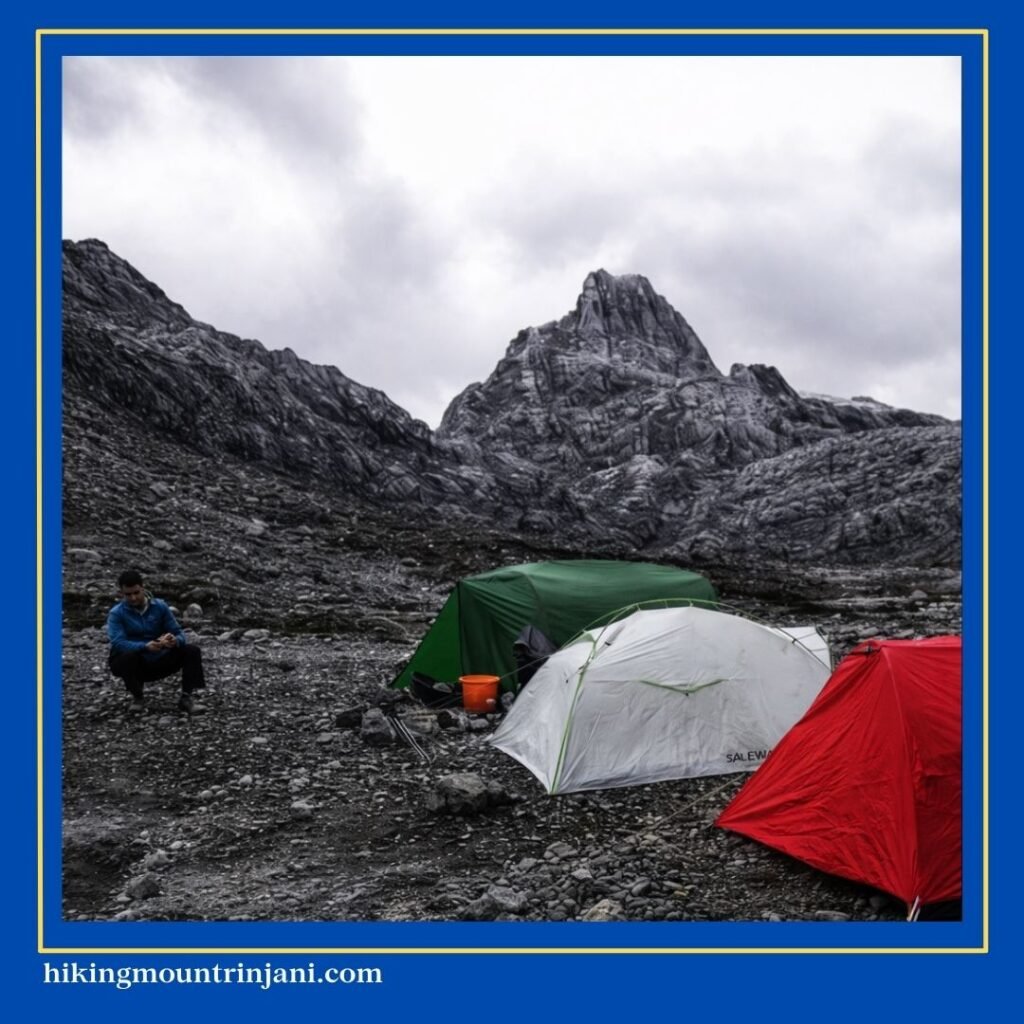
4,884 meters above sea level
Puncak Jaya, also known internationally as Carstensz Pyramid, is the highest mountain in Indonesia and one of the prestigious Seven Summits—the highest peaks on each continent. In terms of sheer status and challenge, it surpasses Mount Rinjani by a wide margin.
What makes Carstensz truly unique is not only its height, but its terrain and climate. Unlike Rinjani’s volcanic trails, reaching the summit of Puncak Jaya requires navigating steep limestone rock faces using ropes and technical climbing skills. This is not a standard trekking peak; it is a full alpine expedition.
Another remarkable feature is the presence of tropical glaciers, the only remaining ones in Indonesia. Snowfall still occurs near the summit, creating a surreal contrast with the equatorial latitude. Temperatures can drop well below average, and weather conditions change rapidly.
For experienced climbers looking for an extreme alternative to Mount Rinjani, Carstensz Pyramid represents the pinnacle of Indonesian mountaineering.
2. Alternative to Mount Rinjani “Mandala” – Papua
4,760 meters above sea level
Puncak Mandala is the second-highest mountain in Indonesia, yet it remains one of the least climbed. Located in eastern Papua near the Papua New Guinea border, this mountain is part of the eastern section of the Pegunungan Bintang range.
Often referred to by its historical name, Juliana Peak, Puncak Mandala was once covered by permanent glaciers. While these ice fields are shrinking due to global warming, their legacy still defines the mountain’s harsh alpine environment.
According to information referenced from Wanadri, expeditions to Puncak Mandala can be approached via two main routes:
- Bime Village (northwest approach)
- Mimin Village (eastern approach, following the Okstob River upstream)
The Mimin route alone requires approximately 23 operational days to complete. Twenty-three days. That duration alone places Puncak Mandala among the longest and most demanding trekking expeditions in Indonesia.
If this mountain were ever opened more broadly to the public, it could potentially rival—even surpass—Mount Leuser as the longest trekking route in Southeast Asia.
.
Read also: Is Mount Rinjani Closed Now? Take Note of the Reopening Date!
3. Mount Kerinci – Jambi, Sumatra
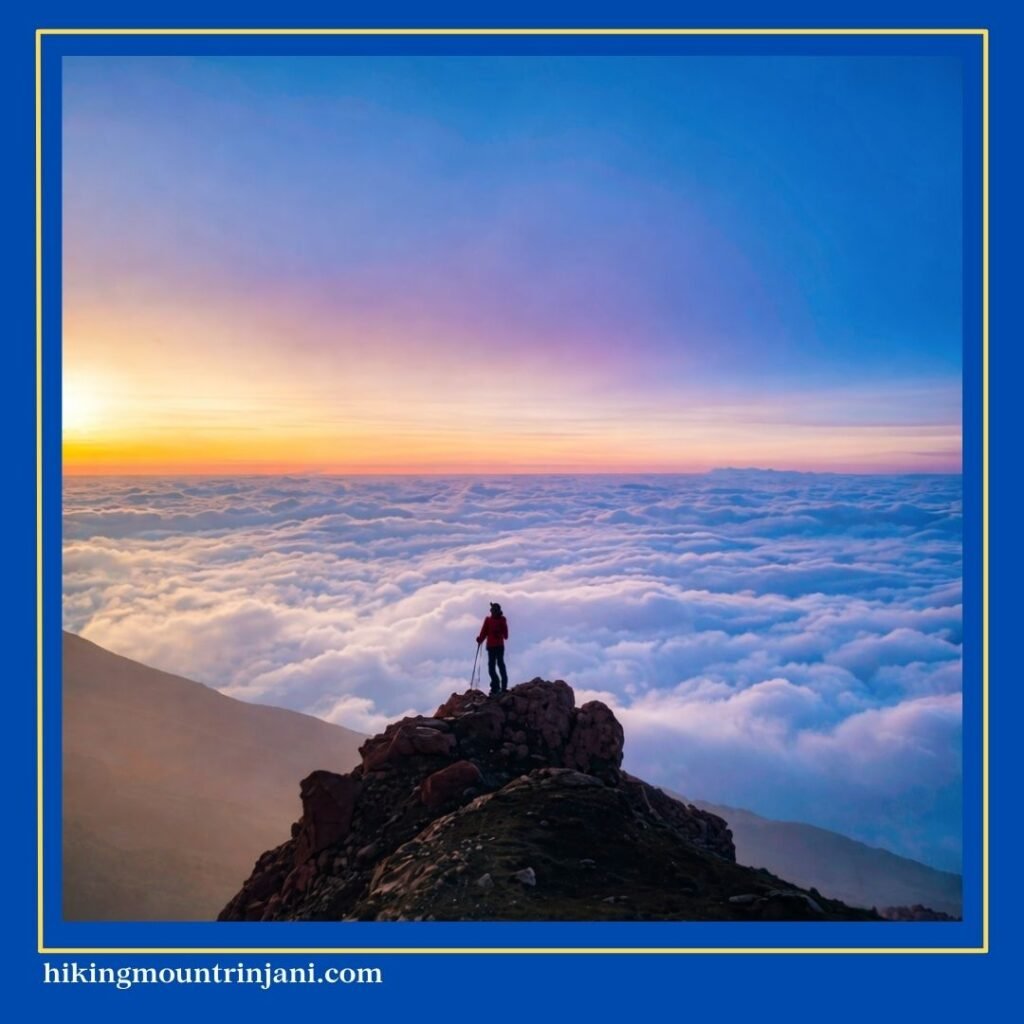
3,805 meters above sea level
Mount Kerinci is the highest volcano in Indonesia and the tallest peak in Sumatra. Situated within Kerinci Seblat National Park, this mountain offers a different but equally compelling experience compared to Mount Rinjani.
The trek to Kerinci’s summit passes through dense tropical rainforest, home to rare wildlife and rich biodiversity. The terrain gradually transitions into volcanic rock and exposed ridges as elevation increases.
One of Kerinci’s most memorable features is its sea of clouds phenomenon. On rare and fortunate mornings, hikers can witness an expansive ocean of mist stretching endlessly below the summit. When conditions are right, the view is breathtaking.
However, Kerinci demands respect. Thick fog can roll in suddenly, sometimes reducing visibility to less than one meter. This can make navigation challenging and potentially dangerous without proper guidance.
4. Trikora – Papua
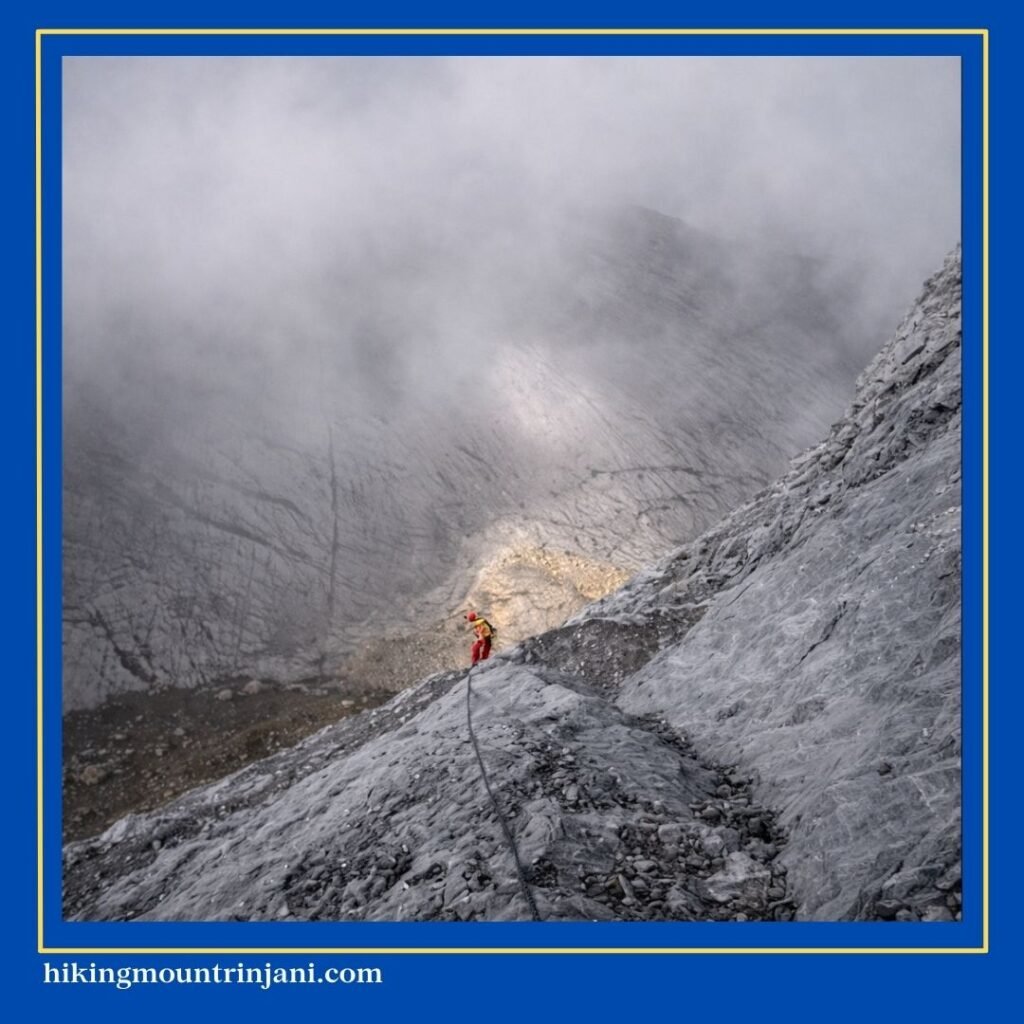
4,751 meters above sea level
Puncak Trikora, also known as Ettiakup, has long been regarded as one of the most physically demanding mountains in Indonesia. Located in the Jayawijaya range of Papua, it presents a unique challenge even compared to Carstensz Pyramid.
Although Carstensz is higher and more technical, Trikora’s trekking route is often considered steeper and more punishing. The terrain involves relentless ascents, rugged slopes, and unpredictable weather patterns.
For true adventure seekers, Trikora offers a raw and uncompromising experience. The mountain does not rely on fame or popularity—it tests endurance, mental strength, and logistical planning.
As an alternative to Mount Rinjani, Puncak Trikora is best suited for hikers who already have experience at high altitude and are looking to push their limits further.
5. Mount Semeru – East Java
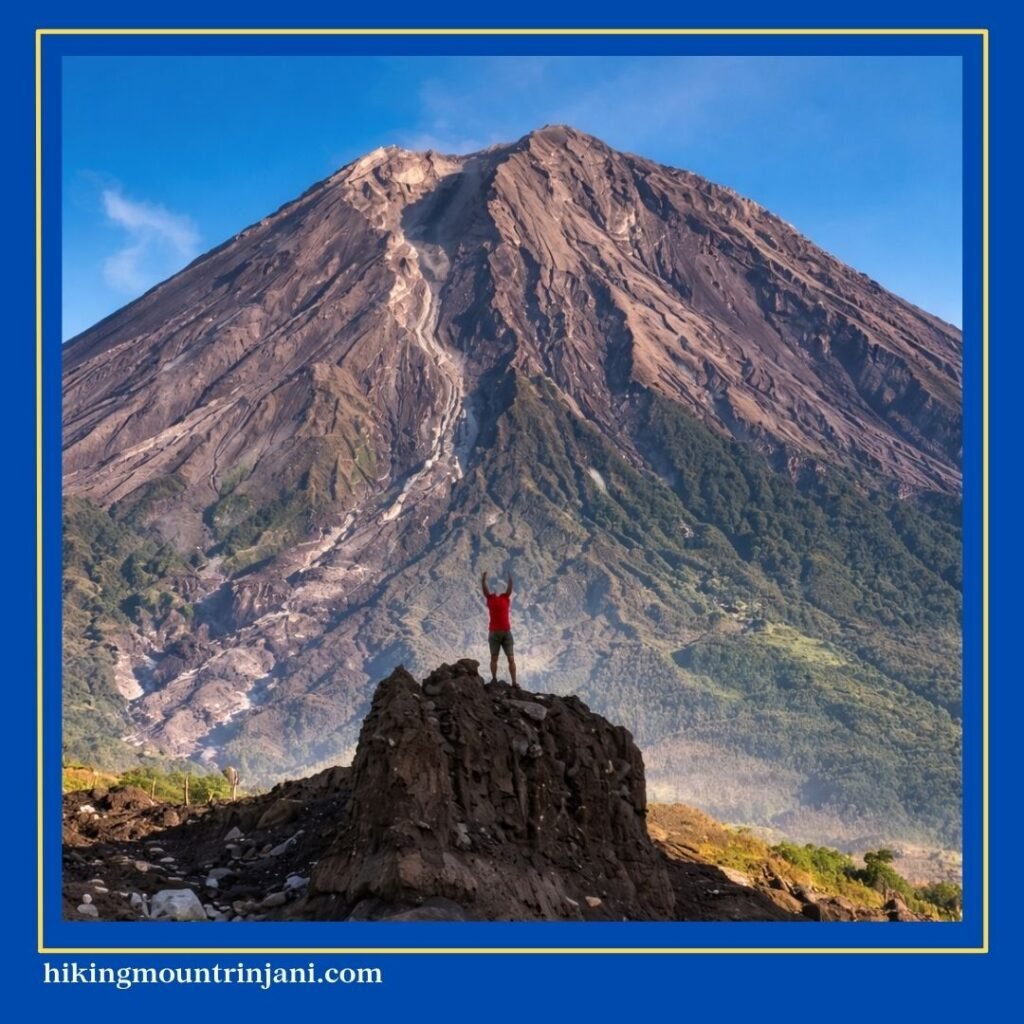
3,676 meters above sea level
Mount Semeru is the highest mountain on the island of Java and one of Indonesia’s most legendary peaks. Known for its sweeping savannas, dramatic crater views, and iconic sunrise moments, Semeru has long been a dream climb for many hikers.
Reaching the summit of Mahameru is an unforgettable experience. The final ascent is steep and sandy, demanding stamina and determination. The reward, however, is a panoramic view that stretches across Java’s volcanic landscape.
Unfortunately, Semeru’s summit is currently closed due to heightened volcanic activity. The mountain has entered an advanced eruption phase, making access to the peak unsafe for now.
For those who have already stood on Semeru’s slopes, the experience is something to cherish. For others, it serves as a reminder that volcanic mountains, like Rinjani—require periodic closures to ensure long-term safety.
.
Read also: What to Pack for Hiking Mount Rinjani? Clothing to Survival Gear
Need More Details on Alternatives to Mount Rinjani? Contact This Team
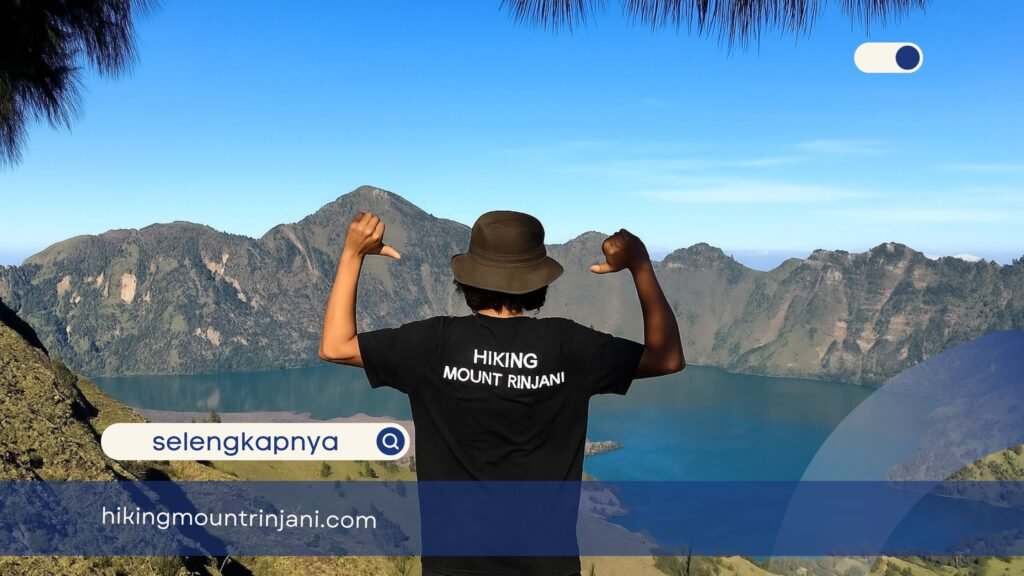
If you’re an international traveler feeling uncertain about where to hike next, hikingmountrinjani.com can be a valuable resource.
They are a trekking organizer specializing in Mount Rinjani and are highly experienced in assisting foreign hikers. Beyond Rinjani, their team can also provide reliable information and recommendations for alternative mountains across Indonesia.
If trekking services are available for other peaks, you may be able to arrange guides and porters through them as well. If not, they can still help you choose trekking services for international hikers, ensuring minimal language barriers.
And when Mount Rinjani officially reopens on April 1, 2026, you can confidently register for your Rinjani trek with them. With professional handling, local expertise, and a strong focus on safety, your journey will be not only secure, but truly enjoyable.
Because in the end, the best alternative to Mount Rinjani is not just another mountain. It’s a well-planned adventure that keeps your passion for hiking alive.
.