

Best Foods to Bring for Hiking – Planning food for a multi-day hike is one of the most underestimated parts of mountain preparation. Many hikers spend hours comparing backpacks, jackets, and trekking poles, yet decide their food at the last minute. This often leads to meals that are either too heavy, not nutritious enough, difficult to prepare at altitude, or simply unpleasant to eat after a long day of climbing.
When you are hiking mountains above 3,000 meters above sea level (MDPL), such as Mount Rinjani and similar high-altitude peaks, food becomes more than just fuel. It directly affects your energy level, recovery, sleep quality, digestion, and even your safety. At high elevation, your body burns more calories, your appetite may change, and cooking conditions become more challenging due to lower boiling points and colder temperatures.
That is why understanding the best foods to bring for hiking is not about choosing trendy trail snacks. It is about making practical decisions that balance nutrition, weight, durability, ease of preparation, and how your body reacts during intense physical activity over several days.
Before jumping into a specific food list, it is important to understand how hikers usually approach food planning. And why some choices work better than others in the mountains.
Types of Food to Bring for Hiking You Should Consider
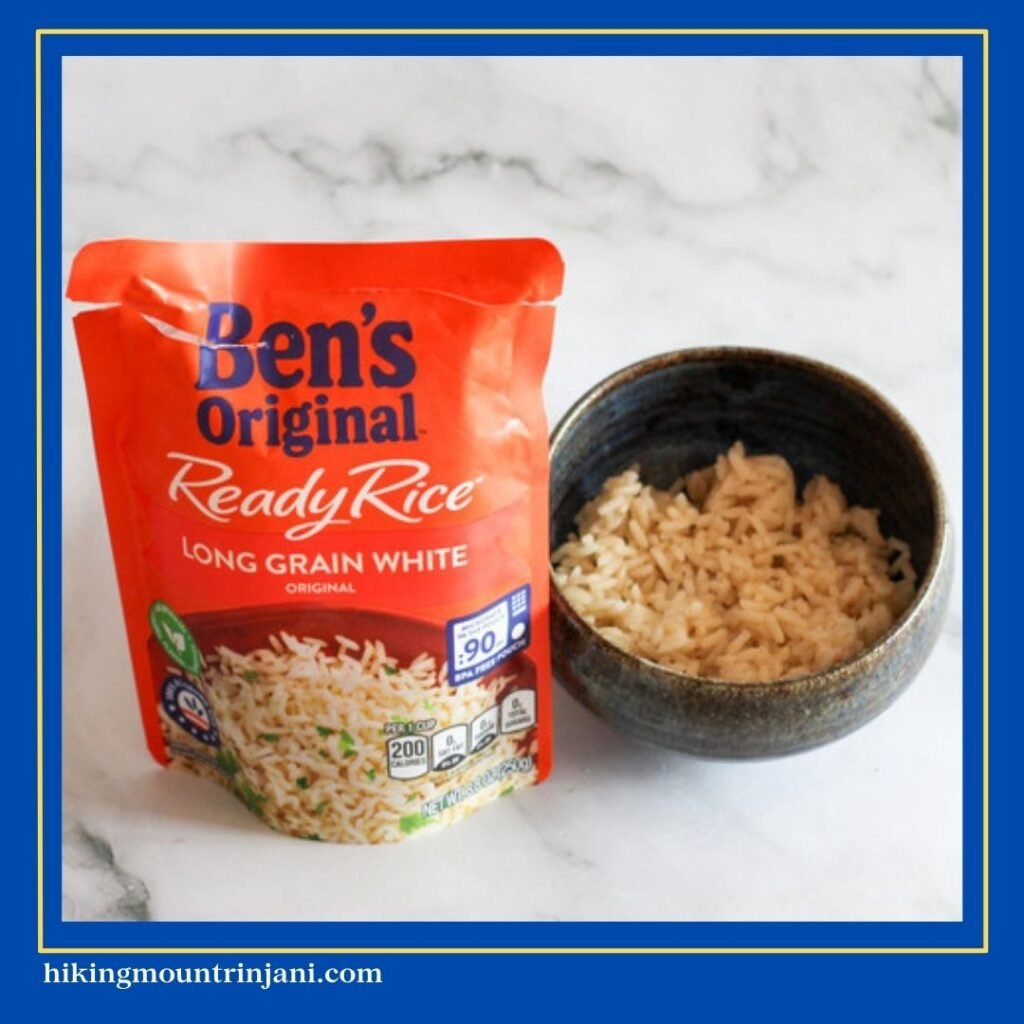
Food choices for hiking vary widely depending on the type of expedition, environment, and personal preference. Some hikers rely almost entirely on dry food and instant meals. Others insist on bringing fresh fruits and vegetables, accepting the extra weight because they taste better and help digestion. There are even hikers who carry fully cooked chicken or meat sealed in vacuum packs to ensure proper protein intake.
In hiking, food should be treated the same way as other essential gear. Just like your tent or sleeping bag, every food item should earn its place in your backpack. Several key factors must be considered before deciding what to bring:
- Calorie density: How much energy you get per gram
- Weight: The lighter, the better
- Durability: How well the food survives cold, moisture, and time
- Ease of preparation: Cooking time and fuel consumption
- Nutritional balance: Protein, carbohydrates, fats, fiber, and micronutrients
- Personal tolerance and preference
Take potatoes as an example. Potatoes are relatively lightweight, inexpensive, and calorie-dense. However, altitude lowers the boiling point of water, meaning potatoes take much longer to cook in the mountains. Longer cooking time requires more fuel. More fuel increases backpack weight. More cooking time also means less time for rest and sleep, both of which are extremely important during high-altitude hiking.
The more time you spend cooking, the less time you have to recover or continue hiking. This is why many experienced hikers prioritize foods that are quick to prepare, nutritionally balanced, affordable, lightweight, and still enjoyable to eat.
There is also another factor that is rarely discussed but very real: digestion. You do not want to deal with digestive issues while traversing steep ridges or exposed trails. Foods that may trigger stomach discomfort, bloating, or urgent bowel movements should be avoided. Comfort and predictability matter more in the mountains than variety.
With these considerations in mind, most hikers aim to build a food system that supports performance, recovery, and mental comfort without adding unnecessary stress.
.
Read also: What to Pack for Hiking Mount Rinjani? Clothing to Survival Gear
4 Best Foods to Bring for Hiking: Filling, and Easy to Pack
Below is a list of the best foods for hiking and how to plan your meals to avoid waste:
1. Bring Nutrient-Dense Foods
Eating instant noodles three times a day on a mountain might sound convenient, but it is not a sustainable strategy for multi-day hikes. High-altitude hiking demands proper nutrition to support muscle recovery, maintain energy levels, and prevent excessive fatigue.
Your food should contain a balance of protein, carbohydrates, fats, fiber, and micronutrients.
Good examples include:
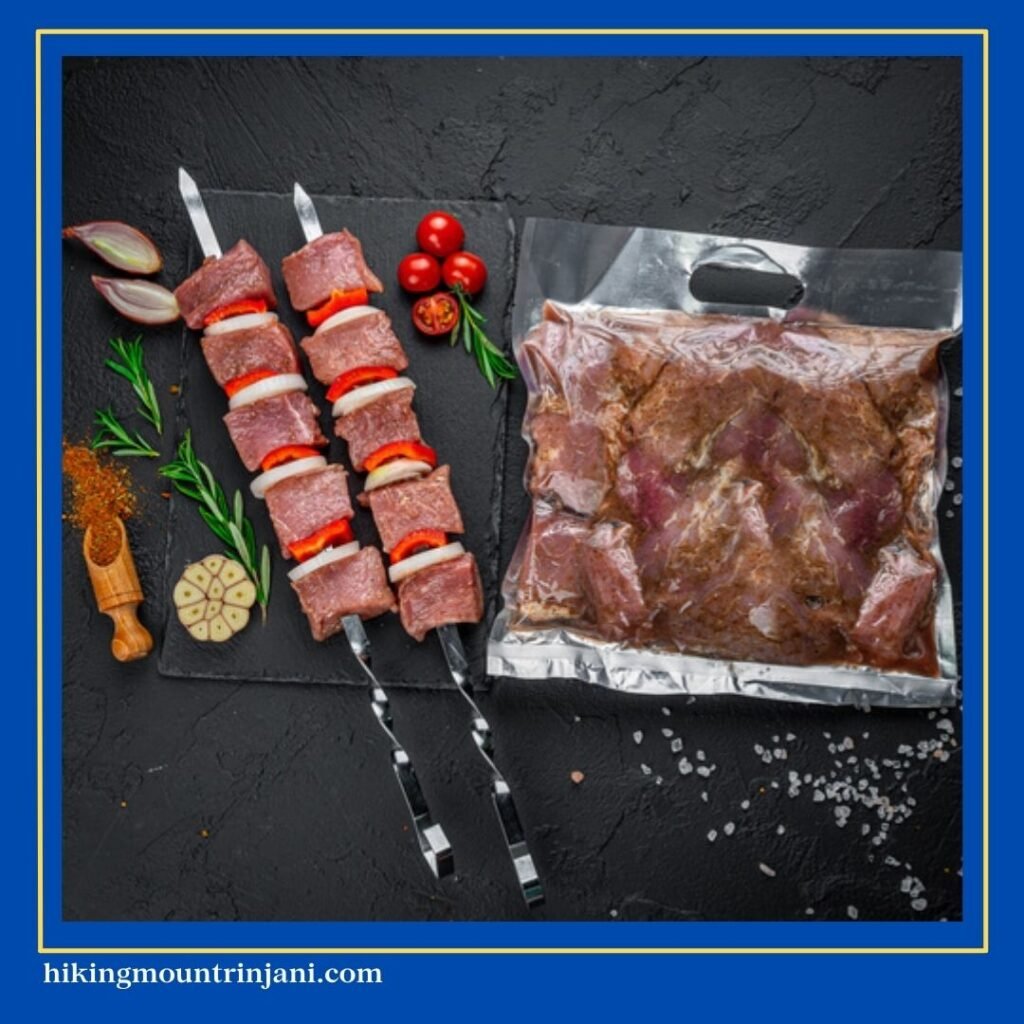
- Protein sources such as eggs, chicken, or meat that have been cooked in advance and vacuum-sealed
- Fresh fruits and vegetables for fiber, vitamins, and digestion support
Protein is especially important because it helps repair muscle tissue after long ascents and descents. For meat or chicken, it is best to bring them in a frozen state and store them with ice gel packs to extend freshness during the first days of the hike.
This approach adds a bit of weight, but the payoff is significant. Proper nutrition helps you feel stronger, recover faster overnight, and reduce the risk of feeling weak or dizzy at altitude.
If you plan carefully, nutrient-dense food does not have to be heavy or complicated.
2. Choose Durable and Fast-Preparation Foods
Avoid foods that spoil easily or have a very short shelf life. Weather conditions can change unexpectedly, and sometimes hikes take longer than planned. Your food must remain safe and edible even if delays occur.
Equally important is speed. In emergency situations or during extreme fatigue, you want food that can be eaten quickly without complex preparation.
Some reliable options include:
- Instant rice or instant grains
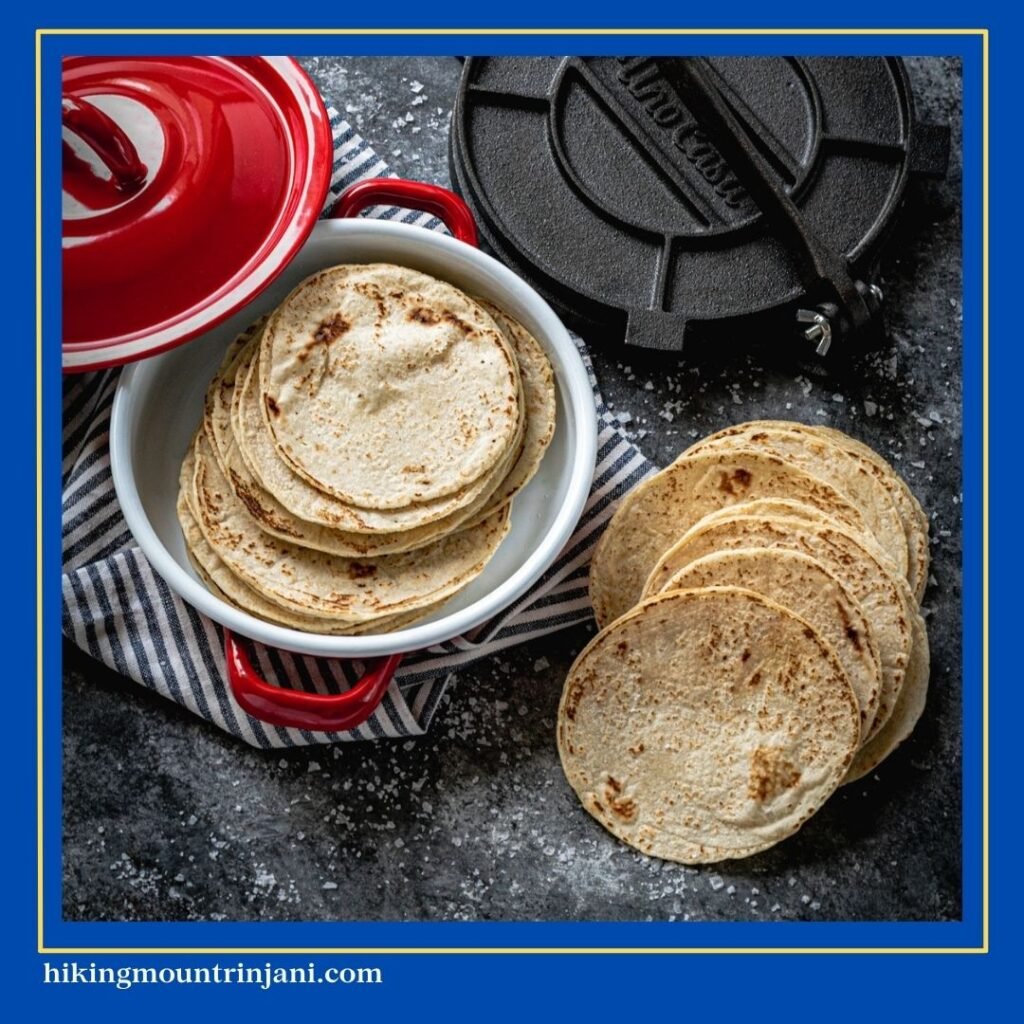
- Flatbread, tortillas, or compact bread
- Other dense carbohydrates that are easier to digest than heavy fats during intense physical activity
During demanding hikes, your body often processes carbohydrates more efficiently than heavy, greasy foods. Fast-prep meals reduce fuel usage, save time, and allow you to rest more—something your body desperately needs at altitude.
This is why the best foods to bring for hiking are not just filling, but also efficient.
3. Plan Food Distribution by Day
Food planning is not only about what you bring, but when you eat it. Fresh items such as fruits, vegetables, and protein should be consumed during the early days of the hike. These foods are more perishable but provide excellent nutrition when your pack is still heavy and your energy demand is high.
More durable foods, such as instant meals, dry carbohydrates, and preserved items—should be saved for later days when supplies are limited and conditions may be harsher. This strategy helps reduce food waste, improves digestion, and ensures that your nutrition remains balanced throughout the journey.
Good food distribution can make a noticeable difference in how your body feels from day one to summit day.
4. Keep Your Meals Balanced, Even with Instant Food
For beginners who are not used to cooking in the mountains, bringing instant food is completely acceptable. The key is balance.
Instant meals can provide calories and convenience, but relying on them exclusively may leave you feeling drained. Pair them with real food, such as protein, fruits, or vegetables—to support stamina and overall health.
A balanced diet helps regulate energy levels, supports immune function, and reduces recovery time between hiking days. Especially on multi-day hikes above 3,000 MDPL, consistency matters more than perfection.
.
Read also: How Good Is the Mount Rinjani Summit Trek? Here’s the Journey
If You’re Hiking Mount Rinjani, You Don’t Need to Pack Food
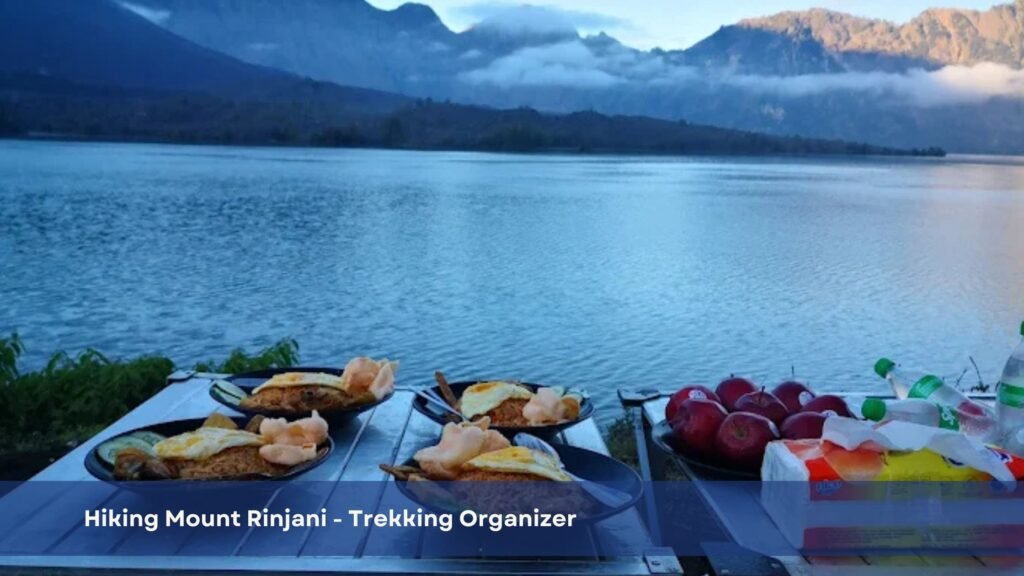
This may come as a surprise, but if you are hiking Mount Rinjani, you do not need to carry or plan your own meals.
Hiking Rinjani is regulated for safety reasons, and climbers are required to go with a licensed trekking company. These companies provide porters who carry camping equipment, cooking supplies, ingredients, and prepare all meals during the hike.
This means you can focus entirely on hiking and enjoying the experience. You only need to bring personal snacks or drinking water that can be consumed immediately without cooking.
Rinjani trekking packages are relatively affordable considering the service provided, and the experience is well worth it. If you have heard about Mount Rinjani in Indonesia, you already know it is one of the most iconic and breathtaking mountains in Southeast Asia.
To choose a trekking package that fits your travel dates, visit hikingmountrinjani.com.
Need quick advice? You can contact them directly via WhatsApp using the contact option available on their website. Or, click below!
.