

Is Mount Rinjani Harder Than Kilimanjaro – For many international hikers, Mount Kilimanjaro often becomes an entry point into high-altitude trekking. It is famous, accessible, and widely promoted as “the easiest of the Seven Summits,” a mountain you can climb without technical skills.
But after hearing stories about Mount Rinjani in Indonesia, a volcano known equally for its beauty and brutality—many hikers naturally ask: Is Mount Rinjani Harder Than Kilimanjaro?
The question matters. Rinjani attracts curious trekkers who expect a tropical climb, only to be surprised by steep slopes, loose volcanic gravel, bone-chilling wind, and relentless elevation gain. On the other hand, Kilimanjaro, although higher, is often portrayed as achievable for almost anyone with patience and a good guide.
Before we jump into conclusions, let’s ground ourselves in real-world experiences. Hikers from around the globe have shared their honest impressions about both mountains—what felt easy, what felt punishing, and what ultimately shaped their journey. By comparing these firsthand accounts, you’ll understand the true nature of each mountain and better prepare for your next adventure.
Is Mount Rinjani Harder Than Kilimanjaro? The Answer Isn’t What Most People Expect
Many hikers assume that Kilimanjaro must be harder simply because it is nearly 6,000 meters, while Rinjani is “only” 3,726 meters. But altitude is only one part of the equation. Terrain, pacing, weather, and mental preparation shape difficulty in ways that elevation alone cannot measure.
Below, we break down the difference based on the most common themes from real trekkers and guides.
Hiker Experience on Kilimanjaro
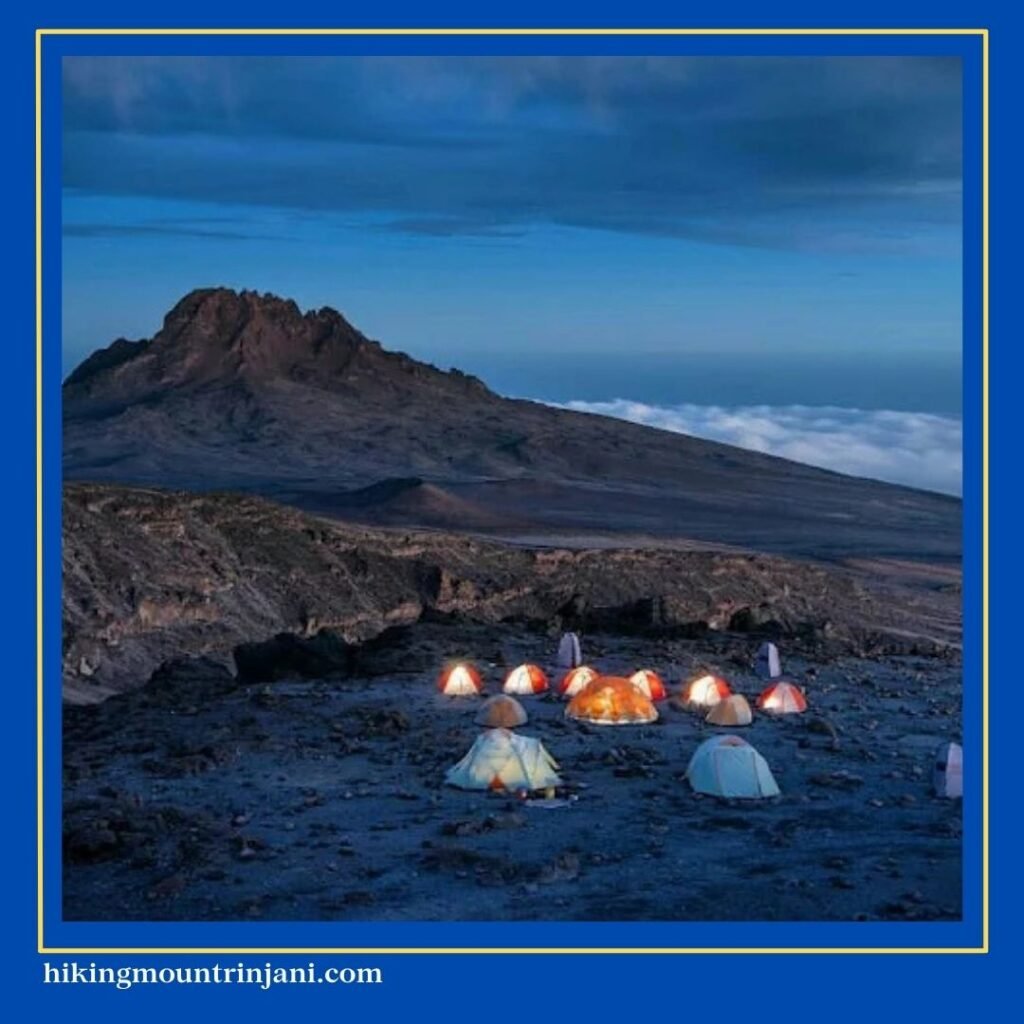
Kilimanjaro is often described as a high-altitude trek disguised as a guided expedition, not a remote wilderness hike. Here are key points echoed by many climbers:
1. Not a Wild Trek — A Highly Supported Expedition
Kilimanjaro is not a wilderness survival challenge. Instead, it is a highly structured hike:
- You trek with certified guides and porters.
- Campsites are organized.
- Meals, tents, and logistics are fully managed.
- You walk at an intentionally slow pace (“pole, pole” in Swahili).
Many hikers say that almost everyone on the mountain reaches the summit, including people who were not particularly fit. One climber mentioned that even his wife—who rarely exercises—reached Uhuru Peak, though she needed help descending. That tells us something: the support system is powerful.
2. Slow Pacing Is the Secret Weapon
Guides repeatedly emphasize:
- Walk slowly
- Drink 3–5 liters per day
- Use Diamox if necessary
The slow acclimatization allows your body to adjust. Combined with a 6- or 7-day route like Machame, summit success rates often reach 100% for guided groups.
3. The Real Challenge Is the Summit Push
Trekkers agree on one thing: The final ascent to Uhuru Peak is the most demanding part.
- Loose scree
- Long switchbacks
- Cold temperatures
- Thin air
It is mentally and physically draining, but still doable for most people who acclimatize well.
4. No Technical Skills Required
Kilimanjaro stands out because it is the highest mountain in the world you can summit without mountaineering skills. Many hikers even say the experience is 60% mental and 40% physical.
.
Read Also: Mount Rinjani Tips for Safely Crossing the ‘Letter E’ Section
Hiker Experience on Mount Rinjani
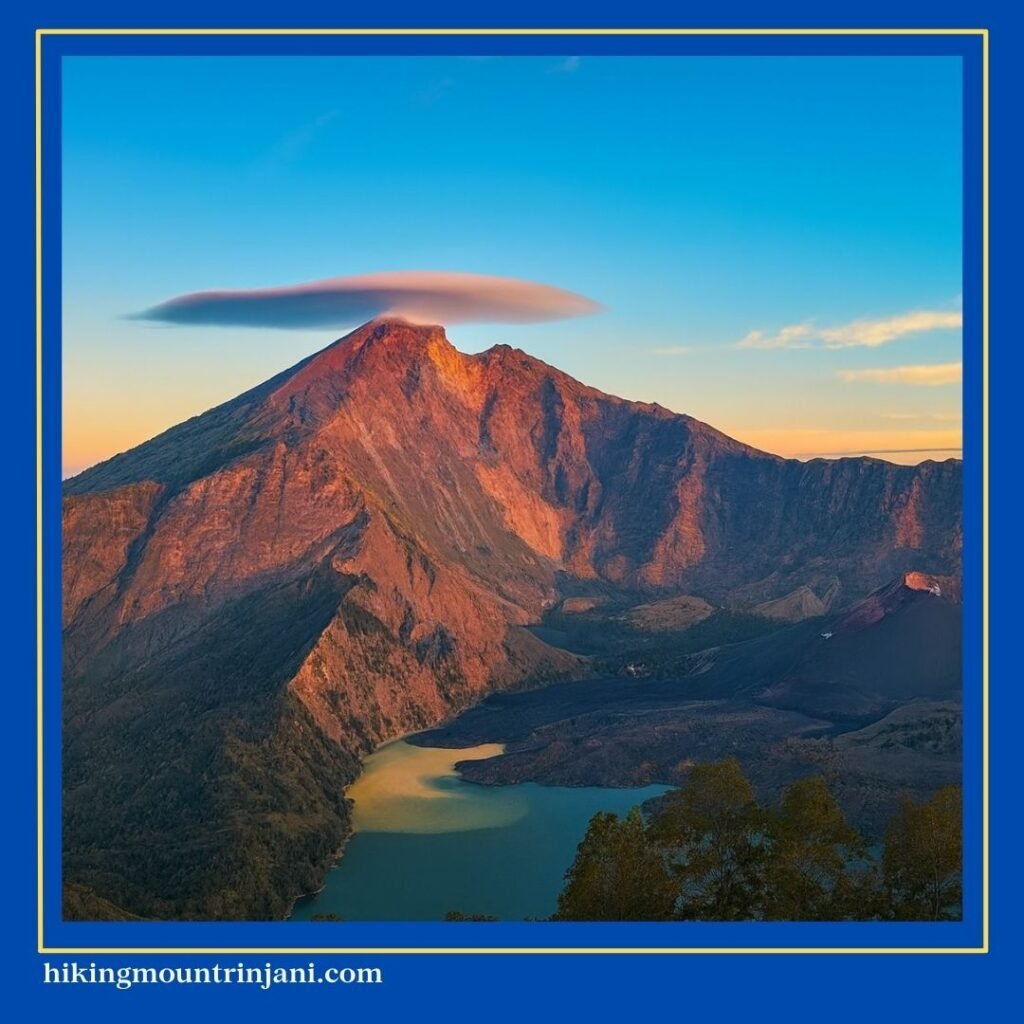
Mount Rinjani, on the other hand, has a very different reputation. Hikers consistently describe the trek as:
- Steep
- Slippery
- Physically punishing
- Wild and minimally developed
- One of the hardest hikes they’ve ever done
Here is what hikers repeatedly mention.
1. “Not for beginners.”
Many trekkers warn that Rinjani is not your first mountain. You need:
- Strong legs
- Good balance
- Decent cardio
- Previous trekking experience
- Even those who are fit say it pushed them to their limits.
2. Loose Volcanic Gravel Everywhere
Rinjani’s signature terrain is shifting volcanic sand. Rinjani’s terrain is dominated by loose volcanic sand that shifts with every step. Instead of feeling solid ground beneath your boots, the surface constantly moves, making each stride slightly unstable. As the slope gets steeper, the sand becomes even more slippery, forcing hikers to lean forward, stabilize themselves, and sometimes even use their hands to stay balanced.
This continuous instability demands far more energy than the firmer, more predictable trails found on mountains like Kilimanjaro.
3. Extremely Cold at the Summit
Although Rinjani is a tropical volcano, temperatures at the top can be freezing. Many hikers regretted not bringing:
- Thicker jackets
- Gloves
- Extra thermal layers
This cold, combined with the wind exposure on narrow ridgelines, shocks many climbers who expect a warm Indonesian hike.
4. The Physical and Mental Toll
Trekkers who completed the 2-day/1-night route often describe the night summit push as: exhausting, mentally draining, and the hardest part of the entire climb. One hiker said that despite the difficulty, the sunrise at the top made everything worth it.
So, Which One Is Harder? Kilimanjaro or Rinjani?
After compiling real experiences, the answer becomes clear: Mount Rinjani is physically harder, while Kilimanjaro is mentally and altitude-challenging. Here’s how the comparison breaks down:
| Aspect | Kilimanjaro | Rinjani |
| Altitude | Much higher (5,895 m) | Lower (3,726 m) |
| Terrain | Stable trails | Steep, loose volcanic gravel |
| Guidance & Support | Fully supported teams | Less infrastructure, wilder |
| Technical Difficulty | None | None, but raw and punishing |
| Accessibility for Beginners | Many beginners summit | Not recommended for beginners |
| Weather Challenge | Very cold on summit night | Cold and windy at the top |
| Mental Challenge | Long altitude exposure | Non-stop physical push |
In simple terms:
- Kilimanjaro challenges your lungs.
- Rinjani challenges your legs.
- Kilimanjaro is long.
- Rinjani is brutal.
While Kilimanjaro’s altitude cannot be underestimated, its structured trekking environment makes it achievable for a wide range of hikers. Meanwhile, Rinjani delivers raw, demanding terrain that exhausts even experienced hikers—especially during the summit attack on loose volcanic sand.
That is why many hikers claim: “Kilimanjaro was achievable. Rinjani was painful but unforgettable.”
.
Read Also: Is Mount Rinjani Harder Than Kinabalu? 5 Points That Matter Most
How to Prepare for Rinjani If You’ve Already Climbed Kilimanjaro
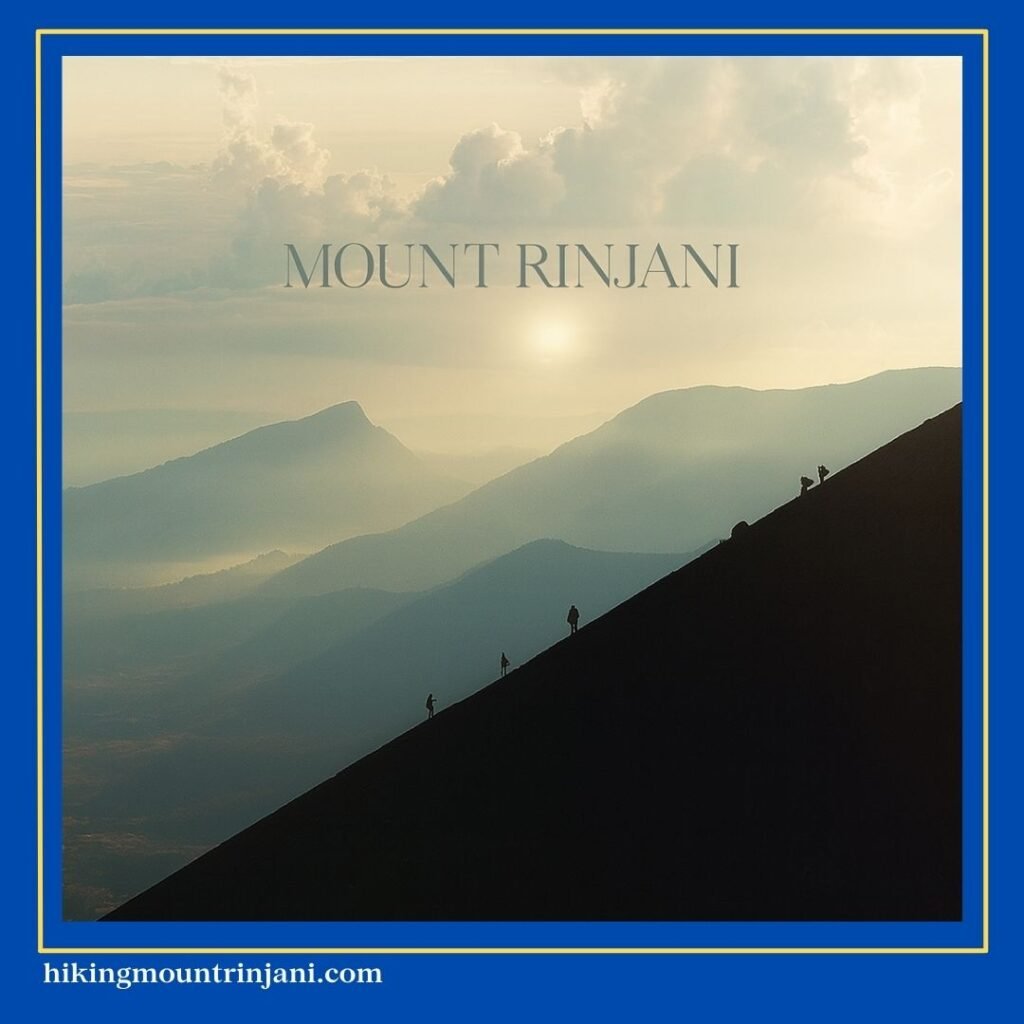
If you’ve conquered Kilimanjaro, you already know how to push your body and manage your mental state. But Rinjani requires different strengths. Here’s how to prepare effectively:
- Train your legs with stair climbing or hill repeats.
- Strengthen your quads, glutes, and core.
- Practice hiking on sand or loose gravel if possible.
- Bring proper cold-weather gear (don’t underestimate the summit temperature).
- Expect raw terrain and fewer established facilities.
You are not battling altitude sickness here. You are battling gravity, instability, and steep gradients.
.
Read Also: 7 Best Mount Rinjani Summit Views You Rarely Hear About
Your Rinjani Trek Shouldn’t Be a Guessing Game, Climb Safely with Hiking Mount Rinjani!
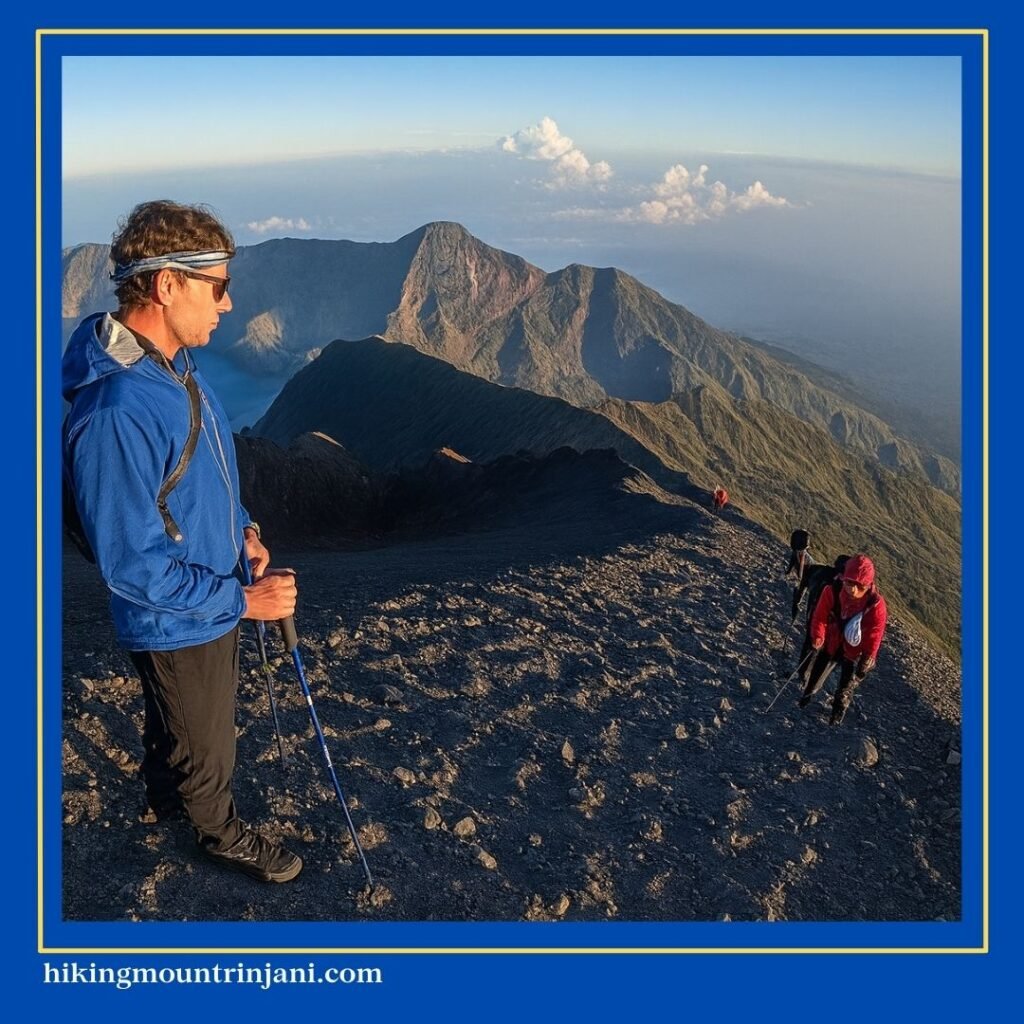
According to the current regulations, Rinjani requires a minimum of two hikers, accompanied by official guides and porters. This rule exists for your safety. Rinjani is a true wilderness trek, and almost everyone, especially international hikers—says it is one of the hardest climbs they have ever done.
That is precisely why choosing the right trekking organizer matters.
With Hiking Mount Rinjani, you don’t have to worry about logistics, safety, or planning from overseas. Our team helps you register, prepare, and organize every essential detail before you even purchase your flight tickets.
When you trek with us, everything is arranged:
- Group equipment
- Sleeping mats
- Local transportation upon arrival in Lombok
- Pre-trek accommodation
- Meals throughout the trek
- Entry permits and insurance
You only need to arrive with a ready body—we handle the rest. If you want to climb Rinjani but don’t know where to begin, contact our team via WhatsApp or visit our full profile at hikingmountrinjani.com.
.