

Is Mount Rinjani Closed Now – Mount Rinjani has long been one of Southeast Asia’s most iconic trekking destinations. Rising dramatically on Lombok Island, Indonesia, this active volcano attracts hikers from all over the world with its breathtaking crater lake, sweeping savanna landscapes, and challenging multi-day routes.
So when many international travelers suddenly hear the news that Mount Rinjani is closed, confusion and disappointment are completely understandable. Especially if you have already planned your trip, booked flights, or started training for the hike.
This article is written specifically for you: travelers who are excited about Mount Rinjani but have just discovered that the mountain is temporarily closed. Below, you’ll find clear, up-to-date information, explained in a calm and structured way, so you can adjust your plans with confidence rather than frustration.
Is Mount Rinjani Closed Now?
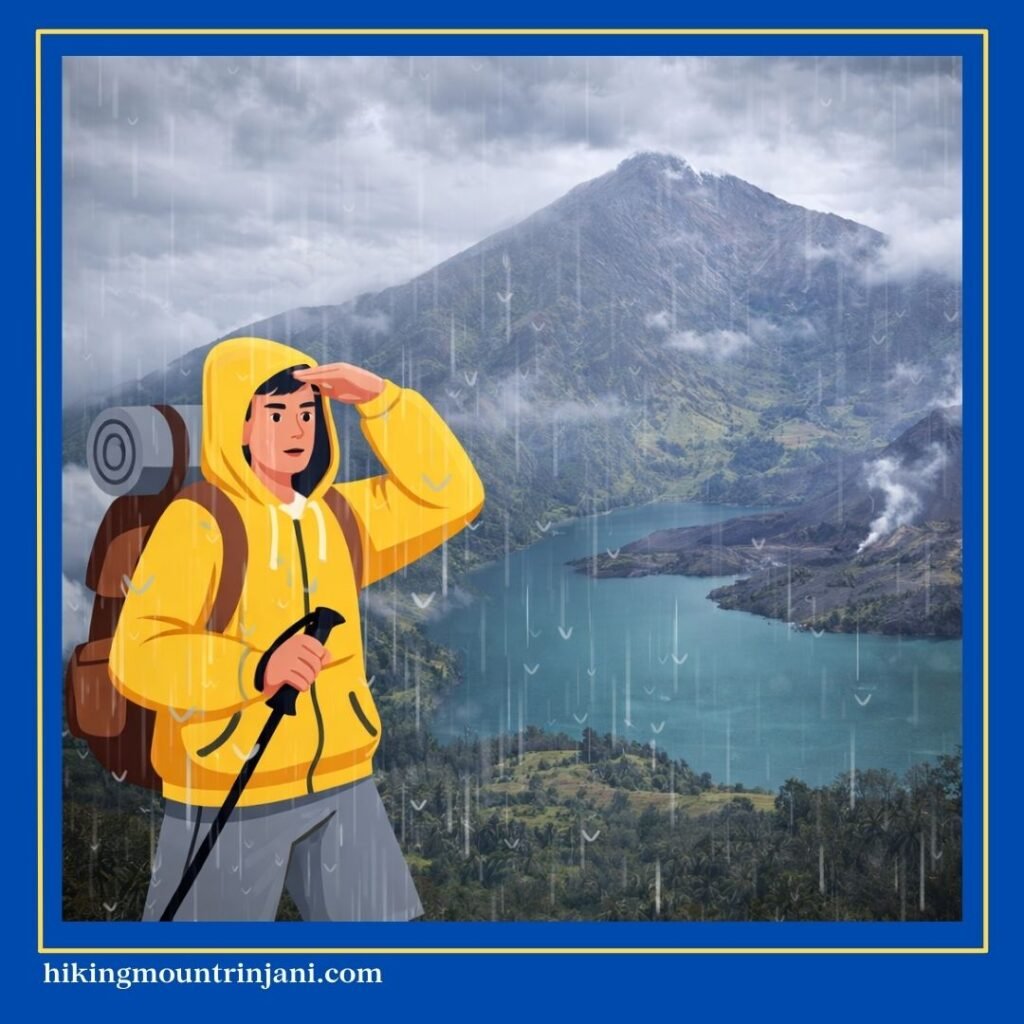
Yes, Mount Rinjani is currently closed for all hiking routes.
The closure has been officially announced by Balai Taman Nasional Gunung Rinjani (Mount Rinjani National Park Authority). As part of disaster risk mitigation and ecosystem recovery efforts, all trekking and hiking activities are temporarily suspended.
This closure started on January 1, 2026, and applies to all official hiking routes without exception. If you were planning to hike around the end of the year, these dates are especially important:
- Last e-Rinjani ticket booking: December 28, 2025 at 23:59 WITA
- Last check-in for hikers: December 31, 2025
- Last check-out from the mountain: January 3, 2026
After these dates, no hikers are allowed to enter Mount Rinjani National Park for trekking purposes.
Why Is Mount Rinjani Closed?
The decision to close Mount Rinjani is not arbitrary, and it is not meant to discourage tourism. Instead, it serves two critical purposes:
1. Visitor Safety
Indonesia experiences extreme weather patterns during the rainy season and seasonal transitions. Heavy rainfall, strong winds, landslides, and sudden temperature changes significantly increase the risk of accidents on high-altitude trails like Rinjani.
Closing the mountain during this period helps prevent:
- Slippery and unstable trails
- Landslides and falling rocks
- Flash floods in valleys and river crossings
- Hypothermia and weather-related emergencies
2. Ecosystem Recovery
Mount Rinjani is a protected national park with fragile alpine ecosystems. Continuous foot traffic from thousands of hikers every year places pressure on:
- Vegetation along trekking routes
- Soil stability on steep slopes
- Wildlife habitats
The temporary closure allows nature to rest, regenerate, and recover, ensuring that Rinjani remains beautiful and sustainable for future generations of hikers.
If you have just discovered that Mount Rinjani is closed and feel disappointed, you are certainly not alone. While this situation can be frustrating, the most practical decision is to reschedule your hike rather than abandon it entirely.
This pause can actually work in your favor. You now have time to adjust your travel dates without rushing, strengthen your physical preparation, and better understand the demands of Mount Rinjani.
It is also an ideal moment to carefully choose a reliable trekking organizer. Taking the time to compare services, safety standards, and experience with international hikers can greatly improve the overall quality of your climb.
Mount Rinjani is not going anywhere. When it reopens under safer and more stable conditions, your experience will likely be more enjoyable, more secure. And ultimately more memorable than if the climb were forced during a risky season.
.
Read also: 4 Best Foods to Bring for Hiking : Filling, and Easy to Pack
Take Note! Mount Rinjani Is Reopening on This Date
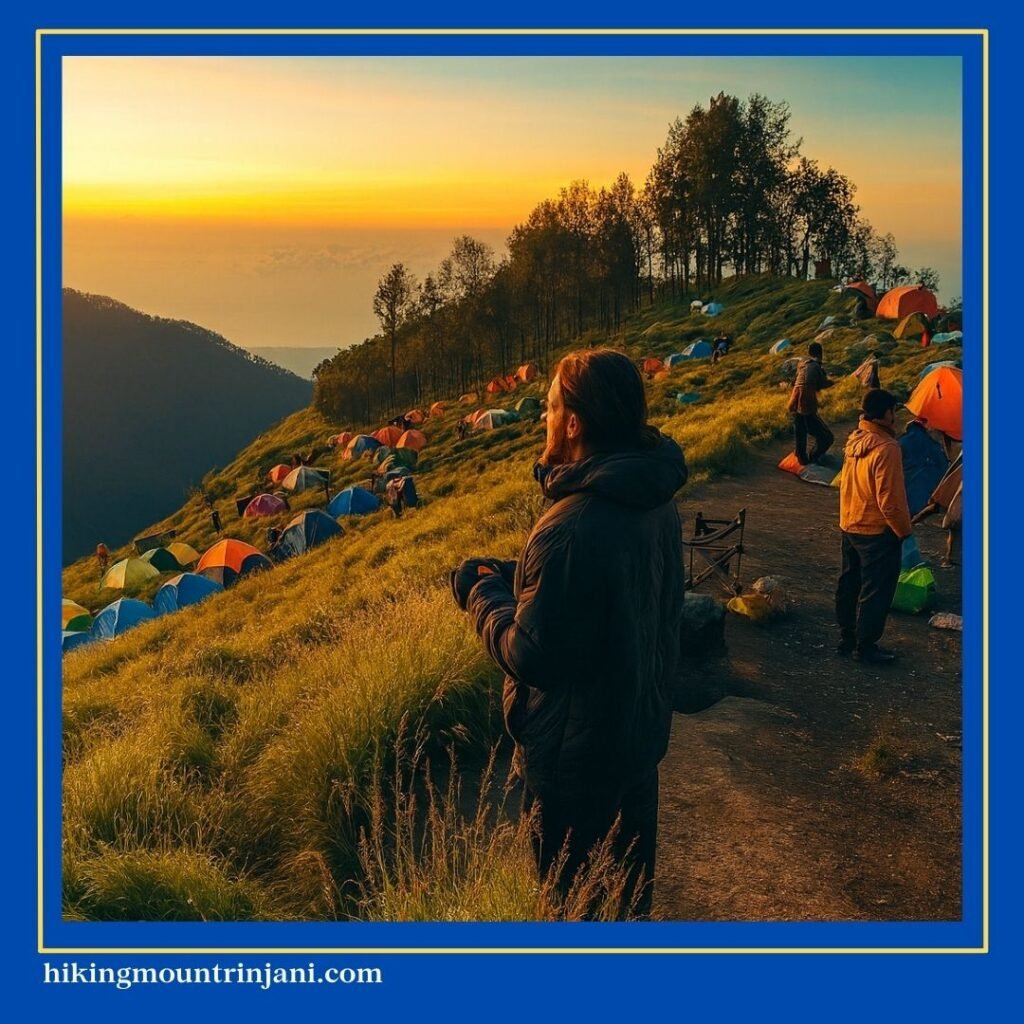
The official closure period runs from January 1, 2026 to March 31, 2026.
👉 This means April 1, 2026 is scheduled to be the first day Mount Rinjani reopens for hiking activities.
However, it is important to understand that this date may change, depending on:
- Weather conditions
- Environmental assessments
- Updated safety policies from the national park authority
To avoid misinformation, it is important to rely only on official sources for updates regarding Mount Rinjani. Make it a habit to monitor the website where you are reading this article, as well as the official social media channels managed by the Mount Rinjani National Park Authority: @btn_gn_rinjani
Staying informed is especially crucial if you are booking international flights or trekking packages several months in advance, as policies and conditions may change depending on weather and safety assessments.
Official Hiking Routes on Mount Rinjani
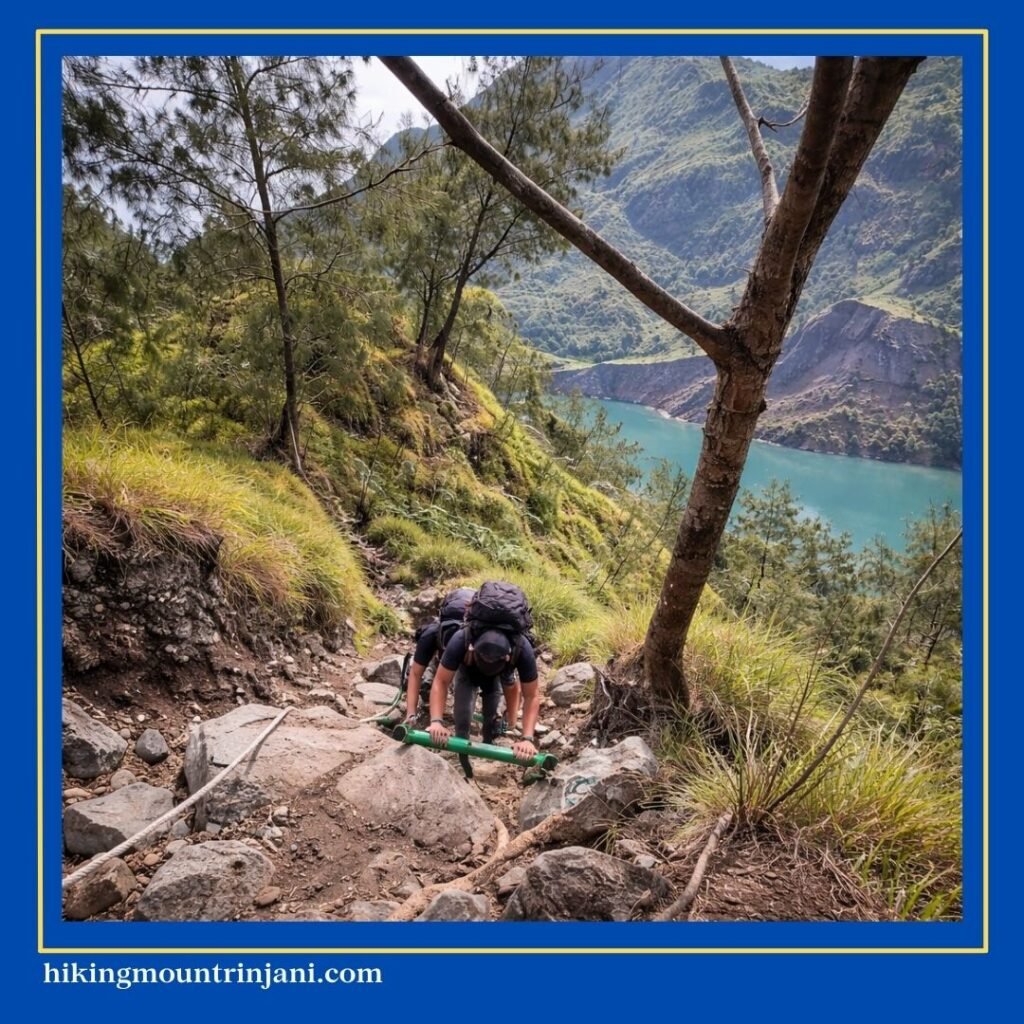
Once Mount Rinjani reopens, hikers will have access to several officially designated routes, each offering a distinct experience and level of challenge.
- The Senaru Route: is well known for its dramatic crater views and proximity to traditional villages, making it a favorite for those who enjoy cultural elements alongside natural scenery.
- The Torean Route: attracts hikers seeking rivers, waterfalls, and rugged landscapes, while the Sembalun Route remains the most popular option for summit attempts, featuring wide savanna and gradual initial terrain.
- For those looking for a quieter journey, the Timbanuh Route offers a less crowded alternative, while Tetebatu is appreciated for its lush, scenic environment and calmer pace.
- The Aik Berik Route: one of the newer routes, appeals to adventurous hikers eager to explore a different side of Mount Rinjani.
During the closure period, this is the ideal time to research these routes in detail and determine which one best matches your experience level, physical fitness, and expectations.
.
Read also: Is Mount Rinjani Harder Than Kilimanjaro? Here’s the Real Truth
Hiking Mount Rinjani Requires a Licensed Trekking Organizer
For international hikers, climbing Mount Rinjani must be arranged through a licensed trekking organizer. Solo trekking is strictly prohibited due to national park regulations and safety concerns.
In fact, all hikers, both foreign and local, are required to register through the official e-Rinjani system and join a team that includes: Certified mountain guides, licensed porters, and approved trekking operators.
So, if you plan to visit Lombok, Indonesia, and have not yet chosen a trekking organizer, we recommend:
Why this organizer stands out:
- Competitive and affordable pricing
- Strong experience assisting international hikers
- English-speaking guides to avoid language barriers
- Clear communication before and during the trip
From the moment you arrive at Lombok International Airport, their team will take care of everything. You will be picked up directly and transferred to comfortable accommodation, giving you enough time to rest and recover before the hike begins.
All essential logistics are prepared in advance, including quality camping tents, nutritious meals, trekking equipment support, as well as professional guides and porters who are familiar with Mount Rinjani’s terrain.
You don’t need to worry about technical details, simply bring yourself and your personal essentials. If you have questions, concerns, or special requests, their team is open to consultation and will do their best to ensure your Mount Rinjani experience is safe, enjoyable, and truly memorable.
.