
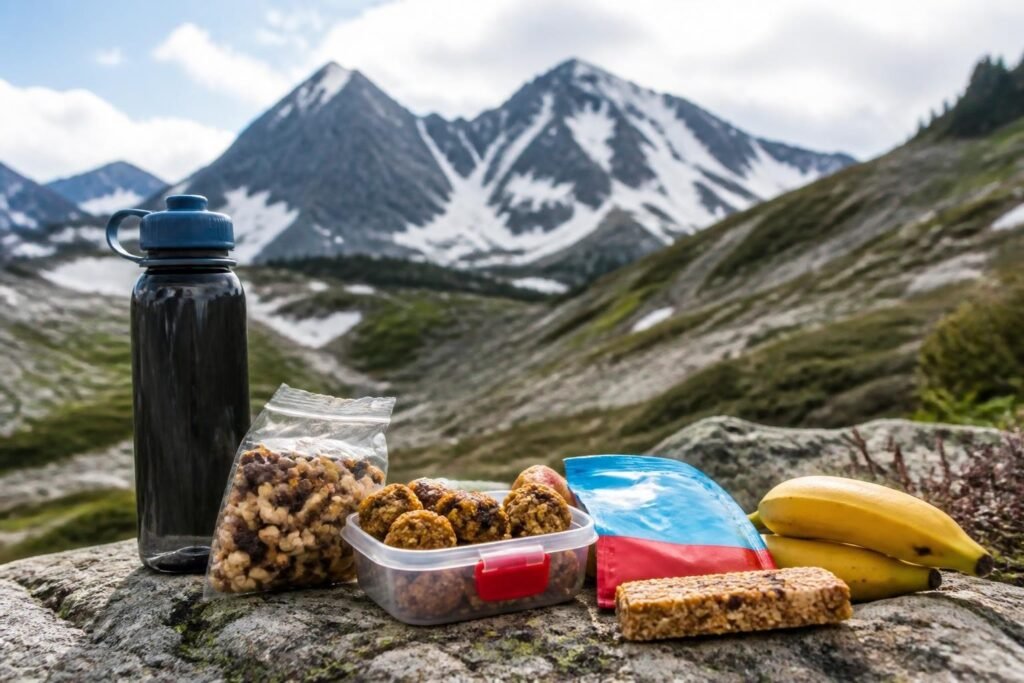
Choosing the right food to take hiking can make the difference between an energizing adventure and a struggle against fatigue. When preparing for challenging treks like those offered through Mount Rinjani trekking packages, understanding proper nutrition becomes essential for maintaining energy levels, supporting muscle function, and ensuring you complete your journey safely. This comprehensive guide examines the optimal foods for hiking, nutritional strategies for different trek lengths, and practical packing tips to help you fuel your mountain adventures effectively.
Understanding Hiking Nutrition Requirements
The physical demands of hiking create unique nutritional needs that differ significantly from everyday dietary requirements. Your body burns substantially more calories during mountain trekking, with estimates ranging from 400 to 600 calories per hour depending on terrain difficulty, pack weight, and individual metabolism.
Macronutrient balance becomes critical for sustained performance:
- Carbohydrates provide quick energy for immediate needs
- Proteins support muscle repair and recovery
- Fats deliver concentrated calories for long-term fuel
- Electrolytes maintain hydration and prevent cramping
The altitude factor also influences nutrition planning. As you ascend mountains, your body requires additional calories to maintain core temperature and compensate for increased respiratory effort. Planning food to take hiking for high-altitude treks demands extra attention to calorie density and digestibility.
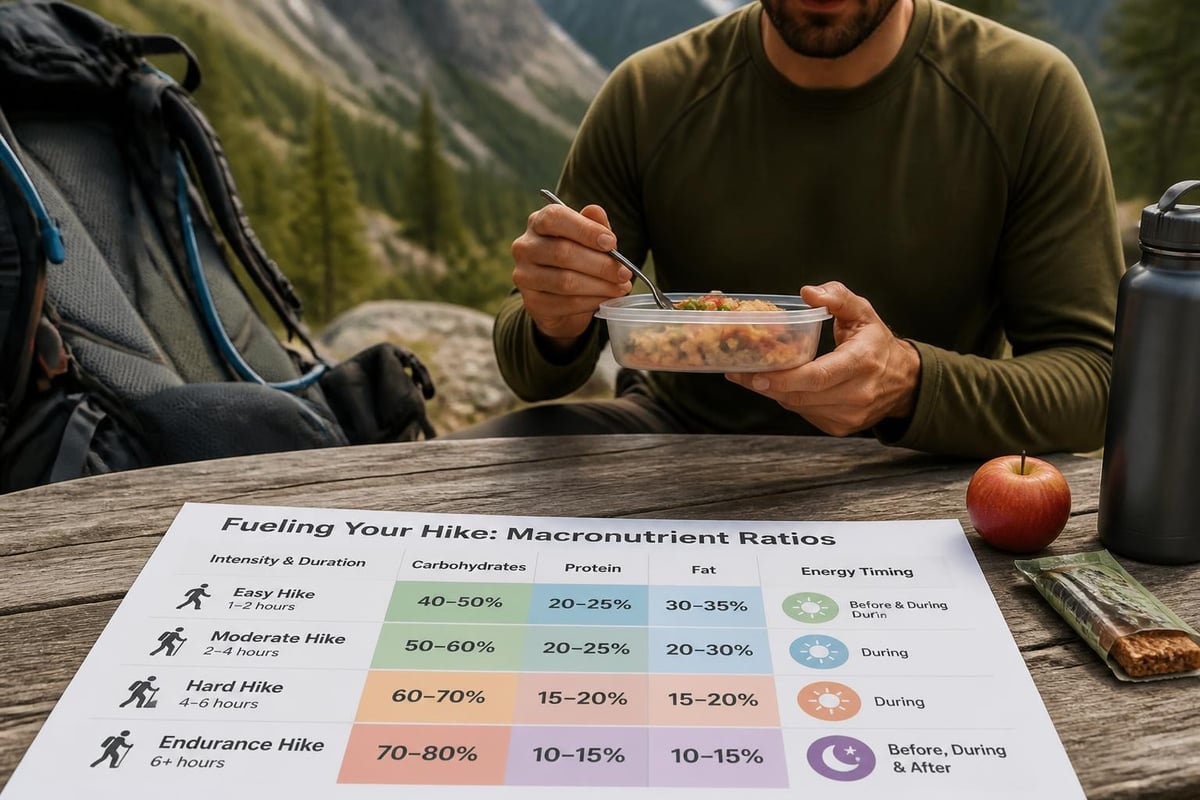
Calorie Calculations for Different Trek Lengths
| Trek Duration | Estimated Calories Needed | Food Weight per Day |
|---|---|---|
| Day Hike (4-6 hours) | 1,500-2,500 calories | 1-1.5 lbs |
| Overnight (2D1N) | 3,000-4,000 calories | 1.5-2 lbs |
| Multi-day (3-4 days) | 3,500-5,000 calories/day | 2-2.5 lbs |
When planning your Rinjani adventure, consider that longer treks require strategic food selection to balance nutrition with pack weight. Each pound of food translates directly to carrying weight, making nutrient density a priority consideration.
Best Snacks and Quick Energy Foods
Quick-energy snacks serve as the foundation of hiking nutrition, providing readily accessible fuel throughout your journey. These foods should offer rapid carbohydrate absorption while being lightweight, non-perishable, and easy to consume without stopping.
Trail mix remains the classic choice for food to take hiking, combining nuts, dried fruits, and sometimes chocolate or seeds for a balanced energy profile. Create custom blends matching your taste preferences and nutritional needs. A standard ratio includes 40% nuts, 40% dried fruit, and 20% extras like dark chocolate chips or coconut flakes.
Energy bars deserve careful selection based on ingredient quality and macronutrient composition. Look for bars containing:
- Whole food ingredients rather than processed additives
- At least 10 grams of protein per serving
- Natural sugars from dates or honey
- Minimal artificial sweeteners or preservatives
Top Energy Snack Options
Nut butters packaged in single-serve pouches deliver concentrated calories and healthy fats without requiring refrigeration. Almond butter, peanut butter, and cashew butter each provide approximately 180-200 calories per ounce, making them excellent choices for sustained energy.
Dried fruits offer natural sugars for quick energy plus essential minerals. Dates, apricots, mangoes, and bananas dry particularly well and maintain nutritional value. Consider the importance of choosing foods with optimal energy density for your specific trek requirements.
Jerky and meat sticks provide high-quality protein in shelf-stable formats. Beef, turkey, and salmon jerky options deliver 7-10 grams of protein per ounce while adding savory variety to predominantly sweet trail snacks.
Fresh fruit works well for shorter day hikes but adds significant weight for overnight trips. Apples, oranges, and bananas offer hydration along with nutrients, though they require careful packing to prevent bruising.
Meal Planning for Multi-Day Treks
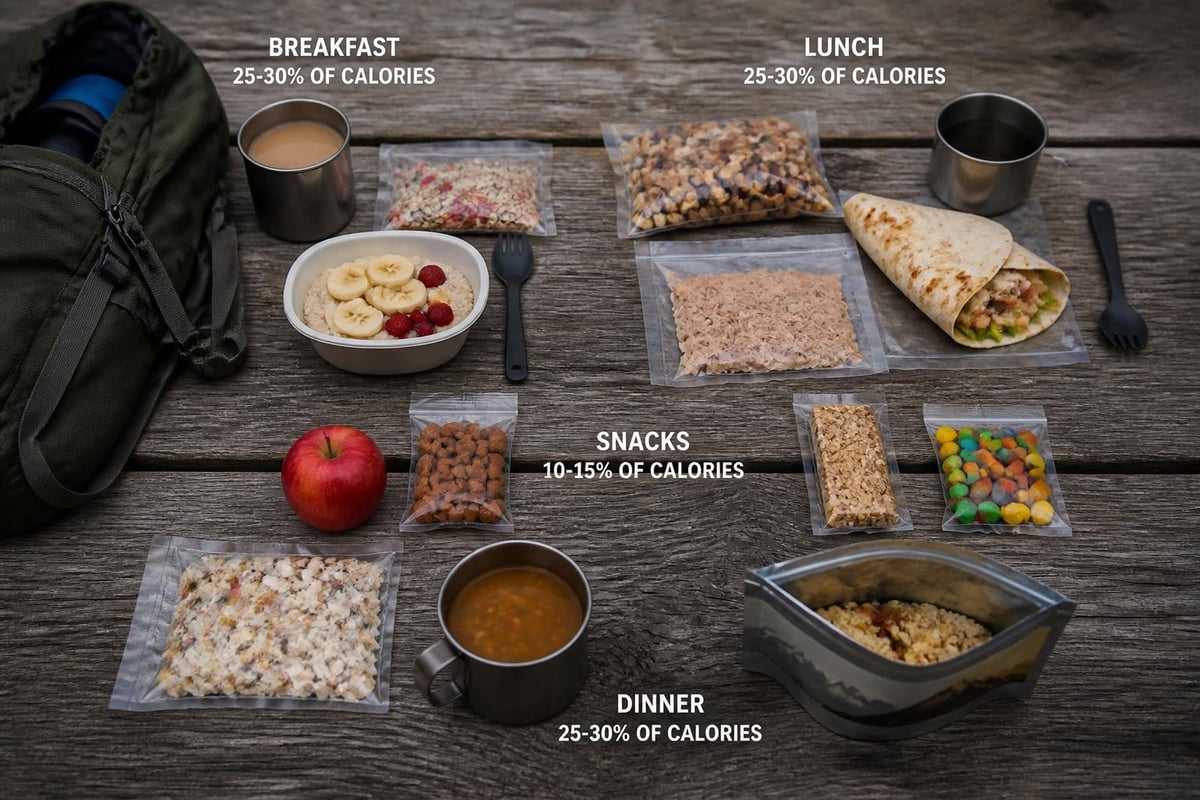
Multi-day hiking adventures require comprehensive meal planning beyond simple snacks. When selecting food to take hiking for overnight or extended trips, consider preparation requirements, cooking fuel availability, and nutritional completeness across breakfast, lunch, and dinner.
Breakfast establishes your energy foundation for demanding hiking days. Instant oatmeal packets combine convenience with sustained energy release, while adding nuts, dried fruit, or nut butter increases calorie density and satisfaction. Alternative breakfast options include granola with powdered milk, breakfast burritos with shelf-stable tortillas, or energy-dense muffins prepared before departure.
Lunch typically consists of no-cook options consumed during brief trail breaks. Wraps using tortillas, nut butter, honey, and dried fruit create portable meals requiring zero preparation. Bagels with cream cheese packets, hard cheeses, and summer sausage offer protein-rich alternatives that hold up well in pack conditions.
Dinner Options for Mountain Camping
Dinner represents the main recovery meal after demanding hiking days. Freeze-dried meals designed specifically as food to take hiking offer lightweight convenience with simple preparation requiring only boiling water. Quality freeze-dried options now include diverse cuisine styles from pasta dishes to international flavors.
DIY dehydrated meals provide cost-effective alternatives to commercial freeze-dried foods:
- Prepare favorite recipes at home using nutritious ingredients
- Dehydrate components separately for even drying
- Package combined ingredients with detailed rehydration instructions
- Test recipes before departure to ensure proper reconstitution
Instant rice or couscous forms the base for custom dinner combinations. Add dehydrated vegetables, protein sources like canned chicken or salmon pouches, and flavor enhancers including olive oil packets, spice mixes, and bouillon cubes.
For those undertaking challenging routes like the RINJANI SUMMIT 3D2N trek, professional guide services often provide meal preparation, allowing you to focus on the physical demands of summit attempts while ensuring proper nutrition throughout your journey.
Hydration and Electrolyte Management
Proper hydration stands equally important as solid food when planning what food to take hiking. Dehydration compromises physical performance, cognitive function, and thermoregulation, creating serious safety concerns during mountain trekking.
Water requirements vary based on temperature, humidity, exertion level, and individual sweat rates. General guidelines suggest consuming 0.5 to 1 liter per hour of moderate hiking, with increases necessary for steep terrain or hot conditions. Carrying sufficient water adds significant pack weight, making water sources and purification systems critical planning elements.
| Hydration Strategy | Advantages | Considerations |
|---|---|---|
| Carried water bottles | Immediate access, no treatment needed | Heavy, limited capacity |
| Water bladder systems | Convenient sipping, weight distribution | Difficult to monitor intake |
| Filtration systems | Unlimited supply from natural sources | Requires water sources along route |
| Purification tablets | Lightweight, simple | Treatment time required |
Electrolyte replacement prevents cramping and maintains cellular function during extended exertion. Sodium, potassium, magnesium, and calcium losses through sweat require active replacement beyond plain water consumption. Electrolyte drink mixes, salt tablets, or naturally salty foods like pretzels and salted nuts help maintain proper mineral balance.
Understanding proper hiking nutrition principles enhances both performance and enjoyment during challenging mountain adventures.
Specialized Dietary Considerations
Modern hiking nutrition accommodates diverse dietary preferences and requirements. Whether following vegetarian, vegan, gluten-free, or other specialized eating patterns, you can identify appropriate food to take hiking matching both your nutritional needs and ethical choices.
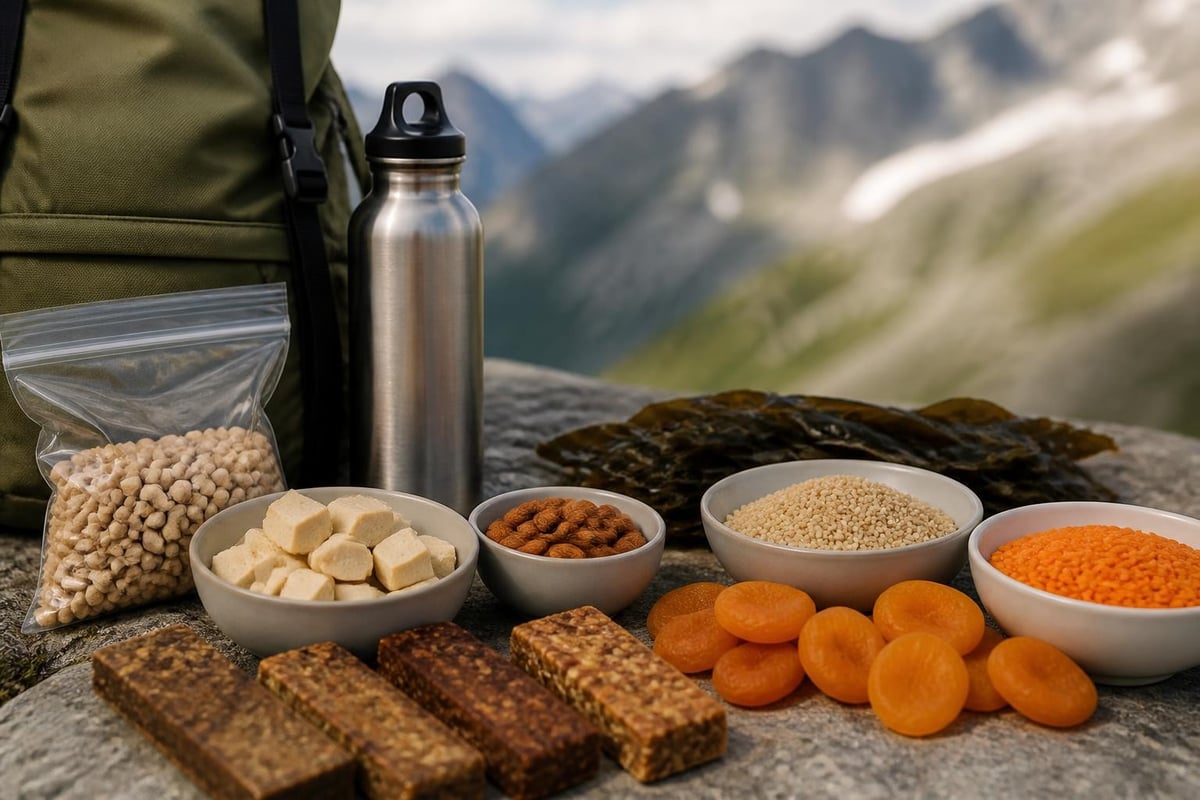
Vegetarian and vegan hikers should emphasize plant-based protein sources including:
- Mixed nuts and seeds for essential fats and protein
- Nut butters providing concentrated calories
- Dried beans and lentils for dehydrated meal bases
- Quinoa offering complete protein profiles
- Nutritional yeast adding B vitamins and savory flavor
Gluten-free options expand yearly as manufacturers recognize diverse consumer needs. Rice-based snacks, gluten-free oat products, corn tortillas, and naturally gluten-free whole foods like fruits, vegetables, and unprocessed proteins work well for hiking nutrition.
Food Allergies and Sensitivities
Hikers managing food allergies must exercise extra caution when selecting packaged foods. Read ingredient labels carefully, as trail foods often contain common allergens like peanuts, tree nuts, dairy, soy, and wheat. Many brands now offer allergen-free alternatives, though availability may vary by region.
Consider preparing homemade trail foods when commercial options present contamination risks. Dehydrating your own fruits, vegetables, and complete meals ensures ingredient control while often reducing costs compared to specialty commercial products.
Packing and Food Safety Strategies
Proper food packing protects your nutrition investment while preventing contamination, spoilage, and wildlife encounters. When organizing food to take hiking for multi-day treks, systematic packing enhances efficiency and preserves food quality throughout your journey.
Temperature-sensitive foods require careful consideration:
- Hard cheeses like cheddar, parmesan, and aged gouda survive 2-3 days without refrigeration
- Cured meats including salami and pepperoni remain safe for extended periods
- Nut butters, oils, and honey withstand temperature variations
- Chocolate melts in warm conditions but remains edible when solidified
Organizing daily food rations into separate bags streamlines access and prevents rummaging through your entire food supply. Label each day's allocation clearly, and pack items in reverse order with the first day's food most accessible.
Bear Safety and Food Storage
In regions with bear activity, proper food storage becomes a critical safety requirement. Depending on location regulations, appropriate storage methods include:
- Bear canisters provide hard-sided protection meeting wilderness requirements
- Bear bags suspended from tree branches keep food away from camp
- Odor-proof bags minimize scent detection by wildlife
- Designated food lockers at established campsites offer secure storage
Even in areas without large predators, protecting food from smaller animals prevents losses that could compromise your trek. Mice, squirrels, and birds opportunistically access poorly secured food supplies.
Timing Your Nutrition Intake
Strategic eating patterns optimize energy availability and prevent digestive discomfort during physical exertion. Understanding when to consume different food to take hiking types enhances performance and comfort throughout your journey.
Pre-hike nutrition establishes your initial energy reserves. Consume a substantial breakfast 1-2 hours before starting, emphasizing complex carbohydrates and moderate protein. Avoid high-fat or high-fiber foods immediately before departure, as these digest slowly and may cause gastrointestinal distress during exertion.
During hiking, adopt consistent snacking patterns rather than waiting until hunger or fatigue signals emerge. Consuming 100-200 calories every 45-60 minutes maintains steady blood sugar levels and prevents energy crashes. Explore comprehensive guidance on hiking food planning for detailed timing strategies.
Post-hike recovery nutrition accelerates muscle repair and glycogen replenishment. Within 30 minutes of completing your day's hiking, consume foods combining carbohydrates and protein in approximately a 3:1 ratio. Chocolate milk, protein bars, or trail mix with dried fruit all serve this recovery purpose effectively.
Energy Timing for Summit Attempts
Summit days present unique nutritional challenges requiring adapted strategies. Early morning starts often occur before appetite fully develops, yet demanding climbs require substantial fuel. Consider easily digestible options like energy gels, simple carbohydrate drinks, or liquid meal replacements for pre-summit nutrition.
Carry readily accessible snacks during summit pushes, as stopping for extended breaks disrupts momentum and risks cooling in exposed conditions. Energy chews, shot blocks, or sports gels provide concentrated calories requiring minimal chewing and quick consumption.
Weight Optimization Without Sacrificing Nutrition
Balancing nutritional completeness against pack weight challenges every hiker planning food to take hiking for multi-day adventures. Several strategies reduce food weight while maintaining adequate calorie and nutrient intake.
Choose calorie-dense foods maximizing energy per ounce:
| Food Type | Calories per Ounce | Primary Benefit |
|---|---|---|
| Nuts and seeds | 160-180 | Healthy fats, protein |
| Nut butters | 180-200 | Concentrated calories |
| Olive oil | 240 | Maximum calorie density |
| Dark chocolate | 150-170 | Quick energy, morale |
| Dried fruits | 70-100 | Natural sugars, fiber |
Remove unnecessary packaging before departure, transferring foods into lightweight resealable bags. This practice reduces waste, decreases pack weight, and simplifies organization. Label bags clearly with contents and preparation instructions if needed.
Dehydrated and freeze-dried foods offer superior weight-to-calorie ratios compared to canned or fresh alternatives. While initial costs may exceed conventional foods, the weight savings prove valuable during extended treks. Many experienced trekking companies incorporate optimized food planning into their service packages.
Cultural and Local Food Integration
When trekking in international destinations like Indonesia's Mount Rinjani, incorporating local foods enriches your experience while supporting regional communities. Traditional Indonesian snacks and ingredients offer both cultural immersion and practical hiking nutrition.
Tempeh and tofu provide protein-rich, plant-based options suitable for vegetarian hikers. These soy products travel well when properly packaged and complement rice-based meals common in Indonesian cuisine. Local markets near Lombok trekking destinations offer fresh tempeh at reasonable prices.
Indonesian trail foods worth considering:
- Kacang (roasted peanuts) for protein and healthy fats
- Krupuk (crackers) providing light, crunchy carbohydrates
- Dried fish for shelf-stable protein
- Local dried fruits including banana, mango, and papaya
- Traditional energy balls made from dates, coconut, and nuts
Supporting local food producers benefits mountain communities economically while reducing the environmental impact of importing packaged foods from distant locations. Many regional specialties offer nutrition profiles comparable to commercial hiking foods at lower costs.
Environmental Considerations and Leave No Trace
Responsible food to take hiking choices minimize environmental impact and preserve wilderness areas for future generations. Leave No Trace principles apply directly to food selection, packaging, and waste management during mountain treks.
Select foods with minimal packaging, and consolidate items into reusable containers before departure. This practice reduces trash volume while lightening your pack as packaging material often adds unnecessary weight.
Pack out all food waste including:
- Food wrappers and containers
- Fruit peels and cores (even though biodegradable, they disrupt local ecosystems)
- Leftover prepared foods
- Used tea bags and coffee grounds
Avoid foods with excessive packaging layers, individually wrapped items, or non-recyclable materials when alternatives exist. Many outdoor specialty foods now use compostable or recyclable packaging, though these materials still require proper disposal in appropriate facilities rather than wilderness environments.
Proper food storage prevents wildlife habituation to human foods, protecting both animal populations and future hikers. Animals accessing human food sources often become problematic, requiring management interventions that could include relocation or euthanasia. Your food management practices directly influence wildlife conservation outcomes.
Seasonal Food Adjustments
Different seasons demand adapted approaches to selecting food to take hiking based on temperature, daylight hours, and weather conditions. Hot summer conditions require different strategies than winter cold or monsoon rain.
Summer hiking food considerations:
- Choose heat-stable items avoiding chocolate or foods containing it
- Increase electrolyte replacement due to elevated sweat rates
- Carry extra water or plan routes with reliable water sources
- Select refreshing foods like dried fruits over heavy, rich options
Winter and cold-weather hiking demands increased calorie intake to support thermoregulation. Cold conditions suppress appetite despite elevated energy needs, making palatable, easy-to-eat foods essential. Warm drinks provide both hydration and psychological comfort during cold-weather breaks.
Monsoon season in tropical regions like Lombok creates moisture management challenges. Select waterproof packaging or double-bag foods preventing water infiltration that ruins food supplies. Quick-cooking meals minimize fuel consumption and cooking time during wet conditions when efficiency matters most.
Proper nutrition planning transforms hiking experiences from exhausting struggles into energizing adventures. By selecting appropriate food to take hiking based on trek length, personal needs, and environmental conditions, you ensure adequate fuel for challenging mountain journeys while maintaining pack weight efficiency. Hiking Mount Rinjani provides comprehensive trekking services including meal planning and preparation, allowing you to focus on the incredible landscapes and physical achievements of your Mount Rinjani adventure while our experienced guides ensure proper nutrition throughout your trek.