
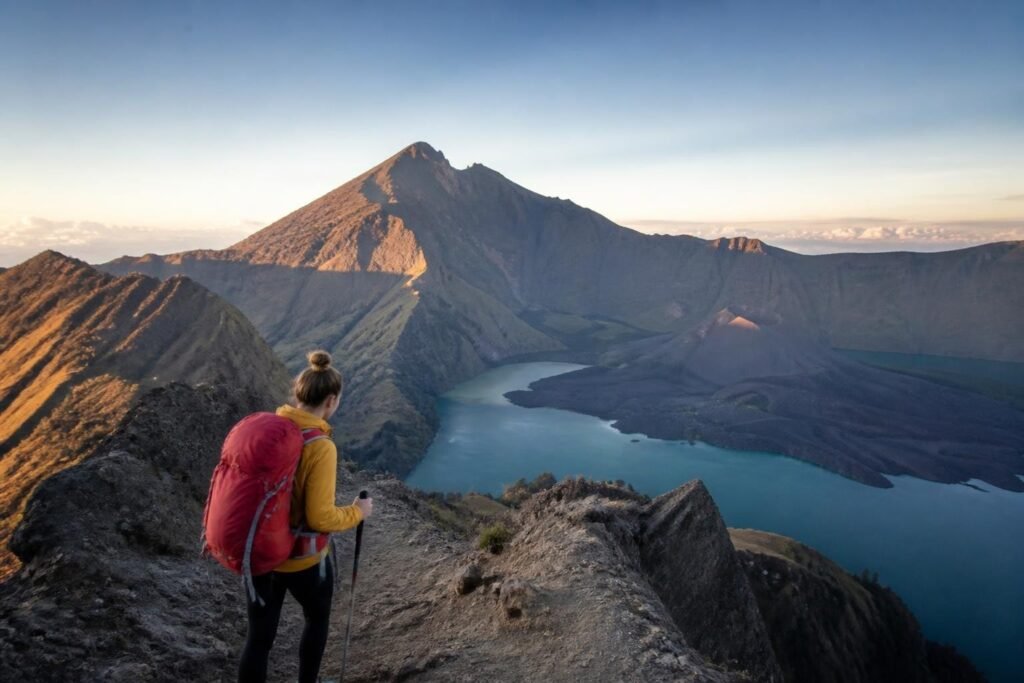
Mount Rinjani stands as Indonesia's second-highest volcano, rising 3,726 meters above Lombok Island. For thousands of adventurers each year, rinjani adventures represent more than just a trek-they embody a transformative journey through diverse ecosystems, challenging terrain, and breathtaking landscapes. Whether you're a seasoned mountaineer or an enthusiastic beginner, understanding what makes these expeditions special helps you prepare for an experience that will stay with you forever. This comprehensive guide explores everything you need to know about planning and executing a successful Rinjani adventure.
Understanding the Mountain and Its Appeal
Mount Rinjani dominates Lombok's landscape with its massive caldera containing Segara Anak Lake and the active volcanic cone of Gunung Baru. The mountain holds deep spiritual significance for local communities, who conduct annual pilgrimage ceremonies at the crater lake. This sacred status combines with exceptional natural beauty to create an adventure unlike any other in Southeast Asia.
Geographic and Cultural Significance
The mountain's diverse ecosystems range from tropical forests at lower elevations to alpine meadows and volcanic rock near the summit. Trekkers traverse through multiple climate zones within a single journey, experiencing temperature variations from humid warmth to freezing pre-dawn conditions. The Rinjani National Park encompasses 41,330 hectares of protected wilderness, supporting rare species and providing watershed protection for surrounding communities.
Local Sasak and Balinese populations consider Rinjani a dwelling place of gods and ancestors. Traditional ceremonies involve offerings at the lake, creating a cultural dimension that enriches the trekking experience. Understanding this spiritual connection helps visitors appreciate the respect and care expected while traversing these sacred slopes.
Primary Routes for Rinjani Adventures
Multiple established trails lead up Mount Rinjani, each offering distinct characteristics, difficulty levels, and scenic highlights. Selecting the appropriate route depends on your fitness level, available time, and specific goals for the expedition.
Sembalun Route Characteristics
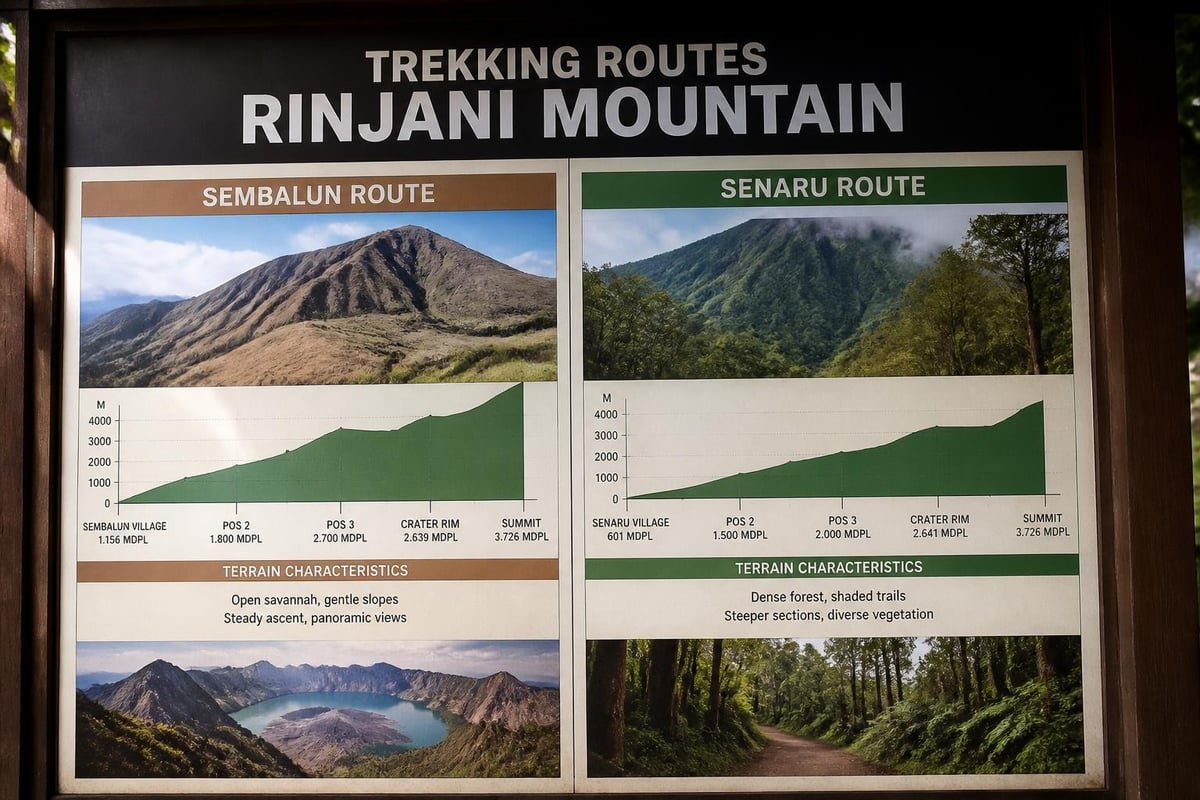
The Sembalun trail starts from the eastern side at approximately 1,150 meters elevation. This route is characterized by:
- Open savanna landscapes with minimal tree cover
- Steeper initial ascent requiring good fitness levels
- Direct access to the summit crater rim
- Spectacular sunrise views from high-altitude camps
- Better weather patterns during peak season
Most summit attempts utilize Sembalun as the ascent route because it provides more manageable access to the peak. The exposed terrain means less shade during daylight hours, making proper sun protection essential.
Senaru Route Features
Starting from Senaru village on the northern slopes, this trail offers a contrasting experience. The Senaru approach features dense tropical forest, waterfalls, and more gradual elevation gain initially. This route appeals to trekkers prioritizing lush scenery over summit attempts.
| Route Aspect | Sembalun | Senaru |
|---|---|---|
| Starting Elevation | 1,150m | 600m |
| Terrain Type | Open savanna | Dense forest |
| Summit Access | Direct | Longer approach |
| Shade Coverage | Minimal | Extensive |
| Water Sources | Limited | More frequent |
Torean Trail Innovation
The Torean route emerged as the newest official path in 2021, providing an alternative descent option. This trail features dramatic landscapes resembling prehistoric environments, with unique geological formations and diverse flora. For those seeking the RINJANI SUMMIT 3D2N (Bestseller) experience, the Torean route combines summit achievement with exploration of this remarkable new trail, offering both challenge and scenic diversity in a single package.
The Torean trail has quickly gained popularity among both domestic and international trekkers for its distinctive character. Its integration into multi-day packages creates more varied itineraries compared to traditional up-and-down routes.
Essential Preparation for Your Adventure
Success on rinjani adventures requires thorough preparation across physical conditioning, equipment selection, and mental readiness. The mountain demands respect, and proper preparation significantly impacts both safety and enjoyment.
Physical Conditioning Requirements
Begin training at least eight weeks before your scheduled trek. Focus on:
- Cardiovascular endurance through regular hiking, running, or cycling
- Leg strength via squats, lunges, and stair climbing
- Core stability for balance on uneven terrain
- Altitude adaptation if possible through progressive elevation exposure
- Pack weight training by gradually increasing backpack loads
The summit attempt involves 3-4 hours of steep climbing in darkness, often on loose volcanic scree. This section tests mental fortitude as much as physical capability. Training should replicate these conditions where possible.
Gear and Equipment Essentials
Quality equipment makes the difference between misery and enjoyment at altitude. Essential items include:
Clothing Layers:
- Moisture-wicking base layers
- Insulating mid-layers (fleece or down)
- Waterproof outer shell
- Warm hat and gloves for summit attempts
- Sun protection for exposed sections
Footwear and Accessories:
- Broken-in hiking boots with ankle support
- Gaiters for volcanic sand protection
- Trekking poles for descent stability
- Headlamp with extra batteries
- High-SPF sunscreen and lip balm
Reputable trekking companies provide high-quality camping equipment, reducing the need to transport bulky items. However, personal comfort items like sleeping bag liners and personal care products should come from home.
What to Expect During Your Trek
Rinjani adventures follow structured itineraries designed to balance challenge with safety and enjoyment. Understanding the daily rhythm helps set realistic expectations and prepare mentally for the journey ahead.
Daily Trekking Patterns
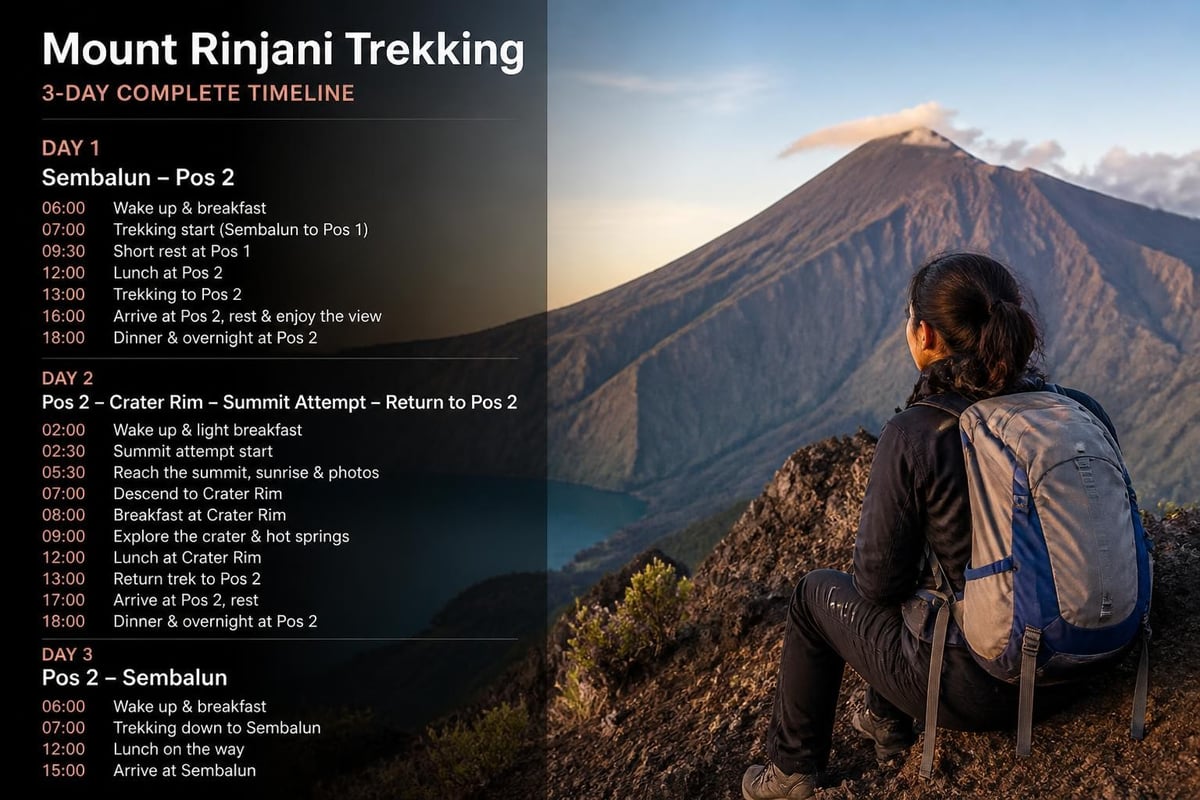
Most treks begin with early morning departures from base villages. Initial sections involve steady climbing through changing vegetation zones. Porters and guides move at measured paces, allowing acclimatization while covering necessary distance.
Typical Day Structure:
- 6:00-7:00 AM: Wake up and breakfast
- 7:30-8:00 AM: Pack up and begin trekking
- 12:00-1:00 PM: Lunch break at designated point
- 2:00-4:00 PM: Continue to day's camp location
- 4:00-6:00 PM: Camp setup and rest
- 6:00-7:00 PM: Dinner and social time
- 8:00 PM: Lights out for rest
Summit attempts depart around 2:00-3:00 AM, aiming to reach the peak for sunrise. This timing also ensures descent before afternoon weather deteriorates. The pre-dawn climb remains the most challenging segment of most rinjani adventures.
Segara Anak Lake Experience
Reaching the crater lake represents a highlight for most trekkers. The crescent-shaped body of water sits at 2,000 meters elevation, surrounded by 600-meter-high crater walls. Natural hot springs along the lake's edge provide therapeutic relaxation after demanding hiking.
The lake camp offers opportunities for:
- Swimming in the cool volcanic waters
- Soaking in mineral-rich hot springs
- Fishing for tilapia (catch and release)
- Photography during golden hour
- Cultural ceremony observation
Some itineraries include extra nights at the lake, allowing deeper exploration and better rest before summit attempts or departure. This pacing particularly benefits those new to high-altitude trekking.
Safety Considerations and Environmental Responsibility
Responsible rinjani adventures prioritize both participant safety and environmental preservation. The mountain environment presents genuine hazards that require awareness and proper management.
Weather and Seasonal Timing
Mount Rinjani experiences distinct wet and dry seasons. The official trekking season runs from April through December, with peak conditions occurring June through August. During these months, weather remains relatively stable with minimal rainfall.
| Month | Conditions | Suitability |
|---|---|---|
| January-March | Heavy rain, closed | Not recommended |
| April-May | Transition, occasional rain | Moderate |
| June-August | Dry, clear, peak season | Excellent |
| September-November | Dry, fewer crowds | Excellent |
| December | Early rains begin | Fair |
Weather can change rapidly at elevation. Morning clarity often gives way to afternoon clouds and potential precipitation. Summit attempts occur in predawn hours partly to avoid deteriorating afternoon conditions.
Altitude Sickness Awareness
Acute mountain sickness (AMS) can affect trekkers above 2,500 meters regardless of fitness level. Common symptoms include headache, nausea, dizziness, and fatigue. Proper acclimatization through gradual ascent minimizes risk, but awareness remains crucial.
Prevention Strategies:
- Maintain steady, measured pace
- Stay well hydrated throughout the trek
- Avoid alcohol and sleeping medications
- Communicate symptoms to guides immediately
- Descend if symptoms worsen
Experienced guides monitor group members for AMS indicators and adjust plans accordingly. Never ignore altitude-related symptoms, as conditions can deteriorate quickly if left unaddressed.
Leave No Trace Principles
Environmental preservation ensures future generations can enjoy rinjani adventures. All trekkers must commit to:
- Pack out all trash including organic waste
- Use designated toilet facilities or proper waste disposal methods
- Stay on established trails to prevent erosion
- Avoid disturbing wildlife or removing natural objects
- Minimize campfire impacts by using provided stoves
Professional trekking companies employ comprehensive waste management systems, carrying out all rubbish generated during expeditions. This commitment to cleanliness maintains the mountain's pristine condition despite heavy visitor traffic.
Working with Professional Guide Services
Choosing the right trekking partner significantly impacts your rinjani adventures experience. Professional guide services provide essential support, safety oversight, and cultural mediation throughout your journey.
What Professional Services Provide
Reputable companies handle complex logistics, allowing you to focus on the trekking experience itself. Standard services include:
- Licensed, experienced guides with emergency response training
- Porters to carry camping equipment, food, and supplies
- Quality tents, sleeping bags, and cooking equipment
- Nutritious meals prepared fresh on the mountain
- Park permits and entrance fees
- Emergency evacuation protocols and insurance coordination
The porter system creates employment for local communities while making treks accessible to those who couldn't carry full loads. Ethical companies ensure fair porter wages, appropriate loads, and proper equipment for these essential team members.
Guide Expertise and Local Knowledge
Experienced guides bring invaluable local knowledge to rinjani adventures. Their expertise covers:
Technical Skills:
- Route navigation in varying weather conditions
- First aid and emergency response capabilities
- Equipment maintenance and repair
- Weather pattern interpretation
- Altitude sickness recognition and management
Cultural Insights:
- Local customs and spiritual significance
- Flora and fauna identification
- Geological history and volcanic activity
- Sasak cultural practices and traditions
- Sustainable tourism practices
Quality guides enhance the experience far beyond simple route-finding. Their stories, knowledge, and cultural perspectives transform physical challenges into rich, meaningful adventures.
Peak Season Versus Off-Season Considerations
Timing your rinjani adventures involves balancing weather reliability, crowd levels, and personal schedule constraints. Each season offers distinct advantages and challenges worth considering.
Peak Season Benefits and Challenges
June through August represents high season when weather conditions are most reliable and trail conditions optimal. However, this popularity creates specific considerations:
Advantages:
- Most stable weather patterns
- Minimal rainfall risk
- Well-maintained trail conditions
- Full support infrastructure operational
- Best visibility for photography
Challenges:
- Higher visitor numbers on trails
- Premium pricing for services
- Advance booking essential
- More crowded campsites
- Greater environmental impact
Despite crowds, peak season remains ideal for first-time trekkers and those with fixed schedules. The reliable weather significantly reduces risk of itinerary disruptions.
Shoulder Season Opportunities
April-May and September-November offer compelling alternatives for flexible travelers. These periods provide:
- Lower service costs and better negotiation leverage
- Fewer trekkers on trails and at camps
- Sufficient weather reliability for safe trekking
- More intimate, peaceful mountain experience
- Available last-minute booking options
Weather becomes slightly less predictable during shoulder months, with occasional rainfall possible. However, conditions remain generally suitable, and experienced guides navigate weather challenges effectively.
Multi-Day Itinerary Options
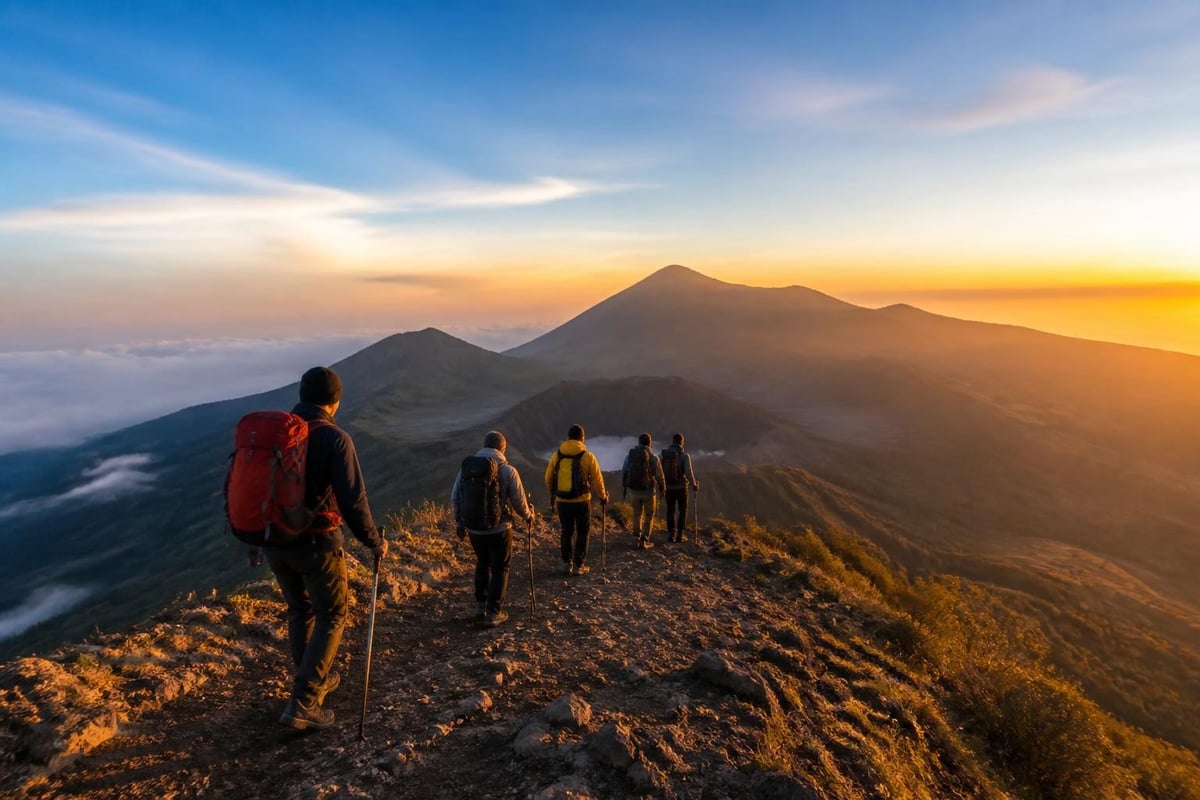
Rinjani adventures range from two-day crater rim treks to comprehensive four-day expeditions. Understanding different itinerary structures helps match options to your capabilities and interests.
Two-Day Crater Rim Programs
Condensed itineraries suit time-constrained travelers or those new to multi-day trekking. These programs typically reach the crater rim at 2,641 meters, offering spectacular views without summit attempts. The pacing remains moderate, making them accessible to reasonably fit beginners.
Three-Day Summit Expeditions
The most popular format combines crater rim, lake descent, and summit attempt. This balanced itinerary provides comprehensive mountain experience while allowing adequate rest and acclimatization. Three-day programs typically follow Sembalun-Summit-Torean routing, maximizing scenic diversity.
Four-Day Extended Adventures
Extra days allow deeper exploration with reduced daily distance. These relaxed itineraries include:
- Additional night at Segara Anak Lake for rest and exploration
- Visit to Penimbungan Waterfall
- More time for photography and wildlife observation
- Better acclimatization before summit attempts
- Less rushed overall experience
Four-day programs particularly benefit photographers, nature enthusiasts, and those preferring comfortable pacing over speed.
Cultural and Spiritual Dimensions
Rinjani adventures offer profound cultural encounters beyond physical challenges. The mountain's spiritual significance permeates the trekking experience, creating opportunities for cross-cultural understanding and personal reflection.
Local Community Connections
Base villages like Sembalun and Senaru provide economic benefits from trekking tourism while maintaining traditional lifestyles. Many guides, porters, and support staff come from these communities, creating direct economic impact. Respecting local customs and engaging authentically with community members enriches the experience.
Traditional Sasak culture emphasizes harmony with nature and spiritual awareness. This worldview manifests in sustainable resource management practices and respectful mountain use. Learning about these perspectives from local guides adds depth to the physical journey.
Ceremonial Practices and Respect
Hindu-Balinese and Sasak communities conduct regular ceremonies at Segara Anak Lake, particularly during the Pekelan festival. Visitors may observe these colorful, meaningful rituals involving offerings and prayers. Maintaining respectful distance, avoiding interference, and seeking permission before photography demonstrates cultural sensitivity.
The mountain itself receives reverence as a dwelling place of deities and ancestral spirits. This spiritual dimension influences how guides and porters interact with the environment, often performing small offering rituals before major journey segments.
Photography and Memory Creation
Capturing rinjani adventures through photography requires planning, proper equipment, and awareness of optimal timing. The mountain offers extraordinary visual opportunities across diverse landscapes and lighting conditions.
Essential Photography Considerations
Camera Protection:
- Waterproof covers for rain and dust
- Secure carrying systems for hands-free trekking
- Extra batteries (cold reduces battery life)
- Memory card backups
- Protective bags for volcanic sand exposure
Optimal Shooting Times:
- Pre-dawn summit photography (3:00-6:00 AM)
- Golden hour at lake camps (5:00-7:00 AM, 4:00-6:00 PM)
- Midday for landscape depth and contrast
- Night photography for star trails and Milky Way
The summit sunrise remains the most photographed moment, with 360-degree views encompassing Lombok, Bali, Sumbawa, and the Gili Islands. Arriving early secures optimal shooting positions before crowds gather.
Video Documentation Tips
Action cameras and smartphones enable video documentation with minimal weight penalty. Key moments worth capturing include:
- Trail diversity through vegetation zones
- Guide and porter team interactions
- Camp setup and meal preparation
- Summit ascent challenges and achievement
- Lake activities and hot spring relaxation
Sharing experiences through video helps inspire future adventurers while creating lasting personal memories. However, balance documentation with present-moment awareness and authentic experience.
Health and Nutrition on the Mountain
Maintaining energy and health during rinjani adventures requires attention to nutrition, hydration, and personal care despite challenging conditions.
Meal Planning and Dietary Needs
Professional trekking services provide substantial, nutritious meals designed to fuel demanding physical activity. Typical meal plans include:
Breakfast Options:
- Pancakes or French toast
- Eggs (fried or scrambled)
- Fresh fruit
- Toast with jam
- Hot coffee or tea
Lunch Selections:
- Fried rice or noodles
- Sandwiches
- Fresh vegetables
- Fruit
- Cookies or snacks
Dinner Menus:
- Rice with protein (chicken, fish, or tempeh)
- Vegetable dishes
- Soup
- Fresh fruit dessert
- Hot beverages
Special dietary requirements (vegetarian, vegan, allergies) can be accommodated with advance notice. Communicate specific needs during booking to ensure proper meal preparation.
Hydration Strategies
Water consumption becomes critical at altitude where dehydration occurs rapidly. Guidelines suggest 3-4 liters daily during active trekking. Water sources exist at camps, but treatment through filtering or purification tablets ensures safety.
Hydration Best Practices:
- Drink regularly throughout the day, not just when thirsty
- Monitor urine color (pale yellow indicates proper hydration)
- Increase intake during summit attempts
- Avoid excessive caffeine or alcohol
- Use electrolyte supplements for extended exertion
Proper hydration improves altitude acclimatization, reduces fatigue, and enhances overall performance. Guides monitor hydration levels and encourage regular water consumption.
Post-Trek Recovery and Reflection
Completing rinjani adventures brings immense satisfaction, but proper recovery and reflection help consolidate the experience and prepare for future adventures.
Physical Recovery Protocol
Immediate post-trek care includes:
- Gentle stretching to reduce muscle soreness
- Proper rehydration and nutrition
- Rest day before strenuous activities
- Foot care for blisters and hot spots
- Anti-inflammatory medication if needed
Most trekkers experience muscle soreness, particularly in legs and shoulders, for 2-3 days following descent. This discomfort represents normal adaptation to intense exertion and typically resolves with rest and light activity.
Processing the Experience
Rinjani adventures often create lasting impact beyond physical achievement. Taking time to reflect helps integrate lessons learned:
Reflection Questions:
- What surprised you most about the experience?
- How did you handle challenging moments?
- What connections did you form with fellow trekkers or guides?
- How has this achievement changed your self-perception?
- What future adventures does this inspire?
Many trekkers report renewed confidence, appreciation for nature, and desire for additional challenges. The mountain teaches resilience, patience, and humility that transfer to daily life challenges.
Extending Your Lombok Adventure
While Mount Rinjani stands as Lombok's premier attraction, the island offers diverse experiences worth exploring before or after your trek. Combining mountain adventures with coastal and cultural activities creates comprehensive Indonesian experiences.
Waterfall Explorations
Lombok features spectacular waterfalls accessible through relatively easy hikes. The north Lombok region includes famous waterfalls like Sendang Gile and Tiu Kelep, both located near Senaru village. These refreshing destinations provide perfect recovery activities after demanding mountain treks.
Island Hopping Opportunities
The three Gili Islands off Lombok's northwest coast offer pristine snorkeling, diving, and beach relaxation. Each island maintains distinct character, from party-oriented Gili Trawangan to tranquil Gili Meno. These tropical paradises provide complete contrast to mountain environments.
Cultural Village Tours
Traditional Sasak villages throughout Lombok preserve ancient customs, architecture, and crafts. Visiting these communities offers cultural insights complementing the natural focus of rinjani adventures. Pottery villages, weaving centers, and traditional compounds showcase living heritage.
Environmental Conservation Efforts
Sustainable tourism practices ensure rinjani adventures remain available for future generations. Understanding and supporting conservation initiatives helps preserve this remarkable ecosystem.
Waste Management Programs
The Rinjani Trek Management Board implements comprehensive waste management requiring all trekking groups to carry out everything brought onto the mountain. Regular clean-up campaigns remove accumulated trash from previous less-regulated periods. These efforts have dramatically improved trail conditions and environmental health.
Community-Based Conservation
Local villages participate in forest protection, trail maintenance, and wildlife monitoring. Economic benefits from trekking tourism create incentives for environmental stewardship rather than exploitation. This community-based model proves more effective than top-down conservation approaches.
Reforestation Initiatives
Degraded areas receive replanting with native species to restore forest cover and prevent erosion. Some trekking companies incorporate tree-planting activities into itineraries, allowing visitors to contribute directly to restoration efforts. These programs combat historical deforestation while educating participants about ecosystem importance.
Mount Rinjani offers transformative adventures combining physical challenge, natural beauty, and cultural richness in one extraordinary journey. Success requires proper preparation, respectful engagement with local communities and environments, and choosing experienced guide services committed to safety and sustainability. Whether you're seeking the crater rim views, lake exploration, or summit achievement, Hiking Mount Rinjani provides comprehensive support with quality equipment, experienced guides, and commitment to environmental responsibility that ensures your adventure exceeds expectations while preserving this magnificent mountain for future explorers.