
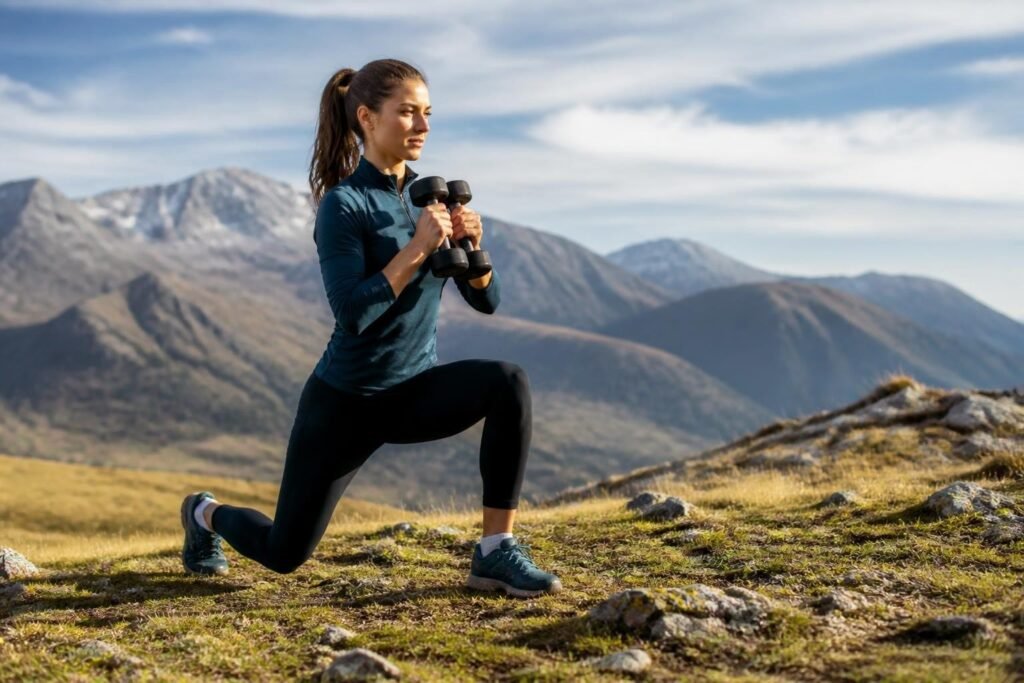
Preparing your body for a challenging trek requires more than casual weekend walks. Whether you're planning to conquer Mount Rinjani's 3,726-meter summit or tackle any demanding trail, the right training regimen makes the difference between struggling through the journey and enjoying every step. The best exercise for trekking combines cardiovascular endurance, lower-body strength, and core stability to handle steep ascents, rocky descents, and hours of sustained movement with a loaded backpack. Understanding which exercises deliver maximum results helps you build a training foundation that transforms your trekking experience from survival mode to genuine adventure.
Understanding Trekking-Specific Fitness Demands
Trekking challenges your body in unique ways that differ significantly from gym workouts or running on flat surfaces. The combination of sustained elevation gain, uneven terrain, and carrying weight creates specific demands on your muscular and cardiovascular systems.
Why General Fitness Isn't Enough
Standard fitness routines often miss critical trekking requirements:
- Eccentric muscle contractions during descents that cause delayed soreness
- Extended periods of moderate-intensity effort lasting several hours
- Balance and stability on unstable surfaces and loose rocks
- Weight-bearing endurance with a backpack adding 10-20 pounds
The cardiovascular system needs to efficiently deliver oxygen during prolonged moderate exertion at altitude. Your legs must power you uphill while controlling descent speed to protect joints. Your core stabilizes your torso with every step on uneven ground.
Muscle Groups That Matter Most
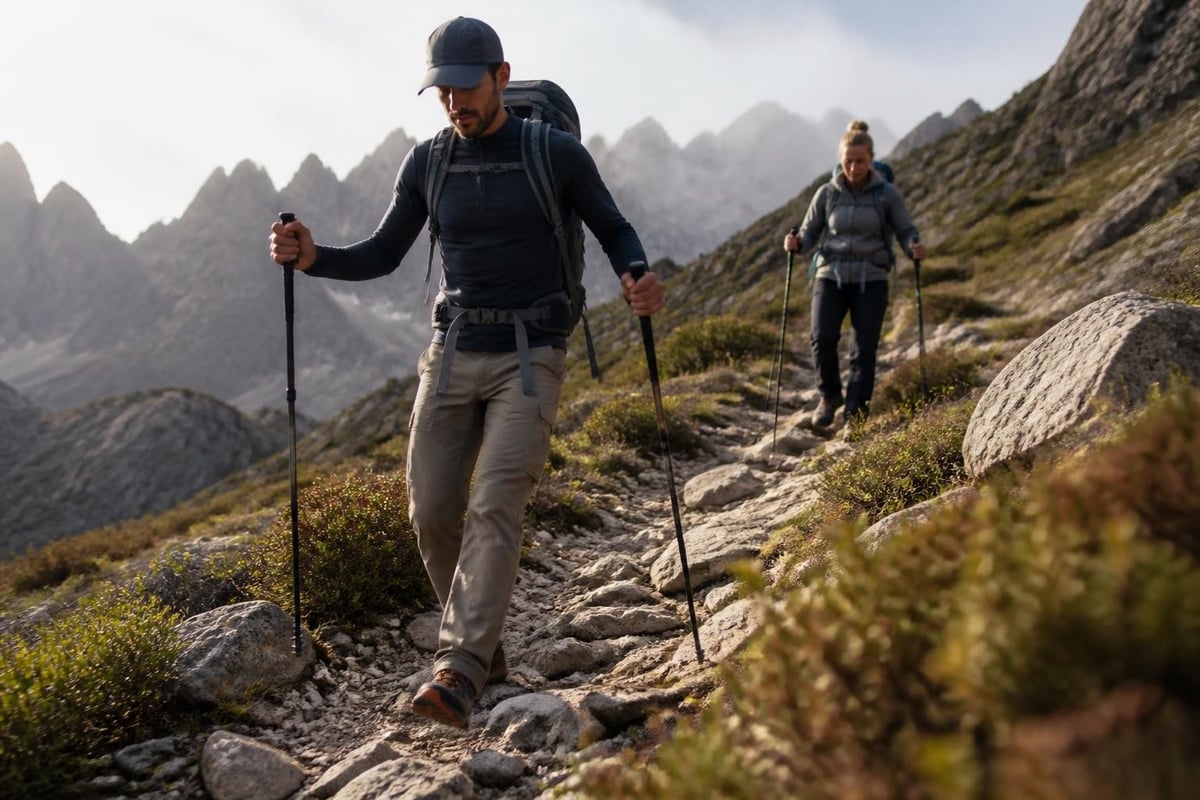
Trekking relies heavily on specific muscle chains working in coordination. The quadriceps, hamstrings, glutes, and calves form the primary power system for climbing and descending. Hip flexors and stabilizers keep your pelvis aligned during each step. Core muscles including the transverse abdominis, obliques, and lower back muscles maintain posture and support your loaded pack.
Research from Harvard Health emphasizes strengthening these key muscle groups to prevent injuries and enhance trail performance. Understanding this muscular framework helps you target training efforts where they matter most.
The Best Exercise for Trekking: Weighted Step-Ups
Among all training movements, weighted step-ups emerge as the single most effective exercise for trekking preparation. This compound movement directly mimics the biomechanics of climbing mountain trails while building strength, endurance, and stability simultaneously.
Why Step-Ups Deliver Superior Results
Step-ups replicate the exact motion pattern you'll perform thousands of times during a trek. Each repetition trains your body to lift your entire weight plus gear onto an elevated surface, precisely what happens with every uphill step on the trail.
Key benefits include:
- Unilateral training that addresses strength imbalances between legs
- Functional movement patterns matching real trekking demands
- Cardiovascular conditioning when performed for extended sets
- Progressive overload through height adjustment and added weight
- Joint-friendly mechanics with controlled eccentric loading
The exercise engages your quads to drive upward, glutes to extend your hip, hamstrings to stabilize, and core to maintain balance. This comprehensive activation makes step-ups more trekking-specific than squats, lunges, or leg presses.
Proper Step-Up Technique and Progression
Begin with a box or bench at knee height. Place your entire foot on the surface, drive through your heel to step up, and bring your trailing leg to meet it. Step down with control, leading with the same leg for the entire set before switching sides.
| Week | Height | Weight | Sets x Reps | Rest |
|---|---|---|---|---|
| 1-2 | Knee | Bodyweight | 3 x 10 each leg | 60 sec |
| 3-4 | Knee | 10-15 lbs | 3 x 12 each leg | 60 sec |
| 5-6 | Mid-thigh | 15-20 lbs | 4 x 12 each leg | 45 sec |
| 7-8 | Mid-thigh | 20-25 lbs | 4 x 15 each leg | 45 sec |
Add weight using a backpack filled with water bottles or sand, simulating the load you'll carry on the trail. Gradually increase duration to build muscular endurance alongside strength.
Essential Cardiovascular Training for Trekking
While strength matters tremendously, cardiovascular endurance determines whether you can maintain steady progress for hours. The best exercise for trekking success includes substantial aerobic conditioning tailored to mountain environments.
Incline Training on Treadmills or Hills
Walking or hiking at an incline trains your aerobic system under conditions similar to mountain ascents. Start with 30-minute sessions at a moderate incline (6-8%) and build to 60-90 minutes at steeper grades (10-15%).
Your heart rate should stay in Zone 2, approximately 60-70% of maximum, where you can hold a conversation but feel challenged. This intensity builds the aerobic base necessary for all-day trekking without burning out.
Weekly cardiovascular structure:
- Two long, steady incline sessions (60+ minutes)
- One interval session alternating steep and moderate grades
- One flat endurance walk or hike (90+ minutes)
The Muscle & Fitness hiking guide provides detailed training plans that combine strength and cardiovascular work for comprehensive trail preparation.
Stair Climbing and Stadium Workouts
Stair climbing perfectly simulates continuous elevation gain while building leg endurance and cardiovascular capacity simultaneously. Find a tall building, stadium, or outdoor staircase and commit to regular climbing sessions.
Begin with 20 minutes of continuous stair climbing at a conversational pace. Progress to 45-60 minute sessions, adding a weighted backpack as your fitness improves. For variety, alternate between steady-state climbing and interval sessions where you increase pace for specific sections.
Strengthening Your Lower Body Foundation
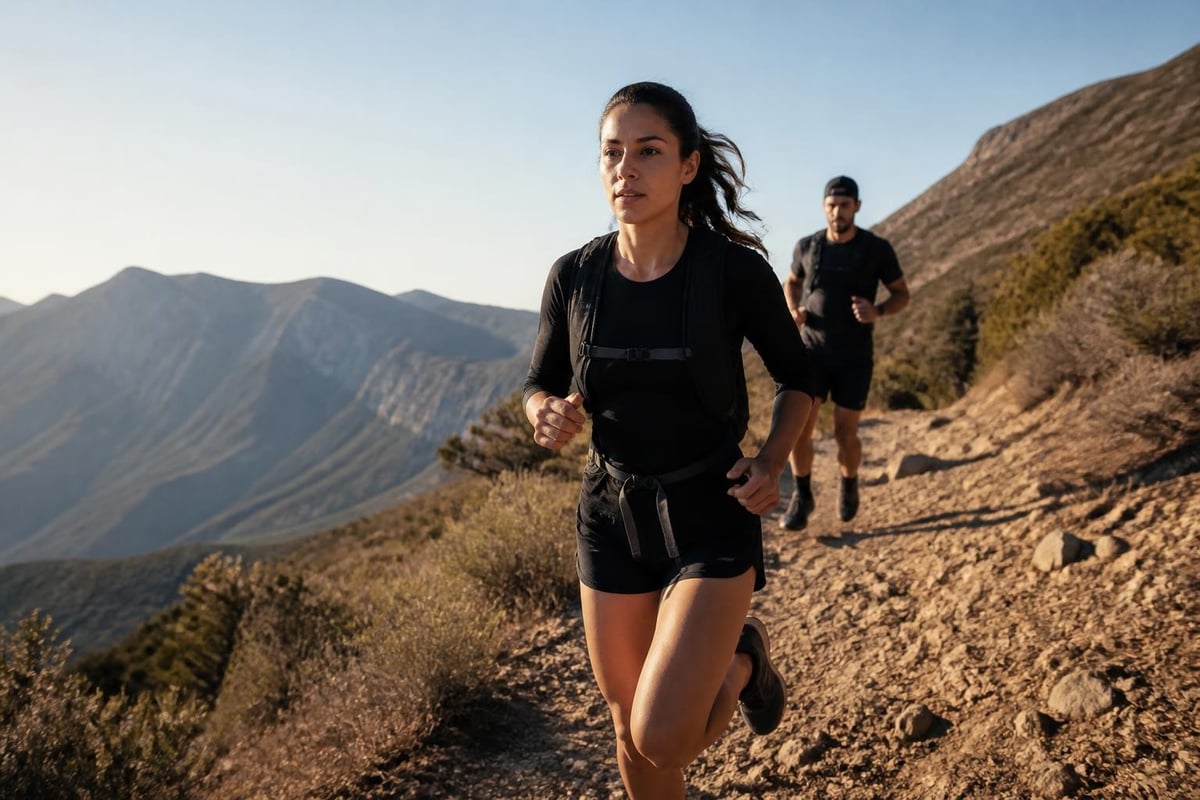
Beyond step-ups, several complementary exercises build complete lower-body strength for demanding treks. These movements address different aspects of leg power and endurance.
Lunges for Stability and Strength
Walking lunges train each leg independently while challenging balance and coordination. They strengthen the same muscles as step-ups while adding a dynamic component that mimics trail movement.
Perform walking lunges with proper form, keeping your front knee aligned over your ankle and dropping your back knee toward the ground. Start with 3 sets of 10 lunges per leg, progressing to weighted versions holding dumbbells or wearing a backpack.
Reverse lunges provide similar benefits with less knee stress, making them ideal for those with joint concerns. According to Fit & Well, specific exercises targeting lower-body strength significantly reduce the risk of hiker's knee and other common trekking injuries.
Single-Leg Deadlifts for Posterior Chain
Single-leg Romanian deadlifts develop hamstring and glute strength while dramatically improving balance. These muscles power your ascent and control your descent, making them critical for trekking performance.
Stand on one leg, hinge at your hip to lower a weight toward the ground while extending your free leg behind you for balance. Keep your back straight and core engaged throughout the movement. Perform 3 sets of 8-10 repetitions per leg.
Calf Raises for Endurance
Strong calves prevent fatigue and cramping during long treks. Perform both straight-leg and bent-knee calf raises to target the gastrocnemius and soleus muscles.
Stand on a step with your heels hanging off the edge. Rise onto your toes, pause briefly, then lower slowly below the starting position for a full stretch. Complete 3-4 sets of 15-20 repetitions, eventually adding weight for progression.
Core Stability Training for Pack Carrying
A strong core maintains proper posture under a loaded backpack and prevents lower back pain during extended treks. Core training for trekking emphasizes endurance over maximum strength.
Planks and Variations
Standard planks build foundational core endurance. Hold a proper plank position for 60-90 seconds, maintaining a straight line from shoulders to heels with your core engaged.
Plank progression sequence:
- Standard forearm plank (60-90 seconds)
- Side planks (45-60 seconds each side)
- Plank with alternating arm/leg raises (45 seconds)
- Weighted plank with backpack (60 seconds)
Side planks specifically target the obliques and quadratus lumborum muscles that stabilize your torso laterally when navigating uneven terrain.
Loaded Carries
Farmer's carries and overhead carries train your core to stabilize while moving with weight, perfectly mimicking trekking demands. Walk 50-100 meters carrying heavy dumbbells or kettlebells at your sides or overhead.
These exercises also strengthen grip, shoulders, and stabilizer muscles throughout your body. Include 3-4 loaded carry variations in your weekly training.
Building a Complete Trekking Training Program
Combining these exercises into a structured program ensures balanced development and progressive overload. A comprehensive training plan typically spans 8-12 weeks before your trek.
Weekly Training Structure
| Day | Focus | Key Exercises | Duration |
|---|---|---|---|
| Monday | Lower Body Strength | Weighted step-ups, lunges, calf raises | 45 min |
| Tuesday | Cardio Endurance | Incline treadmill or hill hiking | 60 min |
| Wednesday | Core & Stability | Planks, loaded carries, balance work | 30 min |
| Thursday | Active Recovery | Easy flat walk, stretching | 30 min |
| Friday | Lower Body Strength | Single-leg deadlifts, step-ups, squats | 45 min |
| Saturday | Long Cardio | Extended incline hike with pack | 90-120 min |
| Sunday | Rest or Light Activity | Yoga, stretching, easy walk | 30 min |
This structure provides adequate recovery while building strength and endurance progressively. Adjust intensity and volume based on your current fitness level and trek timeline.
Progressive Overload Principles
Continuous improvement requires systematic increases in training demands. Apply progressive overload through multiple variables including weight, repetitions, sets, duration, and intensity.
Increase one variable at a time every 1-2 weeks. Add 5-10 pounds to weighted exercises, extend cardio sessions by 10-15 minutes, or increase step-up box height by 2-4 inches. Track your progress to ensure consistent advancement without overtraining.
For those preparing for a Mount Rinjani trek, the training intensity should match the specific demands of your chosen route. The challenging terrain and significant elevation gain require thorough preparation across all fitness components.
Specificity Training: Simulating Trek Conditions
The final training phase focuses on trek-specific preparation that closely mimics your actual hiking conditions. This phase typically occurs in the final 3-4 weeks before your adventure.
Long Weighted Hikes
Weekend practice hikes with a fully loaded backpack build confidence and expose weaknesses in your preparation. Start with 2-3 hour hikes carrying 80% of your expected pack weight, progressing to 4-6 hour excursions with full weight.
Choose trails with elevation profiles similar to your planned trek. If preparing for Mount Rinjani's volcanic terrain, seek rocky, steep trails that challenge your balance and leg strength similarly.
Breaking in boots during these practice hikes prevents blisters and ensures comfort. Test all gear, including clothing, pack adjustment, and nutrition strategies during these training hikes.
Back-to-Back Training Days
Trekking often involves consecutive demanding days with accumulated fatigue. Simulate this by scheduling challenging workouts or hikes on consecutive days during your final preparation weeks.
Complete a long weighted hike on Saturday followed by a moderate hike or strength session on Sunday. This back-to-back loading teaches your body to perform when already fatigued, building the resilience needed for multi-day treks.
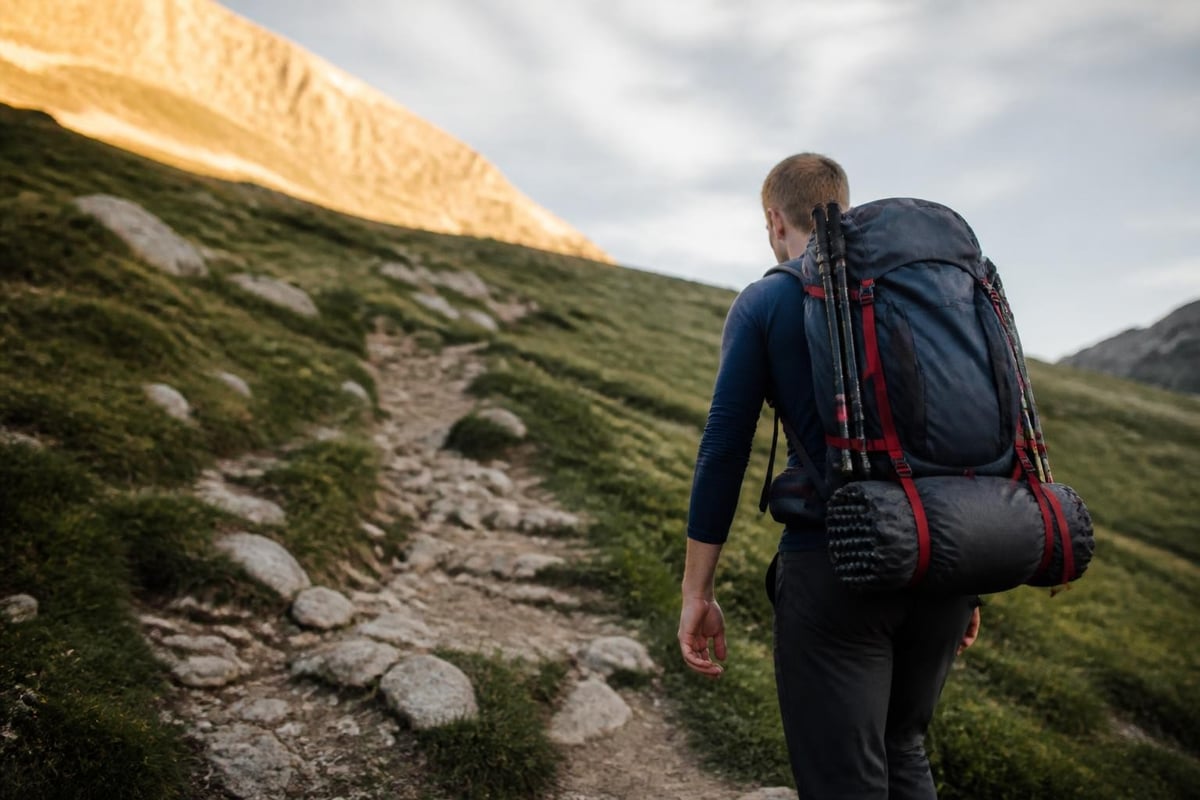
The 3-day 2-night Rinjani summit package requires sustained effort across multiple days, making this training approach particularly valuable for those preparing to tackle Rinjani's demanding Torean trail.
Recovery and Injury Prevention Strategies
Proper recovery enables consistent training progression and prevents overuse injuries that derail preparation. Recovery deserves equal attention to training intensity.
Active Recovery and Mobility Work
Incorporate dynamic stretching, foam rolling, and yoga into your weekly routine. These activities improve flexibility, reduce muscle tension, and accelerate recovery between hard training sessions.
Focus particularly on hip flexors, IT bands, calves, and hamstrings, which often become tight from repetitive hiking movements. Dedicate 15-20 minutes daily to mobility work, especially on rest days.
Sleep and Nutrition for Training Adaptation
Your body builds fitness during recovery, not during workouts. Prioritize 7-9 hours of quality sleep nightly to support muscle repair and cardiovascular adaptation.
Nutrition priorities for trekking preparation:
- Adequate protein (0.7-1.0 grams per pound bodyweight) for muscle recovery
- Complex carbohydrates to fuel training sessions
- Healthy fats supporting hormone production and joint health
- Hydration throughout the day, especially around workouts
Consider working with a sports nutritionist if preparing for particularly demanding treks or if you have specific dietary requirements.
Common Injury Prevention
The best exercise for trekking won't help if injuries interrupt your training. Address potential issues proactively through proper progression, adequate recovery, and attention to warning signs.
Monitor for early indicators including persistent soreness, joint pain, reduced performance, or disrupted sleep patterns. Scale back training immediately if these appear, allowing full recovery before resuming progression.
Strengthening stabilizer muscles and maintaining flexibility significantly reduces injury risk during both training and the actual trek.
Mental Preparation Through Physical Training
Physical training builds mental resilience alongside muscular strength. The psychological benefits of proper preparation often prove as valuable as the physical adaptations.
Building Confidence Through Competence
Each successfully completed training session builds confidence in your ability to handle the trek's demands. Knowing you've consistently climbed stairs for 60 minutes with a weighted pack eliminates doubt about managing steep trail sections.
Document your training progress through logs or apps. Reviewing your advancement from initial workouts to peak preparation reinforces your readiness and provides motivation during challenging moments on the trail.
Developing Mental Toughness
Training sessions that push your limits develop the mental toughness required when fatigue sets in during hour six of a long trekking day. Learning to maintain effort despite discomfort during training transfers directly to trail performance.
Include some deliberately difficult sessions where you push slightly beyond your comfort zone. These controlled challenges teach you to manage discomfort and maintain focus when conditions become demanding.
Training Modifications for Different Fitness Levels
The best exercise for trekking adapts to your current fitness level while progressively building toward trek-ready performance. Honest assessment of your starting point enables appropriate program design.
Beginner Modifications
If you're new to structured exercise or returning after a long break, start conservatively. Begin with bodyweight step-ups on a low platform, 20-minute flat walks, and basic planks.
Beginner 8-week progression:
- Weeks 1-2: Establish consistency with bodyweight exercises and flat walking
- Weeks 3-4: Introduce gentle inclines and light weights
- Weeks 5-6: Increase duration and intensity gradually
- Weeks 7-8: Add weighted backpack for shorter practice hikes
Prioritize movement quality over quantity initially. Building proper form prevents injuries and establishes patterns that serve you throughout your trekking career.
Advanced Training Approaches
Experienced hikers benefit from more aggressive progressions and sport-specific challenges. Incorporate interval training, weighted hill sprints, and technical skill development.
Advanced trainees might complete double training sessions some days, pairing morning strength work with evening cardio. This increased volume builds the exceptional fitness required for technically demanding routes or high-altitude trekking.
Consider consulting resources like the Nepal Hiking Team preparation guide for insights into training for Himalayan-level challenges that translate well to Indonesian volcano trekking.
Equipment for Training Effectiveness
Appropriate training equipment enhances exercise quality and safety. While elaborate setups aren't necessary, several items significantly improve training outcomes.
Essential Training Gear
A sturdy backpack for weighted carries simulates trek conditions while training. Load it progressively with water bottles, sand bags, or actual gear you'll carry on the trail.
Recommended training equipment:
- Adjustable step platform or sturdy box (12-20 inch range)
- Backpack for weighted training
- Resistance bands for supplemental exercises
- Foam roller for recovery
- Quality training shoes with good support
Invest in the actual hiking boots you'll wear on the trek early in your training cycle. Break them in during practice hikes to ensure comfort and identify any fit issues before departure.
Using Technology for Training Tracking
Fitness trackers and apps help monitor progress, ensure appropriate intensity, and maintain motivation. Track metrics including weekly mileage, elevation gain, heart rate zones, and strength progression.
Apps designed for hikers often include features like elevation tracking, route planning, and training plan templates. These tools keep you accountable and provide data showing your readiness as your trek approaches.
Adjusting Training for Trek-Specific Demands
Different treks present unique challenges requiring targeted preparation. Analyzing your specific route helps customize training emphasis.
Altitude Considerations
High-altitude treks like Mount Rinjani require special preparation beyond standard fitness training. While you cannot fully acclimatize at sea level, certain training approaches help.
Cardiovascular training at higher intensities improves your body's oxygen utilization efficiency. This adaptation provides some benefit when oxygen becomes limited at altitude, though it doesn't replace proper acclimatization during the trek itself.
Technical Terrain Preparation
Rocky, uneven trails demand superior balance and ankle stability. Include single-leg balance exercises, lateral movements, and agility drills in your training.
Practice hiking on similar terrain during training hikes. If your trek involves significant scrambling or boulder fields, seek comparable conditions locally to develop specific skills and confidence.
Understanding the best time to hike Mount Rinjani helps you prepare for specific seasonal conditions, from dry-season heat to potential rain during shoulder months.
Tapering Before Your Trek
The final 7-10 days before your trek require strategic reduction in training volume while maintaining intensity. This taper period allows full recovery and peak performance.
Reducing Volume While Maintaining Readiness
Cut training volume by 40-50% during the taper week while keeping exercise intensity relatively high. Complete shorter versions of your key workouts rather than eliminating them entirely.
A properly executed taper leaves you feeling energetic and eager rather than sluggish or undertrained. Your body consolidates all previous training adaptations, resulting in peak readiness on departure day.
Final Preparation Activities
Use taper time for final gear checks, route review, and mental preparation. Complete one final moderate practice hike with full gear to confirm everything functions properly.
Focus on sleep quality, proper nutrition, and hydration during the taper. Avoid trying new foods or making significant dietary changes that might cause digestive issues during your trek.
Preparing your body for demanding trekking requires dedicated focus on strength, endurance, and stability through exercises that directly translate to trail performance. The best exercise for trekking, weighted step-ups, combined with comprehensive cardiovascular training and core work, builds the complete fitness profile needed for conquering challenging mountains like Rinjani.
When you're ready to put your training to the test on Indonesia's spectacular volcanic landscapes, Hiking Mount Rinjani provides expert guides, quality equipment, and carefully designed routes that match your fitness level and adventure goals. Their experienced team ensures your hard-earned physical preparation translates into an unforgettable and successful trekking experience while maintaining the highest environmental standards.