
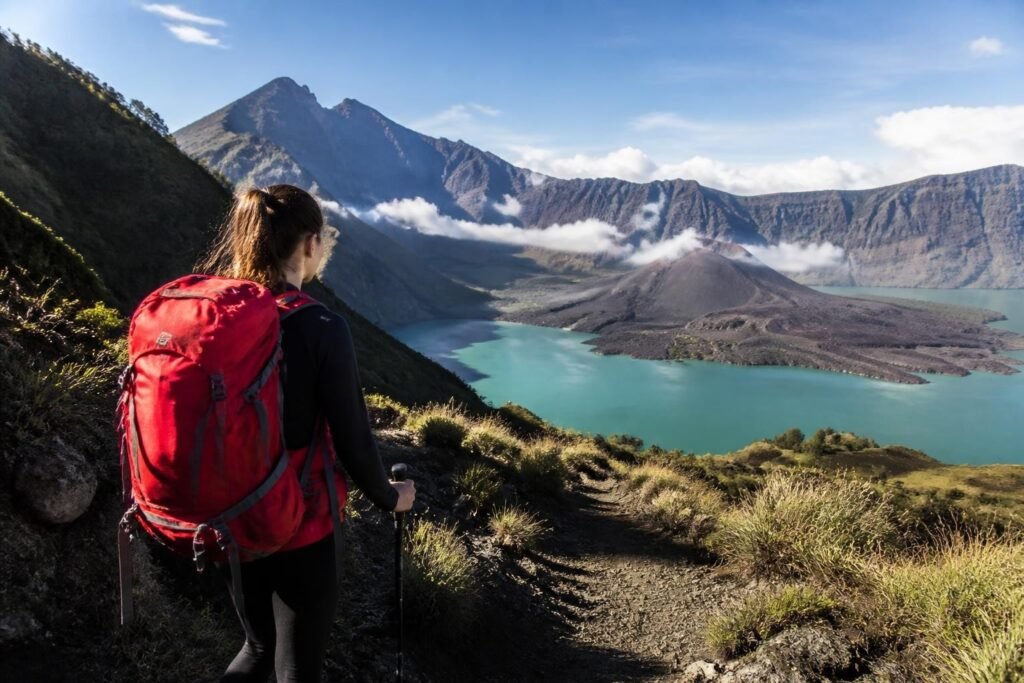
Trekking Mount Rinjani Lombok stands as one of Indonesia's most rewarding mountaineering adventures, drawing thousands of hikers annually to its volcanic slopes. Located on the island of Lombok, this 3,726-meter (12,224-foot) active volcano offers breathtaking views, a stunning crater lake, natural hot springs, and challenging trails that test both physical endurance and mental determination. Whether you're a seasoned trekker or a determined beginner, understanding the routes, preparation requirements, and safety considerations will ensure your journey to this magnificent peak becomes an unforgettable experience.
Understanding the Mount Rinjani Trekking Experience
Mount Rinjani presents multiple trekking routes, each offering distinct experiences and difficulty levels. The mountain's diverse ecosystem ranges from tropical forests at lower elevations to alpine terrain near the summit, creating a multi-layered adventure that rewards hikers with changing landscapes throughout their journey.
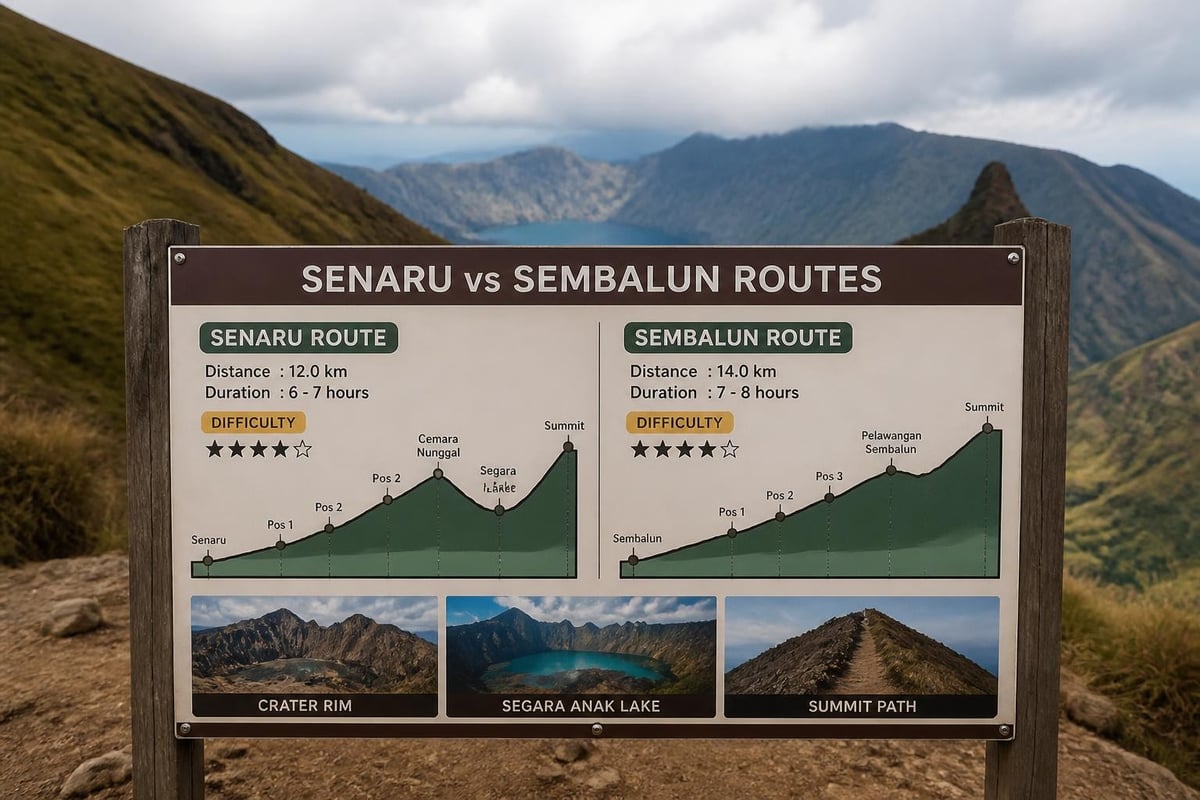
The most popular starting points include Senaru in the north and Sembalun in the east. Each trailhead provides unique advantages depending on your fitness level, available time, and trekking goals. The Senaru route offers a more gradual ascent through lush rainforest, while the Sembalun trail presents drier, more open terrain with steeper sections.
Route Options and Durations
Selecting the appropriate route requires honest assessment of your physical capabilities and time availability. The various packages cater to different experience levels and objectives.
Popular Trekking Packages Include:
- Two-day, one-night crater rim treks for time-constrained travelers
- Three-day, two-night summit expeditions combining crater rim and peak ascent
- Four-day, three-night comprehensive journeys including extended lake exploration
- Customized routes incorporating waterfalls and alternative descent paths
The crater rim packages typically involve reaching the 2,639-meter viewpoint overlooking Segara Anak Lake, while summit attempts push hikers to the 3,726-meter peak for sunrise views stretching across Lombok, neighboring islands, and on clear days, Mount Agung on Bali.
Physical Preparation and Fitness Requirements
Trekking Mount Rinjani Lombok demands substantial physical preparation regardless of which route you select. The combination of altitude, distance, and challenging terrain requires cardiovascular endurance, leg strength, and mental resilience.
Begin training at least 8-12 weeks before your scheduled trek. Focus on building aerobic capacity through activities like running, cycling, or swimming for 45-60 minutes, four to five times weekly. Gradually increase intensity and duration to simulate the sustained effort required on the mountain.
Strength and Endurance Training
Specific exercises targeting leg muscles, core stability, and overall stamina will significantly enhance your trekking experience and reduce injury risk.
| Exercise Type | Frequency | Purpose |
|---|---|---|
| Hiking with weighted backpack | 2-3x weekly | Simulate trail conditions |
| Squats and lunges | 3x weekly | Build leg strength for ascents/descents |
| Stair climbing | 3-4x weekly | Develop cardiovascular endurance |
| Core exercises | Daily | Improve balance and stability |
| Flexibility stretching | Daily | Prevent muscle strain |
Practice hiking on varied terrain with the backpack weight you'll carry during the actual trek. Most trekkers carry 5-7 kilograms of personal gear, though porter services significantly reduce this burden. Test your equipment during training hikes to identify any issues before reaching Lombok.
Altitude acclimatization cannot be rushed. The summit sits above 3,700 meters where oxygen levels drop noticeably. Listen to your body, maintain steady pacing, and communicate any concerning symptoms to your guide immediately.
Essential Gear and Equipment
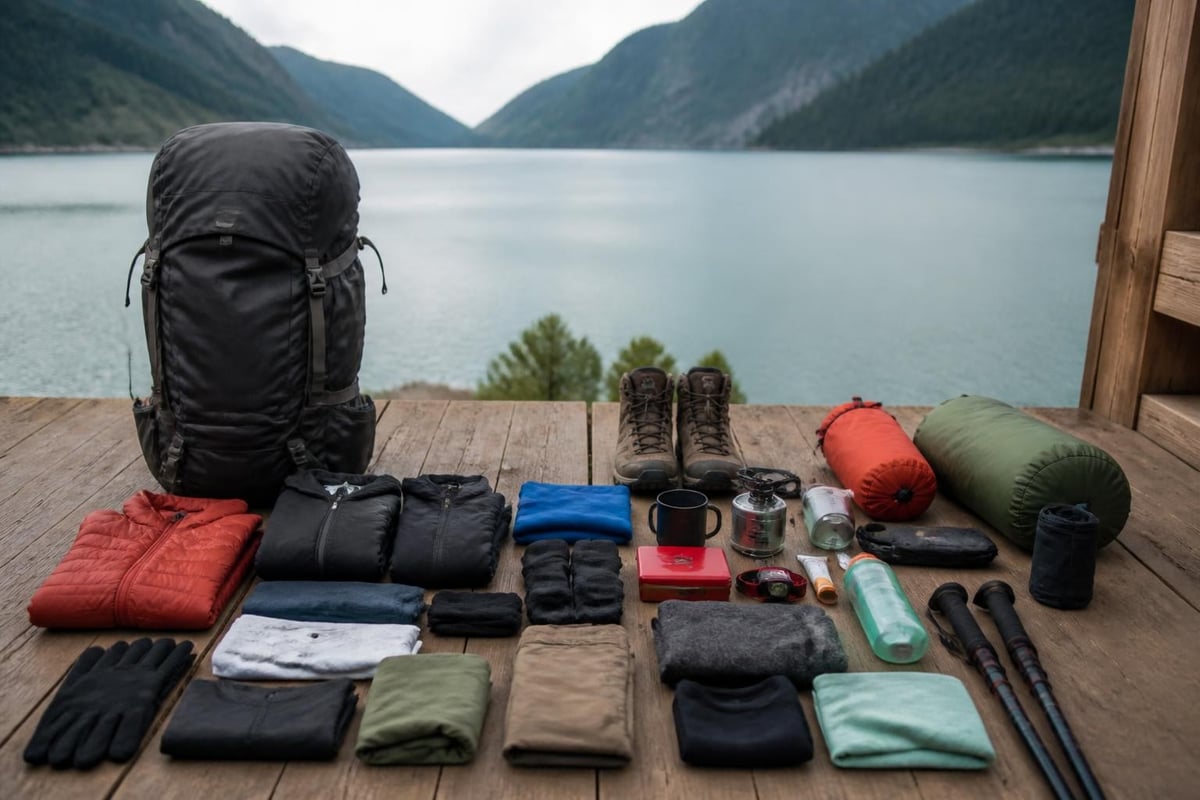
Proper equipment separates comfortable treks from miserable experiences. While experienced operators provide camping gear, personal items require careful selection and testing before departure.
Clothing Essentials:
- Moisture-wicking base layers for temperature regulation
- Insulating mid-layers for cold nights and early morning summit attempts
- Waterproof and windproof outer shell jacket
- Quick-dry trekking pants with convertible options
- Warm hat, sun hat, and gloves for varying conditions
- Quality hiking boots broken in well before the trek
Technical Equipment:
- Headlamp with extra batteries for pre-dawn summit pushes
- Trekking poles to reduce knee strain on steep descents
- Sunglasses with UV protection and sunscreen (SPF 50+)
- Water bottles or hydration system (3-4 liters capacity)
- Personal first aid kit with blister treatment
- Camera or smartphone with weatherproof protection
Layering becomes critical as temperatures vary dramatically from hot, humid forest sections to near-freezing summit conditions. Morning temperatures at the peak regularly drop to 5-10 degrees Celsius, while midday sun exposure in exposed sections can be intense.
Best Seasons for Trekking Mount Rinjani Lombok
Timing your trek significantly impacts safety, comfort, and summit success rates. Mount Rinjani's tropical location experiences distinct dry and wet seasons that dramatically affect trail conditions.
The official trekking season runs from April through December, with peak conditions occurring between May and September. During these months, rainfall decreases substantially, trail surfaces remain more stable, and visibility improves for panoramic views.
Monthly Conditions Breakdown
| Month | Conditions | Visitor Volume | Summit Success Rate |
|---|---|---|---|
| April-May | Transition period, occasional rain | Moderate | 75-80% |
| June-August | Peak dry season, excellent conditions | High | 90-95% |
| September-October | Dry but increasing crowds | Very high | 85-90% |
| November-December | Shoulder season, variable weather | Low-moderate | 70-75% |
January through March constitutes the wet season when Mount Rinjani typically closes to trekkers due to dangerous conditions including slippery trails, reduced visibility, and increased landslide risk. Planning your visit during optimal months ensures safer conditions and more enjoyable experiences.
Weekend and holiday periods see significantly higher traffic, particularly around Indonesian national holidays. Weekday departures offer quieter trails and more intimate camping experiences at popular sites like the crater rim and Segara Anak Lake.
Safety Considerations and Risk Management
Understanding potential hazards and implementing proper safety protocols protects trekkers from preventable incidents. Mount Rinjani's popularity sometimes obscures its inherent risks as an active volcano with challenging terrain.
Altitude sickness represents the most common serious health concern, affecting even fit individuals. Symptoms include headache, nausea, dizziness, and fatigue. Proper acclimatization, adequate hydration (4-5 liters daily), and gradual ascent minimize risks. Descend immediately if symptoms worsen despite rest and hydration.
Working with Experienced Guides
Professional guide services provide essential safety margins through route knowledge, emergency protocols, and weather monitoring. Guides recognize warning signs of medical issues, navigate challenging sections safely, and carry communication equipment for emergencies.
The importance of selecting reputable operators cannot be overstated. Recent incidents have highlighted risks associated with inadequate guide experience and poor safety standards. Established companies maintain comprehensive insurance, employ certified guides, and follow established safety protocols.
What Professional Guides Provide:
- Pre-trek health assessments and fitness consultations
- Real-time weather monitoring and route adjustments
- Emergency evacuation procedures and first aid training
- Navigation expertise in challenging or low-visibility conditions
- Cultural knowledge and environmental interpretation
- Porter coordination and camp management
Trail conditions change rapidly, particularly during transitional weather periods. Loose volcanic rock, steep scree slopes on summit approaches, and narrow ridgeline sections demand careful footing and concentration. Trekking poles significantly reduce fall risks on descents.
The Crater Rim and Segara Anak Lake Experience
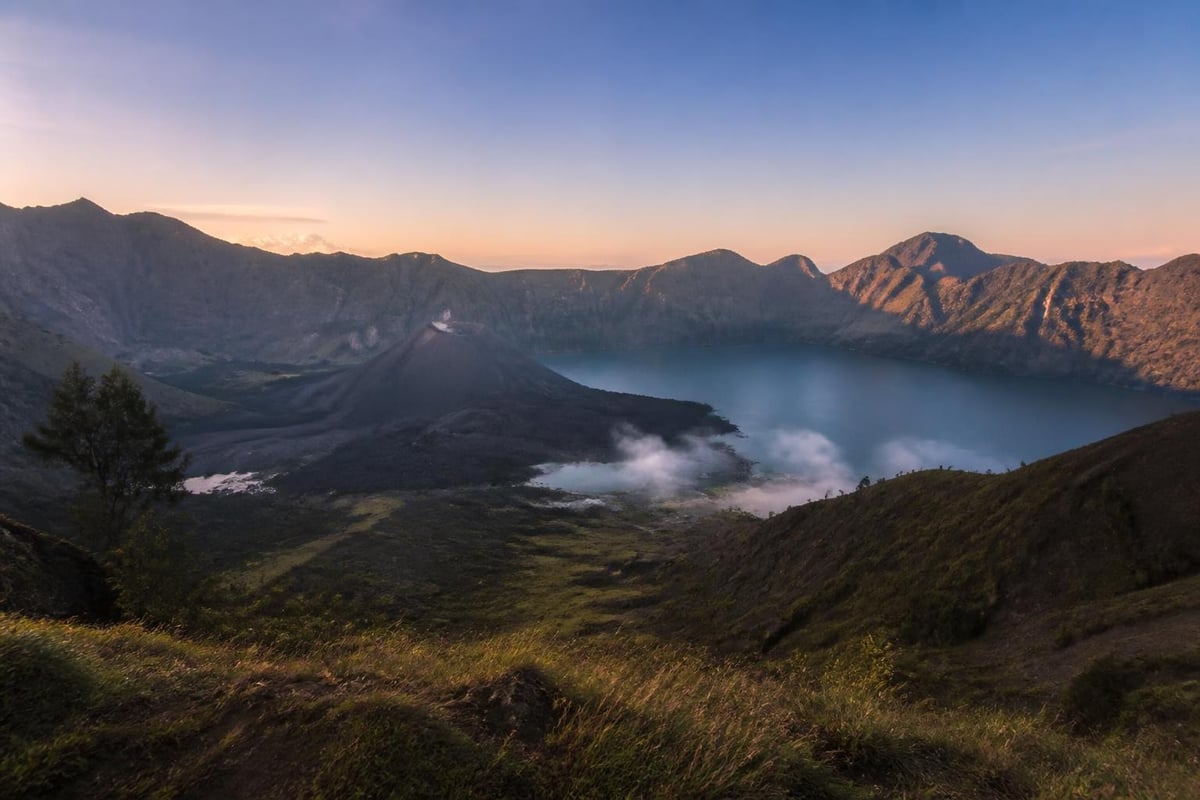
Reaching the crater rim rewards trekkers with one of Indonesia's most spectacular volcanic landscapes. The expansive Segara Anak Lake fills the ancient caldera, its turquoise waters contrasting dramatically with black volcanic slopes and the newer cone of Mount Barujari rising from the crater floor.
Most multi-day treks include time at the crater rim camp, positioned at approximately 2,639 meters elevation. This location offers stunning sunrise and sunset views while serving as a base for lake descents and hot spring visits. The 600-meter descent to the lake requires careful navigation of loose scree and rocky switchbacks.
Natural hot springs near the lake's edge provide therapeutic relaxation for tired muscles. The mineral-rich waters maintain temperatures of 40-60 degrees Celsius, creating natural spa conditions surrounded by volcanic landscape. Many trekkers rate the hot springs as a trek highlight, though reaching them requires significant additional effort.
For those seeking a more relaxed experience with extended time at the lake, the 4-day, 3-night extra camp package includes an additional night at Segara Anak, allowing comprehensive exploration of the crater, hot springs, and Penimbungan Waterfall while reducing daily hiking distances.
Summit Ascent Strategies
The final push to Mount Rinjani's 3,726-meter summit tests physical limits and mental determination. Most summit attempts begin between 2:00 and 3:00 AM, targeting sunrise arrival at the peak around 6:00-6:30 AM.
This section involves approximately 1,000 meters of elevation gain over 3-4 kilometers, with the final 300 meters crossing steep volcanic scree. Each step forward often results in sliding backward, requiring specific techniques and sustained effort. Trekking poles become invaluable for maintaining balance and forward momentum.
Summit Night Preparation
Success on summit night begins with proper preparation the previous day. Rest well, hydrate thoroughly, and consume substantial calories at dinner. Prepare all gear the night before to minimize pre-dawn fumbling in darkness.
Summit Ascent Timeline:
- 2:00-2:30 AM: Wake up, light breakfast, final gear check
- 3:00 AM: Begin ascent from crater rim or Sembalun camp
- 3:00-5:30 AM: Steady climb through volcanic terrain
- 5:30-6:30 AM: Final scree section and summit arrival
- 6:30-7:30 AM: Summit time for photos and views
- 7:30-9:00 AM: Descent back to camp
Temperature at summit time typically ranges from 5-10 degrees Celsius with strong winds creating significant wind chill. Layer clothing strategically, keeping insulating layers accessible for the summit wait and descent.
The panoramic views from Rinjani's peak extend across Lombok, the Gili Islands, neighboring Sumbawa, and on exceptionally clear days, Mount Agung on Bali becomes visible. Photographers should bring extra batteries as cold temperatures drain power rapidly.
Environmental Responsibility and Leave No Trace
Protecting Mount Rinjani's fragile ecosystem requires conscious effort from every trekker. Increased visitor numbers have created environmental pressures, making responsible practices essential for preserving this natural wonder for future generations.
The Leave No Trace principles apply comprehensively to Rinjani trekking. Pack out all waste including organic materials like fruit peels and food scraps. Use designated toilet facilities at camps, and if nature calls on trail, follow proper backcountry sanitation practices including burying waste at least 200 meters from water sources.
Sustainable Trekking Practices
Reputable operators emphasize environmental stewardship through waste management systems, eco-friendly camping practices, and porter welfare standards. Choosing responsible trekking companies directly supports conservation efforts and local communities.
Environmental Best Practices:
- Carry reusable water bottles and avoid single-use plastics
- Stay on established trails to prevent erosion
- Respect wildlife by observing from distance
- Use biodegradable soap sparingly and away from water sources
- Support porter welfare through fair wages and appropriate loads
- Participate in trail cleanup initiatives when opportunities arise
The Rinjani Trek Management Board implements strict regulations including mandatory guide requirements, camping zone restrictions, and seasonal closures. These measures balance tourism access with ecosystem protection, ensuring the mountain's long-term sustainability.
Cultural Considerations and Local Communities
Mount Rinjani holds deep spiritual significance for the Sasak people of Lombok and Balinese Hindus who conduct annual pilgrimage ceremonies at the crater lake. Understanding and respecting these cultural dimensions enriches the trekking experience beyond physical achievement.
Local villages surrounding the mountain base their economies substantially on trekking tourism. Porter positions provide crucial income for families in Senaru, Sembalun, and surrounding communities. Supporting ethical operators ensures fair wages, appropriate working conditions, and community benefit distribution.
Cultural Respect Guidelines:
- Learn basic Bahasa Indonesia phrases for guide and porter interaction
- Dress modestly in villages and respect local customs
- Ask permission before photographing people or ceremonies
- Purchase supplies from local vendors when possible
- Understand that some areas may have temporary access restrictions during ceremonies
The traditional village of Senaru offers cultural immersion opportunities before or after treks. Visiting the traditional Sasak villages provides context for the mountain's cultural importance and supports community tourism initiatives.
Nutrition and Hydration Management
Proper fueling dramatically affects performance, recovery, and overall trek enjoyment. The combination of physical exertion, altitude, and warm temperatures creates substantial caloric and hydration demands that many trekkers underestimate.
Plan to consume 3,500-5,000 calories daily during active trekking days, significantly higher than normal intake. Most guide services provide three substantial meals plus snacks, but bringing supplementary high-energy foods ensures adequate nutrition.
Meal Planning and Supplements
| Meal Period | Recommended Foods | Purpose |
|---|---|---|
| Breakfast | Porridge, eggs, toast, fruit | Energy foundation |
| Trail snacks | Nuts, dried fruit, energy bars | Sustained energy |
| Lunch | Rice, vegetables, protein | Midday refueling |
| Dinner | Carbohydrates, protein, vegetables | Recovery and next-day preparation |
| Summit snacks | Quick sugars, chocolate | Immediate energy |
Hydration requirements increase at altitude where breathing rate and water loss accelerate. Aim for 4-5 liters of fluid daily, increasing to 5-6 liters on summit day. Water sources exist at designated camps, though purification through boiling, filtering, or chemical treatment remains essential.
Electrolyte replacement through sports drinks or supplements prevents hyponatremia, particularly during hot conditions with heavy sweating. Avoid alcohol which exacerbates dehydration and altitude effects.
Post-Trek Recovery and Extension Options
Completing a Mount Rinjani trek deserves celebration and requires proper recovery. Most trekkers experience significant muscle fatigue, particularly in legs and core, along with general exhaustion from sustained effort and altitude exposure.
Allow 2-3 rest days in Lombok following your descent. Gentle activities like swimming, light walking, and stretching promote recovery better than complete inactivity. Many trekkers explore Lombok's beaches, waterfalls, or cultural sites during recovery periods.
Lombok offers diverse post-trek experiences that complement the mountain adventure. The northern region’s waterfalls including Sendang Gile and Tiu Kelep provide refreshing swimming opportunities, while the Gili Islands offer snorkeling, diving, and beach relaxation just offshore.
Popular Post-Trek Activities:
- Beach relaxation at Senggigi, Kuta, or Selong Belanak
- Snorkeling tours around the three Gili Islands
- Cultural village visits to traditional Sasak communities
- Waterfall exploration in North Lombok
- Surfing at southern coast breaks
- Spa treatments and massage for muscle recovery
Combining trekking Mount Rinjani Lombok with broader Indonesia exploration creates comprehensive adventure experiences. Many international travelers integrate Rinjani into multi-week itineraries including Bali, Java, or eastern Indonesian destinations.
Booking Logistics and Practical Arrangements
Advance planning ensures availability with quality operators, particularly during peak season months when popular departure dates fill quickly. Book 2-3 months ahead for July and August treks, and at least 4-6 weeks for other peak season periods.
Compare package inclusions carefully as offerings vary significantly between operators. Standard inclusions typically cover guide services, porters, camping equipment, meals, park entrance fees, and basic medical supplies. Verify specific details including sleeping bag quality, tent capacity, and guide-to-trekker ratios.
Package Selection Criteria
Transportation from Lombok accommodations to trailheads and return transfers should be included or clearly priced separately. Most operators offer pickup from Mataram, Senggigi, or the Gili Islands, with additional fees for more distant locations.
Pre-Trek Checklist:
- Confirm package inclusions and exclusions in writing
- Verify guide credentials and company insurance coverage
- Arrange travel insurance covering trekking up to 4,000 meters
- Complete any required medical declarations honestly
- Prepare cash for tips, personal expenses, and emergencies
- Download offline maps and emergency contact information
- Inform someone of your trekking schedule and expected return
The Hiking Mount Rinjani contact team can answer specific questions about package options, current trail conditions, and booking availability. Direct communication ensures clarity about expectations and requirements.
Domestic flights connect Lombok International Airport with major Indonesian cities including Jakarta, Bali, and Surabaya. International travelers typically route through Bali's Ngurah Rai Airport before taking short flights or fast boats to Lombok.
Trekking Mount Rinjani Lombok offers transformative experiences combining physical challenge, natural beauty, and cultural immersion. With proper preparation, quality equipment, and experienced guidance, this iconic Indonesian volcano rewards trekkers with memories lasting far beyond the descent. Hiking Mount Rinjani provides comprehensive trekking packages, professional guides, and quality equipment to ensure your Rinjani adventure succeeds safely while protecting the mountain's remarkable environment for future generations.