
“How fit do you need to be to climb Mount Rinjani” is more important. Mount Rinjani is not just another scenic hike. Standing at 3,726 meters above sea level, it is Indonesia’s second-highest volcano and one of Southeast Asia’s most demanding trekking destinations. Every year, many international hikers arrive confident because they exercise regularly at home. Yet a significant number struggle halfway, suffer extreme fatigue, or fail to reach the summit. Not because they lack motivation, but because they misunderstand what “fit enough” truly means for Rinjani.
The question “how fit do you need to be to climb Mount Rinjani” is more important than most people realize. This mountain is not a simple long walk. Its trails combine steep ascents, long descents, loose volcanic sand, rocky paths, slippery soil, and rapidly changing weather. Add strong winds, cold temperatures at night, and multi-day trekking (usually 2–4 days), and the challenge becomes a full-body and mental test.
You need cardiovascular endurance, leg strength, joint stability, and mental resilience. Without these, even a beautiful sunrise at the summit can feel out of reach. Below are clear, realistic benchmarks to help you evaluate your readiness.
How Fit Do You Need to Be to Climb Mount Rinjani? 4 Requirements
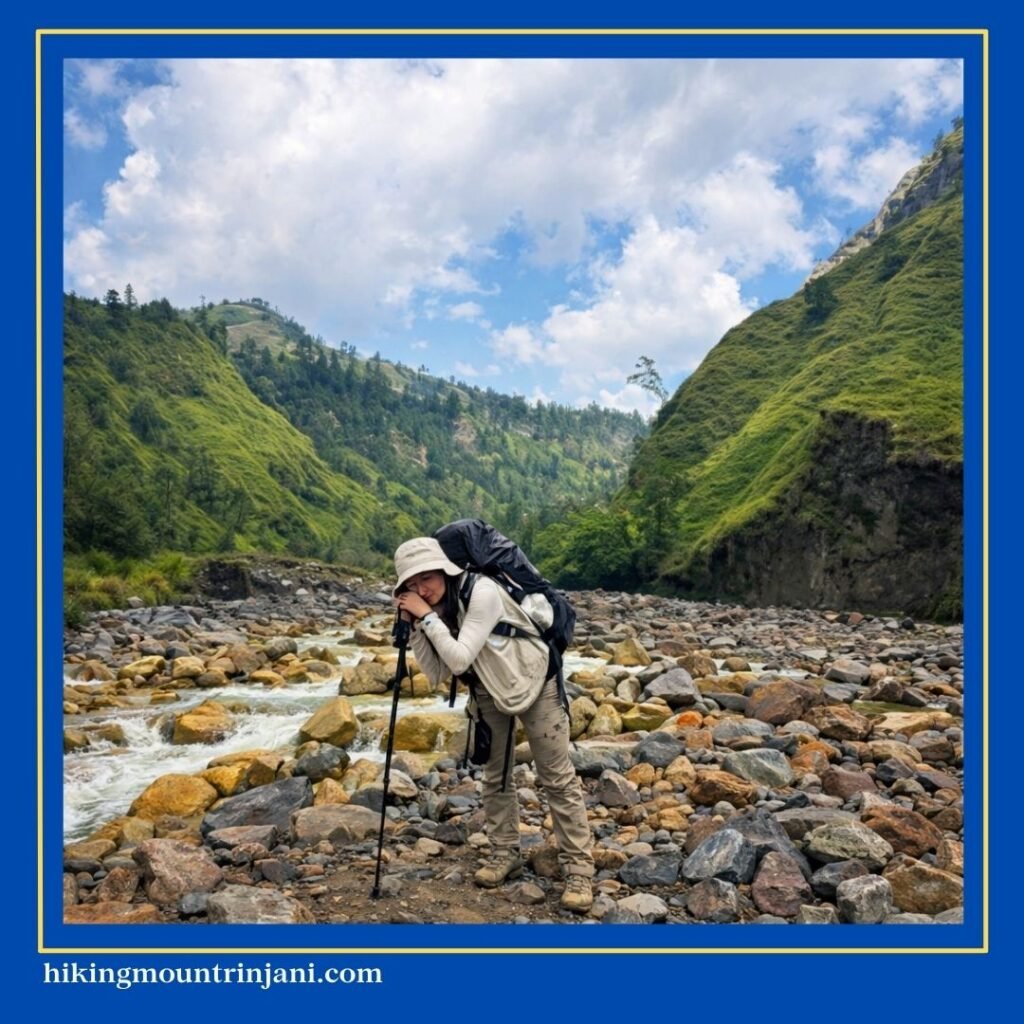
You don’t have to be an athlete, but you should have above-average fitness and be physically prepared. At a minimum, you should meet these four conditions:
1. You Can Walk 8–10 km Without Extreme Exhaustion
If long-distance walking already leaves you completely drained, Rinjani will feel overwhelming. The mountain involves continuous movement across varied terrain: sometimes climbing, sometimes descending, often on uneven surfaces.
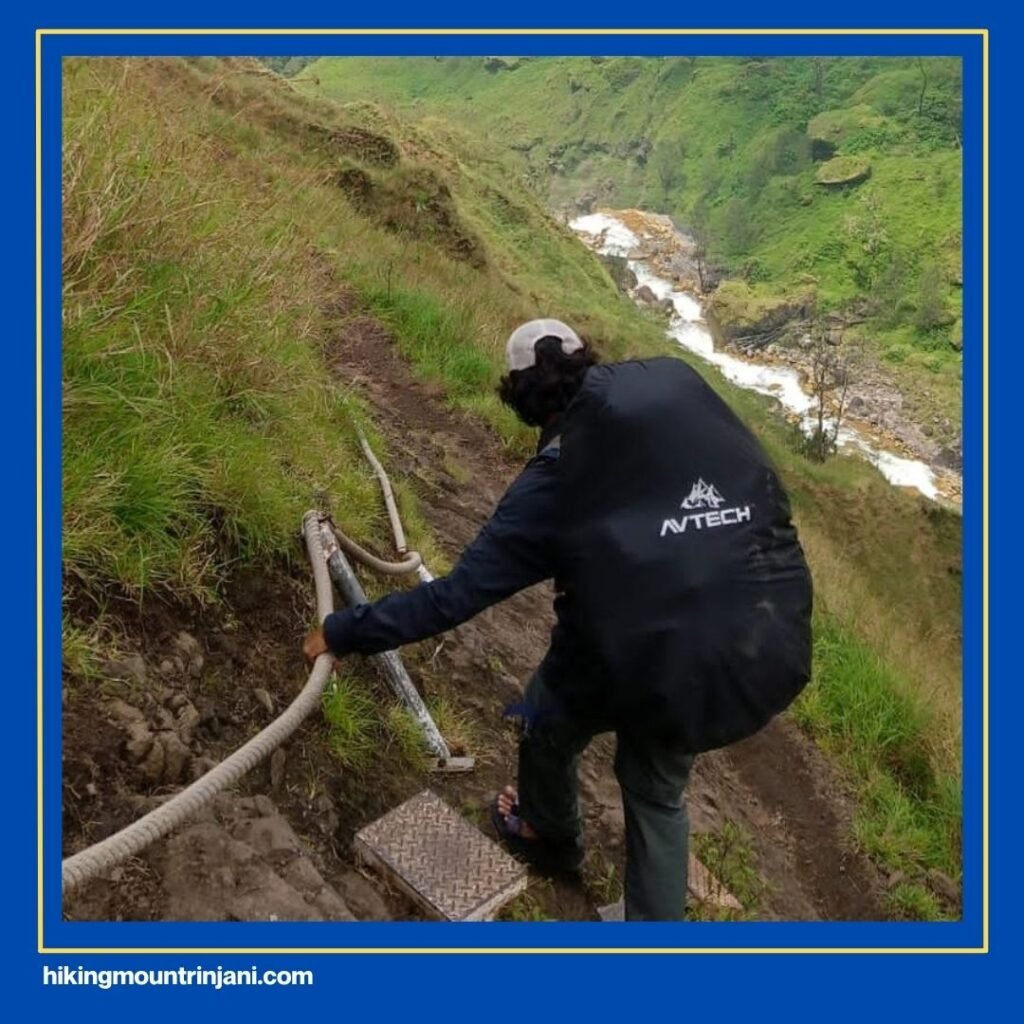
Because Rinjani rises to 3,726 meters, oxygen levels decrease as you gain altitude. Your heart works harder, and fatigue comes faster. The trails include rocky sections, slippery soil, steep slopes, and long stretches that feel never-ending. Combine this with cold air and strong winds, and the effort multiplies.
This climb is not just about distance; it is about sustained endurance. You must be comfortable moving for hours while maintaining stable breathing and controlled energy output.
2. You Can Climb 10–15 Floors of Stairs Without Long Breaks
Hiking Rinjani often feels like climbing stairs for hours. Many sections, especially on summit day, are steep and relentless. Your legs must repeatedly push your body upward while stabilizing on uneven ground.
If you struggle to climb multiple floors without stopping frequently, your quadriceps and glutes may fatigue too quickly on the mountain. Stair climbing is one of the best real-world indicators of readiness for sustained uphill hiking.
3. Not Severely Fatigued After 3 Sets of 10 Reverse Lunges
Reverse lunges simulate uphill movement under load. Perform them while wearing a backpack to mimic carrying a 5–7 kg carrier. Even a small pack feels heavier at high altitude.
This test reflects your ability to:
- Stabilize your knees
- Control your hips
- Maintain balance on uneven terrain
If your legs shake excessively or you lose form quickly, you need more strength training before attempting Rinjani.
4. You Don’t Have Serious Health Issues
Especially related to:
- Heart conditions
- Lung problems
- Knee injuries
- Severe asthma
High altitude and long physical effort stress these systems. If you have any of these issues, consult a doctor before the climb.
.
Baca juga: Why Is Mount Rinjani So Famous? These 7 Reasons Explain It
So, How Fit Do You Need to Be to Climb Mount Rinjani?

In simple terms, you should train on hills or gain experience on easier mountains first. If you can trek uphill for 4–6 hours without collapsing, have no serious medical conditions, and train for at least 3–4 weeks before the climb, reaching Rinjani’s summit becomes very realistic.
Experienced hikers often recommend these exercises:
- Step Ups – simulate uphill stepping
- Single Leg Box Squat – build unilateral leg strength
- Reverse Lunges – improve balance and hip control
- Calf Raises – support ankle stability on uneven ground
- Cossack Squats – increase hip mobility
- Step Down Taps – simulate descending
- Plank (minimum 1 minute)
Why Core Strength Matters for Climbing Mount Rinjani?
When people prepare for a big climb, they usually focus on their legs and lungs. They think strong thighs and good stamina are enough. But once you are actually on Mount Rinjani, especially after several hours of trekking with a backpack, you start to realize something important: your legs do the movement, but your core keeps everything working together.
When you carry a backpack for hours, gravity constantly pulls your upper body backward while the slope pulls you forward. Without a strong core, your posture slowly collapses. Your shoulders round forward, your lower back arches excessively, and your hips lose alignment. You may not notice this at first, but after a few hours, the strain builds up.
This is why hikers with weak core muscles often complain about lower back pain long before their legs are truly exhausted. Their muscles are not failing because of distance, but because their body structure is not being supported efficiently.
Balance is another major factor. Descending often hurts more than climbing. Stand on a bench or box, lower one foot slowly until your heel touches the floor, then return. This builds quadriceps control and knee stability, reducing pain during long descents.
.
Baca juga: How Hard Is the Mount Rinjani Hike? Closer Look at the Conditions
Ready to Climb Mount Rinjani Soon? Prepare Yourself!
Rinjani’s climbing season is expected to reopen in the coming months. If you delay training, your chance may be postponed again.
If you are serious, first visit hikingmountrinjani.com to review recommended routes and trip durations. After choosing a suitable itinerary, or if you need a custom plan, contact their team via WhatsApp for consultation.
Why is this important? Foreign hikers are required to climb with professional guides and porters, even if experienced. This ensures safety, proper navigation, and compliance with regulations. Rinjani is stunning, but safety remains the top priority.
Final Thought:
The real answer to how fit do you need to be to climb Mount Rinjani is this: strong enough to keep moving steadily, stable enough to protect your joints, and prepared enough to respect the mountain. Train with purpose, and Rinjani will reward you with one of the most unforgettable summits in Asia.
.