
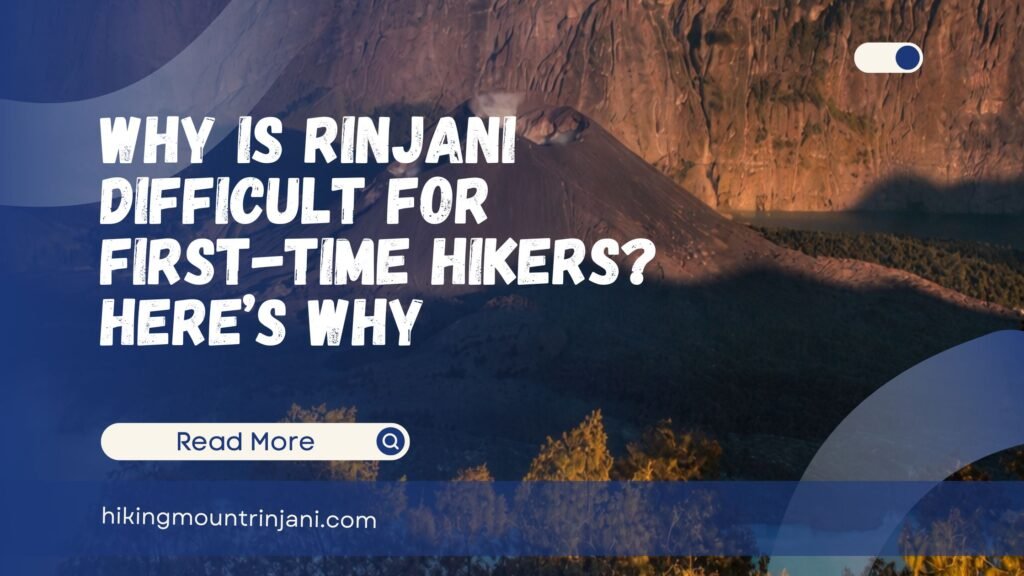
Why Is Rinjani Difficult – If you’ve been researching treks in Southeast Asia, you’ve probably come across one recurring question: why is Rinjani difficult compared to other mountains in the region? Photos show stunning crater lakes, sweeping ridgelines, and sunrise views above the clouds. It looks like paradise. Yet many hikers return describing the climb as one of the hardest experiences of their lives.
So what’s the truth?
Mount Rinjani is not “dangerous” in the sense of being impossible. Thousands of people reach the summit every year. But for first-time hikers or those unfamiliar with volcanic mountain terrain, Rinjani delivers a level of physical and mental challenge that often comes as a surprise.
This mountain doesn’t test just your legs. It tests your lungs, your balance, your mindset, and your ability to keep going when your body wants to stop.
Let’s break it down clearly.
Why Is Rinjani Difficult for First-Time Hikers or Outsiders?
One common myth floating around online is that foreign hikers seem to climb Rinjani faster and more easily than local hikers. Some people speculate it’s because of diet, body proportions, or “naturally long legs.” But is Rinjani actually easier for outsiders?
Not really.
The real reason lies in experience, preparation, and expectation — not nationality.
1. Unfamiliar Terrain Is the Real Enemy
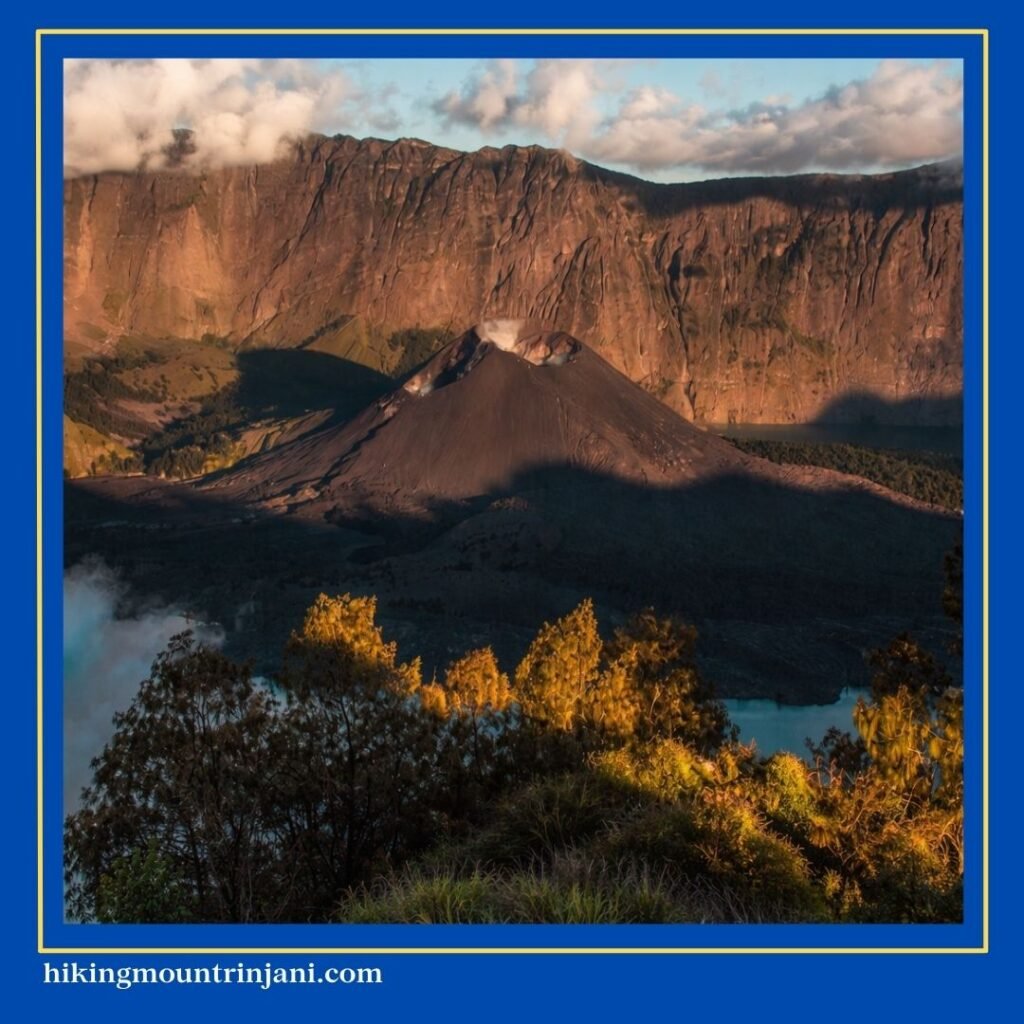
First-time hikers, whether local or international, often struggle because Rinjani’s terrain is unlike a simple forest trail. Many newcomers assume hiking is just “walking uphill.” Rinjani quickly proves otherwise.
If you are used to:
- City environments
- Flat walking paths
- Treadmills or gym cardio
…then volcanic terrain feels completely different. Your stabilizing muscles work harder. Your ankles and knees absorb constant micro-adjustments. And your heart rate stays elevated for hours.
Hikers who come from countries with strong trekking cultures often have prior experience with:
- Mountain trails
- Multi-day hikes
- Elevation changes
- Carrying backpacks for long periods
That background, not nationality, makes the difference.
2. Mental Shock Hits First-Time Hikers Hard
For many beginners, the difficulty of Rinjani is psychological before it is physical.
The climb is long. The summit push often starts in the middle of the night. You hike in darkness, cold air, and silence, with only a headlamp lighting loose volcanic gravel. Each step forward slides half a step back.
If you have never experienced:
- Hiking while sleep-deprived
- Cold mountain wind before sunrise
- Long ascents with no “quick reward”
…it can feel overwhelming. Experienced hikers expect suffering as part of the journey. First-timers often think something is “wrong” when it gets hard.
On Rinjani, discomfort is normal. That mindset shift is huge.
3. “Outsiders” Are Not Automatically Better
Some international hikers train for months before coming. They research altitude, terrain, and required stamina. Many treat Rinjani like a serious expedition, not a casual tourist activity.
Meanwhile, some first-time hikers underestimate the climb because:
- The mountain looks beautiful
- It’s a popular destination
- Social media makes it look easy
Preparation level, not origin, explains the difference.
So, is Rinjani difficult for foreigners?
Yes. if they come unprepared. Is it difficult for locals? Also yes, if they underestimate it. Rinjani is fair. It challenges everyone the same way.
.
Baca juga: Is Acatenango Harder Than Rinjani? A Hiker’s Comparison Stories
Reasons Why Climbing Mount Rinjani Is So Difficult and Challenging
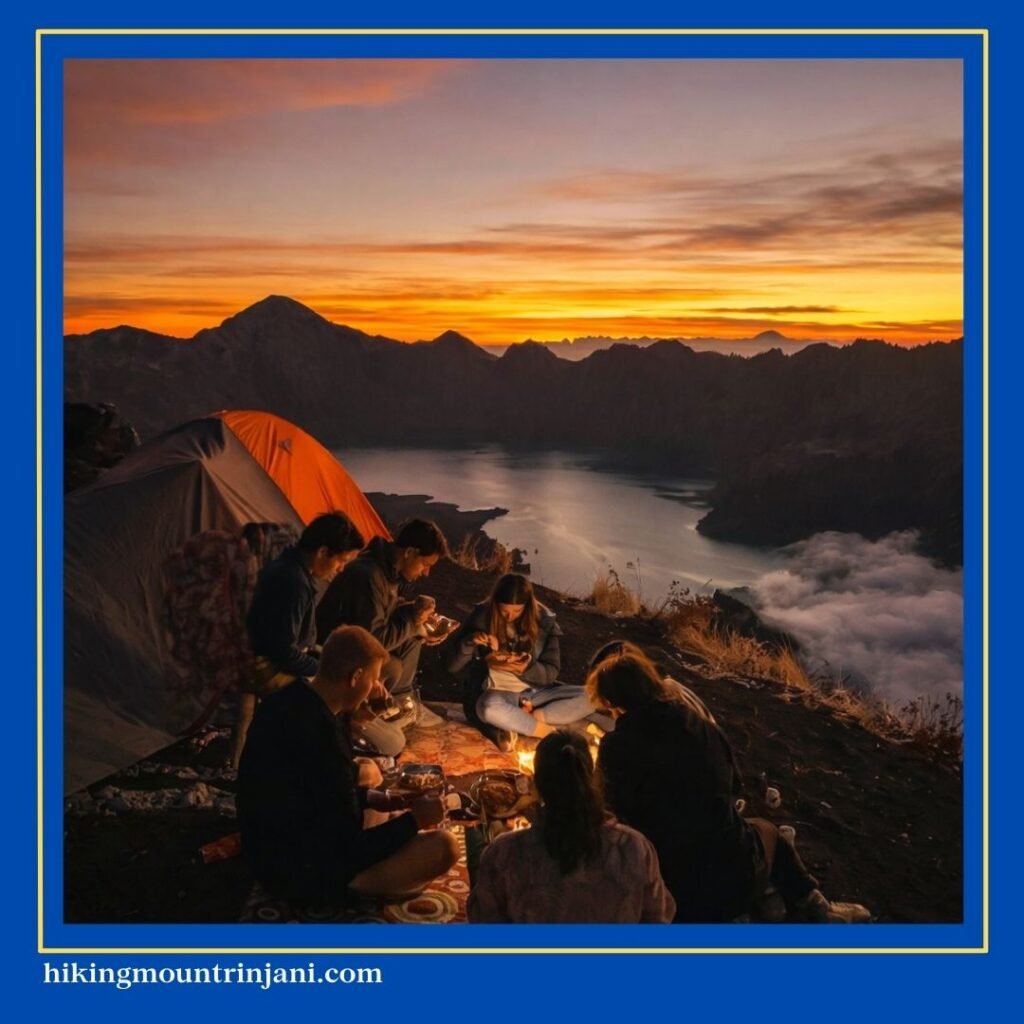
Now let’s talk about the mountain itself. The answer to why is Rinjani difficult becomes obvious once you understand the terrain.
Rinjani is not a mountain with one trail type. It is a constantly changing landscape that forces your body to adapt again and again.
1. Why Is Rinjani Difficult? Extremely Varied Terrain
One experienced hiker described Rinjani as a route that feels like multiple mountains in one:
- Open savanna-like slopes
- Rocky sections
- Dirt trails
- Loose volcanic sand
- Narrow ridgelines
You are not walking on stable ground the whole time. Your muscles never settle into a rhythm. Just when your legs adapt to one surface, the terrain changes again.
This constant adjustment drains energy faster than hikers expect.
2. The Famous Volcanic Sand Near the Summit
This is where many people truly understand why Rinjani is difficult.
Near the summit, the path turns into deep volcanic sand and gravel. Imagine climbing uphill on a giant sand dune. Every step sinks. You push forward, slide back, and repeat for hours.
Physically, this:
- Burns your calves
- Strains your thighs
- Exhausts your lungs
Mentally, it’s frustrating because progress feels slow. But this section is also what makes reaching the top feel unforgettable.
3. Long Duration, Not Just Steepness
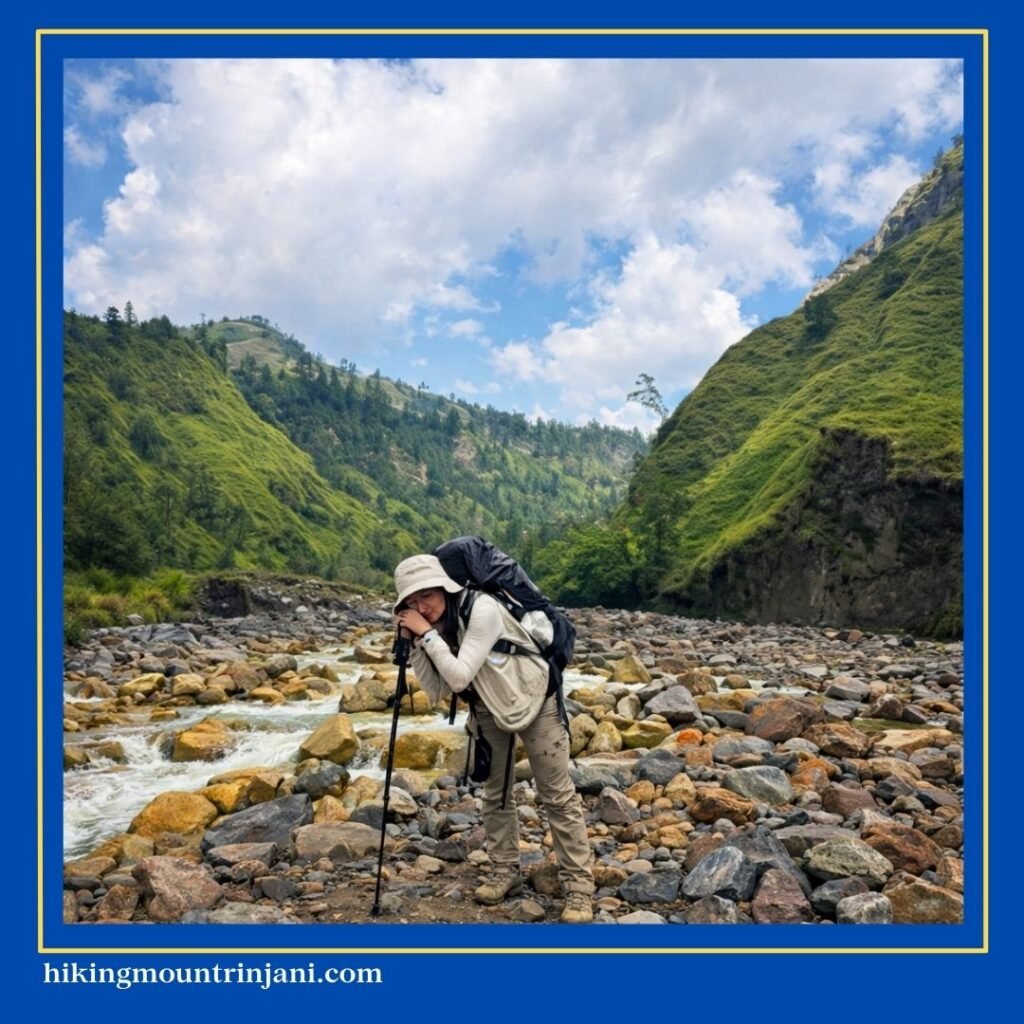
Rinjani is not just steep, it’s long. Hiking days can last many hours with heavy elevation gain. Fatigue builds gradually.
You’ll descend to:
- A massive crater lake
- Hot springs
- Deep valleys
- Then climb again. And again.
Your body never fully “rests” during the trek.
4. Why Is Rinjani Difficult? Active Volcanic Environment
Rinjani is part of an active volcanic system. You hike through a dramatic landscape of ash, rock, and geothermal features. It feels like a wild natural site, with views you simply cannot find elsewhere in the world.
One hiker described the pre-summit struggle as “feels like hell before the top.” Yet, once the sun rises above the crater and lake, the suffering suddenly feels worth it — especially if the weather is clear.
The beauty is extreme. The effort to reach it is equally extreme.
5. Weather Changes Everything
Weather plays a massive role in how difficult Rinjani feels.
- On a calm, clear day → Rinjani is hard but manageable.
- With strong wind → balance becomes difficult.
- In cold conditions → energy drains faster.
- In bad weather → difficulty rises sharply.
Because large parts of the route are exposed, there is little protection from wind and temperature shifts.
6. Altitude and Thin Air
At higher elevations, oxygen levels drop. Even fit hikers feel slower, breathe harder, and need more breaks. If you’re not used to altitude, this adds another layer to the challenge.
It’s not just your legs working, your lungs are working overtime. It’s a full-body and full-mind challenge
Rinjani tests:
- Leg strength
- Core stability
- Lung capacity
- Endurance
- Mental resilience
That combination is exactly why Rinjani is difficult, and why finishing it feels like a life achievement.
Despite all this, hikers consistently say the experience is worth it many times over. The sunrise, the crater lake, the ridgeline views, and the sense of accomplishment create memories that last a lifetime. Difficulty is not a flaw of Rinjani. It is part of its identity.
.
Baca juga: How to Get to Mount Rinjani from Bali? Pick the 3 Best Options
Ready to Take on the Challenge of Mount Rinjani? Register Here!
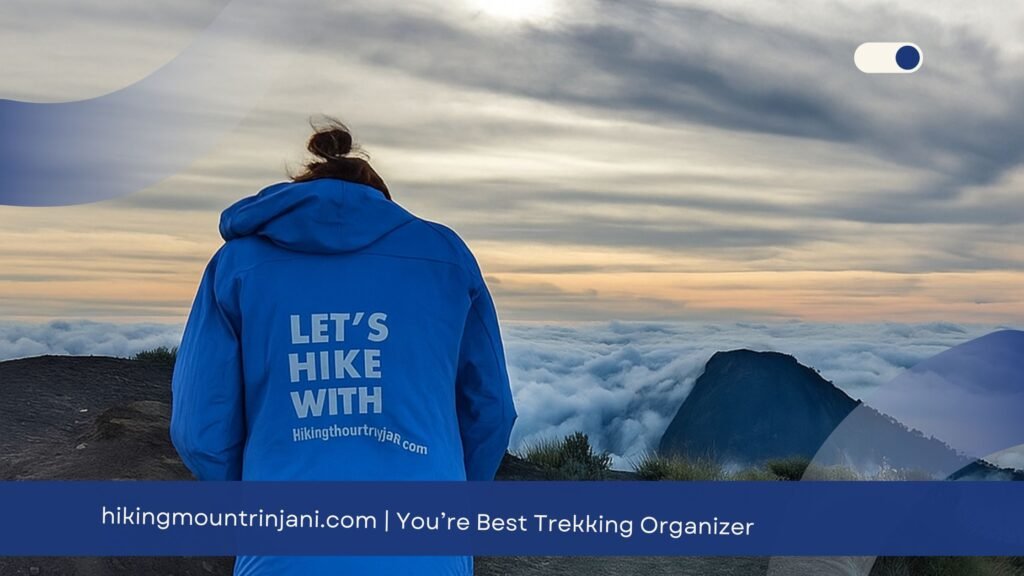
At the moment, Mount Rinjani is still closed for recovery. When it reopens around April, you’ll be able to plan your climb.
But remember:
You cannot register independently for Rinjani. All climbing permits must be processed through a registered hiking guide company as part of regulations designed to prevent illegal or unsafe independent climbs. These rules exist to protect both hikers and the mountain itself. We don’t want painful incidents to happen again on Rinjani.
Before your trip, consult with hikingmountrinjani.com, a registered guiding company that can help you prepare properly.
Yes, Rinjani is difficult. But with:
- The right preparation
- The right mindset
- Proper guides and porters
…the climb becomes safer, more manageable, and far more enjoyable. Follow the regulations, prepare well, and you’ll be able to experience Rinjani with confidence. And with a deep sense of relief and pride when you stand at the top.
.