
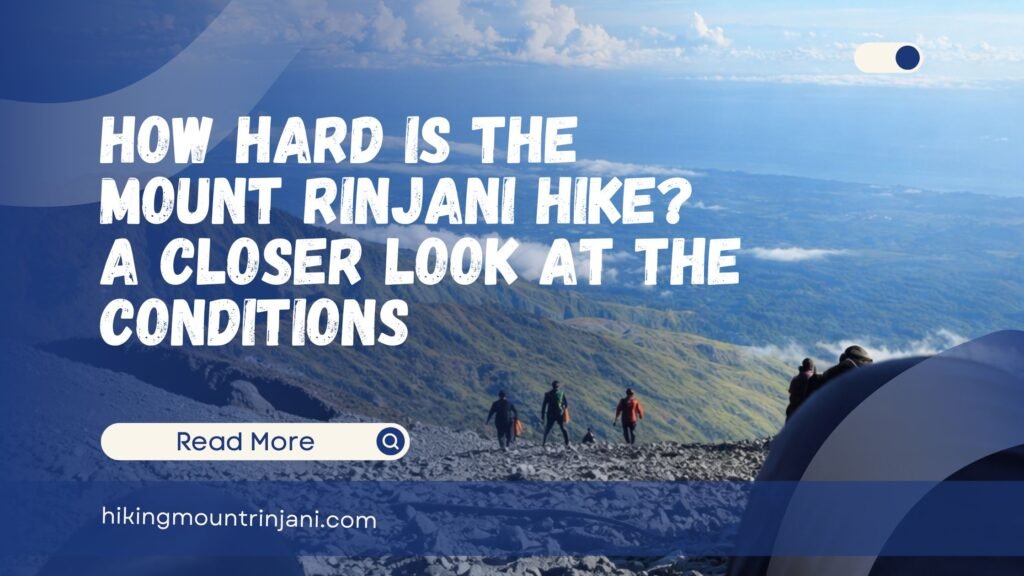
How Hard Is the Mount Rinjani – If you search how hard is the Mount Rinjani hike, you will quickly notice a pattern. Some people describe it as life-changing and breathtaking. Others call it brutal, exhausting, and mentally draining. Both are telling the truth.
Mount Rinjani, standing at 3,722 meters (12,224 ft) above sea level, is not just a scenic volcano in Lombok, Indonesia. It is a serious high-altitude trek that combines long elevation gain, unstable volcanic terrain, cold nights, strong winds, and thin air near the summit.
Many international travelers hear Rinjani’s reputation and start wondering: Is it possible for me? Am I fit enough? Is it really that hard? These are the right questions to ask before booking anything.
Let’s talk honestly about the conditions, not to scare you, but to prepare you. Because on Rinjani, preparation often makes the difference between an unforgettable adventure and a long, painful struggle.
How Hard Is Mount Rinjani Hike? Let’s Break Down the Conditions
When people ask how hard is the Mount Rinjani hike, they usually imagine steep trails. What they often underestimate is how multiple tough factors stack together: fitness demand, cold camping conditions, terrain type, altitude, and the mental battle near the summit.
1. Physical Fitness — The First Big Filter
One hiker, Marina Jinkx, shared a very honest experience after climbing Rinjani:
She was told the summit tour was “easy to moderate” and that many older people had done it. She clearly explained she was not in great physical condition and asked whether she could handle the difficulty. Marina was reassured she would be fine.
She was not.
She described the hike as torture. The views were beautiful, but for her, they did not match the extreme physical effort. Her conclusion was direct: if you are not trained, meaning you do not exercise regularly, go to the gym, or build endurance, you will suffer a lot.
That story is important because Rinjani is not just a walk. You climb for hours with a backpack, often on loose ground, with very few flat sections. The ascent from Sembalun to the crater rim alone can take around six continuous hours. Your legs, lungs, and heart work nonstop.
If you regularly hike, run, cycle, or train your lower body and cardio, Rinjani becomes a hard but achievable challenge. If your lifestyle is mostly sedentary, this mountain can feel overwhelming very quickly.
2. Camping Conditions — Cold, Wind, and Rough Ground
Another hiker emphasized something many first-timers ignore: the camping conditions.
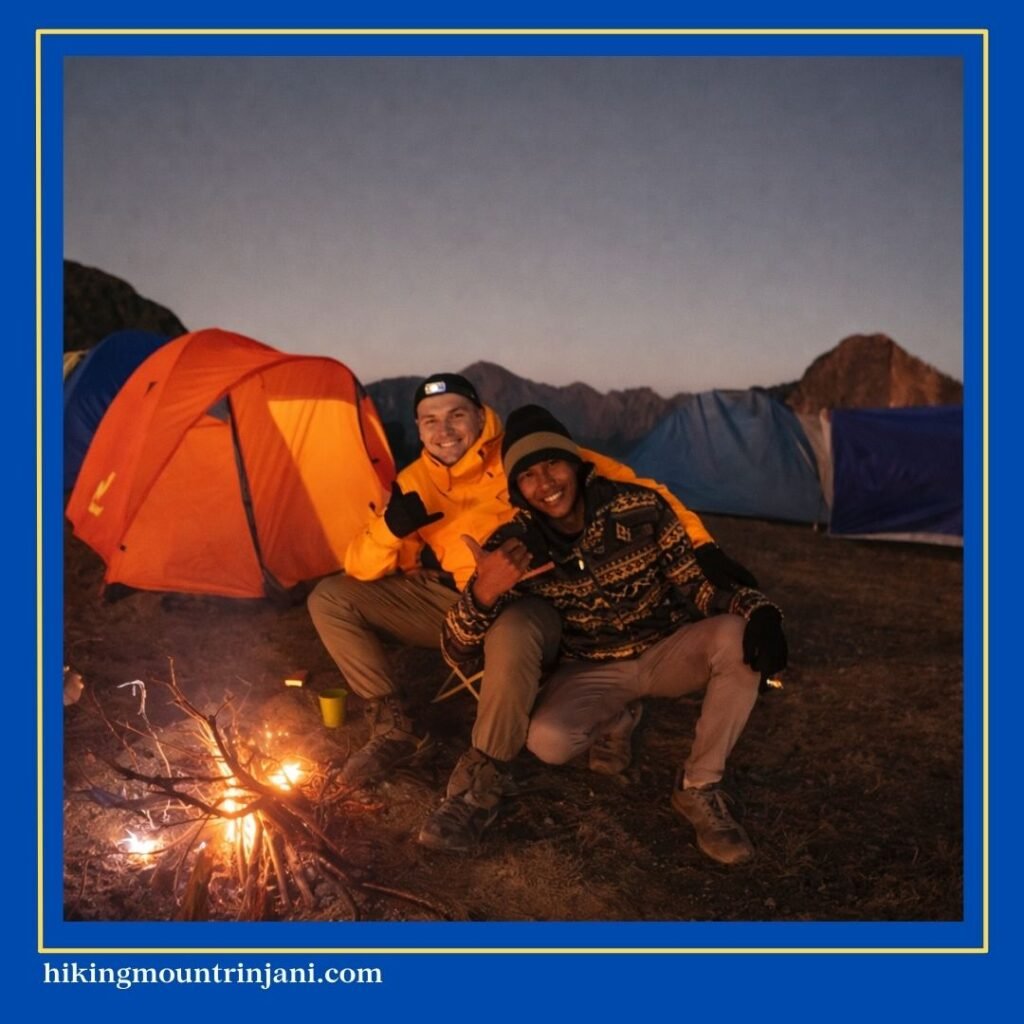
At the crater rim and near the lake, temperatures can drop dramatically at night. Strong winds pass through the open highland terrain. One hiker said earplugs helped reduce the noise of the wind hitting the tent. Even with a sweater, a windproof rain jacket, and multiple layers, they still felt very cold and wished they had gloves and a thicker jacket.
You sleep in a tent on rocky mountain ground. This is not a comfortable campsite with soft grass. If you do not have proper hiking gear or warm clothing, the night can become miserable, and poor sleep will affect your strength for summit day.
So when evaluating how hard is the Mount Rinjani hike, remember that difficulty does not stop when walking stops. Your body is still under stress during cold nights at altitude.
3. How Hard Is Mount Rinjani? Trekking Conditions
Several hikers described the summit push in very similar ways.
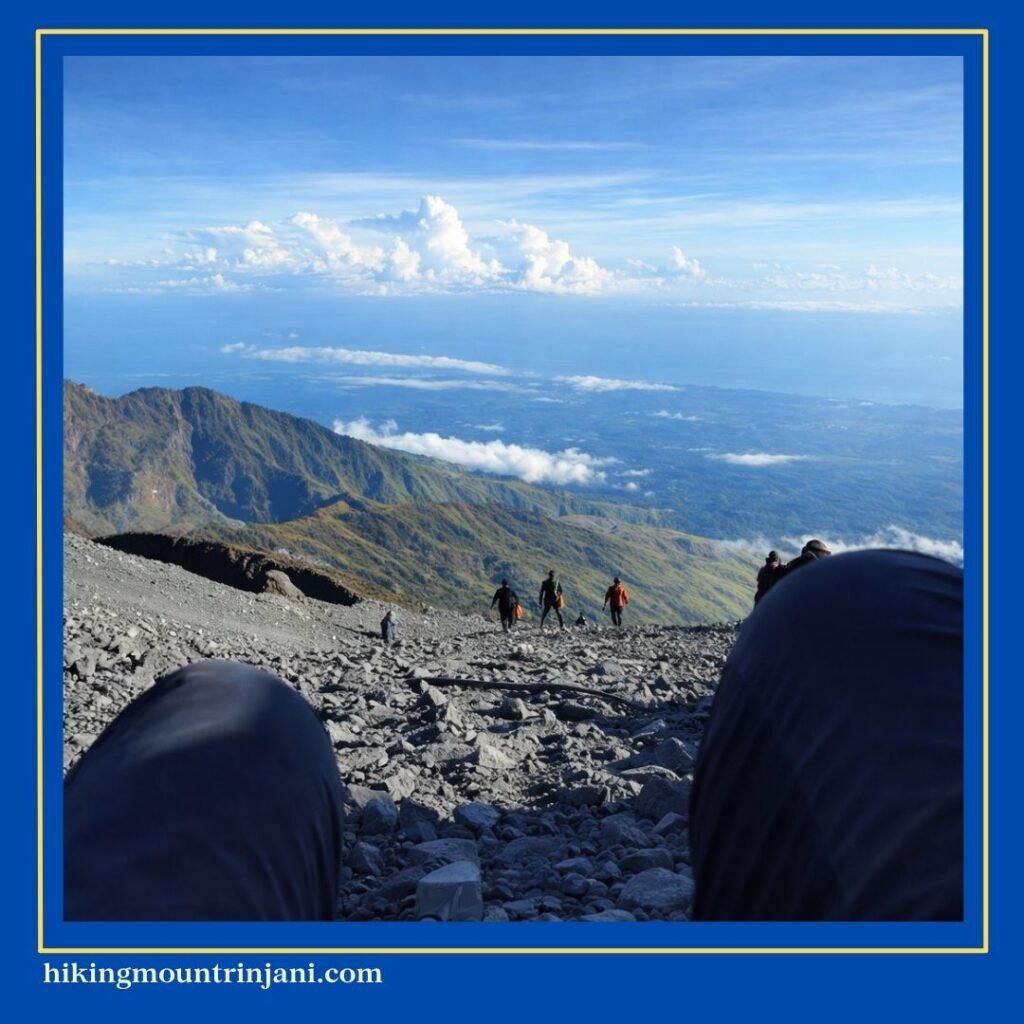
After camping at the crater rim, many groups start around 1:00 AM. The climb to the summit takes about four hours and is divided into stages. Early parts may include larger rocks and some trees to hold onto. Then you walk along a ridge with firmer ground.
The final section is what people remember most.
It is steep and covered with loose volcanic gravel and ash. With every step forward, your foot can slide back. One hiker said it felt like “two steps forward, one step back.” This is extremely tiring because you use more energy than on solid ground.
By this point, you are also above 3,000 meters. Oxygen is thinner. Your pace slows. Breathing becomes heavier. The last 100 meters often turn into a mental fight. You move step by step, focusing on not giving up.
Even strong hikers admit this part is exhausting.
4. Terrain Variety — Beautiful but Demanding
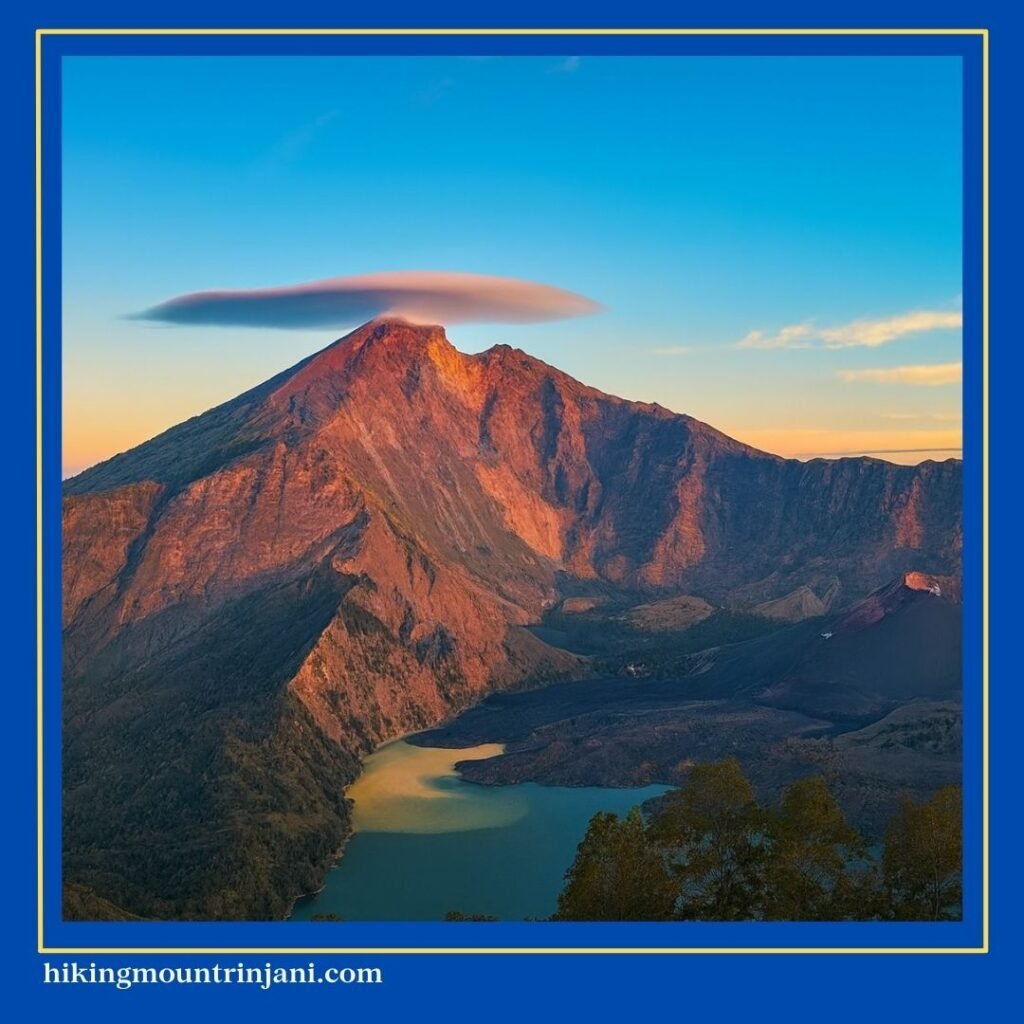
Rinjani is not a single-type trail. One hiker described the terrain as incredibly varied: savanna-like slopes, rocky sections, dirt paths, volcanic sand, and ridges. You pass a huge crater lake, hot springs, waterfalls, and an active volcanic environment.
This variety is one reason Rinjani is considered one of the most beautiful mountains in Southeast Asia. But it also means your body constantly adapts to different surfaces and slopes.
Another hiker called it a “wild natural site” with views you cannot get elsewhere in the world. They said the suffering before the summit felt like hell, especially near the top, but still worth it many times over, particularly because they had good weather.
Weather plays a huge role. On a calm, clear day, Rinjani is tough but manageable. With strong wind or bad weather, difficulty rises fast.
5. Distance, Elevation Gain, and Duration
One climber pointed out a critical number: you climb and descend about 2,700 meters in roughly 24 hours during a typical summit itinerary. That is a huge elevation change in a short time.
Another noted that from Senaru, you may climb around 2,000 meters of elevation. Plan for about six hours up and four hours down in some sections. And even though a guide is mandatory, the guide does not physically carry you. You still do the hard work yourself.
Many people in groups struggle, and not everyone reaches the summit. When temperatures drop below zero and wind increases, those without proper gear often turn back.
.
Baca juga: Top 3 Hardest Hikes in Indonesia, Beginners Shouldn’t Attempt
Let’s Rate How Hard Mount Rinjani Is — In Numbers
To answer how hard is the Mount Rinjani hike more clearly, let’s rate key factors from 1 (easy) to 10 (extreme).
- Physical Endurance Required: 9/10. Long continuous climbs, steep sections, and minimal flat terrain demand strong legs and cardio fitness.
- Terrain Difficulty: 9/10. Loose volcanic gravel near the summit is one of the hardest walking surfaces. Sliding steps increase energy use.
- Altitude Impact: 7/10. At over 3,000 meters, thinner oxygen slows you down and adds strain, especially near the top.
- Cold and Wind at Night: 8/10. High camps can be very cold and windy. Without proper layers, comfort drops fast.
- Mental Challenge: 9/10. The final summit section tests your willpower. Fatigue, slow progress, and darkness before sunrise push your mindset.
Overall Difficulty: 9/10. For average travelers without training, Rinjani feels extremely hard. For fit hikers with preparation, it is still tough but achievable and deeply rewarding.
The hardest part for most people is the final summit push on loose gravel at high altitude in the early morning cold. This section combines physical exhaustion, unstable footing, and low oxygen. The perfect storm of difficulty.
.
Baca juga: Senaru or Sembalun Rinjani? 5 Must-Know Facts Before U Decide
Curious How Hard Mount Rinjani Is? Join the Trip Here
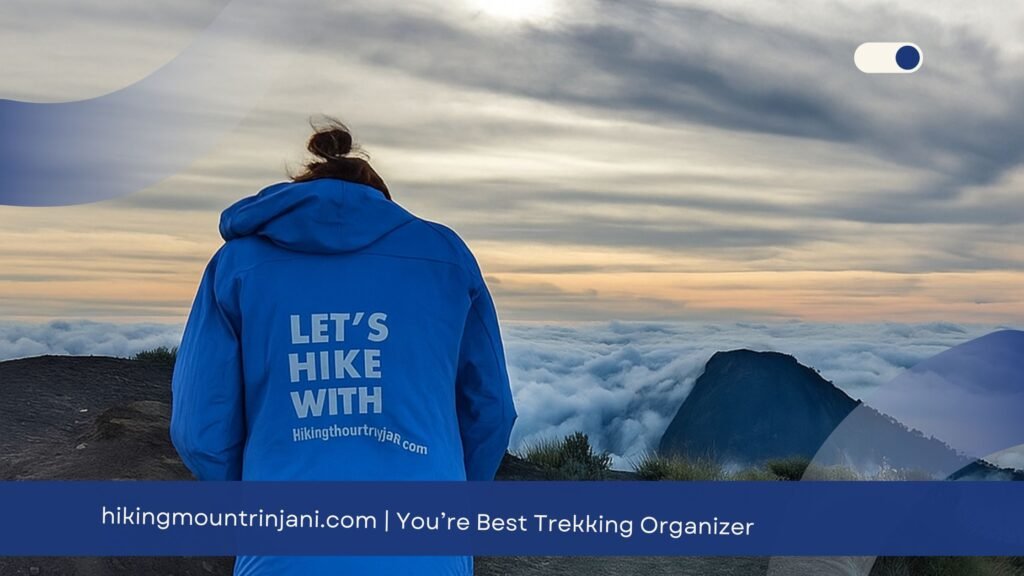
If after reading all this you still feel that spark, that mix of respect, excitement, and curiosity, then you are already thinking like a climber. Knowing the challenge does not mean stepping back. It means preparing wisely and choosing the right support.
For international hikers, using a professional trekking organizer is not optional. It is mandatory. A reliable organizer like hikingmountrinjani.com helps turn a potentially chaotic trip into a structured, safer experience. They handle camping equipment, cooking gear, food preparation, tent setup, and route guidance. Their local professional guides understand weather patterns, trail conditions, and emergency procedures. That knowledge reduces risk and makes the challenge more manageable.
Instead of worrying about logistics, you can focus your energy on the climb itself. Pacing your steps, breathing steadily, and absorbing the surreal landscapes around you. If you prefer direct communication, you can also contact the organizer via WhatsApp through the button provided at the end of this article.
Rinjani is hard, yes. But with preparation, the right mindset, and proper guidance, it becomes more than a mountain. It becomes a story you carry for the rest of your life.
.