

Hardest Hikes in Indonesia – Indonesia is often described as a paradise for hikers. With more than a hundred active volcanoes, dense tropical forests, alpine ridgelines, and remote highlands, the country offers an extraordinary range of trekking experiences. From sunrise hikes above the clouds to multi-day expeditions across rugged terrain, Indonesia can challenge even seasoned mountaineers.
But here is the reality many travelers underestimate: not every Indonesian mountain is beginner-friendly. Some trails demand advanced stamina, mental endurance, and experience dealing with extreme weather, long trekking hours, and unpredictable terrain. If you are an international hiker researching what is hardest hikes in Indonesia, you need more than just beautiful photos, you need honest insight into which mountains truly test your limits.
Many first-time hikers choose routes based on popularity, not difficulty. This can lead to exhaustion, altitude problems, or even rescue situations that put both hikers and SAR teams at risk. Choosing the wrong mountain for your skill level can turn a dream adventure into a dangerous experience.
If you are looking for a real challenge and already have solid mountain experience, the following hikes deserve your attention. However, if you are still a beginner or unsure about your physical readiness, these mountains are not the right place to start.
3 Hardest Hikes in Indonesia (Not for Beginners)
If you are seeking serious adventure and feel confident after climbing multiple mountains, these three should be on your Indonesia list. But avoid them if this is your first serious trek.
1. Mount Halau-Halau – Hardest Hikes in Indonesia
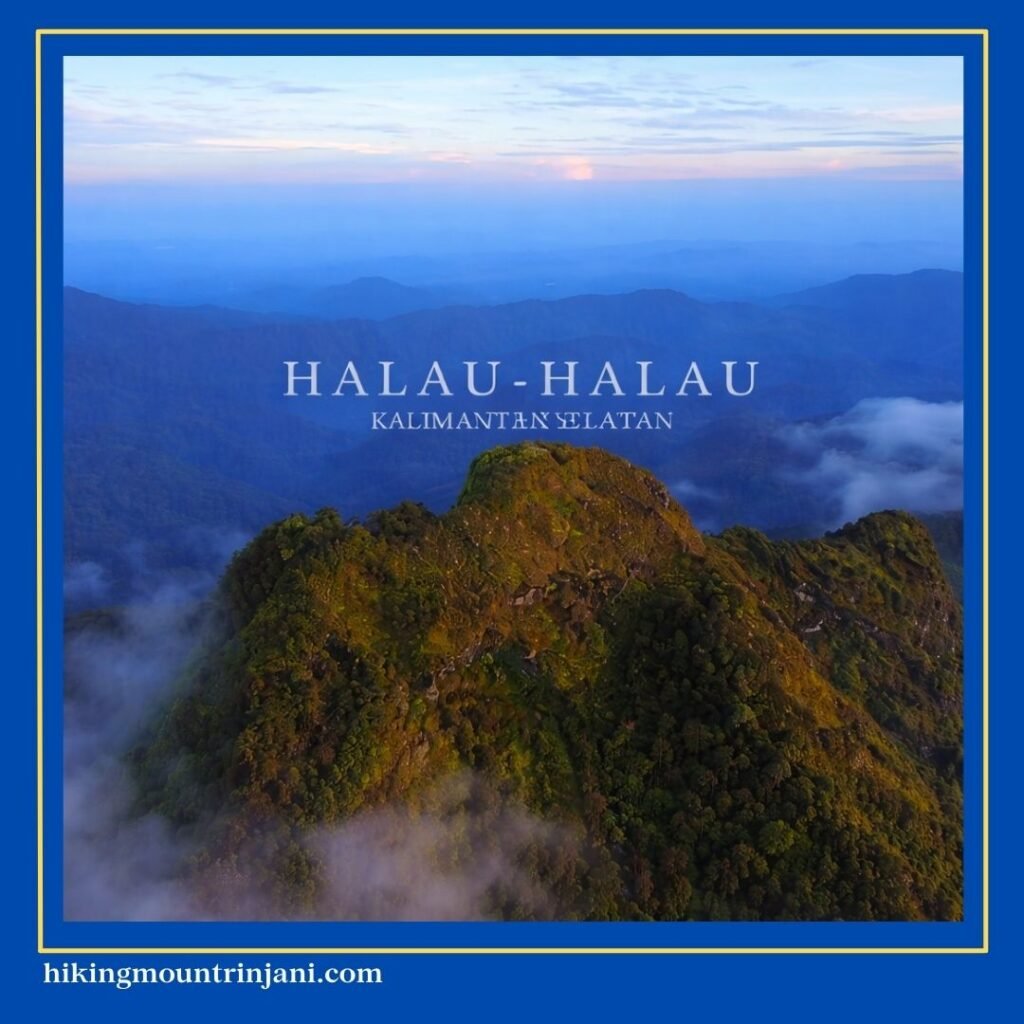
Mount Halau-Halau may not be as internationally famous as other Indonesian peaks, but do not underestimate it. Located in South Kalimantan, this mountain is known for its extremely challenging trail conditions.
The biggest issue here is terrain. After rainfall, which is common in tropical forests, the ground becomes extremely slippery. Muddy slopes combined with thick jungle paths make every step physically demanding. You must constantly focus to avoid slipping, which drains energy quickly.
Another challenge is wildlife and environmental conditions. Leeches are commonly found not only on the ground but also on leaves and low vegetation. This can be mentally uncomfortable, especially for hikers not used to tropical trekking environments. You need proper clothing, mental readiness, and experience dealing with such conditions.
Halau-Halau is also located in a remote forest ecosystem where wild animals, including bears, may inhabit certain areas. While encounters are rare, the environment itself already makes this mountain far from beginner-friendly.
This hike is suitable only for experienced trekkers who want to try something very different from volcanic climbs and are ready for a raw jungle expedition.
.
Baca juga: Mount Rinjani Summit Tour: Highly Recommended Experience
2. Mount Rinjani – Hardest Hikes in Indonesia
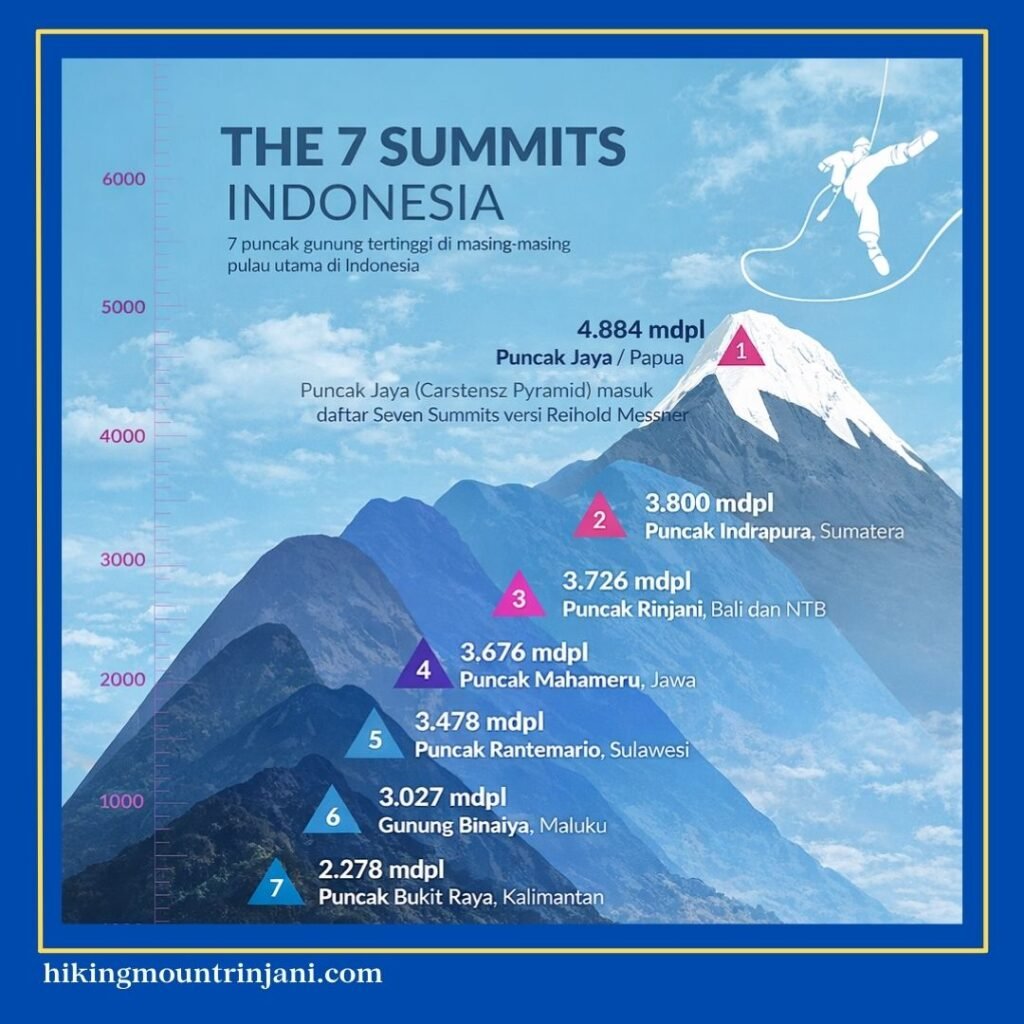
Mount Rinjani is Indonesia’s second-highest volcano at 3,726 meters above sea level, and one of the most beautiful mountains in Southeast Asia. Its crater lake, Segara Anak, is world-famous. However, beauty here comes with serious difficulty.
Most Rinjani treks last three days, sometimes longer depending on the route. That means continuous physical strain with limited recovery time. The trail includes steep ascents, loose volcanic sand, rocky ridges, and long downhill sections that stress your knees.
The summit push is where things become truly difficult. Climbers often face extremely strong winds and freezing temperatures before sunrise. The final ridge consists of loose volcanic gravel, where you may take two steps forward and slide one step back. It is physically and mentally exhausting.
For beginners, forcing a summit attempt can be discouraging and even dangerous. Altitude fatigue, cold exposure, and exhaustion may cause people to give up hiking altogether after one bad experience. Worse, unprepared hikers increase the risk of emergency rescues.
Rinjani is stunning, but it demands respect, training, and preparation.
3. Latimojong (South Sulawesi)
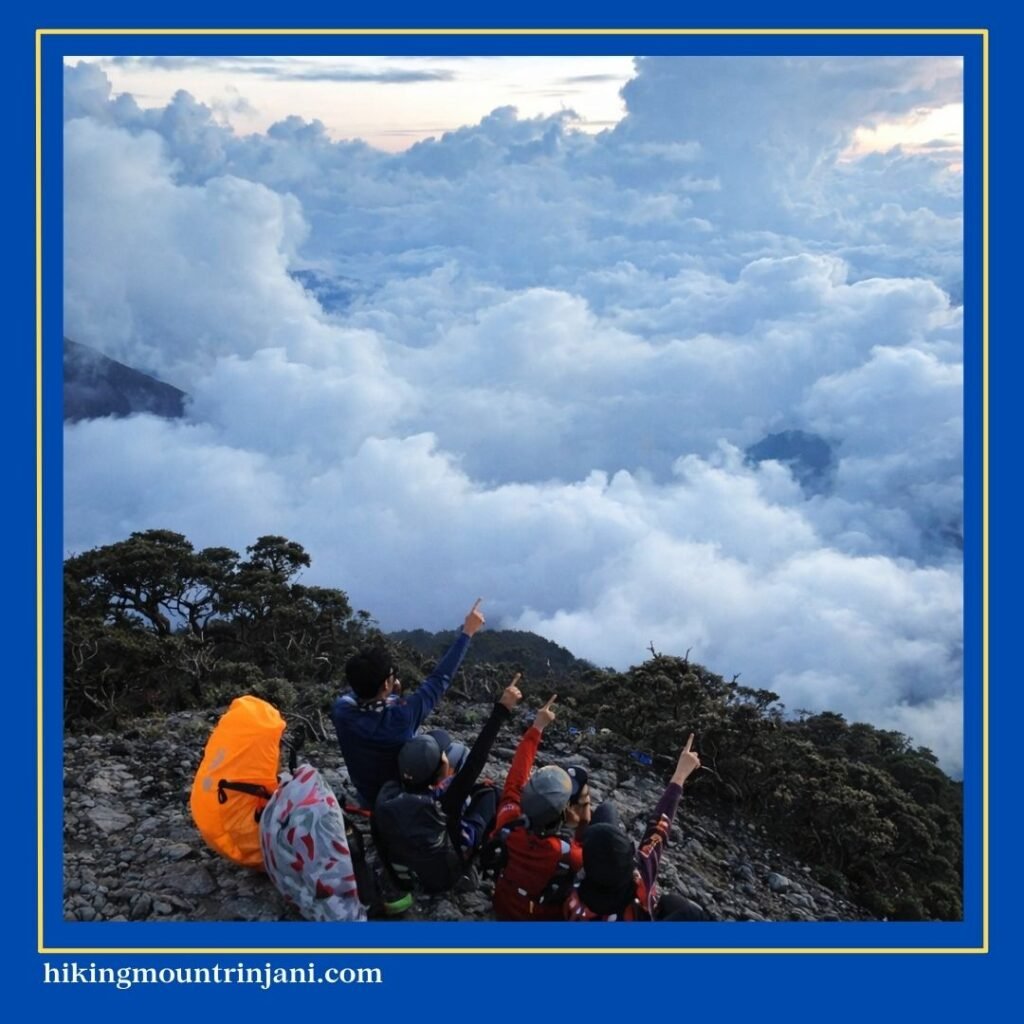
Mount Latimojong, located in Enrekang Regency, South Sulawesi, is the 5th highest peak among the Seven Summits of Indonesia. This is not a tourist-style hike, it is a true endurance test.
The trek can take around 11.5 hours of walking in a single long push, depending on your strength and pace. The trail includes steep forest climbs, muddy paths, and long-distance trekking through remote terrain.
This mountain is physically draining because the challenge comes from duration and continuous elevation gain. You need strong cardiovascular endurance, trekking experience, and mental resilience.
If you have never climbed a serious mountain before, Latimojong is not the place to learn. It is designed for hikers who already understand pacing, hydration strategies, and long-duration trekking.
Before attempting any of the mountains above, you should build experience on easier peaks such as Mount Papandayan, Mount Prau, or one of the easiest options, Mount Munara. These mountains help you develop stamina and trail awareness safely.
.
Baca juga: Is Acatenango Harder Than Rinjani? A Hiker’s Comparison Stories
First Time Hiking Mount Rinjani? Requirements for One of Indonesia’s Hardest Hikes
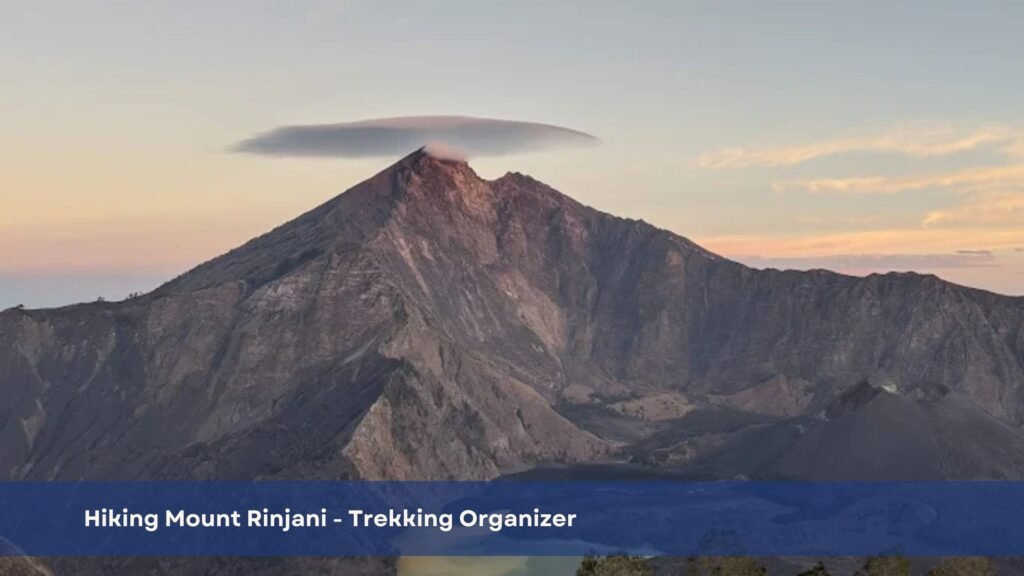
If you feel physically fit and have trained well, and you still want to try Mount Rinjani. One of the mountains often included in discussions about what is hardest hikes in Indonesia, there are important requirements you must follow.
1. Contact a Trekking Organizer
For international hikers, this is not optional, non-negotiable — it is mandatory.
You can visit hikingmountrinjani.com to choose trekking packages and professional guides. Going with a trekking organizer significantly improves safety and logistics.
The team usually:
- Carries camping and cooking equipment
- Prepares meals
- Sets up tents
- Guides you along the route
- Ensures no one gets lost
- Helps the group return safely
Local professional guides understand weather patterns, trail conditions, and emergency procedures. This reduces risks and makes the experience more manageable.
If you prefer discussing directly via WhatsApp, you will find the Hiking Mount Rinjani trekking organizer’s contact at the end of this article (via the button provided).
2. Follow Mount Rinjani National Park Regulations
Your trekking organizer will inform you about official regulations and entry requirements, especially for foreign hikers.
Generally, climbers must check in by showing:
- e-ticket
- Passport or identity card
- Health certificate
Starting January 1, 2026, all climbers are required to have premium insurance from an appointed insurance company. This regulation aims to improve safety standards and ensure proper protection for hikers.
Indonesia offers incredible mountains, but choosing the right one for your skill level is critical. If you are researching what is hardest hikes in Indonesia, remember that difficulty is not just about elevation. It includes terrain, weather, trail length, and logistics. Train well, prepare properly, and respect the mountain.
.